
 Previzualizare
 Trimite
 Distribuie
 Detalii despre lucrare

 Descarcă
 Produse similare
 Radiografie
 Diapozitive automate
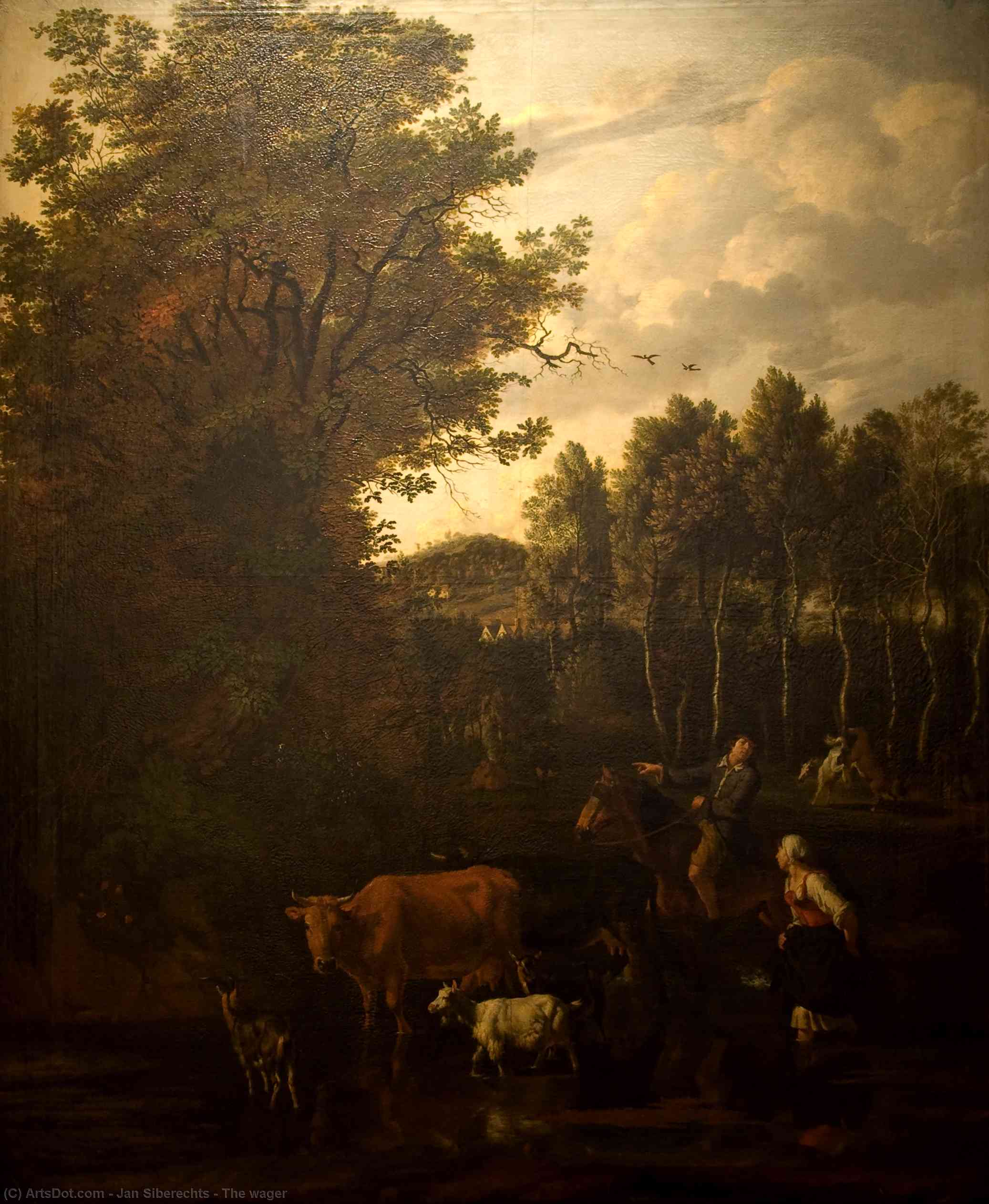
The wager


 Vezi mai mult
Reproducere pictată manual în ulei
Pictură în ulei pe pânză, realizată manual de artiștii noștri la dimensiunea și ramele dorite de dumneavoastră, pe comandă. ( Comandă printul Cumpără imaginea)




































Alegeți dintre dimensiunile noastre prestabilite, care respectă proporțiile originale ale operei de artă.

Puteți introduce propriile dimensiuni pentru a se potrivi unui anumit cadru sau spațiu. Dacă dimensiunea selectată nu corespunde proporțiilor imaginii originale, vom decupa opera de artă sau vom extinde pictura cu elemente suplimentare pictate manual. O simulare digitală vă va fi trimisă pentru aprobare înainte de începerea producției.
Vă rugăm să rețineți că previzualizarea de pe ecran nu reflectă decuparea sau extinderea reală. Doar macheta va arăta cu exactitate compoziția finală.
Deși sunt disponibile dimensiuni personalizate, vă recomandăm să selectați o dimensiune din lista predefinită pentru a păstra proporțiile originale.
După plasarea comenzii, echipa OriginalUniqueArt.com va contacta clientul prin e-mail pentru instrucțiuni și îi va furniza o previzualizare a machetei
Livrare în întreaga lume () în 3-4 săptămâni, în loc de cele 5 săptămâni standard. (14 August). Fără compromisuri în ceea ce privește calitatea.

Livrare expres gratuită la nivel mondial

Pânză de in de înaltă calitate

Asigurare completă pentru transport

Garanție de rambursare a taxelor vamale

Garanția fidelității culorilor

Politica de retur în 60 de zile (doar pentru defecte)

Garanție de rambursare 100%

Ofertă pentru comenzi multiple
 Opțiunea cu sticlă este disponibilă doar pentru dimensiuni de sub 110 cm

The wager
Tehnică de reproducere
Dimensiune reproducere
-


Preț total calculat
$ 300
Biografie artist
A Flemish Vision in England: The Life and Art of Jan Siberechts
Jan Siberechts, born in Antwerp in 1627, stands as a remarkable testament to artistic convergence—a pivotal figure bridging the expressive fervor of Flemish painting with the burgeoning landscape tradition blossoming across the English Channel. His life’s journey is marked by serendipitous encounters, astute patronage, and ultimately, an indelible imprint on British art history. The son of a sculptor also named Jan Siberechts, he imbibed artistic sensibilities from his father's workshop early in life, honing skills that would define his distinctive creative path. By 1648, he achieved master status within the esteemed Guild of Saint Luke in Antwerp—a prestigious recognition signifying his acknowledged proficiency as a craftsman and artist. While definitive documentation remains scarce, art historians posit a possible expedition to Italy during the late 1640s or early 1650s; this formative experience undoubtedly exposed him to Italianate landscape painting’s stylistic hallmarks—classical compositions and atmospheric perspective—influencing his evolving artistic vision.Early Training and Flemish Roots
His initial training centered around mastering sculptural techniques alongside his father, fostering a foundational understanding of form and materiality that would permeate his subsequent paintings. This grounding in Flemish craftsmanship is palpable in his early works, which demonstrate a careful balance between realism and stylistic considerations—a characteristic that distinguishes him from many of his contemporaries. The marriage to Maria-Anna Croes in 1652 provided stability during this period of artistic maturation, allowing Siberechts to refine his craft and explore diverse inspirations. Notably, he drew considerable influence from Dutch masters like Nicolaes Berchem and Karel Dujardin—artists celebrated for their pastoral scenes and masterful manipulation of light—whose techniques resonated deeply with his artistic inclinations. These painters’ depictions of tranquil landscapes populated by idealized figures instilled in Siberechts a desire to convey beauty and serenity through visual representation.The Dawn of English Landscape
The 1660s marked a decisive turning point in Siberechts’ artistic trajectory—a moment of profound stylistic transformation that propelled him toward a uniquely personal vision. He decisively shifted his focus towards the landscapes of Flanders, capturing the rhythms of rural life with unparalleled sensitivity. This wasn't merely topographical accuracy; it was an immersive portrayal imbued with emotional depth—scenes populated by robust figures—often women engaged in everyday tasks—dressed in brilliantly colored clothing that illuminated the verdant vistas. Siberechts skillfully employed water reflections, creating visual echoes and layering textures to heighten the atmospheric drama of his canvases. His compositions mirrored those championed by David Teniers the Younger, yet Siberechts infused them with a broader scope and an unparalleled mastery of light and color—a hallmark of his distinctive style.A Patron’s Recognition and Artistic Flourishing
Recognition arrived swiftly in 1670 when George Villiers, the Second Duke of Buckingham, encountered Siberechts’ work during a visit to Antwerp—an encounter that proved transformative for both artist and patron. Recognizing Siberechts' exceptional talent, Buckingham extended an invitation for him to travel to England—a gesture that irrevocably altered his artistic destiny. Embracing this opportunity, Siberechts accepted, embarking on a new chapter in a foreign land where he would solidify his reputation as a landscape painter of distinction. His commissions from the aristocracy—particularly the monumental decoration of Cliveden House—provided him with financial security and showcased his versatility as an artist.Legacy: Shaping British Landscape Painting
Siberechts’ contribution to English art history is undeniable—he established himself as the “father of British landscape,” pioneering a style that would profoundly influence generations of artists who followed. His topographical views transcended mere documentation; they were artistic interpretations imbued with beauty and conveying a sense of place—a characteristic that continues to captivate viewers today. He skillfully blended Flemish realism with Italianate ideals, creating canvases that captured the essence of both rural Flanders and stately English estates. Approximately one hundred works attributed to Siberechts survive—a remarkable testament to his prolific output and artistic evolution—offering invaluable insight into his creative process and stylistic development. His enduring legacy resides not only in his technical prowess but also in his ability to evoke emotion and inspire contemplation—a quality that secures his place as a cornerstone of British art heritage.
Jan Siberechts
1627 - 1703 , Belgia
Detalii rapide
- Artistic Movement Or Style: Baroc
- Artists Or Movements Influenced By This Artist: ['David Teniers cel Tânăr']
- Artists Who Influenced This Artist:
- Nicolaes Berchem
- Karel Dujardin
- Date Of Birth: 1627
- Date Of Death: 1703
- Full Name: Jan Siberechts
- Nationality: Flemish
- Notable Artworks:
- Ford
- Paisaj cu figuri
- Belsize
- Place Of Birth: Antwerp, Belgia

