
 Previzualizare
 Trimite prin felicitare
 Distribuie
 Detalii despre lucrare
 Ghid
Ghid

 Descarcă imaginea
 Produse similare
 Radiografie
 Galerie foto
 Întrebări și răspunsuri
 Statistici
Copernicus in the tower at Frombork, or Conversations with God

- 221.0 x 315.0 cm


 Vezi mai mult
Giclée / Imprimare artistică
Printuri giclée sau pe canvas de calitate muzeală, cu proces de producție rapid și opțiuni flexibile de finisare. ( Comandă pictură realizată manual Comută pe Imagine Digitală)




P118B lei10

P118H lei10

P118W lei10

P438Z lei10

P508JH lei12

P508YH lei12

P805H lei10

P805Z lei10

P919BZ lei10

P919G lei10

P919XJ lei10

P959ZH lei10

P968JZ lei12

W106C lei8

W218G lei10

W218JH lei8

W218Y lei10

W307PJ lei10

W316G lei10

W316PJ lei8

W316Y lei10

W398PJ lei8

W4111J lei10

W500HY lei15

W500JH lei15

W692G lei12

W849H lei8

W940BG lei15

W953PJ lei8




Alegeți dintre dimensiunile noastre prestabilite, care respectă proporțiile originale ale operei de artă.

Introduceți lățimea și înălțimea necesare pentru a se potrivi ramei sau peretelui dumneavoastră. O printare poate fi doar tăiată, niciodată extinsă dincolo de dimensiunea imaginii originale, astfel încât o dimensiune cu o formă diferită va pierde o parte din imagine. Vă trimitem o simulare digitală pentru aprobare înainte de a imprima orice. Imaginea afișată pe această pagină nu prezintă tăierea reală — doar simularea arată acest lucru.
Livrare în întreaga lume () în 2 săptămâni, în loc de cele 4/5 săptămâni standard. (9 Noiembrie)

Livrare expres gratuită la nivel mondial

Pânză de in de înaltă calitate

Asigurare completă pentru transport

Garanție de rambursare a taxelor vamale

Garanția fidelității culorilor

Politica de retur în 100 de zile (doar pentru defecte de fabricație)

Garanție de rambursare 100%

Ofertă pentru comenzi multiple
 Opțiunea cu sticlă este disponibilă doar pentru dimensiuni de sub 110 cm

Copernicus in the tower at Frombork, or Conversations with God
Giclée / Imprimare artistică
Dimensiune reproducere
-


Preț total calculat
lei 386
The Visionary Canvas: Jan Matejko’s “Copernicus in the Tower at Frombork”
Jan Matejko's "Copernicus in the Tower at Frombork, or Conversations with God" isn’t merely a painting; it’s a potent distillation of intellectual fervor and spiritual contemplation. Completed in 1873, this monumental oil on canvas transports us to the heart of Renaissance Poland, capturing a pivotal moment not just in astronomical history but also in the nation's burgeoning sense of self-awareness. The scene unfolds within the austere yet majestic confines of Frombork Cathedral’s tower, a location imbued with both religious significance and scientific curiosity – a perfect embodiment of the painting’s central theme: the harmonious intersection of faith and reason.

A Masterpiece of Romantic Drama
Matejko, a towering figure in 19th-century Polish art, masterfully employs the tenets of Romanticism to elevate this historical subject. The painting pulsates with dramatic lighting – a chiaroscuro effect that sculpts the figures and emphasizes the solemnity of the scene. The deep blues and purples of the night sky contrast sharply with the warm hues of Copernicus’s study, creating a visual tension that mirrors the intellectual struggle he embodies. Notice how Matejko uses loose brushstrokes to convey movement and emotion, imbuing the composition with a sense of dynamism rarely found in earlier historical paintings. The figures are rendered with an almost theatrical intensity, their gestures and expressions conveying profound thought and perhaps even a touch of awe.
The Anatomy of Inquiry: Symbolism and Detail
Beyond its dramatic impact, “Copernicus” is rich in symbolic detail. Nicolaus Copernicus himself, depicted as a man of quiet contemplation, sits at his desk surrounded by the tools of his trade – astronomical instruments, charts, and open books. The globe, prominently displayed, speaks to his revolutionary heliocentric model of the universe, challenging the established geocentric view. A partially visible diagram of the solar system hints at the complex calculations he undertook. The inclusion of a skullcap suggests the weight of religious tradition alongside the pursuit of scientific truth. Even the brick wall in the background serves as a grounding element, anchoring the scene within the physical reality of Frombork and reminding us of the earthly context of this extraordinary intellectual journey.
A Legacy Forged in Faith and Reason
The painting’s creation coincided with the 400th anniversary of Copernicus' birth, a moment of national pride for Poland. Matejko’s decision to portray Copernicus not as a triumphant discoverer but as a man engaged in dialogue with something greater than himself—perhaps even God—resonates deeply within Polish cultural identity. The painting became a symbol of the nation’s intellectual and spiritual heritage, embodying the spirit of inquiry and the courage to challenge established dogma. Its eventual acquisition by the Jagiellonian University – a bastion of learning since the 14th century – underscores its enduring significance as a testament to the power of human intellect and the pursuit of knowledge. Today, this magnificent work continues to inspire contemplation on the relationship between science, faith, and the boundless mysteries of the universe.
Întrebări și răspunsuri
Pot vedea "Copernicus in the tower at Frombork, or Conversations with God" de Jan Matejko pe propriul meu perete înainte de achiziție?
Pagina Previzualizare în AR pentru "Copernicus in the tower at Frombork, or Conversations with God" de Jan Matejko folosește realitatea augmentată pentru a vizualiza opera de artă în propriul tău spațiu, pe un dispozitiv compatibil.
Cine a creat "Copernicus in the tower at Frombork, or Conversations with God" și în ce an?
„Copernicus in the tower at Frombork, or Conversations with God” a fost creat de Jan Matejko în 1872.
Unde pot găsi un ghid pentru "Copernicus in the tower at Frombork, or Conversations with God"?
Ghidul pentru "Copernicus in the tower at Frombork, or Conversations with God" reprezintă pagina de Fișă informativă a operei de artă – o fișă informativă imprimabilă care prezintă lucrarea împreună cu legenda sa, mențiunea de credit și tabelul de identificare (artist, date, tehnică, dimensiunea originală, colecție).
Biografie artist
Early Life and Education
Jan Alojzy Matejko, cunoscut drept Jan Matejko, s-a născut pe 24 iunie 1838 în liberul oraș Kraków, Polonia. Tatăl său, Franciszek Ksawery Matejko, era un educator și muzician de origine cehă, iar mama sa, Joanna Karolina Rossberg, provenea dintr-o familie cu rădăcini germane. De mic, Jan a manifestat o pasiune pentru desen și pictură, semne evidente ale unui talent artistic precoce. Viața sa timpurie a fost marcată de Revoluția din Cracovia din 1846 și asediul din 1848 al orașului Kraków de către austrieni – evenimente care au influențat profund temele sale artistice ulterioare, reflectând un sentiment puternic de identitate națională și patriotism. Matejko a fost înscris la Școala Superioară de Arte Frumoase din Cracovia în 1852, unde a studiat sub îndrumarea lui Wojciech Korneli Stattler și Władysław Łuszczkiewicz, specializându-se în pictura istorică. Deși a abandonat studiile în 1851 din cauza unor note slabe, talentul său artistic evident l-a determinat să continue călătoria sa artistică.Artistic Career
Debutul său artistic major a fost „Tsars Shuyski înainte de Sigismund al III-lea”, pictată în 1853, o operă care demonstrează deja măiestria sa în captarea detaliilor și a dramatismului istoric. Matejko a început să își expună picturile istorice la Societatea prietenilor artiștilor din Cracovia începând cu 1855, iar pe parcursul carierei sale prolifică, a creat o serie de opere monumentale care au devenit simboluri ale istoriei poloneze. Printre cele mai remarcabile sunt: „Rejtan” (1866), o pictură ce ilustrează un moment crucial din istoria națională poloneză; „Uniunea Lublinului” (1869), o capodoperă care surprinde cu realism și emoție un eveniment definitoriu al formării Poloniei moderne; și „Bătălia de la Grunwald” (1878), o frescă monumentală ce reînvie intensitatea și dramatismul unei bătălii istorice decisive. Aceste opere nu sunt doar reprezentări vizuale ale evenimentelor, ci și interpretări artistice care transmit valori naționale, patriotism și un sentiment de mândrie pentru moștenirea poloneză.Contributions to Museology and Legacy
Matejko a petrecut cea mai mare parte a vieții sale în Kraków, unde a devenit director al Academiei de Arte Frumoase Jan Matejko, care anterior se numea Academia din Cracovia. Această poziție i-a permis să influențeze o generație de artiști polonezi, oferindu-le un mediu propice pentru dezvoltarea talentului și promovând valorile artistice naționale. Printre elevii săi proeminenți s-au numărat Maurycy Gottlieb, Jacek Malczewski, Józef Mehoffer și Stanisław Wyspiański – artiști care au continuat să exploreze teme istorice și simbolismul polonez în propriile lor opere. Jan Matejko nu a fost doar un pictor prolific, ci și un promotor al artei și al culturii naționale, contribuind semnificativ la consolidarea identității culturale poloneze. Moartea sa, în noiembrie 1893, l-a transformat într-un erou național, fiind considerat de mulți "pictorul național" al Poloniei – un om care a capturat esența istoriei și spiritului polonez în operele sale.Notable Works Available
- Varna (Romanticism): O pictură ce evocă atmosfera unei scene romantice, plină de culoare și emoție.
- Still Life (Romanticism): O compoziție care surprinde frumusețea efemeră a naturii și a obiectelor simple.
- Union of Lublin: O frescă monumentală ce reînvie un moment crucial din istoria Poloniei, simbolizând unitatea națională și aspirațiile către o identitate culturală puternică. (298 x 512 cm, Romanticism, ulei pe pânză)
References
Pentru mai multe informații despre Jan Matejko, consultați pagina de pe Wikipedia: Jan Matejko.
Jan Matejko
1838 - 1893 , Polonia
Detalii rapide
- Artistic Movement Or Style: Romanticism
- Artists Or Movements Influenced By This Artist: ['Maurycy Gottlieb']
- Artists Who Influenced This Artist:
- Wojciech Korneli Stattler
- Władysław Łuszczkiewicz
- Date Of Birth: 24 iunie 1838
- Date Of Death: 1 noiembrie 1893
- Full Name: Jan Alojzy Matejko
- Nationality: Polonez
- Notable Artworks:
- Bătăția Grunwald
- Uniunea Lublin
- Place Of Birth: Kraków, Polonia
Articole similare

The Enduring Legacy of Oil on Canvas: Technique, History & Aesthetic Impact
Explore the rich history & techniques of oil painting – from Renaissance masters to Impressionism. Discover pigments, layering methods, and why this timeless medium endures. Expert insights for artists & art enthusiasts.

Moștenirea Durabilă a Picturii în Ulei: Tehnică, Istorie și Practică Contemporană
Descoperă istoria fascinantă și tehnicile esențiale ale picturii în ulei. Ghid complet pentru artiști, de la materiale până la creații contemporane. Îmbunătățește-ți abilitățile artistice!

The Enduring Power of Painting: A Historical & Contemporary Exploration of Form and Emotion
Explore the rich history & enduring techniques of oil painting with OriginalUniqueArt. Discover masterpieces, learn about art collecting, and find authentic handmade reproductions crafted by skilled artists.

Oil on Canvas: A Historical & Technical Exploration of a Timeless Artistic Medium
Explore the rich history & enduring techniques of oil painting on canvas. Discover the science behind its longevity, conservation practices, and contemporary relevance. Expert insights for art enthusiasts.
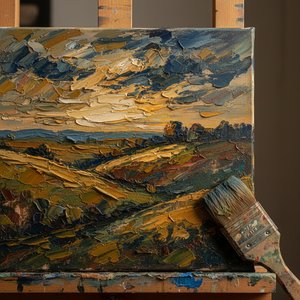
The Timeless Beauty of Oil on Canvas: A Masterclass in Texture, Impasto, and Artistic Mastery
Discover the profound allure of oil on canvas. Explore the mastery of impasto textures, the science of pigment longevity, and expert guides to selecting museum-quality reproductions that elevate your collection with timeless elegance and tactile depth.

