

 Vezi în context
 Trimite
 Distribuie
 Detalii
 Ghidul

 Descarcă
 Produse similare
 Radiografie
 Diaporama
 Statistici
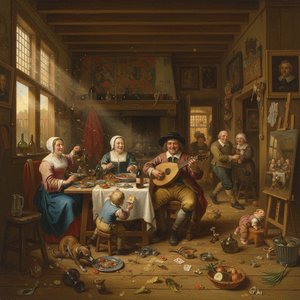
The procuress.

 Citește mai mult
Giclée / Imprimare artistică
Printuri giclée sau pe canvas de calitate muzeală, cu proces de producție rapid și opțiuni flexibile de finisare. ( Comandă pictură realizată manual Treci la imagine digitală)




P118B lei10

P118H lei10

P118W lei10

P438Z lei10

P508JH lei12

P508YH lei12

P805H lei10

P805Z lei10

P919BZ lei10

P919G lei10

P919XJ lei10

P959ZH lei10

P968JZ lei12

W106C lei8

W218G lei10

W218JH lei8

W218Y lei10

W307PJ lei10

W316G lei10

W316PJ lei8

W316Y lei10

W398PJ lei8

W4111J lei10

W500HY lei15

W500JH lei15

W692G lei12

W849H lei8

W940BG lei15

W953PJ lei8




Alegeți dintre dimensiunile noastre prestabilite, care respectă proporțiile originale ale operei de artă.

Introduceți lățimea și înălțimea de care aveți nevoie, pentru a se potrivi ramei sau peretelui dumneavoastră. O printare poate fi doar tăiată, niciodată extinsă dincolo de dimensiunea imaginii originale, astfel încât o dimensiune cu o formă diferită va pierde o parte din imagine. Vă trimitem o simulare digitală pentru aprobare înainte de a imprima orice. Imaginea afișată pe această pagină nu prezintă tăierea reală — doar simularea arată acest lucru.
Livrare în întreaga lume () în 2 săptămâni, în loc de cele 4/5 săptămâni standard. (24 Octombrie)

Livrare expres gratuită la nivel mondial

Pânză de in premium

Asigurare completă pentru transport

Garanție de rambursare a taxelor vamale

Garanția fidelității culorilor

Politica de retur în 100 de zile (doar pentru defecte)

Garanție de rambursare 100%

Reducere pentru comenzi multiple
 Opțiunea cu sticlă este disponibilă doar pentru dimensiuni de sub 110 cm

The procuress.
Giclée / Imprimare artistică
Dimensiune reproducere
-


Preț total
lei 371
Biografie artist
Santi di Tito: A Counterpoint to Mannerism
Santi di Tito (1603 – 1661) emerged from the vibrant, tumultuous artistic landscape of late Renaissance and early Baroque Rome, a period defined by intense stylistic debate. His life and career represent a fascinating case study in navigating evolving artistic conventions, ultimately forging a distinctive style that stands as a crucial bridge between Mannerism and the burgeoning naturalism of the Baroque. Born in Sansepolcro, a small town in Umbria, Santi’s early training remains somewhat shrouded in mystery, with accounts suggesting influences from figures like Bronzino and Baccio Bandinelli, though definitive proof is elusive. This lack of clear lineage contributed to his unique artistic trajectory – one that deliberately distanced itself from the established norms of the time.Early Career and Roman Apprenticeship
Santi’s journey to Rome in 1558 marked a pivotal moment, placing him within the heart of the city's artistic ferment. He spent nearly a decade working alongside Giovanni de’ Vecchi and Niccolò Circignani on monumental frescoes within the Palazzo Salviati and the Sala Grande of the Belvedere at the Vatican – projects that showcased the grandeur and complexity of Mannerist painting. These early commissions exposed Santi to the prevailing stylistic trends, characterized by elongated figures, complex spatial arrangements, and a deliberate emphasis on elegance and refinement. However, rather than simply absorbing these influences, Santi began to subtly reshape them, introducing a greater sense of naturalism and a more restrained palette. The frescoes in the Belvedere, particularly *Homage of the People*, reveal his growing interest in classical forms and a desire for clarity and balance – qualities that would become hallmarks of his later work.The Studiolo of Francesco I: A Defining Period
Santi’s most significant contribution to the Roman art scene occurred during his tenure at the Palazzo Vecchio, where he was commissioned to decorate the *Studiolo* (a private study) of Francesco I de' Medici, Grand Duke of Tuscany. This project proved transformative, solidifying Santi’s distinctive style and establishing him as a leading figure in the Counter-Mannerist movement. The two paintings created for this space – *Sisters of Phaeton* and *Hercules and Iole* – exemplify his innovative approach. Unlike the crowded, theatrical compositions typical of Mannerism, Santi's works are characterized by a remarkable clarity of form, a carefully considered use of light and shadow, and a focus on idealized beauty. He deliberately avoided the excessive ornamentation and artificiality that had become associated with Mannerist painting, opting instead for a more restrained and harmonious aesthetic. This shift was consciously intended as a reaction against the prevailing *maniera* of artists like Bronzino and Federico Zuccari, whom he viewed as overly elaborate and lacking in genuine naturalism.A Reformist Style: Embracing Classical Ideals
Santi’s artistic philosophy can be understood within the broader context of the Counter-Reformation. The Catholic Church was actively seeking to reform its image and promote a more accessible form of religious art, one that emphasized clarity, piety, and emotional engagement. Santi's work reflects this desire for renewal, moving away from the complex intellectualism of Mannerism towards a more direct and emotionally resonant style. He drew inspiration from classical antiquity, particularly the works of Raphael, seeking to emulate his sense of grace, harmony, and balance. This commitment to classical ideals is evident in his careful attention to proportion, his use of idealized figures, and his avoidance of excessive detail. As S. J. Freedberg noted, Santi’s style was “Raphaelesque,” a deliberate attempt to recapture the perceived purity and elegance of Raphael's art.Later Works and Legacy
Following his return to Florence in 1564, Santi continued to produce significant works throughout his career, including altarpieces for Santa Croce and frescoes for Volterra Cathedral. His *Resurrection of Lazarus* and *Supper at Emmaus*, particularly the latter, demonstrate his ability to convey profound emotion through subtle gestures and carefully rendered details. Despite his artistic achievements, Santi faced considerable financial difficulties, ultimately declaring bankruptcy in 1662. He died in poverty in 1661, largely unrecognized during his lifetime. However, his work gradually gained recognition in the 19th century, and today he is considered one of the most important figures in the Counter-Mannerist movement – a pivotal artist who helped to shape the course of European painting. His legacy lies not only in his individual masterpieces but also in his courageous challenge to established artistic conventions and his unwavering commitment to classical ideals.
Jan Gerritsz Van Bronchorst
1603 - 1661 , Netherlands
Informații rapide
- Full Name: Aert van der Neer
- Nationality: Dutch
- Date Of Birth: 1603
- Date Of Death: 1661
- Place Of Birth: Utrecht, Netherlands
- Notable Artworks:
- Moonlit Landscape
- Winter in Holland
- Artistic Movement Or Style: Landscape painting
- Artists Who Influenced This Artist: ['Rafel and Jochem Camphuysen']
- Artists Or Movements Influenced By This Artist:
- Terborch
- Metsu
Articole conexe

Rembrandt van Rijn: Cele Mai Frumoase 25 de Capodopere – Artă, Istorie și Decorațiuni Interioare
Descoperă cele mai frumoase 25 de picturi ale lui Rembrandt van Rijn! Explorează capodopere baroce, portrete emoționante și peisaje iconice. Reproduceri de artă de calitate muzeală pentru un design interior rafinat. Descoperă toate operele pe OriginalUniqueArt.com!

Golden Light & Dutch Skies: The Timeless Magic of Dutch Golden Age Landscapes
Discover the breathtaking beauty of Dutch Golden Age landscapes. Explore the mastery of light, chiaroscuro, and 17th-century realism through an expert art history lens, celebrating the enduring legacy of the Dutch Masters for discerning collectors and art lovers.

Masterpieces of Light: A Definitive Guide to the Landscapes of the Dutch Golden Age
Discover the luminous mastery of Dutch Golden Age landscapes. Our expert guide explores the atmospheric realism of masters like Van Goyen and Cuyp. Elevate your space with museum-quality, hand-painted oil reproductions from OriginalUniqueArt.com. Art history, beautifully realized.
Jan Steen: A Master of Dutch Genre Painting & the Golden Age
Explore the life & art of Jan Steen, a leading Dutch Golden Age painter renowned for his humorous genre scenes & insightful social commentary. Discover his techniques, legacy, and collecting tips.

Epoca de Aur Olandeză: 10 Capodopere Care Au Definit Arta și Decorațiunea Interioară
Descoperiți Epoca de Aur Olandeză prin 10 capodopere Rembrandt, Vermeer și alți pictori olandezi. Aflați poveștile din spatele acestor tablouri baroce iconice și inspirați-vă pentru decorațiuni interioare unice. Explorează colecția completă pe OriginalUniqueArt.com!