

 Previzualizare
 Trimite prin felicitare
 Distribuie
 Detalii despre lucrare
 Ghid
Ghid

 Descarcă imaginea
 Produse similare
 Radiografie
 Galerie foto
 Statistici
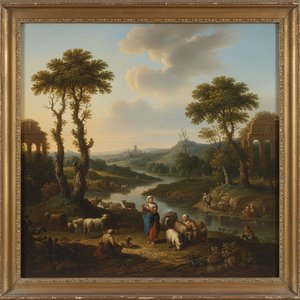
Italian Landscape
 Oil On Canvas
- WallArt
- Italianate Landscape
 31.0 x 40.0 cm
 Muzeul Fitzwilliam din Cambridge
 Vezi mai mult
Reproducere pictată manual în ulei
Pictură în ulei pe pânză, pictată manual de artiștii noștri la dimensiunea și ramele dorite de dumneavoastră, pe comandă. ( Comută pe versiunea Print Comută pe Imagine Digitală)




P118B lei10

P118H lei10

P118W lei10

P438Z lei10

P508JH lei12

P508YH lei12

P805H lei10

P805Z lei10

P919BZ lei10

P919G lei10

P919XJ lei10

P959ZH lei10

P968JZ lei12

W106C lei8

W218G lei10

W218JH lei8

W218Y lei10

W307PJ lei10

W316G lei10

W316PJ lei8

W316Y lei10

W398PJ lei8

W4111J lei10

W500HY lei15

W500JH lei15

W692G lei12

W849H lei8

W940BG lei15

W953PJ lei8




Alegeți dintre dimensiunile noastre prestabilite, care respectă proporțiile originale ale operei de artă.

Introduceți lățimea și înălțimea necesare pentru a se potrivi ramei sau peretelui dumneavoastră. Această lucrare este pictată manual, așa că, pentru o dimensiune cu o formă diferită, artistul poate picta puțin mai mult în jurul imaginii sau poate tăia puțin din margini — dumneavoastră decideți. Vă vom trimite o simulare digitală pentru aprobare înainte de a începe pictarea. Imaginea afișată pe această pagină nu reprezintă rezultatul real — doar simularea este reprezentativă.
După plasarea comenzii, echipa OriginalUniqueArt.com va contacta clientul prin e-mail pentru instrucțiuni și îi va furniza o previzualizare a machetei
Livrare în întreaga lume () în 3-4 săptămâni, în loc de cele 5 săptămâni standard. (26 Octombrie). Fără compromisuri în ceea ce privește calitatea.

Livrare expres gratuită la nivel mondial

Pânză de in de înaltă calitate

Asigurare completă pentru transport

Garanție de rambursare a taxelor vamale

Garanția fidelității culorilor

Politica de retur în 100 de zile (doar pentru defecte de fabricație)

Garanție de rambursare 100%

Ofertă pentru comenzi multiple
 Opțiunea cu sticlă este disponibilă doar pentru dimensiuni de sub 110 cm

Italian Landscape
Tehnică de reproducere
Dimensiune reproducere
-


Preț total calculat
lei 1389
A Glimpse of Italian Pastoral: Jan Asselijn’s “Italian Landscape”
Jan Asselijn's "Italian Landscape," painted circa 1625-1652, isn’t merely a depiction of a picturesque vista; it’s an invitation to step into a carefully constructed world of serene beauty and subtle drama. This oil on canvas transports the viewer to a hypothetical Italian landscape – a deliberate choice by Asselijn that speaks volumes about the evolving artistic sensibilities of the Dutch Golden Age. The painting, now housed in collections like Bonhams, exemplifies the influence of both the Venetian masters and the burgeoning tradition of “pure” landscape painting emerging from Italy itself.
Asselijn’s style is distinctly characterized by a meticulous attention to detail and a masterful command of atmospheric perspective. He leans heavily into the techniques pioneered by Bamboccio – a contemporary painter known for his evocative, almost dreamlike landscapes – creating an image that feels both familiar and subtly unsettling. The composition unfolds with deliberate grace: a modest, classically-inspired building anchors the left foreground, its geometric solidity providing a grounding element against the undulating hills and hazy distance. The artist skillfully employs a muted palette of browns, ochres, and blues, avoiding bright colors to emphasize the painting’s contemplative mood. This restrained approach allows the subtle shifts in tone – from the dark shadows cast by distant trees to the luminous highlights reflecting off water – to create a remarkably convincing sense of depth and atmosphere.
The Influence of Venetian Masters and Italianate Tradition
Asselijn's work is deeply rooted in the artistic currents flowing through Italy at the time. He was profoundly influenced by the Venetian landscape painters, particularly those who favored a looser, more atmospheric style than their predecessors. However, unlike many of his contemporaries who simply copied Italian scenes directly, Asselijn imbued them with a distinctly Dutch sensibility – a focus on light, texture, and a carefully considered composition. This blending of influences is evident in the painting’s balanced structure, its subtle use of color, and its overall sense of quiet contemplation.
Furthermore, “Italian Landscape” reflects the broader trend toward what became known as "Italianate landscape" within Dutch art circles. This style sought to emulate the idealized landscapes depicted by artists like Claude Lorrain, who had established a dominant visual language for representing Italian scenery in Northern Europe. Asselijn’s painting isn't a literal transcription of an Italian vista; rather, it’s a carefully constructed fantasy – a “imaginary Italian Landscape” as described in some historical sources – designed to evoke the spirit and beauty of Italy while adhering to Dutch artistic conventions.
Symbolism and Emotional Resonance
Beyond its technical merits, "Italian Landscape" is rich in symbolic meaning. The solitary building, often interpreted as a villa or farmhouse, suggests themes of rural life, tranquility, and perhaps even isolation. The distant mountains, shrouded in mist, evoke a sense of mystery and the sublime – a recognition of nature’s power and grandeur. The figures scattered across the foreground, riding horses and walking along the riverbank, add a touch of human presence to the scene, reminding us of our connection to the natural world.
The painting's overall effect is one of profound serenity and contemplative beauty. It invites the viewer to slow down, to appreciate the subtle details of the landscape, and to lose themselves in its timeless atmosphere. It’s a testament to Asselijn’s skill as an artist – his ability to capture not just the appearance of a scene but also its emotional essence.
A Reproduction for Today's Spaces
Reproductions of “Italian Landscape” offer a beautiful addition to any interior space. The painting’s calming colors and evocative imagery create a sense of tranquility and sophistication, making it ideal for living rooms, bedrooms, or studies. The detailed depiction of the landscape invites contemplation and provides a visual connection to the natural world – a welcome respite from the stresses of modern life. Consider framing this piece in a classic wooden frame to further enhance its timeless appeal.
Întrebări și răspunsuri
Ce paletă și ce emoție transmite "Italian Landscape"?
Paleta Dark a operei "Italian Landscape" de Jan Asselijn se armonizează cu tonul său Melancholic. Culoarea este una dintre modalitățile prin care o lucrare transmite emoție.
Ce subiect și ce atmosferă surprinde "Italian Landscape" de Jan Asselijn?
„Italian Landscape” surprinde landscape, figures, ruin, italy, asselijn, pastoral, tranquility, scenic, având o atmosferă Calm.
"Italian Landscape" de Jan Asselijn este o operă de artă luminoasă sau întunecată?
În general, "Italian Landscape" este înregistrată ca având o shadow. Luminozitatea percepută descrie cât de deschisă sau întunecată pare lucrarea.
Biografie artist
A Life Forged in Landscape: The World of Jan Asselijn
Born Jean Asselin around 1610 in Dieppe, France, Jan Asselijn’s life unfolded against the backdrop of turbulent religious times and a burgeoning artistic revolution. His family, Huguenots fleeing persecution, relocated to Amsterdam in 1621 – a city pulsating with commercial energy and brimming with creative fervor during the Dutch Golden Age. This move proved transformative, immersing young Jean into an environment where landscape painting was undergoing a dramatic metamorphosis, moving beyond mere representation toward scenes imbued with palpable atmosphere and profound emotional resonance. Initially apprenticed under Jan Martszen the Younger, he honed his skills in battle paintings before discovering his true passion: capturing the splendor of both natural vistas and animal life – pursuits that would define his artistic trajectory.Early Training & The Influence of Martszen
Jan Martszen the Younger’s tutelage instilled in Asselijn a disciplined approach to technique, particularly evident in his masterful depictions of military engagements. However, it was Martszen's emphasis on capturing dynamic movement and conveying psychological intensity that truly ignited Asselijn’s imagination. This formative experience prepared him for his subsequent exploration of landscape painting – an art form increasingly concerned with portraying not just what was seen but also how it felt to be present in the natural world. The Dutch light, characterized by its diffused brilliance and expansive skies, quickly became a cornerstone of Asselijn's artistic vision—a characteristic that would distinguish his oeuvre from many of his contemporaries.The Italianate Journey & The Bentvueghels
Driven by an ambition to refine his craft and absorb the stylistic innovations of Italy’s leading artists, Asselijn embarked on a pilgrimage around 1635. He joined the *Bentvueghels*, a remarkable society comprised of Dutch and Flemish painters operating in Rome – individuals who defied convention with their unorthodox behavior, playful nicknames, and unwavering commitment to painting directly from observation. Rejecting studio practice altogether, they embraced spontaneity and sought inspiration in the immediacy of life itself. Within this vibrant community, Asselijn earned the moniker “Krabbetje” (“little crab”) due to a congenital deformity affecting his hand—a physical impediment that paradoxically fueled his creativity. He absorbed the influence of artists like Pieter van Laer (Bamboccio), whose depictions of Roman peasant life and landscapes resonated deeply with Asselijn’s evolving aesthetic sensibilities. This period solidified his ability to convey emotion and atmosphere, shaping him into a master of visual storytelling.Style & Technique: Light, Color & Narrative
Asselijn's artistic style is instantly recognizable for its luminous quality—a hallmark of the Italianate tradition that he wholeheartedly embraced. He skillfully manipulated light and color to create scenes brimming with drama and imbued with psychological depth. His brushstrokes are precise yet fluid, conveying both textural detail and subtle nuances of emotion. Like Rembrandt, Asselijn prioritized capturing the essence of his subjects rather than merely replicating their appearance—a testament to his profound understanding of artistic principles. He excelled in portraying animals with remarkable accuracy and sensitivity, demonstrating a keen observational skill honed through years of meticulous study.Notable Works & Legacy
Jan Asselijn’s oeuvre comprises numerous masterpieces that continue to captivate audiences today. Among the most celebrated is The Threatened Swan (circa 1640), an allegorical depiction of Dutch resistance against external threats—a painting imbued with symbolic significance and interpreted as a powerful emblem of national fortitude. Its dramatic composition, masterful use of light, and evocative portrayal of vulnerability cemented Asselijn’s reputation as one of the era's foremost landscape painters. Other significant works include Cavalry Charge at Sunset (circa 1638), showcasing his early training in battle painting with impressive dynamism; and The Breach of the Saint Anthony’s Dike near Amsterdam (circa 1650), which powerfully conveys the anxieties surrounding water management during a period of crisis—a testament to Asselijn's ability to capture pivotal moments in history. His influence extended beyond his own output, inspiring subsequent generations of artists and establishing him as a cornerstone of Dutch Baroque art. He died prematurely in Amsterdam in 1652, leaving behind an enduring legacy—one characterized by beauty, innovation, and a profound engagement with the human condition.
Jan Asselijn
1610 - 1652 , Franța
Detalii rapide
- Artistic Movement Or Style: Italianate landscape
- Artists Who Influenced This Artist:
- Esaias van de Velde
- Pieter van Laer
- Rembrandt
- Date Of Birth: 1610
- Date Of Death: 1652
- Full Name: Jan Asselin
- Nationality: Dutch
- Notable Artworks:
- The Threatened Swan
- Hangout in Italy
- Cavalry Charge at Sunset
- Place Of Birth: Dieppe, France
Articole similare

Mastering Light & Land: An Art Historian's Guide to the Dutch Golden Age Landscape
Explore the breathtaking mastery of Dutch Golden Age landscapes. From Italianate light to atmospheric realism, discover the techniques of 17th-century masters and learn how to bring these timeless, museum-quality masterpieces into your home through expert oil reproductions.

Epoca de Aur Olandeză: 10 Capodopere Care Au Definit Arta și Decorațiunea Interioară
Descoperiți Epoca de Aur Olandeză prin 10 capodopere Rembrandt, Vermeer și alți pictori olandezi. Aflați poveștile din spatele acestor tablouri baroce iconice și inspirați-vă pentru decorațiuni interioare unice. Explorează colecția completă pe OriginalUniqueArt.com!

Golden Light & Dutch Skies: The Timeless Magic of Dutch Golden Age Landscapes
Discover the breathtaking beauty of Dutch Golden Age landscapes. Explore the mastery of light, chiaroscuro, and 17th-century realism through an expert art history lens, celebrating the enduring legacy of the Dutch Masters for discerning collectors and art lovers.

Golden Light & Dutch Skies: Bringing the Magic of Dutch Golden Age Landscapes into Your Home
Transform your home with the breathtaking light of Dutch Golden Age landscapes. Discover how hand-painted oil reproductions of masterworks like Ruisdael and Vermeer bring timeless elegance, atmosphere, and soulful texture to modern interiors. Elevate your space with museum-quality art.
Nicolaes Berchem: Dutch Golden Age Pastoralism & the Evolution of Landscape Painting
Explore the captivating world of Nicolaes Berchem, a leading Dutch Golden Age painter. Discover his idyllic landscapes, masterful technique & lasting influence on art history. Learn more at OriginalUniqueArt.
