

 Vezi în context
 Trimite
 Distribuie
 Detalii
 Ghidul

 Descarcă
 Produse similare
 Radiografie
 Diaporama
 Statistici
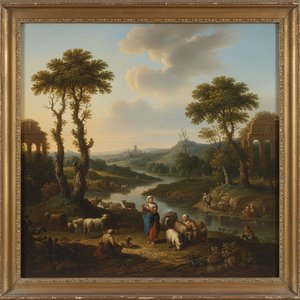
Imaginary Italian Landscape


 Citește mai mult
Reproducere pictată manual în ulei
Pictură în ulei pe pânză, realizată manual de artiștii noștri la dimensiunea și ramele dorite de dumneavoastră, pe comandă. ( Comută pe versiunea Print Treci la imagine digitală)




P118B $10

P118H $10

P118W $10

P438Z $10

P508JH $12

P508YH $12

P805H $10

P805Z $10

P919BZ $10

P919G $10

P919XJ $10

P959ZH $10

P968JZ $12

W106C $8

W218G $10

W218JH $8

W218Y $10

W307PJ $10

W316G $10

W316PJ $8

W316Y $10

W398PJ $8

W4111J $10

W500HY $15

W500JH $15

W692G $12

W849H $8

W940BG $15

W953PJ $8




Alegeți dintre dimensiunile noastre prestabilite, care respectă proporțiile originale ale operei de artă.

Puteți introduce propriile dimensiuni pentru a se potrivi unui anumit cadru sau spațiu. Dacă dimensiunea selectată nu corespunde proporțiilor imaginii originale, vom decupa opera de artă sau vom extinde pictura cu elemente suplimentare pictate manual. O simulare digitală vă va fi trimisă pentru aprobare înainte de începerea producției.
Vă rugăm să rețineți că previzualizarea de pe ecran nu reflectă decuparea sau extinderea reală. Doar macheta va arăta cu exactitate compoziția finală.
Deși sunt disponibile dimensiuni personalizate, vă recomandăm să selectați o dimensiune din lista predefinită pentru a păstra proporțiile originale.
După plasarea comenzii, echipa OriginalUniqueArt.com va contacta clientul prin e-mail pentru instrucțiuni și îi va furniza o previzualizare a machetei
Livrare în întreaga lume () în 3-4 săptămâni, în loc de cele 5 săptămâni standard. (26 Septembrie). Fără compromisuri în ceea ce privește calitatea.

Livrare expres gratuită la nivel mondial

Pânză de in premium

Asigurare completă pentru transport

Garanție de rambursare a taxelor vamale

Garanția fidelității culorilor

Politica de retur în 100 de zile (doar pentru defecte)

Garanție de rambursare 100%

Reducere pentru comenzi multiple
 Opțiunea cu sticlă este disponibilă doar pentru dimensiuni de sub 110 cm

Imaginary Italian Landscape
Tip de reproducere
Dimensiune reproducere
-


Preț total
$ 300
Jan Asselijn’s Imaginary Italian Landscape: A Reflection of Faith and Artistic Innovation
The year is 1652. Amsterdam thrives as a center of artistic brilliance, yet Jan Asselijn’s gaze turned south – specifically to Italy – where he embarked on a transformative journey that irrevocably shaped his artistic sensibilities and cemented his place within the pantheon of Dutch Golden Age painters.
Asselijn's work embodies the spirit of the era, capturing not merely visual beauty but also profound emotional resonance. “Imaginary Italian Landscape,” housed in private collections worldwide, exemplifies this characteristic. It’s a scene brimming with life – figures strolling along a waterfront promenade amidst statues and accompanied by dogs, all bathed in the diffused glow of an expansive sky dotted with clouds.
Style and Technique: Embracing Atmospheric Perspective
Unlike the rigid conventions of earlier Baroque landscapes, Asselijn eschewed dramatic chiaroscuro—the stark contrasts between light and dark—favoring instead a technique that prioritizes atmospheric perspective. This masterful approach skillfully renders depth and distance through subtle gradations of color and tonal variation. Notice how blues deepen into indigo as they recede into the background, creating an illusion of vastness and conveying a sense of serenity.
Historical Context: The Huguenot Diaspora and Artistic Renaissance
Asselijn’s artistic development coincided with the turbulent period of Huguenot emigration from France. Forced to flee religious persecution, his family sought refuge in Amsterdam, exposing him to an environment acutely aware of intellectual ferment and artistic revival. This backdrop fueled Asselijn's fascination with Italian landscape painting—a genre that had experienced a resurgence during the Renaissance, championed by artists like Leonardo da Vinci and Raphael.
The influence of these masters is palpable in Asselijn’s composition. The careful placement of statues – symbols of classical ideals – underscores the humanist ethos prevalent at the time. Furthermore, the inclusion of dogs—often interpreted as emblems of loyalty and companionship—adds a layer of narrative complexity to the scene.
Symbolism: Light, Tranquility, and Spiritual Reflection
Beyond its visual splendor, “Imaginary Italian Landscape” speaks volumes about Asselijn’s artistic vision. The dominant use of light – soft, diffused, reminiscent of Florentine skies – symbolizes enlightenment and spiritual contemplation. It invites the viewer to pause and appreciate the beauty of the natural world as a reflection of divine grace.
The tranquil promenade depicted suggests an idealized vision of human existence—a harmonious coexistence with nature underpinned by moral virtue. Asselijn’s ability to convey such profound emotion through meticulous observation and skillful execution distinguishes him as one of the most accomplished landscape painters of his generation.
Biografie artist
A Life Forged in Landscape: The World of Jan Asselijn
Born Jean Asselin around 1610 in Dieppe, France, Jan Asselijn’s life unfolded against the backdrop of turbulent religious times and a burgeoning artistic revolution. His family, Huguenots fleeing persecution, relocated to Amsterdam in 1621 – a city pulsating with commercial energy and brimming with creative fervor during the Dutch Golden Age. This move proved transformative, immersing young Jean into an environment where landscape painting was undergoing a dramatic metamorphosis, moving beyond mere representation toward scenes imbued with palpable atmosphere and profound emotional resonance. Initially apprenticed under Jan Martszen the Younger, he honed his skills in battle paintings before discovering his true passion: capturing the splendor of both natural vistas and animal life – pursuits that would define his artistic trajectory.Early Training & The Influence of Martszen
Jan Martszen the Younger’s tutelage instilled in Asselijn a disciplined approach to technique, particularly evident in his masterful depictions of military engagements. However, it was Martszen's emphasis on capturing dynamic movement and conveying psychological intensity that truly ignited Asselijn’s imagination. This formative experience prepared him for his subsequent exploration of landscape painting – an art form increasingly concerned with portraying not just what was seen but also how it felt to be present in the natural world. The Dutch light, characterized by its diffused brilliance and expansive skies, quickly became a cornerstone of Asselijn's artistic vision—a characteristic that would distinguish his oeuvre from many of his contemporaries.The Italianate Journey & The Bentvueghels
Driven by an ambition to refine his craft and absorb the stylistic innovations of Italy’s leading artists, Asselijn embarked on a pilgrimage around 1635. He joined the *Bentvueghels*, a remarkable society comprised of Dutch and Flemish painters operating in Rome – individuals who defied convention with their unorthodox behavior, playful nicknames, and unwavering commitment to painting directly from observation. Rejecting studio practice altogether, they embraced spontaneity and sought inspiration in the immediacy of life itself. Within this vibrant community, Asselijn earned the moniker “Krabbetje” (“little crab”) due to a congenital deformity affecting his hand—a physical impediment that paradoxically fueled his creativity. He absorbed the influence of artists like Pieter van Laer (Bamboccio), whose depictions of Roman peasant life and landscapes resonated deeply with Asselijn’s evolving aesthetic sensibilities. This period solidified his ability to convey emotion and atmosphere, shaping him into a master of visual storytelling.Style & Technique: Light, Color & Narrative
Asselijn's artistic style is instantly recognizable for its luminous quality—a hallmark of the Italianate tradition that he wholeheartedly embraced. He skillfully manipulated light and color to create scenes brimming with drama and imbued with psychological depth. His brushstrokes are precise yet fluid, conveying both textural detail and subtle nuances of emotion. Like Rembrandt, Asselijn prioritized capturing the essence of his subjects rather than merely replicating their appearance—a testament to his profound understanding of artistic principles. He excelled in portraying animals with remarkable accuracy and sensitivity, demonstrating a keen observational skill honed through years of meticulous study.Notable Works & Legacy
Jan Asselijn’s oeuvre comprises numerous masterpieces that continue to captivate audiences today. Among the most celebrated is The Threatened Swan (circa 1640), an allegorical depiction of Dutch resistance against external threats—a painting imbued with symbolic significance and interpreted as a powerful emblem of national fortitude. Its dramatic composition, masterful use of light, and evocative portrayal of vulnerability cemented Asselijn’s reputation as one of the era's foremost landscape painters. Other significant works include Cavalry Charge at Sunset (circa 1638), showcasing his early training in battle painting with impressive dynamism; and The Breach of the Saint Anthony’s Dike near Amsterdam (circa 1650), which powerfully conveys the anxieties surrounding water management during a period of crisis—a testament to Asselijn's ability to capture pivotal moments in history. His influence extended beyond his own output, inspiring subsequent generations of artists and establishing him as a cornerstone of Dutch Baroque art. He died prematurely in Amsterdam in 1652, leaving behind an enduring legacy—one characterized by beauty, innovation, and a profound engagement with the human condition.
Jan Asselijn
1610 - 1652 , Franța
Informații rapide
- Artistic Movement Or Style: Italianate landscape
- Artists Who Influenced This Artist:
- Esaias van de Velde
- Pieter van Laer
- Rembrandt
- Date Of Birth: 1610
- Date Of Death: 1652
- Full Name: Jan Asselin
- Nationality: Dutch
- Notable Artworks:
- The Threatened Swan
- Hangout in Italy
- Cavalry Charge at Sunset
- Place Of Birth: Dieppe, France
Articole conexe

Mastering Light & Land: An Art Historian's Guide to the Dutch Golden Age Landscape
Explore the breathtaking mastery of Dutch Golden Age landscapes. From Italianate light to atmospheric realism, discover the techniques of 17th-century masters and learn how to bring these timeless, museum-quality masterpieces into your home through expert oil reproductions.
Nicolaes Berchem: Dutch Golden Age Pastoralism & the Evolution of Landscape Painting
Explore the captivating world of Nicolaes Berchem, a leading Dutch Golden Age painter. Discover his idyllic landscapes, masterful technique & lasting influence on art history. Learn more at OriginalUniqueArt.

Golden Light & Dutch Skies: The Timeless Magic of Dutch Golden Age Landscapes
Discover the breathtaking beauty of Dutch Golden Age landscapes. Explore the mastery of light, chiaroscuro, and 17th-century realism through an expert art history lens, celebrating the enduring legacy of the Dutch Masters for discerning collectors and art lovers.

Golden Light & Dutch Skies: Bringing the Magic of Dutch Golden Age Landscapes into Your Home
Transform your home with the breathtaking light of Dutch Golden Age landscapes. Discover how hand-painted oil reproductions of masterworks like Ruisdael and Vermeer bring timeless elegance, atmosphere, and soulful texture to modern interiors. Elevate your space with museum-quality art.

Epoca de Aur Olandeză: 10 Capodopere Care Au Definit Arta și Decorațiunea Interioară
Descoperiți Epoca de Aur Olandeză prin 10 capodopere Rembrandt, Vermeer și alți pictori olandezi. Aflați poveștile din spatele acestor tablouri baroce iconice și inspirați-vă pentru decorațiuni interioare unice. Explorează colecția completă pe OriginalUniqueArt.com!
