

 Previzualizare
 Trimite prin felicitare
 Distribuie
 Detalii despre lucrare
 Ghid
Ghid

 Descarcă imaginea
 Produse similare
 Radiografie
 Galerie foto
 Statistici
Lieu dit II (rot)
 Oil
Oil- WallArt
- Contemporary Art
 1989
1989- Contemporary
 218.0 x 314.0 cm
 Lentos Kunstmuseum Linz
 Vezi mai mult
Lucrarea de artă afișată pe această pagină este protejată de legile privind drepturile de autor, ceea ce înseamnă că nu putem crea sau vinde în mod legal o reproducere identică. Această protecție este garantată prin acorduri internaționale, precum Convenția de la Berna și de legile naționale, inclusiv cele prevăzute de Legea dreptului de autor din S.U.A. – Titlul 17. Toate drepturile rezervate. Orice reproducere neautorizată este interzisă.
Această metodă respectă pe deplin reglementările privind drepturile de autor, deoarece nu implică copierea sau duplicarea operei protejate. În schimb, este o reinterpretare creativă – o pictură nouă, influențată de original, dar care nu este identică cu acesta.
Giclée / Imprimare artistică
Printuri giclée sau pe canvas de calitate muzeală, cu proces de producție rapid și opțiuni flexibile de finisare. ( Comandă pictură realizată manual Comută pe Imagine Digitală)




































Alegeți dintre dimensiunile noastre prestabilite, care respectă proporțiile originale ale operei de artă.

Introduceți lățimea și înălțimea necesare pentru a se potrivi ramei sau peretelui dumneavoastră. O printare poate fi doar tăiată, niciodată extinsă dincolo de dimensiunea imaginii originale, astfel încât o dimensiune cu o formă diferită va pierde o parte din imagine. Vă trimitem o simulare digitală pentru aprobare înainte de a imprima orice. Imaginea afișată pe această pagină nu prezintă tăierea reală — doar simularea arată acest lucru.
Livrare în întreaga lume () în 2 săptămâni, în loc de cele 4/5 săptămâni standard. (27 Octombrie)

Livrare expres gratuită la nivel mondial

Pânză de in de înaltă calitate

Asigurare completă pentru transport

Garanție de rambursare a taxelor vamale

Garanția fidelității culorilor

Politica de retur în 100 de zile (doar pentru defecte de fabricație)

Garanție de rambursare 100%

Ofertă pentru comenzi multiple
 Opțiunea cu sticlă este disponibilă doar pentru dimensiuni de sub 110 cm

Lieu dit II (rot)
Giclée / Imprimare artistică
Dimensiune reproducere
-


Preț total calculat
lei 370
A Symphony of Crimson Chaos
In the vast, immersive expanse of Lieu dit II (rot), the viewer is immediately plunged into a visceral, monochromatic world where color ceases to be merely a pigment and becomes an environment. Created in 1989 by the enigmatic German artist Jan Appel, this monumental oil painting—measuring a staggering 218 x 314 cm—commands the space it inhabits with an unapologetic intensity. The work is a masterclass in the use of red, utilizing a spectrum of scarlet, crimson, and deep vermilion to create a textured landscape that feels both tactile and atmospheric. At first glance, the composition presents a sense of profound disarray, as if a moment of creative destruction has been frozen in time. Scattered across the canvas are fragments of red fabric, scraps of paper, and even the sharp, metallic presence of scissors, all layered within a sea of crimson that blurs the line between painting and assemblage.
The technique employed by Appel in this late-career masterpiece suggests a deep engagement with the physical properties of his medium. Rather than seeking a smooth, illusionistic finish, the artist embraces the raw, sculptural quality of oil paint combined with mixed media elements. The way the fabric pieces interact with the painted surface creates a rhythmic, almost percussive visual texture, drawing the eye through a labyrinth of folds and edges. This approach evokes the spirit of late 20th-century abstraction, where the act of creation is as much about the physical struggle with materials as it is about the final image. For the collector or interior designer, this piece offers a profound sense of depth; its sheer scale and complex layering allow it to serve as a powerful focal point that changes character depending on the light and the angle of observation.
Historical Echoes and Emotional Resonance
To understand the turbulent energy of Lieu dit II (rot), one must consider the historical weight carried by Jan Appel. Though often remembered for his revolutionary political activism in early 20th-century Germany, Appel’s later artistic output reflects a lifetime of navigating social and structural upheaval. The "chaos" within this painting—the scattered remnants and the sense of fragmentation—can be read as a metaphor for the fractured nature of modern existence and the beautiful, messy process of reconstruction. There is a profound tension between the destruction suggested by the discarded scraps and the vibrant, life-affirming power of the red hue itself. It is an artwork that does not merely sit on a wall; it breathes with a restless, revolutionary spirit.
For those looking to integrate such a commanding work into a curated space, Lieu dit II (rot) offers unparalleled emotional impact. In a contemporary interior, this reproduction serves as a bold statement of sophistication and intellectual depth. It provides a warm yet provocative energy that can anchor a minimalist room or add a layer of complex history to a more traditional setting. The painting invites contemplation, prompting the viewer to find order within the disorder and beauty within the fragments. Owning a piece of this magnitude is an opportunity to possess a fragment of German art history—a work that captures the raw, unyielding pulse of human expression.
Întrebări și răspunsuri
Ce origine națională stă la baza Contemporary Art-ului din "Lieu dit II (rot)"?
Lucrarea de Contemporary Art „Lieu dit II (rot)” a fost creată de un artist născut în Germania.
„Lieu dit II (rot)” are o previzualizare în realitate augmentată?
Poți vizualiza "Lieu dit II (rot)" de Jan Appel pe propriul tău perete folosind pagina Previzualizare în AR a operei de artă, prin intermediul realității augmentate pe un dispozitiv compatibil.
În ce cameră ar recomandați să amplasați "Lieu dit II (rot)" de Jan Appel, având în vedere culorile sale?
Paleta de culori Dark din "Lieu dit II (rot)" de Jan Appel se armonizează perfect cu spațiul recomandat: un Coworking.
Biografie artist
Spiritul Revoluționar al lui Jan Appel
Jan Appel, o figură a cărei viață a fost indisolubil împletită în țesătura turbulentă a Germaniei de la începutul secolului XX, rămâne unul dintre cei mai enigmatici protagoniți ai istoriei. Născut în 1890 în Mecklenburg, Germania, parcursul său a fost modelat de focul agitațiilor politice și de greutatea industriei navale. Deși este adesea reținut prin prisma activismului său radical, identitatea lui Appel era o tapiserie complexă, formată din intelectualismul proletar și teoria revoluționară. Anii săi timpurii au fost definiți de un angajament profund față de schimbarea socială, devenind membru al SPD în 1908 și, ulterior, o voce proeminentă în cadrul mișcării Comuniste de Stânga. Ecourile Revoluției Germane din 1918 rezonează puternic în biografia sa, marcându-l ca pe un om care nu s-a limitat doar la a observa istoria, ci a căutat activ să îi îndrădrădicească cursul.
Viața sa a fost caracterizată printr-o căutare neobosită a clarității ideologice și a acțiunii. De la perioada serviciului militar până la munca depusă la șantierul naval Vulcan Werft Hamburg, Appel a trăit în inima luptei de clasă. A fost un om al mișcării — atât politice, cât și fizice — participând în mod remarcabil la valurile de grevă care cereau pace și justiție în urma Marelui Război. Implicarea sa în Liga Spartacistă și în KPD, precum și rolul său de președinte al Comitetului Revoluționar de Delegați în Fabrici, l-au plasat în centrul celor mai intense dezbateri politice ale epocii sale. Chiar și faptele sale îndrăznețe, precum deturnarea unui vapor cu aburi pentru a ajunge în Rusia în numele KAPD, servesc drept repere legendare ale unei vieți trăite în defiață față de ordinea stabilită.
Expresia Artistică în Mijlocul Agitației
Deși este recunoscut în principal pentru activitățile sale revoluționare și contribuțiile teoretice, Jan Appel poseda o latură artistică ce oferea o fereastră diferită către sufletul său. În calitate de pictor, el a utilizat pânza pentru a exprima viziunile profunde, modelate de era tumultuoasă în care a trăit. Arta sa nu a fost un simplu hobby, ci un mediu prin care realitățile viscerale ale revoluției și ale convulsiei sociale puteau fi reflectate. În opera sa, se regăsesc ecourile unui om care încerca să surprindă esența unei lumi în continuă schimbare, traducând haosul luptei politice într-o formă vizuală.
Scarcitatea lucrărilor documentate ale lui Appel îi adaugă mister, transformând fiecare piesă într-un fragment prețios al unei narațiuni mai largi și mai complexe. Picturile sale servesc drept mărturie a intersecției dintre artă și activism, unde pensula devine o extensie a manifestului politic. Deși s-ar putea să nu fi obținut recunoașterea pe scară largă a maeștrilor tradiționali, capacitatea sa de a canaliza spiritul Germaniei de la începutul secolului XX prin prisma lentilei sale estetice îi asigură locul în dialogul istoric dintre creativitate și convingere.
Un Moștenire a Rezistenței și a Reflecției
Moștenirea lui Jan Appel este una de o profunzime complexă, făcând puntea între șantierul naval și atelier, între teorie și experiența trăită. Viața sa servește ca un studiu vital al moștenirii revoluționare germane, ilustrând modul în care convingerea personală poate împinge un individ să participe la cele mai semnificative schimbări ale timpului său. Prin autobiografia sa și prin intervențiile sale politice documentate, obținem o privire asupra minții unui om care privea lumea prin dualitatea luptei de clasă și a reflecției artistice.
Astăzi, povestea lui Appel continuă să intrigue atât istoricii, cât și iubitorii de artă. El rămâne o figură esențială pentru înțelegerea naturii multifacetate a identității germane în perioada revoluționară. Indiferent dacă este privit ca teoretician, activist sau pictor, Jan Appel stă ca un simbol al puterii durabile a spiritului uman de a căuta sens și justiție în cele mai turbulente curenți istorici.

Jan Appel
1890 - 1985 , Germania
Detalii rapide
- Date Of Birth: 1890
- Date Of Death: 1985
- Full Name: Jan Appel
- Nationality: German
- Notable Artworks: ['Lieu dit II (rot)']
- Note: Jan Appel a fost un revoluționar și pictor german.
- Place Of Birth: Bremen, Germania
Articole similare

Top 10 Capodopere ale Expresionismului Abstract: Artă, Artiști și Decorațiuni de Lux | OriginalUniqueArt.ro
Descoperă Top 10 capodopere ale Expresionismului Abstract! Explorează poveștile lui Pollock, Rothko și De Kooning. Reproduceri de artă de lux & inspirație decor pe OriginalUniqueArt.ro. Găsește pictura perfectă pentru spațiul tău!

Cele mai importante 10 capodopere ale abstracției geometrice | Artă & Decor de lux pe OriginalUniqueArt.com
Descoperă cele mai importante 10 capodopere ale abstracției geometrice! Explorează istoria, artiștii (Mondrian, Kandinsky) și culorile vibrante care au definit arta modernă. Reproduceri de tablouri de lux pe OriginalUniqueArt.com pentru un decor interior rafinat. Explorează colecția online!
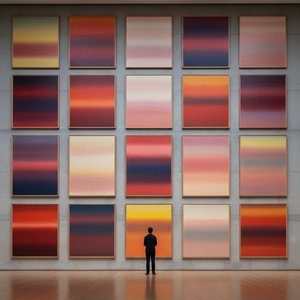
Mark Rothko: Cele Mai Iconice 25 De Capodopere – Artă Abstractă pentru Decor Rafinat
Descoperă cele mai iconice 25 de picturi abstracte ale lui Mark Rothko! Explorează istoria, culorile și emoțiile din spatele fiecărei capodopere. Reproduceri artă de calitate muzeală & inspirație decor pe OriginalUniqueArt.com.

Crimson Threads of Narrative: Exploring Symbolism & Representation in Artworks Featuring the Red Dress
Explore the rich symbolism of the red dress in art history! From ancient power displays to iconic portraits like Cézanne’s 'Madame Cezanne', discover the cultural and artistic significance behind this captivating color. Expert analysis & insights.

Wassily Kandinsky: Cele Mai Iconice 25 De Opere – Artă Abstractă pentru Decor Rafinat
Descoperă cele mai emblematice 25 de opere ale lui Wassily Kandinsky, pionierul artei abstracte! Explorează culorile vibrante, compozițiile unice și istoria fascinantă din spatele fiecărei picturi. Reproduceri de calitate muzeală pe OriginalUniqueArt.com – inspiră-ți decorul cu artă modernă!