
 Previzualizare
 Trimite prin felicitare
 Distribuie
 Detalii despre lucrare
 Ghid
Ghid

 Descarcă imaginea
 Produse similare
 Radiografie
 Galerie foto
 Întrebări și răspunsuri
 Statistici
Anna Kull

- 77.0 x 55.0 cm


 Vezi mai mult
Giclée / Imprimare artistică
Printuri giclée sau pe canvas de calitate muzeală, cu proces de producție rapid și opțiuni flexibile de finisare. ( Comandă pictură realizată manual Comută pe Imagine Digitală)




































Alegeți dintre dimensiunile noastre prestabilite, care respectă proporțiile originale ale operei de artă.

Introduceți lățimea și înălțimea necesare pentru a se potrivi ramei sau peretelui dumneavoastră. O printare poate fi doar tăiată, niciodată extinsă dincolo de dimensiunea imaginii originale, astfel încât o dimensiune cu o formă diferită va pierde o parte din imagine. Vă trimitem o simulare digitală pentru aprobare înainte de a imprima orice. Imaginea afișată pe această pagină nu prezintă tăierea reală — doar simularea arată acest lucru.
Livrare în întreaga lume () în 2 săptămâni, în loc de cele 4/5 săptămâni standard. (8 Noiembrie)

Livrare expres gratuită la nivel mondial

Pânză de in de înaltă calitate

Asigurare completă pentru transport

Garanție de rambursare a taxelor vamale

Garanția fidelității culorilor

Politica de retur în 100 de zile (doar pentru defecte de fabricație)

Garanție de rambursare 100%

Ofertă pentru comenzi multiple
 Opțiunea cu sticlă este disponibilă doar pentru dimensiuni de sub 110 cm

Anna Kull
Giclée / Imprimare artistică
Dimensiune reproducere
-


Preț total calculat
lei 386
The Artist and His Work
James Smetham was a British artist known for his portraits and landscapes. His work often featured everyday people and scenes, imbued with a sense of intimacy and warmth. In Anna Kull, Smetham masterfully portrays a woman in a white dress, posing with confidence and elegance. The subject's hands on her hips and the book she holds suggest a sense of intelligence and refinement. Key elements of the painting include the beautifully rendered dining table, complete with cups, bowls, and other items, which adds to the overall sense of warmth and hospitality. The presence of two cats in the scene, one near the woman and another further away, adds a touch of whimsy and playfulness. A chair located close to the dining table completes the cozy atmosphere.Artistic Significance
The Anna Kull painting is not only a remarkable example of Smetham's skill but also a testament to the artistic movements of the time. The attention to detail, the use of color and light, and the overall composition all contribute to a work that is both visually stunning and emotionally engaging. For those interested in learning more about James Smetham and his work, visit the OriginalUniqueArt website to explore a wide range of handmade oil painting reproductions, including works by other notable artists such as Hedley Fitton. The Museum of Methodism also offers a wealth of information on its collection and exhibitions, providing a unique insight into the history of art and culture.To discover more about the artistic movements and styles that influenced James Smetham, visit the OriginalUniqueArt page dedicated to his work. For a deeper understanding of the artist's life and times, consult Wikipedia's entry on James Smetham.
- View more paintings by James Smetham at OriginalUniqueArt.
- Explore the collection at the John Wesley’s House - The Museum of Methodism.
- Learn about other artists and their works on Wikipedia.
Întrebări și răspunsuri
Cum se îmbină contrastul și armonia în "Anna Kull"?
Compoziția cromatică a operei "Anna Kull" de James Smetham îmbină un Bold contrast cu o Unified Palette armonie.
„Anna Kull” prezintă contraste puternice între lumină și întuneric?
"Anna Kull" de James Smetham prezintă un contrast Bold între zonele luminoase și cele întunecate.
Sub ce alte nume sau pseudonime este cunoscut James Smetham?
Alte nume înregistrate pentru James Smetham, creatorul operei „Anna Kull”, includ John Smetham, James Smyth.
Biografie artist
James Smetham: A Pre-Raphaelite Visionary Lost in the Shadows
James Smetham (1821-1889) remains a curiously compelling figure within the broader narrative of Victorian art, an artist whose profound talent and evocative imagery were largely overshadowed by personal struggles and a lack of consistent recognition. Born into a deeply religious family – his father a prominent Wesleyan Methodist minister in Yorkshire – Smetham’s early life was steeped in both artistic aspiration and spiritual conviction. This duality would profoundly shape his creative output, resulting in paintings that are simultaneously imbued with Pre-Raphaelite aesthetics and a distinctly personal, almost visionary quality.
Initially apprenticed to an architect, Smetham quickly recognized the pull of art and enrolled at the Royal Academy in 1843. However, he never achieved full admission, a setback that arguably contributed to his later isolation. He began his career as a portrait painter, a profession hampered by the burgeoning influence of photography, yet it was during this period that he developed a keen interest in the Pre-Raphaelite Brotherhood – a movement characterized by its reverence for medieval art and literature, and its rejection of academic conventions. While never formally inducted into the group, Smetham’s artistic sensibilities aligned closely with their core principles, particularly their emphasis on symbolism, narrative, and a return to vibrant color.
The Dreamer's Palette: Style and Subject Matter
Smetham’s paintings are immediately recognizable for their atmospheric depth and luminous quality. He eschewed the sharp realism favored by many of his contemporaries, instead employing a technique that prioritized mood and suggestion. His landscapes, in particular, possess a dreamlike quality – often featuring solitary figures immersed in contemplative scenes, rendered with an almost ethereal light. These aren’t simply depictions of nature; they are explorations of the human psyche, infused with religious symbolism and personal emotion.
Notable works such as “The Dream” (1856) and “The Hymn of the Last Supper” (1857-58) exemplify this approach. "The Dream" depicts a young woman lost in reverie, bathed in an otherworldly glow, while “The Hymn of the Last Supper” is a monumental undertaking – a complex allegorical scene depicting Christ’s final meal with his disciples, rendered with meticulous detail and a profound sense of spiritual intensity. His portraits, too, are not mere likenesses; they capture the essence of his subjects, revealing their inner lives through subtle gestures and expressions.
A Life Interrupted: Mental Health and Isolation
Despite his artistic talent and early successes, Smetham’s life was marked by recurring episodes of mental distress. Following the death of his beloved elder brother in 1842, he experienced a severe breakdown – an event that would recur intermittently throughout his career. This instability profoundly impacted his ability to sustain a consistent artistic practice, leading him to seek refuge in the quiet village of Stoke Newington on the outskirts of London.
In this secluded environment, Smetham continued to paint, producing thousands of miniature works – often referred to as “squaring” – that he meticulously documented in journals and letters. These intimate sketches reveal a deeply introspective mind grappling with profound spiritual questions. His personal struggles are reflected in his art—a sense of melancholy, longing, and an almost obsessive need for self-understanding permeates many of his paintings. The influence of his religious beliefs, coupled with the pressures of Victorian society, created a volatile combination that ultimately contributed to his isolation.
Legacy and Rediscovery
James Smetham’s artistic legacy remained largely unrecognized during his lifetime. His work was often dismissed as eccentric or derivative, overshadowed by the more prominent figures within the Pre-Raphaelite movement. However, in recent decades, a renewed interest in Victorian art and a growing appreciation for Smetham's unique vision have led to a reassessment of his contribution to the era.
Today, Smetham’s paintings are increasingly recognized as significant examples of Pre-Raphaelite art—not simply as followers of Rossetti and his circle, but as independent artists who developed their own distinctive style and explored profound themes. His work offers a poignant glimpse into the mind of a sensitive and deeply spiritual artist, lost in the shadows of Victorian society yet capable of creating images of extraordinary beauty and emotional resonance. His story serves as a reminder that artistic genius can flourish alongside personal struggles, and that true appreciation often comes only after time has passed.

James Smetham
1821 - 1889
Detalii rapide
- Full Name: James Smetham
- Nationality: English
- Date Of Birth: 1821
- Date Of Death: 1889
- Place Of Birth: Pateley Bridge, Yorkshire
- Notable Artworks:
- The Dream
- The Hymn of the Last Supper
- Death of Earl Siward
- Artistic Movement Or Style: Pre-Raphaelite
- Artists Who Influenced This Artist:
- William Blake
- John Linnell
- Samuel Palmer
- Artists Or Movements Influenced By This Artist:
- Dante Gabriel Rossetti
- Pre-Raphaelite Brotherhood
Articole similare

Mastering the Nocturne: The 25 Greatest Artworks by James Abbott McNeill Whistler
Immerse yourself in the ethereal beauty of James Abbott McNeill Whistler. Explore 25 iconic Nocturnes and masterpieces of the Aesthetic movement. Find inspiration for museum-quality art reproductions and curated decor. Discover all masterpieces on OriginalUniqueArt.com.

25 Masterpieces by Amedeo Modigliani: The Soul of Modern Portraiture
Explore 25 iconic Modigliani masterpieces and their soulful stories. Discover the full collection online at OriginalUniqueArt.com.

25 Masterpieces by Sir Anthony van Dyck: The King of Baroque Portraiture
Step into the elegance of the Baroque era with our curated guide to Sir Anthony van Dyck's top 25 masterpieces. Explore royal portraits and Flemish brilliance through museum-quality art reproductions and timeless decor inspiration. Discover all masterpieces on OriginalUniqueArt.com.

Mastering the English Landscape: The Top 25 Artworks by John Constable
Immerse yourself in the soul of the English countryside with our curated guide to John Constable's top 25 masterpieces. Explore the emotive landscapes and Romanticism techniques that define his legacy. Find museum-quality art reproductions at OriginalUniqueArt.com. Discover all masterpieces online.
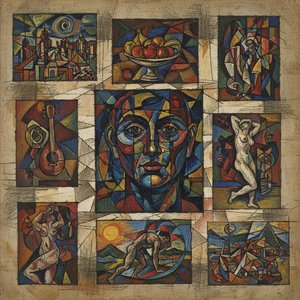
Cubismul Expresionist: 10 Capodopere Esențiale pentru Decoruri de Artă Rafinate | OriginalUniqueArt.ro
Descoperă cele mai importante 10 capodopere ale Cubismului Expresionist! Explorează poveștile lui Picasso, Braque și alți artiști revoluționari. Reproduceri de artă de calitate muzeală pentru un decor interior unic. OriginalUniqueArt.ro