

 Previzualizare
 Trimite
 Distribuie
 Detalii despre lucrare

 Descarcă
 Produse similare
 Radiografie
 Diapozitive automate
A Gypsy Encampment
 1885
1885 51.0 x 77.0 cm
 Vezi mai mult
Giclée / Imprimare artistică
Printuri giclée sau pe canvas de calitate muzeală, cu proces de producție rapid și opțiuni flexibile de finisare. ( Comandă pictură lucrată manual Cumpără imaginea)




































Alegeți dintre dimensiunile noastre prestabilite, care respectă proporțiile originale ale operei de artă.

Puteți introduce propriile dimensiuni pentru a se potrivi unui anumit cadru sau spațiu. Dacă dimensiunea selectată nu corespunde proporțiilor imaginii originale, vom decupa lucrarea de artă sau vom extinde imaginea cu margini oglindite sau cu o culoare uniformă. Un mockup digital va fi trimis pentru aprobarea dumneavoastră înainte de începerea producției.
Vă rugăm să rețineți că previzualizarea de pe ecran nu reflectă decuparea sau extinderea reală. Doar mockup-ul va arăta cu exactitate compoziția finală.
Deși dimensiunile personalizate sunt disponibile, vă recomandăm să selectați o dimensiune din lista predefinită pentru a păstra proporțiile originale.
Livrare în întreaga lume () în 2 săptămâni, în loc de cele 4/5 săptămâni standard. (25 August)

Livrare expres gratuită la nivel mondial

Pânză de in de înaltă calitate

Asigurare completă pentru transport

Garanție de rambursare a taxelor vamale

Garanția fidelității culorilor

Politica de retur în 60 de zile (doar pentru defecte)

Garanție de rambursare 100%

Ofertă pentru comenzi multiple
 Opțiunea cu sticlă este disponibilă doar pentru dimensiuni de sub 110 cm

A Gypsy Encampment
Giclée / Imprimare artistică
Dimensiune reproducere
-


Preț total calculat
$ 80
Biografie artist
The Luminous Legacy of James Herbert Snell
In the soft, shifting light of the late Victorian and Edwardian eras, James Herbert Snell emerged as a painter capable of capturing the very soul of the British landscape. Born in St Pancras, London, on October 31, 1862, Snell’s life was marked by both personal hardship and an unyielding devotion to the canvas. Following the untimely loss of his parents during his youth, he found stability and direction under the guidance of his uncle, John Minthorn. This resilience would later manifest in his art, which sought to find enduring beauty within the fleeting moments of nature. His early training, beginning under his father’s watchful eye and progressing through the prestigious Heatherley School of Fine Art, provided him with a rigorous technical foundation that he would eventually infuse with a modern, atmospheric sensibility.
Snell’s artistic evolution was profoundly shaped by his travels through the great art capitals of Europe. His formative journeys to Paris and Amsterdam allowed him to witness firsthand the revolutionary shifts occurring in the art world. By immersing himself in the techniques of French Impressionist masters such as Claude Monet and Pierre-Auguste Renoir, Snell learned to move beyond mere topographical accuracy. He began to embrace the play of light, the importance of visible brushstrokes, and the ability to evoke mood through color. This unique synthesis—merging the structural integrity of British Naturalism with the ephemeral magic of Impressionism—became his artistic signature, allowing him to depict the rural landscapes of England and Scotland not just as places, but as emotional experiences.
A Mastery of Light and Atmosphere
The true brilliance of Snell’s work lies in his ability to render the intangible. Whether he was painting the coastal serenity of St Ives Harbour or the quiet, reflective waters of a river lock in Hertfordshire, his focus remained on the atmospheric depth of the scene. His technique utilized a delicate balance of texture and tone; one can observe how his brushwork dances across the canvas to suggest the movement of wind through trees or the shimmering reflection of sunlight on a moving stream. This approach invited the viewer into a world that felt both intimately familiar and dreamlike, capturing the essence of Spring Time or the quietude of a village afternoon with remarkable sensitivity.
His contributions to the British art scene were recognized by the most esteemed institutions of his time, marking him as a significant figure in the late nineteenth and early twentieth centuries. His achievements include:
- Exhibitions at the Royal Academy: Showcasing his ability to command attention within the highest circles of British art.
- Recognition by the Royal Institute of Oil Painters: Solidifying his reputation as a master of the medium and a skilled interpreter of landscape.
- Development of a Hybrid Style: Successfully bridging the gap between traditional British landscape painting and the burgeoning Impressionist movement.
Today, the works of James Herbert Snell continue to resonate with collectors and art enthusiasts who find solace in his tranquil vistas. His paintings serve as a nostalgic window into a bygone era, preserving the quiet majesty of the British countryside. Through his mastery of light, shadow, and texture, Snell did more than just document landscapes; he immortalized the fleeting beauty of the natural world, ensuring that his vision of a serene, pastoral England remains eternally vibrant.
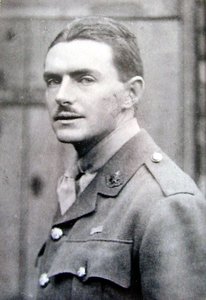
Detalii rapide
- Artistic Movement Or Style: Romantic Landscape Art
- Artists Or Movements Influenced By This Artist: ['Romantic Landscape Art']
- Artists Who Influenced This Artist: ['Herbert James Draper']
- Date Of Death: 1935
- Full Name: James Herbert Snell
- Nationality: British
- Notable Artworks:
- The Woodman's Cart, Winter
- Kingsthorpe Mill, Northamptonshire
- Place Of Birth: London, England

