Vezi în context
 Trimite
 Distribuie
 Detalii
 Ghidul

 Descarcă
 Produse similare
 Radiografie
 Diaporama
 Statistici
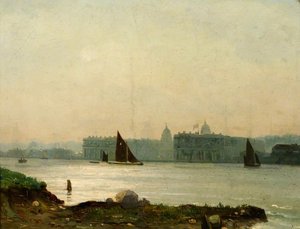
Misty Spring Morning


 Citește mai mult
Giclée / Imprimare artistică
Printuri giclée sau pe canvas de calitate muzeală, cu proces de producție rapid și opțiuni flexibile de finisare. ( Comandă pictură realizată manual Treci la imagine digitală)




P118B lei10

P118H lei10

P118W lei10

P438Z lei10

P508JH lei12

P508YH lei12

P805H lei10

P805Z lei10

P919BZ lei10

P919G lei10

P919XJ lei10

P959ZH lei10

P968JZ lei12

W106C lei8

W218G lei10

W218JH lei8

W218Y lei10

W307PJ lei10

W316G lei10

W316PJ lei8

W316Y lei10

W398PJ lei8

W4111J lei10

W500HY lei15

W500JH lei15

W692G lei12

W849H lei8

W940BG lei15

W953PJ lei8




Alegeți dintre dimensiunile noastre prestabilite, care respectă proporțiile originale ale operei de artă.

Introduceți lățimea și înălțimea de care aveți nevoie, pentru a se potrivi ramei sau peretelui dumneavoastră. O printare poate fi doar tăiată, niciodată extinsă dincolo de dimensiunea imaginii originale, astfel încât o dimensiune cu o formă diferită va pierde o parte din imagine. Vă trimitem o simulare digitală pentru aprobare înainte de a imprima orice. Imaginea afișată pe această pagină nu prezintă tăierea reală — doar simularea arată acest lucru.
Livrare în întreaga lume () în 2 săptămâni, în loc de cele 4/5 săptămâni standard. (23 Octombrie)

Livrare expres gratuită la nivel mondial

Pânză de in premium

Asigurare completă pentru transport

Garanție de rambursare a taxelor vamale

Garanția fidelității culorilor

Politica de retur în 100 de zile (doar pentru defecte)

Garanție de rambursare 100%

Reducere pentru comenzi multiple
 Opțiunea cu sticlă este disponibilă doar pentru dimensiuni de sub 110 cm

Misty Spring Morning
Giclée / Imprimare artistică
Dimensiune reproducere
-


Preț total
lei 371
James Francis Danby: A Visionary of Romantic Landscapes
James Francis Danby (1793-1861) stands as a pivotal figure within the British Romantic movement—a period defined by an intense fascination with emotion, imagination, and the sublime beauty of nature. Unlike his contemporaries like John Martin and J.M.W. Turner, whose canvases often pulsed with turbulent energy, Danby’s landscapes possessed a unique serenity, imbued with a profound sense of contemplation and spiritual resonance.
The Painting's Composition: Tranquility Amidst Motion
“Misty Spring Morning,” executed in oil on canvas, exemplifies Danby’s masterful technique—a cornerstone of Romantic landscape painting. The artwork depicts a picturesque scene unfolding over calm waters; twelve sailboats drift gracefully across the surface, their sails furled downwards as if embracing the stillness of dawn. Careful attention to atmospheric perspective lends depth and realism to the composition, capturing the ethereal quality of mist clinging to the horizon.
A Reflection of Romantic Ideals
Danby’s artistic journey began in County Wexford, Ireland, where he honed his skills under the tutelage of James Arthur O’Connor and George Petrie. This formative period instilled within him not merely technical proficiency but also a deep appreciation for landscape as a conduit for conveying profound emotion—a core principle of Romanticism’s philosophical underpinning.
Symbolism and Narrative Resonance
The painting transcends mere visual representation; it speaks to themes of solitude, contemplation, and the harmonious relationship between humanity and the natural world. Danby's canvases frequently incorporated narrative elements drawn from mythology and literature—a deliberate strategy aimed at elevating the artwork beyond a simple depiction of scenery into a vehicle for conveying moral or spiritual truths.
Sheffield City Art Galleries: Preserving Artistic Legacy
Currently housed in Sheffield City Art Galleries, “Misty Spring Morning” represents a remarkable achievement of Romantic landscape artistry. Its enduring appeal lies not only in its aesthetic beauty but also in its ability to transport viewers back to a time when art served as a powerful means of expressing the deepest human sentiments—a legacy that continues to inspire artists and collectors alike.
Întrebări și răspunsuri
Ce stare de spirit transmite "Misty Spring Morning" de James Francis Danby în cadrul mișcării Romantic Landscape?
"Misty Spring Morning" transmite o Tranchil notă emoțională în cadrul mișcării Romantic Landscape.
Care este nuanța dominantă în "Misty Spring Morning" de James Francis Danby?
O nuanță de Spectru de la verde la violet traversează întregul "Misty Spring Morning" de James Francis Danby.
A rămas "Misty Spring Morning" în țara de origine a artistului său?
Nu - opera de artă este păstrată în străinătate. „Misty Spring Morning” este păstrat în Regatul Unit, în timp ce James Francis Danby s-a născut în Irlanda.
Biografie artist
A Romantic Visionary: The Life and Art of James Francis Danby
Born in County Wexford, Ireland, in 1793, James Francis Danby emerged as a significant figure within the British Romantic movement, crafting landscapes imbued with dramatic intensity and emotional resonance. His canvases, often vast in scale and steeped in atmospheric effects, stand alongside those of contemporaries like John Martin and J.M.W. Turner, yet possess a unique character rooted in his Irish origins and artistic journey. Danby’s early life was marked by upheaval; the death of his father in 1807 forced a relocation to Dublin, where he began formal art training at the Royal Dublin Society's schools under James Arthur O’Connor and alongside George Petrie. This foundational period instilled in him not only technical skills but also an appreciation for landscape as a vehicle for expressing profound feeling—a hallmark of the burgeoning Romantic sensibility. A pivotal moment arrived in 1813 when Danby, accompanied by O’Connor and Petrie, ventured to London seeking artistic opportunities. Initial struggles led them to Bristol, where Danby discovered success selling watercolor drawings, an experience that proved crucial in shaping his developing style.The Flourishing of the Bristol School
Bristol became a fertile ground for Danby’s artistic growth, as he quickly rose to prominence within the informal collective known as the Bristol School. Initially centered around Edward Bird, this group fostered an environment of shared sketching excursions and mutual influence. Danby soon succeeded Bird as its leading figure, inheriting a naturalistic approach characterized by fresh colors and meticulous observation. Works like “Boys Sailing a Little Boat” (circa 1821) exemplify this early style, showcasing his ability to capture the subtle nuances of light and atmosphere. The group’s members included Edward Villiers Rippingille, Francis Gold, and George Cumberland—a friend of William Blake—whose influence encouraged Danby to explore more imaginative and poetic subjects. Cumberland's suggestions ignited a shift towards grander, more emotionally charged compositions that would define his mature style. The Bristol School provided not just technical guidance but also a vital network of support and encouragement as Danby began to forge his own distinct artistic path. His early works often depicted scenes of rural life and the surrounding countryside with a keen eye for detail and a sensitivity to light, reflecting the naturalistic tendencies of the time.Dramatic Visions and Critical Acclaim
Danby’s breakthrough arrived with “The Upas Tree of Java” (1820), a painting that garnered immediate recognition and secured his election as an Associate Member of the Royal Academy. This work, depicting a poisonous tree from Indonesian folklore, showcased his mastery of dramatic composition and atmospheric effects—qualities that resonated deeply with the Byronic taste prevalent in the 1820s. The painting’s evocative imagery and powerful emotional impact quickly captivated audiences and critics alike. He continued to produce ambitious canvases such as “Disappointed Love” (1821), demonstrating his characteristic poetical approach to landscape, potentially influenced by the writings of Samuel Taylor Coleridge. "An Enchanted Island" (1825) proved particularly influential, inspiring other Bristol School artists and earning praise from Letitia Elizabeth Landon in her celebrated collection, “The Troubadour.” His ambition reached new heights with “Opening of the Sixth Seal” (1828), a monumental work that showcased his continued mastery of dramatic composition. These works established Danby as a leading exponent of Romantic landscape painting, renowned for his ability to evoke powerful emotions and transport viewers to realms of imagination and awe.Later Years and Enduring Legacy
Following a period spent on the shores of Lake Geneva in Switzerland and a brief sojourn in Paris, Danby returned to England in 1840, revitalizing his reputation with “The Deluge” – a monumental work that showcased his continued mastery of dramatic composition. While some later paintings, such as "The Woodnymph's Hymn to the Rising Sun" (1845), displayed a calmer aesthetic, he ultimately returned to his earlier, more theatrical mode with pieces like “The Shipwreck” (1859). Throughout his career, Danby grappled with financial difficulties and critical fluctuations, yet he remained committed to his artistic vision. He continued exhibiting regularly, showcasing both new works and revisiting themes from his earlier successes. James Francis Danby died in 1861, leaving behind a body of work that continues to captivate audiences today. His legacy rests on his significant contribution to British Romantic art. Along with John Martin and J.M.W. Turner, he is celebrated for his imaginative landscapes and ability to evoke powerful emotions through his paintings, solidifying his place as a visionary artist of the 19th century.Key Characteristics of Danby’s Art
- Dramatic Landscapes: Vast, sweeping vistas often featuring turbulent skies and seas.
- Emotional Intensity: Paintings imbued with a sense of awe, mystery, and emotional depth.
- Romantic Themes: Exploration of themes such as the sublime, the power of nature, and human vulnerability.
- Illusionistic Technique: Masterful use of light, shadow, and perspective to create a sense of realism and grandeur.
- Narrative Elements: Many works incorporate narrative elements drawn from mythology, literature, or biblical stories.

James Francis Danby
1793 - 1861 , Irlanda
Informații rapide
- Artistic Movement Or Style: Romanticism
- Artists Or Movements Influenced By This Artist: ['Bristol School']
- Artists Who Influenced This Artist:
- John Martin
- William Blake
- Date Of Birth: 1793
- Date Of Death: 1861
- Full Name: James Francis Danby
- Nationality: Irish
- Notable Artworks:
- Upas Tree Java
- Disappointed Love
- An Enchanted Island
- Place Of Birth: Wexford, Irlanda
Articole conexe

Sir Alfred James Munnings: Cele Mai Iubite 25 de Capodopere – Artă Excepțională pentru Decorul Casei Tale
Descoperă cele mai frumoase 25 de picturi ale lui Alfred James Munnings! Explorează capodoperele impresionismului britanic, scene rurale vibrante și arta ecvestră. Reproduceri de artă de calitate muzeală pentru decorul casei tale pe OriginalUniqueArt.com

Top 25 de Capodopere James Abbott McNeill Whistler: Artă, Istorie și Decor Excepțional
Descoperă top 25 de picturi James Abbott McNeill Whistler, maeștri ai impresionismului și esteticismului. Explorează nocturnele, portretele și capodoperele sale pline de atmosferă pe OriginalUniqueArt.com! Reproduceri artă de calitate superioară pentru decorul perfect.

Evocations of Place: A Historical Journey Through Landscape Art
Explore the rich history of landscape art with OriginalUniqueArt. Discover renowned artists, movements like Impressionism & Romanticism, and expert guidance for collecting timeless pieces. Find your perfect serene escape today!

Peisaje Romantice Iconice: 10 Capodopere Artistice pentru Decorul de Lux
Descoperă 10 capodopere romantice iconice de Caspar David Friedrich, Turner și alți maeștri. Explorează istoria artei, emoțiile din peisaje și găsește tablouri canvas perfecte pentru decorul tău pe OriginalUniqueArt.com!
Francis Bacon: Cele Mai Iconice Lucrări – Artă Expresionistă pentru Decor Rafinat
Descoperă cele mai iconice 25 de lucrări ale lui Francis Bacon – picturi expresioniste pline de emoție și forță. Explorează biografia artistului, tehnicile sale unice și impactul asupra artei moderne. Reproduceri artă de calitate muzeală pe OriginalUniqueArt.com!