Vezi în context
 Trimite
 Distribuie
 Detalii
 Guide
Guide

 Descarcă
 Produse similare
 Radiografie
 Diaporama
 Statistici
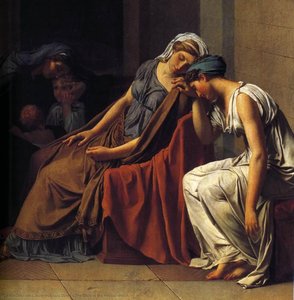
The Death of Socrates
 Acrylic On Canvas
- WallArt
- Neoclassical Movement
 1786
1786 27.0 x 41.0 cm
 Muzeul Metropolitan de Artă
 Citește mai mult
Giclée / Imprimare artistică
Printuri giclée sau pe canvas de calitate muzeală, cu proces de producție rapid și opțiuni flexibile de finisare. ( Comandă pictură realizată manual Treci la imagine digitală)




P118B $10

P118H $10

P118W $10

P438Z $10

P508JH $12

P508YH $12

P805H $10

P805Z $10

P919BZ $10

P919G $10

P919XJ $10

P959ZH $10

P968JZ $12

W106C $8

W218G $10

W218JH $8

W218Y $10

W307PJ $10

W316G $10

W316PJ $8

W316Y $10

W398PJ $8

W4111J $10

W500HY $15

W500JH $15

W692G $12

W849H $8

W940BG $15

W953PJ $8




Alegeți dintre dimensiunile noastre prestabilite, care respectă proporțiile originale ale operei de artă.

Puteți introduce propriile dimensiuni pentru a se potrivi unui anumit cadru sau spațiu. Dacă dimensiunea selectată nu corespunde proporțiilor imaginii originale, vom decupa lucrarea de artă sau vom extinde imaginea cu margini oglindite sau cu o culoare uniformă. Un mockup digital va fi trimis pentru aprobarea dumneavoastră înainte de începerea producției.
Vă rugăm să rețineți că previzualizarea de pe ecran nu reflectă decuparea sau extinderea reală. Doar mockup-ul va arăta cu exactitate compoziția finală.
Deși dimensiunile personalizate sunt disponibile, vă recomandăm să selectați o dimensiune din lista predefinită pentru a păstra proporțiile originale.
Livrare în întreaga lume () în 2 săptămâni, în loc de cele 4/5 săptămâni standard. (21 Septembrie)

Livrare expres gratuită la nivel mondial

Pânză de in premium

Asigurare completă pentru transport

Garanție de rambursare a taxelor vamale

Garanția fidelității culorilor

Politica de retur în 100 de zile (doar pentru defecte)

Garanție de rambursare 100%

Reducere pentru comenzi multiple
 Opțiunea cu sticlă este disponibilă doar pentru dimensiuni de sub 110 cm

The Death of Socrates
Giclée / Imprimare artistică
Dimensiune reproducere
-


Preț total
$ 80
A Portrait of Stoic Dignity: Jacques-Louis David’s “The Death of Socrates”
David's "The Death of Socrates," completed in 1786, stands as a cornerstone of Neoclassical art and a poignant meditation on virtue and sacrifice. Executed during the turbulent years preceding the French Revolution, this monumental painting transcends mere historical depiction; it embodies an ideal of moral fortitude that continues to resonate with audiences today. The artwork captures Socrates’ final moments – his acceptance of hemlock poison – as he calmly confronts death with unwavering resolve, a posture deliberately modeled after depictions of Roman emperors facing their demise. This deliberate allusion to imperial iconography underscores David's ambition to elevate Socrates beyond the realm of philosophy into the pantheon of heroic figures worthy of admiration and emulation.- Subject Matter: The painting portrays Socrates, the Athenian philosopher renowned for his unwavering commitment to reason and ethical principles, undergoing execution by poison – a symbolic representation of martyrdom for intellectual integrity.
- Style & Technique: David’s masterful application of chiaroscuro—the dramatic interplay between light and shadow—creates an atmosphere of solemn contemplation. The meticulous detail in portraying Socrates' face and body conveys both physical suffering and inner serenity, reflecting the artist’s profound understanding of human psychology.
- Historical Context: Commissioned by Louis XVI shortly before the revolution erupted, “The Death of Socrates” served as a deliberate rebuke to the excesses of Rococo art and championed the values of republican virtue. It reflects the intellectual fervor of the Enlightenment era and embodies the desire for France to reclaim its classical heritage.
Symbolism: Echoes of Roman Virtue
David’s artistic choices are laden with symbolic significance. Socrates' posture, reminiscent of emperors accepting their fate, deliberately evokes images from Roman history—specifically Augustus—who famously declared himself “returned from the dead.” This allusion elevates Socrates to a level of heroic grandeur, portraying him as embodying the virtues of courage, dignity, and unwavering moral conviction. The surrounding figures – including Plato and Apollonius Rufus – represent the steadfast companions who witness Socrates’ final act of defiance against tyranny.Emotional Impact: A Meditation on Sacrifice
“The Death of Socrates” transcends its historical narrative to deliver a powerful emotional statement about the importance of upholding moral principles even in the face of adversity. The painting's subdued palette and masterful composition invite viewers into a space of profound contemplation, prompting reflection on themes of honor, integrity, and the enduring legacy of philosophical thought. It serves as an enduring reminder that true greatness lies not merely in power or achievement but in steadfast adherence to ethical ideals—a message particularly poignant during a period marked by social upheaval and political instability.Biografie artist
A Brushstroke Across Revolution: The Life and Art of Jacques-Louis David
Jacques-Louis David, born in Paris in 1748, was more than just a painter; he was a visual chronicler of an era defined by upheaval, idealism, and the relentless pursuit of new orders. His life mirrored the dramatic shifts unfolding across France – from the waning opulence of the Rococo to the austere clarity of Neoclassicism, and ultimately, through the tumultuous years of revolution and Napoleonic glory. A childhood marked by the early loss of his father and a facial impediment that initially hindered his speech seemed only to sharpen his observational skills and fuel an unwavering dedication to artistic mastery. Though initially apprenticed to François Boucher, David quickly found himself drawn to the more morally resonant work of Joseph-Marie Vien, whose emphasis on history painting and classical subjects resonated with a burgeoning sense of purpose within the young artist. His early attempts to win the prestigious Prix de Rome were fraught with frustration, yet these repeated setbacks only intensified his resolve, forging a relentless perfectionism that would characterize his entire career.The Birth of Neoclassical Drama
David’s artistic evolution wasn't merely a stylistic shift; it was a philosophical statement. He rejected the frivolous ornamentation and playful themes of the Rococo, embracing instead the clarity, order, and moral seriousness inherent in classical antiquity. This commitment was profoundly influenced by archaeological discoveries at Pompeii and Herculaneum, which unveiled a world of Roman art and architecture previously lost to time. The images of these ancient ruins, with their monumental scale and rational design, captivated David’s imagination and provided the foundation for his new artistic vision. His breakthrough came with “Oath of the Horatii” (1784), a painting that transcended mere artistic skill to become an emblem of civic virtue and patriotic sacrifice. The stark composition, dramatic lighting – carefully orchestrated to emphasize the figures' musculature and emotional intensity – and precise draftsmanship were revolutionary, signaling a decisive break from the past. It wasn’t simply *what* he painted but *how* – a deliberate construction designed to evoke powerful emotional responses and inspire contemplation on themes of duty, honor, and self-sacrifice. The figures are rendered with an almost sculptural quality, their bodies idealized according to classical principles, while their expressions convey a profound sense of resolve and impending doom. This work didn't just announce a new style; it foreshadowed the ideological currents that would soon sweep across France.Revolution and Remembrance: Art as Political Weapon
As the French Revolution erupted in 1789, David was not merely an observer but an active participant. A fervent supporter of the revolutionary cause and a close associate of Maximilien Robespierre, he saw art as a powerful tool for shaping public opinion and immortalizing the ideals of the new republic. His paintings during this period became potent symbols of revolutionary martyrdom and republican fervor. Perhaps his most iconic work from this era is “The Death of Marat” (1793), a hauntingly realistic depiction of the assassinated journalist, transformed into a secular saint. The painting’s stark simplicity – the pale body, the makeshift desk, the poignant letter clutched in Marat's hand – elevates the scene to a level of profound emotional resonance. David deliberately chose to depict Marat in his final moments, emphasizing his dedication to the revolution and presenting him as a victim of counter-revolutionary forces. The painting was intended to inspire loyalty and galvanize support for the new government. He also created numerous other works celebrating revolutionary heroes and events, solidifying his reputation as a key propagandist for the Revolution.From Revolution to Empire: Serving Napoleon
The fall of Robespierre marked another turning point in David’s career. With remarkable adaptability, he navigated the shifting political landscape and aligned himself with Napoleon Bonaparte, becoming the First Consul’s official court painter. This new patronage ushered in a period of grand-scale commissions designed to glorify Napoleon’s victories and achievements. “Napoleon Crossing the Alps” (1801-1805) is perhaps the most famous example – a masterful piece of propaganda that presents Napoleon as a heroic, almost mythical figure conquering both nature and adversity. The painting depicts Napoleon leading his troops over the formidable Mont Blanc, bathed in dramatic light and rendered with an almost theatrical intensity. “The Coronation of Napoleon” (1807), an immense canvas capturing the opulence and grandeur of the imperial ceremony, further cemented David’s position as the preeminent artist of the Napoleonic era. During this time, his palette subtly shifted, incorporating warmer Venetian colors while maintaining the precision and clarity that defined his style. He continued to produce historical paintings celebrating Napoleon's military triumphs and consolidating his image as a powerful and divinely ordained ruler.Exile, Legacy, and Enduring Influence
The Bourbon Restoration in 1814 brought renewed peril for David, whose association with the fallen Napoleon made him a target of persecution. He chose exile in Brussels in 1816, where he continued to paint and teach until his death on December 29, 1825. Even in exile, his influence remained profound. He trained numerous pupils, including Jean-Auguste-Dominique Ingres, who would become one of the most important neoclassical painters of the 19th century. David’s emphasis on draftsmanship, composition, and historical accuracy left an indelible mark on French art. *His legacy extends beyond mere imitation*; his expressive distortions of form and space even foreshadowed the innovations of later artists like Henri Matisse and Pablo Picasso. Jacques-Louis David was not simply a painter of his time; he *defined* it, capturing its spirit of revolution, ambition, and enduring ideals on canvas for generations to come.- Major Achievements: Established Neoclassicism as the dominant style in French painting.
- Historical Significance: Created iconic images that captured the spirit of the French Revolution and the Napoleonic era.
- Influence: Trained a generation of influential artists who carried on his legacy.

Jacques-Louis David
1748 - 1800 , Franța
Informații rapide
- Artistic Movement Or Style: Neoclasicism
- Artists Or Movements Influenced By This Artist:
- Ingres
- Matisse
- Artists Who Influenced This Artist:
- Vien
- Mengs
- Date Of Birth: 30 august 1748
- Date Of Death: 29 decembrie 1825
- Full Name: Jacques-Louis David
- Nationality: Francez
- Notable Artworks:
- Oath of the Horatii
- Marat Mort
- Napoleon pe Alpi
- Place Of Birth: Paris, Franța
Articole conexe

Top 10 Capodopere Neoclasice: Artă, Istorie și Decorațiuni Interioare de Lux
Descoperă top 10 capodopere neoclasice de la David, Ingres și Canova! Explorează istoria artei, tehnicile artistice și semnificația culturală a picturilor și sculpturilor clasice. Găsește reproducerea perfectă pentru decorul tău pe OriginalUniqueArt.com.
Timeless Resonance: Exploring Classic Vibe in Art – A Historical & Aesthetic Analysis
Explore the rich history & enduring aesthetic of Classicism art! Discover key movements, iconic artists like Raphael & David, and its lasting influence on Western art. Deepen your appreciation today.

Jacques-Louis David: Neoclassical Ideals & Revolutionary Witness
Explore the life & art of Jacques-Louis David, leading Neoclassical painter of the French Revolution. Discover iconic works like 'The Death of Marat' and his lasting impact on art history. Expert analysis & high-quality reproductions at OriginalUniqueArt.
The Enduring Legacy of Classicism: Principles, Evolution & Influence in Western Art
Explore the enduring legacy of Classicism in Western art! Discover its historical context, key principles, iconic masterpieces & lasting influence. Learn about Renaissance and Neoclassical movements with OriginalUniqueArt.

The Enduring Legacy of Classicism: Harmony, Reason & Ideal Form in Western Art
Explore the enduring legacy of Classicism in Western art. Discover Renaissance & Neoclassical masterpieces, key artists, and build a timeless collection with OriginalUniqueArt's expert guidance.