Vezi în context
 Trimite
 Distribuie
 Detalii
 Ghidul

 Descarcă
 Produse similare
 Radiografie
 Diaporama
 Statistici
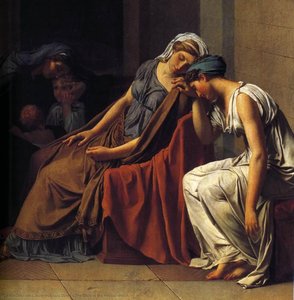
Moartea lui Marat
 Acrilic pe pânză întinsă
- Artă de perete
- Neoclassical Style
 1793
1793 162.0 x 128.0 cm
 Musées Royaux des Beaux-Arts
 Citește mai mult
Giclée / Imprimare artistică
Printuri giclée sau pe canvas de calitate muzeală, cu proces de producție rapid și opțiuni flexibile de finisare. ( Comandă pictură realizată manual Treci la imagine digitală)




P118B lei10

P118H lei10

P118W lei10

P438Z lei10

P508JH lei12

P508YH lei12

P805H lei10

P805Z lei10

P919BZ lei10

P919G lei10

P919XJ lei10

P959ZH lei10

P968JZ lei12

W106C lei8

W218G lei10

W218JH lei8

W218Y lei10

W307PJ lei10

W316G lei10

W316PJ lei8

W316Y lei10

W398PJ lei8

W4111J lei10

W500HY lei15

W500JH lei15

W692G lei12

W849H lei8

W940BG lei15

W953PJ lei8




Alegeți dintre dimensiunile noastre prestabilite, care respectă proporțiile originale ale operei de artă.

Introduceți lățimea și înălțimea de care aveți nevoie, pentru a se potrivi ramei sau peretelui dumneavoastră. O printare poate fi doar tăiată, niciodată extinsă dincolo de dimensiunea imaginii originale, astfel încât o dimensiune cu o formă diferită va pierde o parte din imagine. Vă trimitem o simulare digitală pentru aprobare înainte de a imprima orice. Imaginea afișată pe această pagină nu prezintă tăierea reală — doar simularea arată acest lucru.
Livrare în întreaga lume () în 2 săptămâni, în loc de cele 4/5 săptămâni standard. (21 Octombrie)

Livrare expres gratuită la nivel mondial

Pânză de in premium

Asigurare completă pentru transport

Garanție de rambursare a taxelor vamale

Garanția fidelității culorilor

Politica de retur în 100 de zile (doar pentru defecte)

Garanție de rambursare 100%

Reducere pentru comenzi multiple
 Opțiunea cu sticlă este disponibilă doar pentru dimensiuni de sub 110 cm

Moartea lui Marat
Giclée / Imprimare artistică
Dimensiune reproducere
-


Preț total
lei 368
Un Portrait Epic al Tragediei Revoluționare: „Moartea lui Marat” de Jacques Louis David
Jacques Louis David nu era doar un pictor; el reprezenta o voce puternică în mijlocul unei epoci marcate de schimbări radicale, idealism și dorința obsesivă pentru noi ordine estetice. Viața sa a fost sincronizată cu dramatismul revoluției franceze – de la decadența opulentă a Rococo la claritatea austeră a Neoclasicismului și apoi prin anii tumultuoși ai gloriei napoleoniene. Copilăria lui David, caracterizată de pierderea timpurie a tatălui său și de o imperfecțiune facială care inițial îi îngreuna vorbirea, nu doar că îl determinase să își dezvolte abilitățile observaționale într-o manieră extraordinară, ci și să își încerce puterea artistică cu o dedicare neclintită. După perioada de pregătire la îndemânările lui François Boucher, David a fost atras rapid de abordarea moralmente semnificativă a lui Joseph-Marie Vien, care pune accent pe pictura istorică și subiectele clasice – domenii considerate esențiale pentru exprimarea idealurilor unei lumi aflate în schimbare. Înainte să ajungă la gloria internațională, David își construise fundația artistică într-un stil influențat de cei mai mari maeștri ai trecutului, îmbinând meticulozitatea tehnică cu o înțelegere profundă a principiilor estetice neoclasiste. Această perioadă reprezintă punctul culminant al carierei sale și este reprezentată în mod emblematic de „Moartea lui Marat”, pictură realizată în anul 1793, imediat după asasinarea revoluționară a liderului republican Jean-Paul Marat. Acest tablou nu este doar o reconstituire impresionistă a unui moment istoric crucial, ci și o analiză psihologică complexă a emoțiilor și condiției umane în timpul unei perioade de schimbare violentă.- Subiectul: Tabloul surprinde scena morții lui Marat, liderul radical al Revoluției Franceze, fiind găsit mort în patul său după ce fusese împușcat de Charlotte Corday, o femeie aparent pacifistă și aristocrată. Acest fapt dramatic ilustrează puterea schimbării politice și vulnerabilitatea individului în fața unei astfel de forțe.
- Stil: „Moartea lui Marat” este un exemplu strălucit al Neoclasicismului, stil artistic care urmărea restaurarea idealurilor clasice ale armoniei și proporției după perioada Rococo excesivă. David își propunea să creeze o imagine puternică și emoțională, folosind tehnici precise pentru a reprezenta realismul unei scene tragice.
- Tehnica: Pictorul a folosit ulei pe lemn într-o manieră meticulos calculată, aplicând straturi subțiri și complexe de culoare pentru a obține efecte impresionante de lumină și umbre. Aplicarea atentă a tehnicii picturale este esențială în capturarea emoțiilor puternice ale scenei și în transmiterea unei senzații de autenticitate.
Întrebări și răspunsuri
Ce artist și ce stil stau la baza operei "Moartea lui Marat"?
Jacques-Louis David a creat "Moartea lui Marat" în cadrul mișcării Neoclassical Style.
Când și din ce materiale a fost realizată opera „Moartea lui Marat”?
"Moartea lui Marat" a fost realizată în 1793, în Acrilic pe pânză întinsă.
Ce nivel de saturație și intensitate prezintă "Moartea lui Marat" de Jacques-Louis David?
Culoarea operei "Moartea lui Marat" are o Culori discrete în saturație și o Monocromatic în intensitate.
Biografie artist
A Brushstroke Across Revolution: The Life and Art of Jacques-Louis David
Jacques-Louis David, born in Paris in 1748, was more than just a painter; he was a visual chronicler of an era defined by upheaval, idealism, and the relentless pursuit of new orders. His life mirrored the dramatic shifts unfolding across France – from the waning opulence of the Rococo to the austere clarity of Neoclassicism, and ultimately, through the tumultuous years of revolution and Napoleonic glory. A childhood marked by the early loss of his father and a facial impediment that initially hindered his speech seemed only to sharpen his observational skills and fuel an unwavering dedication to artistic mastery. Though initially apprenticed to François Boucher, David quickly found himself drawn to the more morally resonant work of Joseph-Marie Vien, whose emphasis on history painting and classical subjects resonated with a burgeoning sense of purpose within the young artist. His early attempts to win the prestigious Prix de Rome were fraught with frustration, yet these repeated setbacks only intensified his resolve, forging a relentless perfectionism that would characterize his entire career.The Birth of Neoclassical Drama
David’s artistic evolution wasn't merely a stylistic shift; it was a philosophical statement. He rejected the frivolous ornamentation and playful themes of the Rococo, embracing instead the clarity, order, and moral seriousness inherent in classical antiquity. This commitment was profoundly influenced by archaeological discoveries at Pompeii and Herculaneum, which unveiled a world of Roman art and architecture previously lost to time. The images of these ancient ruins, with their monumental scale and rational design, captivated David’s imagination and provided the foundation for his new artistic vision. His breakthrough came with “Oath of the Horatii” (1784), a painting that transcended mere artistic skill to become an emblem of civic virtue and patriotic sacrifice. The stark composition, dramatic lighting – carefully orchestrated to emphasize the figures' musculature and emotional intensity – and precise draftsmanship were revolutionary, signaling a decisive break from the past. It wasn’t simply *what* he painted but *how* – a deliberate construction designed to evoke powerful emotional responses and inspire contemplation on themes of duty, honor, and self-sacrifice. The figures are rendered with an almost sculptural quality, their bodies idealized according to classical principles, while their expressions convey a profound sense of resolve and impending doom. This work didn't just announce a new style; it foreshadowed the ideological currents that would soon sweep across France.Revolution and Remembrance: Art as Political Weapon
As the French Revolution erupted in 1789, David was not merely an observer but an active participant. A fervent supporter of the revolutionary cause and a close associate of Maximilien Robespierre, he saw art as a powerful tool for shaping public opinion and immortalizing the ideals of the new republic. His paintings during this period became potent symbols of revolutionary martyrdom and republican fervor. Perhaps his most iconic work from this era is “The Death of Marat” (1793), a hauntingly realistic depiction of the assassinated journalist, transformed into a secular saint. The painting’s stark simplicity – the pale body, the makeshift desk, the poignant letter clutched in Marat's hand – elevates the scene to a level of profound emotional resonance. David deliberately chose to depict Marat in his final moments, emphasizing his dedication to the revolution and presenting him as a victim of counter-revolutionary forces. The painting was intended to inspire loyalty and galvanize support for the new government. He also created numerous other works celebrating revolutionary heroes and events, solidifying his reputation as a key propagandist for the Revolution.From Revolution to Empire: Serving Napoleon
The fall of Robespierre marked another turning point in David’s career. With remarkable adaptability, he navigated the shifting political landscape and aligned himself with Napoleon Bonaparte, becoming the First Consul’s official court painter. This new patronage ushered in a period of grand-scale commissions designed to glorify Napoleon’s victories and achievements. “Napoleon Crossing the Alps” (1801-1805) is perhaps the most famous example – a masterful piece of propaganda that presents Napoleon as a heroic, almost mythical figure conquering both nature and adversity. The painting depicts Napoleon leading his troops over the formidable Mont Blanc, bathed in dramatic light and rendered with an almost theatrical intensity. “The Coronation of Napoleon” (1807), an immense canvas capturing the opulence and grandeur of the imperial ceremony, further cemented David’s position as the preeminent artist of the Napoleonic era. During this time, his palette subtly shifted, incorporating warmer Venetian colors while maintaining the precision and clarity that defined his style. He continued to produce historical paintings celebrating Napoleon's military triumphs and consolidating his image as a powerful and divinely ordained ruler.Exile, Legacy, and Enduring Influence
The Bourbon Restoration in 1814 brought renewed peril for David, whose association with the fallen Napoleon made him a target of persecution. He chose exile in Brussels in 1816, where he continued to paint and teach until his death on December 29, 1825. Even in exile, his influence remained profound. He trained numerous pupils, including Jean-Auguste-Dominique Ingres, who would become one of the most important neoclassical painters of the 19th century. David’s emphasis on draftsmanship, composition, and historical accuracy left an indelible mark on French art. *His legacy extends beyond mere imitation*; his expressive distortions of form and space even foreshadowed the innovations of later artists like Henri Matisse and Pablo Picasso. Jacques-Louis David was not simply a painter of his time; he *defined* it, capturing its spirit of revolution, ambition, and enduring ideals on canvas for generations to come.- Major Achievements: Established Neoclassicism as the dominant style in French painting.
- Historical Significance: Created iconic images that captured the spirit of the French Revolution and the Napoleonic era.
- Influence: Trained a generation of influential artists who carried on his legacy.

Jacques-Louis David
1748 - 1800 , Franța
Informații rapide
- Artistic Movement Or Style: Neoclasicism
- Artists Or Movements Influenced By This Artist:
- Ingres
- Matisse
- Artists Who Influenced This Artist:
- Vien
- Mengs
- Date Of Birth: 30 august 1748
- Date Of Death: 29 decembrie 1825
- Full Name: Jacques-Louis David
- Nationality: Francez
- Notable Artworks:
- Oath of the Horatii
- Marat Mort
- Napoleon pe Alpi
- Place Of Birth: Paris, Franța
Articole conexe

Aveți în minte o revoluție greșită. Probabil două revoluții greșite.
Crezi că știi totul despre „Libertatea conducând poporul” de Delacroix? Mai bine te mai gândești o dată. Descoperă adevărul fascinant din spatele datei istorice reale a tabloului și motivul pentru care a fost prea controversat pentru a fi expus de către guvernul francez. Perspective experte din istoria artei de la OriginalUniqueArt.

Top 10 Capodopere Neoclasice: Artă, Istorie și Decorațiuni Interioare de Lux
Descoperă top 10 capodopere neoclasice de la David, Ingres și Canova! Explorează istoria artei, tehnicile artistice și semnificația culturală a picturilor și sculpturilor clasice. Găsește reproducerea perfectă pentru decorul tău pe OriginalUniqueArt.com.

Revoluția pe care v-o imaginați e cea greșită. Probabil chiar două.
Crezi că știi totul despre „Libertatea conducând poporul” de Delacroix? Mai bine te mai gândești o dată. Descoperă adevărul fascinant din spatele tabloului, demontând miturile comune despre Revoluția Franceză și Les Misérables, prin perspective experte în istoria artei oferite de OriginalUniqueArt.
Top 10 Capodopere Neoclasice: Artă, Istorie și Inspirație pentru Decor
Descoperă top 10 capodopere neoclasice de la David, Ingres și Canova! Explorează istoria artei, tehnicile artistice și inspirația din spatele acestor picturi și sculpturi celebre. Găsește reproduceri de artă de calitate muzeală pe OriginalUniqueArt.com.
Louvrul Paris: Top 25 de Capodopere – Artă Clasică pentru Decor Rafinat
Descoperă top 25 de capodopere din Louvre, Paris! Explorează istoria fascinantă a picturilor celebre precum Mona Lisa și Venus din Milo. Reproduceri artă clasică, printuri de calitate superioară pentru decor interior rafinat. Leonardo da Vinci, Rafael & alți maeștri te așteaptă pe OriginalUniqueArt.com