
 Previzualizare
 Trimite
 Distribuie
 Detalii despre lucrare

 Descarcă
 Produse similare
 Radiografie
 Diapozitive automate
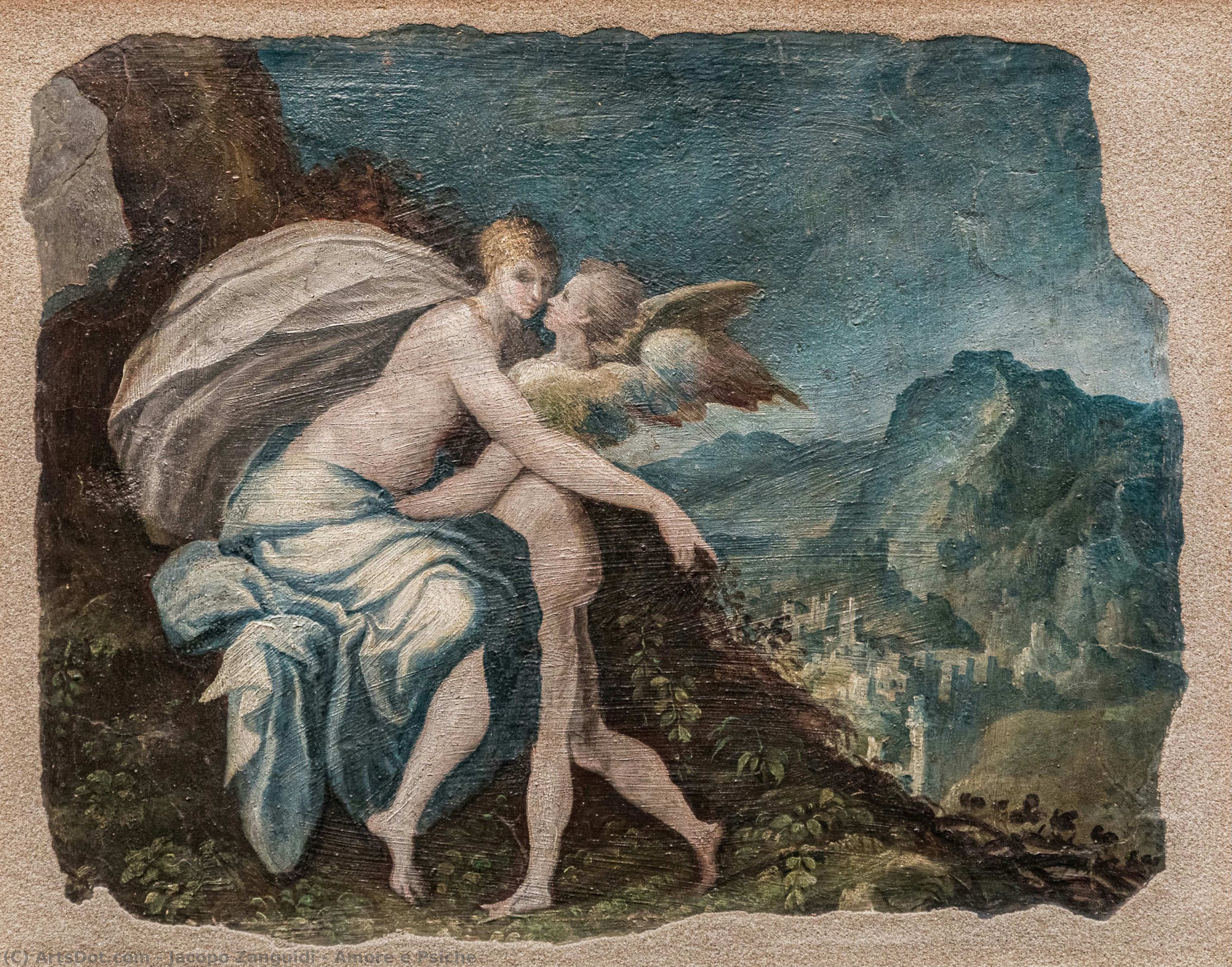
Amore e Psiche

 Vezi mai mult
Giclée / Imprimare artistică
Printuri giclée sau pe canvas de calitate muzeală, cu proces de producție rapid și opțiuni flexibile de finisare. ( Comandă pictură realizată manual Comută la imagine)




































Alegeți dintre dimensiunile noastre prestabilite, care respectă proporțiile originale ale operei de artă.

Puteți introduce propriile dimensiuni pentru a se potrivi unui anumit cadru sau spațiu. Dacă dimensiunea selectată nu corespunde proporțiilor imaginii originale, vom decupa lucrarea de artă sau vom extinde imaginea cu margini oglindite sau cu o culoare uniformă. Un mockup digital va fi trimis pentru aprobarea dumneavoastră înainte de începerea producției.
Vă rugăm să rețineți că previzualizarea de pe ecran nu reflectă decuparea sau extinderea reală. Doar mockup-ul va arăta cu exactitate compoziția finală.
Deși dimensiunile personalizate sunt disponibile, vă recomandăm să selectați o dimensiune din lista predefinită pentru a păstra proporțiile originale.
Livrare în întreaga lume () în 2 săptămâni, în loc de cele 4/5 săptămâni standard. (7 August)

Livrare expres gratuită la nivel mondial

Pânză de in de înaltă calitate

Asigurare completă pentru transport

Garanție de rambursare a taxelor vamale

Garanția fidelității culorilor

Politica de retur în 60 de zile (doar pentru defecte)

Garanție de rambursare 100%

Ofertă pentru comenzi multiple
 Opțiunea cu sticlă este disponibilă doar pentru dimensiuni de sub 110 cm

Amore e Psiche
Giclée / Imprimare artistică
Dimensiune reproducere
-


Preț total calculat
$ 80
Biografie artist
Jacopo Zangiardi: A Paragon of Parma’s Renaissance Splendor
Jacopo Zangiardi, also known as il Bertoja (1544 – ca. 1578), stands as a cornerstone figure within the vibrant School of Parma—a regional manifestation of Italian Renaissance art that flourished in Emilia-Romagna during the mid-sixteenth century. Born in Parma, Italy, Zangiardi’s artistic journey coincided with an era defined by humanist ideals and breathtaking architectural innovation, shaping his oeuvre into a testament to both stylistic refinement and profound spiritual contemplation. While biographical details remain somewhat sparse—primarily gleaned from archival records—his legacy endures through the monumental frescoes adorning churches and palaces across Parma and beyond, cementing his place as one of the most celebrated painters of his time.- Early Life & Training: Precise information regarding Zangiardi’s formative years is elusive. However, he was apprenticed to Giovanni Battista Dolce in Parma, absorbing the stylistic precepts of Dolce’s workshop—characterized by a meticulous attention to detail and an embrace of classical influences. This training undoubtedly instilled within him a foundational understanding of disegno (drawing) and perspectiva (linear perspective), crucial elements for achieving artistic mastery.
- The School of Parma: Zangiardi's association with Dolce propelled him into the orbit of Parmigianino, Andrea Cerri, and Battista Brustoloncelli—artists who collectively championed a distinctive aesthetic that diverged subtly from Florence’s dominant Mannerist style. Unlike the exaggerated poses and distorted proportions favored by Florentine painters like Bronzino, Parma’s School prioritized clarity of form and harmonious color palettes, reflecting the humanist desire for rational beauty.
- Notable Frescoes & Artistic Style: Zangiardi achieved renown primarily through his monumental frescoes—particularly ‘Aetas Felicior Hall,’ commissioned for the Crystal Palace in London during the Great Exhibition of 1851. This ambitious project showcased Zangiardi’s unparalleled skill in illusionistic painting, employing masterful techniques to create immersive landscapes and architectural vistas that captivated audiences worldwide. His style is marked by a serene elegance, imbued with luminous colors and delicately rendered drapery—a hallmark of Parma’s artistic tradition.
Key Achievements & Artistic Influences
Zangiardi's artistic vision was profoundly shaped by the humanist spirit of his era, mirroring the intellectual currents that propelled advancements in science and philosophy. He drew inspiration from classical sculpture and architecture, incorporating idealized forms and harmonious compositions into his paintings. Furthermore, Zangiardi’s work demonstrates a notable sensitivity to Venetian painting—particularly Tintoretto's dramatic chiaroscuro—though he tempered Venetian exuberance with Parma’s characteristic restraint. The influence of Andrea Cerri is evident in Zangiardi’s meticulous attention to detail and compositional balance.Legacy & Historical Significance
Jacopo Zangiardi’s contribution to the artistic landscape of the sixteenth century transcends mere stylistic innovation; he embodies the humanist ideals that underpinned Renaissance culture. His frescoes—particularly ‘Aetas Felicior Hall,’ stand as enduring symbols of Parma’s grandeur and artistic prowess, captivating viewers centuries later with their breathtaking beauty and technical virtuosity. As a representative of the School of Parma, Zangiardi helped to establish a distinct regional aesthetic—one characterized by clarity, harmony, and luminous color—leaving an indelible mark on Italian Renaissance art history. His enduring fame testifies to the power of artistic excellence to transcend temporal boundaries and inspire admiration across generations.Further Exploration
For deeper insights into Jacopo Zangiardi’s life and work, consult resources such as Wikipedia (
jacopo zanguidi
1544 - 1578 , Italy
Detalii rapide
- Artistic Movement Or Style: Parmese School Renaissance
- Artists Or Movements Influenced By This Artist: ['Jacopo Bassano']
- Date Of Birth: 1544 Parma Italy
- Date Of Death: ca. 1578 Parma Italy
- Full Name: Jacopo Zangiardi
- Nationality: Italian
- Notable Artworks: ['Aetas Felicior Hall']
- Place Of Birth: Parma Italy

