

 Previzualizare
 Trimite
 Distribuie
 Detalii despre lucrare

 Descarcă
 Produse similare
 Radiografie
 Diapozitive automate
 Stats
StatsThe Enforcer
 Lithograph
- Art Singulier
 1972
1972- Modern
 77.0 x 61.0 cm
 Vezi mai mult
Giclée / Imprimare artistică
Printuri giclée sau pe canvas de calitate muzeală, cu proces de producție rapid și opțiuni flexibile de finisare. ( Comandă pictură lucrată manual Switch to Digital Image)




P118B $10

P118H $10

P118W $10

P438Z $10

P508JH $12

P508YH $12

P805H $10

P805Z $10

P919BZ $10

P919G $10

P919XJ $10

P959ZH $10

P968JZ $12

W106C $8

W218G $10

W218JH $8

W218Y $10

W307PJ $10

W316G $10

W316PJ $8

W316Y $10

W398PJ $8

W4111J $10

W500HY $15

W500JH $15

W692G $12

W849H $8

W940BG $15

W953PJ $8




Alegeți dintre dimensiunile noastre prestabilite, care respectă proporțiile originale ale operei de artă.

Puteți introduce propriile dimensiuni pentru a se potrivi unui anumit cadru sau spațiu. Dacă dimensiunea selectată nu corespunde proporțiilor imaginii originale, vom decupa lucrarea de artă sau vom extinde imaginea cu margini oglindite sau cu o culoare uniformă. Un mockup digital va fi trimis pentru aprobarea dumneavoastră înainte de începerea producției.
Vă rugăm să rețineți că previzualizarea de pe ecran nu reflectă decuparea sau extinderea reală. Doar mockup-ul va arăta cu exactitate compoziția finală.
Deși dimensiunile personalizate sunt disponibile, vă recomandăm să selectați o dimensiune din lista predefinită pentru a păstra proporțiile originale.
Livrare în întreaga lume () în 2 săptămâni, în loc de cele 4/5 săptămâni standard. (8 Septembrie)

Livrare expres gratuită la nivel mondial

Pânză de in de înaltă calitate

Asigurare completă pentru transport

Garanție de rambursare a taxelor vamale

Garanția fidelității culorilor

Politica de retur de 100 de zile (doar pentru defecte)

Garanție de rambursare 100%

Ofertă pentru comenzi multiple
 Opțiunea cu sticlă este disponibilă doar pentru dimensiuni de sub 110 cm

The Enforcer
Giclée / Imprimare artistică
Dimensiune reproducere
-


Preț total calculat
$ 80
The Enforcer: A Study in Power and Restraint
Jacob Kainen's "The Enforcer," created in 1972, is more than just a lithograph; it’s a compelling visual narrative exploring themes of authority, control, and the complexities of human nature. Housed within the esteemed Smithsonian American Art Museum, this piece (measuring 77 x 61 cm) exemplifies Kainen's unique ability to blend dramatic realism with abstract expressionism, creating an artwork that resonates long after initial viewing.
Artistic Style and Influences
Kainen’s artistic journey was deeply rooted in the study of masters. His work reveals a profound understanding of Rembrandt's chiaroscuro, Velázquez's masterful use of light and shadow, and Cézanne's exploration of form and structure. However, Kainen wasn't merely replicating these influences; he synthesized them with the burgeoning expressionist movements sweeping Europe and America in the 20th century. "The Enforcer" stands as a testament to this synthesis – a work that honors tradition while forging its own distinct path. The lithograph’s stark black and white palette, combined with layered brushstrokes, evokes a sense of drama reminiscent of German Expressionism, yet retains a compositional clarity influenced by the earlier masters.
Decoding the Imagery: Symbolism and Composition
The central figure in "The Enforcer" is immediately striking. The individual, depicted wearing a shirt emblazoned with a prominent circle, becomes an enigmatic symbol within the composition. This circular motif could represent various interpretations – unity, completeness, or even cyclical power dynamics. The surrounding chaotic brushwork, rendered in stark black and white, creates a sense of tension and unrest, suggesting the pressures and responsibilities inherent in the role of "the enforcer." The deliberate use of negative space further emphasizes the figure's isolation within this turbulent environment. Kainen’s technique involves layering multiple lithographic stones to achieve depth and complexity, resulting in a visual texture that mimics the multifaceted nature of authority.
Historical Context and Emotional Impact
Created during a period of social upheaval and political unrest in the 1970s, "The Enforcer" can be viewed as a reflection of anxieties surrounding law enforcement and power structures. The artwork doesn't offer easy answers or simplistic portrayals; instead, it invites viewers to contemplate the burdens carried by those tasked with upholding order. The lithograph’s monochromatic palette amplifies its emotional impact, conveying a sense of seriousness and introspection. It evokes feelings of tension, restraint, and perhaps even a touch of melancholy, prompting reflection on the complexities of power and responsibility.
Kainen's Legacy and Further Exploration
“The Enforcer” is just one example of Jacob Kainen’s significant contribution to American art. Other notable works by Kainen, such as "Fabrizio" and “No Dominion,” further showcase his artistic range and intellectual depth. The Smithsonian American Art Museum holds a substantial collection of Kainen's work, providing ample opportunity for deeper exploration of his oeuvre. For those interested in understanding the broader context of Kainen’s artistic development, exploring the Art Singulier Movement can provide valuable insights into his unique approach to artmaking.
Biografie artist
Jacob Kainen: O via între artă și cercetare
- Naștere: Waterbury, Statele Unite ale Americii (1909)
- Deces: 2002
Jacob Kainen a fost un artist american polivalent, recunoscut ca pictor, grafician, istoric al artei și colecționar. Cariera sa s-a întins pe parcursul a decenii, fiind marcată de o evoluție stilistică profundă, de o curiozitate intelectuală neешubată și de contribuții semnificative aduse lumii artei, atât prin propriile creații, cât și prin eforturile sale de cercetare.
Primii ani și începuturile artistice
- Rădăcini familiale: Născut de părinți imigranți rusi în Waterbury, Connecticut, creșterea lui Kainen a cultivat o apreciere profundă pentru cultură. Spiritul inventiv al tatălui său și dragostea mamei sale pentru muzică și literatură i-au hrănit inclinațiile artistice încă de la o vârstă fragedă.
- Studii timpurii: Mutarea la New York City în 1918 i-a oferit acces la instituții prestigioase, precum Metropolitan Museum of Art și New York Public Library, alimentându-i pasiunea pentru istoria artei. A studiat la Art Students League, unde Kimon Nicolaides a pus accent pe libertate și încredere în exprimarea artistică.
- Primele rebeliuni: În cipta promiisității demonstrate la Pratt Institute, spiritul independent al lui Kainen l-a dus la exmatriculare cu doar trei săptămâni înainte de absolvție, din cauza neconcordanțelor cu curriculumul conservator al instituției. Acest eveniment s-a dovedit a fi unul pivotant, împingându-l spre mișcările de avangardă.
Evoluția stilului și influențele artistice
- Influențe timpurii: Inițial atras de maeștrii clasici, traiectoria artistică a lui Kainen s-a schimbat în anii 1930, pe măsură ce a îmbrățișat Expresionismul German și Realismul Social. Această perioadă l-a văzut interacționând cu artiști precum Stuart Davis și Arshile Gorky, care l-au încurajat să exploreze inconștientul și să copieze lucrări de maestru.
- Anii WPA: Implicarea sa în Programul de Arte Grafice al WPA i-a perfecționat abilitățile de print, permițându-i totodată să exploreze teme sociale prin intermediul artei.
- Abstracția și dincolo de aceasta: Kainen s-a îndreptat treptat spre abstracție, influențat de figuri precum Arshile Gorky. Totuși, nu a abandonat niciodată umanismul sau conștiința istorică, căutând să insufleze chiar și formelor abstracte un sentiment de experiență vie.
- Investigația de loialitate și impactul psihologic: O perioadă de supraveghere intensă de către Consiliul de Loialitate al Serviciilor Civile în anii 1940, derivată din activitățile sale politice trecute, a impactat profund opera lui Kainen, ducând la abstracții vii și psihologic încărcate, precum „Exorcist” și „Unmolet #2”.
- Revenirea la figurativ: După primirea atestatului de loialitate, Kainen s-a întors către arta figurativă, respingând Expresionismul Abstract în favoarea unei reveniri la formele reprezentative.
Activitatea curatorială și contribuțiile la Smithsonian
- Curator la Smithsonian: Între 1942 și 1970, Kainen a servit ca curator al Diviziunii de Arte Grafice la Muzeul Național al SUA din cadrul Smithsonian. El a revitalizat colecția prin expoziții și achiziții noi.
- Influența asupra Washington Color Field Painting: Kainen a jucat un rol crucial în stimularea conexiunilor din comunitatea artistică, prezentându-l pe Morris Louis lui Kenneth Noland, contribuind astfel la dezvoltarea mișcării Washington Color School.
- Cariera post-Smithsonian: După retragerea de la Smithsonian, Kainen s-a dedicat pe deplin picturii și graficii, revenind la abstracția pură și continuându-și explorarea artistică.
Moștenirea și semnificația istorică
- Colecționar și filantrop: Kainen și soția sa, Ruth Cole, au fost colecționari avizi de artă expresionistă germană, donând o parte semnificativă din colecția lor Galerii Naționale de Artă în 1985.
- Cercetare academică: Contribuțiile lui Kainen ca istoric al artei sunt remarcabile prin cărțile sale despre John Baptist Jackson și gravurile lui Canaletto, demonstrând cunoștințele sale profunde și pasiunea pentru istoria artei.
- O viziune artistică durabilă: Moștenirea lui Jacob Kainen rezidă într-un corpus de lucrări care reflectă curiozitatea sa intelectuală, evoluția artistică și angajamentul neclintit de a explora condiția umană prin medii diverse. Influența sa se extinde dincolo de propriile creații, cuprinzând contribuțiile sale curatoriale și dedicarea sa de a încuraja dialogul artistic.

Jacob Kainen
1909 - 2002 , Statele Unite ale Americii
Detalii rapide
- Artistic Movement Or Style:
- Expressionism
- Social Realism
- Abstraction
- Artists Or Movements Influenced By This Artist:
- Morris Louis
- Kenneth Noland
- Artists Who Influenced This Artist:
- Rembrandt
- Velázquez
- John Constable
- Ernst Ludwig Kirchner
- Date Of Birth: 1909
- Date Of Death: 2002
- Full Name: Jacob Kainen
- Nationality: American
- Notable Artworks:
- Anacharsis
- Flightmaster
- The Enforcer
- Pastorale
- Back
- Place Of Birth: Waterbury, United States
Articole similare
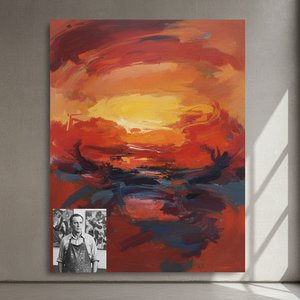
Jacob Kainen: A Pioneer of American Color Field Painting & Abstract Expressionism
Explore the life & work of Jacob Kainen, a pivotal figure in American Abstract Expressionism and Color Field painting. Discover his journey from Social Realism to vibrant abstraction and lasting influence on 20th-century art.

Grant Wood & American Regionalism: Identity, Myth & the Rural Landscape
Explore the world of Grant Wood & American Regionalism with OriginalUniqueArt. Discover the symbolism behind 'American Gothic', recurring themes, and the movement's lasting impact on art history. High-quality reproductions available.

Realism American: 10 Capodopere Esențiale pentru Decorul Cult și Rafinat
Descoperă 10 capodopere esențiale ale Realismului American! Explorează poveștile din spatele picturilor lui Hopper, Wyeth și Wood. Reproduceri de artă premium pentru un decor rafinat pe OriginalUniqueArt.com

Alfred Jacob Miller: Chronicling the American West Through Artistic Observation & Narrative
Explore the captivating art of Alfred Jacob Miller, chronicler of the American West. Discover his iconic paintings, techniques & lasting legacy – a valuable addition to any serious collection. Learn more at OriginalUniqueArt.
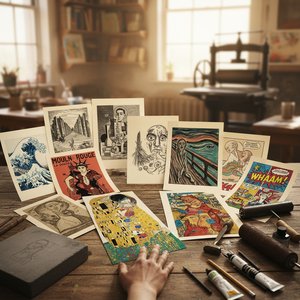
Top 10 Capodopere Litografice Legendare care au Schimbat Arta pentru Totdeauna
Descoperă Top 10 capodopere litografice legendare de la Picasso, Matisse și alți artiști faimoși! Explorează istoria artei moderne, tehnicile inovatoare și emoțiile puternice din fiecare lucrare. Reproduceri artă de calitate muzeală pe OriginalUniqueArt.com.