

 Previzualizare
 Trimite prin felicitare
 Distribuie
 Detalii despre lucrare
 Ghid
Ghid

 Descarcă imaginea
 Produse similare
 Radiografie
 Galerie foto
 Q&A
Q&A Statistici
Satyr playing flute
 Oil
Oil- WallArt
- Baroque
 1640
1640- Early Modern
 135.0 x 176.0 cm
 Vezi mai mult
Giclée / Imprimare artistică
Printuri giclée sau pe canvas de calitate muzeală, cu proces de producție rapid și opțiuni flexibile de finisare. ( Comandă pictură realizată manual Comută pe Imagine Digitală)




P118B lei10

P118H lei10

P118W lei10

P438Z lei10

P508JH lei12

P508YH lei12

P805H lei10

P805Z lei10

P919BZ lei10

P919G lei10

P919XJ lei10

P959ZH lei10

P968JZ lei12

W106C lei8

W218G lei10

W218JH lei8

W218Y lei10

W307PJ lei10

W316G lei10

W316PJ lei8

W316Y lei10

W398PJ lei8

W4111J lei10

W500HY lei15

W500JH lei15

W692G lei12

W849H lei8

W940BG lei15

W953PJ lei8




Alegeți dintre dimensiunile noastre prestabilite, care respectă proporțiile originale ale operei de artă.

Introduceți lățimea și înălțimea necesare pentru a se potrivi ramei sau peretelui dumneavoastră. O printare poate fi doar tăiată, niciodată extinsă dincolo de dimensiunea imaginii originale, astfel încât o dimensiune cu o formă diferită va pierde o parte din imagine. Vă trimitem o simulare digitală pentru aprobare înainte de a imprima orice. Imaginea afișată pe această pagină nu prezintă tăierea reală — doar simularea arată acest lucru.
Livrare în întreaga lume () în 2 săptămâni, în loc de cele 4/5 săptămâni standard. (29 Octombrie)

Livrare expres gratuită la nivel mondial

Pânză de in de înaltă calitate

Asigurare completă pentru transport

Garanție de rambursare a taxelor vamale

Garanția fidelității culorilor

Politica de retur în 100 de zile (doar pentru defecte de fabricație)

Garanție de rambursare 100%

Ofertă pentru comenzi multiple
 Opțiunea cu sticlă este disponibilă doar pentru dimensiuni de sub 110 cm

Satyr playing flute
Giclée / Imprimare artistică
Dimensiune reproducere
-


Preț total calculat
lei 372
A Symphony of Earthly Delights
In the masterful hands of Jacob Jordaens, the canvas breathes with a rustic, unbridled vitality that defines the very essence of the Flemish Baroque. Satyr playing flute is not merely a depiction of a mythological figure; it is an immersive sensory experience that transports the viewer to a sun-dappled woodland clearing in 1640. The scene centers on a satyr, a creature of myth and instinct, lost in the melodic breath of his flute. Beside him, a goat stands as a silent, watchful companion, its gaze drifting toward an unseen point beyond the frame, adding a layer of quiet mystery to the composition. This is Jordaens at his most evocative, capturing a moment where the boundaries between the divine, the mythological, and the mundane dissolve into a single, harmonious melody.
The technique employed in this piece showcases the robust, painterly style that made Jordaens a titan of Antwerp. Unlike the polished, ethereal finishes of some of his contemporaries, Jordaens embraces a certain earthy texture and a rich, warm palette that feels tactile to the touch. One can almost feel the coarse hair of the goat, the weathered skin of the satyr, and the crispness of the leaves on the backdrop tree. The artist utilizes light not just to illuminate, but to sculpt; the way the sunlight filters through the foliage to catch the curve of the flute or the musculature of the satyr’s arm creates a profound sense of three-dimensionality. This mastery of chiaroscuro lends a dramatic weight to the scene, turning a pastoral moment into a theatrical event.
Symbolism and the Spirit of the Baroque
Beyond its visual splendor, the painting serves as a profound exploration of themes prevalent in 17th-century Flemish art: the celebration of nature, the primal joys of life, and the interplay between civilization and wildness. The satyr, a symbol of untamed passion and instinct, playing his instrument suggests that music is a universal language capable of bridging the gap between the human spirit and the natural world. The presence of other figures in the distant background adds a sense of community and shared existence, suggesting that this musical interlude is part of a larger, ongoing cycle of life and revelry. For the collector or interior designer, this piece offers more than just decoration; it provides a window into a philosophy of abundance and the appreciation of life's simple, profound rhythms.
Integrating a high-quality reproduction of such a masterpiece into a contemporary space allows for a sophisticated dialogue between history and modernity. The deep tones and dynamic composition of Satyr playing flute command attention, making it an ideal focal point for a grand salon, a library, or a curated gallery wall. It brings an air of classical elegance and intellectual depth to any room, evoking the warmth of a bygone era while maintaining a timeless aesthetic appeal. To possess such a work is to invite the spirited energy of Jordaens into one's home, ensuring that every glance at the canvas is a reminder of the enduring power of art to capture the soul of the natural world.
Întrebări și răspunsuri
Cum se încadrează stilul operei „Satyr playing flute” în contextul epocii creatorului său?
"Satyr playing flute" de Jacob Jordaens face parte din mișcarea Baroque, reprezentativă pentru epoca Epoca modernă timpurie a creatorului său.
Cine a creat "Satyr playing flute" și în ce stil este realizată?
Jacob Jordaens a creat "Satyr playing flute", parte a mișcării Baroque.
În ce perioadă a carierei lui Jacob Jordaens se încadrează "Satyr playing flute"?
"Satyr playing flute" reprezintă perioada Mature Period a lui Jacob Jordaens.
Biografie artist
A Flemish Master of Life’s Abundance: Jacob Jordaens
Jacob Jordaens, născut pe 19 mai 1593 în Antwerpă, Belgia, a fost una dintre cele mai vibrante și semnificative voci din pictura barocă flamandă. Spre deosebire de mulți contemporani care căutau formare în Italia, Jordaens a rămas ancorat în teritoriile sale natale, Flanders, dezvoltând un stil unic, robust și pământesc, care celebra plăcerile și realitățile vieții cotidiene. Tatăl său, un prosper comerciant de lână, i-a oferit o educație potrivită statutului său social înainte de a începe călătoria sa artistică sub îndrumarea lui Adam van Noort – de asemenea, maestrul lui Peter Paul Rubens. Această pregătire formativă i-a insuflat o fundație solidă în tehnică minuțioasă și o înțelegere perspicace a compoziției, dar s-a diferențiat rapid pentru a-și forja propriul drum distinct. În 1616, consolidând legătura sa cu lumea artistică stabilită din Antwerpă, s-a căsătorit cu Katharina, fiica lui Van Noort, întărind astfel conexiunea familială și profesională.The Painter of Peasant Revelry and Baroque Grandeur
Opera artistică a lui Jordaens era remarcabil de diversă, cuprinzând narațiuni religioase, scene mitologice, compoziții alegorice, picturi de gen pline de viață și chiar portrete. Cu toate acestea, el este cel mai bine amintit pentru reprezentările sale exuberante ale festivalurilor țăranilor și ale tavernelor – opere care radiază o energie palpabilă și o bucurie neîngrădită a plăcerilor terestre. Picturi precum *The King Drinks* (cunoscută și ca Festivitatea Regelui Fasolelor) exemplifică acest stil caracteristic: compoziții aglomerate, pline de figuri robuste implicate în petreceri animate, pictate cu culori calde și luminoase și cu un chiaroscuro dramatic. Aceste scene nu erau doar celebrații ale veseliei; adesea erau impregnate de subțiri nuanțe moralizatoare, reflectând relația complexă dintre indulgență și restrângere care era prevalentă în societatea secolului al XVII-lea. Cu toate acestea, Jordaens a fost la fel de priceput în gestionarea comisiilor mai ample, mai formale. Implicarea sa în decorarea palatei Huis ten Bosch din apropierea orașului The Hague – împreună cu colaborări cu Rubens – a demonstrat capacitatea sa de a crea opere monumentale alegorice care integra perfect pictura și arhitectura.Influences and a Distinct Artistic Voice
Deși Jordaens nu a făcut niciodată călătoria tradițională în Italia pentru a studia arta clasică și renascentistă, el a fost profund influențat de maeștri italieni precum Jacopo Bassano, Paolo Veronese și Caravaggio – artiști ale căror opere au ajuns în Flandra prin gravuri și picturi aduse înapoi de alți artiști. Influența lui Caravaggio este evidentă în utilizarea sa dramatică a luminii și umbrelor, o tehnică cunoscută sub numele de tenebrism, care intensifică intensitatea emoțională a scenelor sale. Cu toate acestea, Jordaens nu a imitat pur și simplu aceste influențe; le-a sintetizat cu propria sa sensibilitate flamandă, creând un stil unic. S-a diferențiat de Rubens și Van Dyck prin preferința pentru realism față de idealism, îmbrățișând o abordare mai directă și mai puțin rafinată a reprezentării formei umane. Figurile sale sunt adesea robuste, chiar corpolente, chipurile lor roșii și sănătoase. Această angajament față de realism, combinat cu măiestria sa în colorism și compoziție, l-au diferențiat pe el de contemporanii săi și au stabilit-o ca fiind una dintre cele mai importante figuri ale picturii baroce flamande.Life and Career
Jordaens s-a născut într-o familie bogată din Antwerpă, iar tatăl său a fost un comerciant de lână prosper. A început să picteze la vârsta de 14 ani, sub îndrumarea lui Adam van Noort, care era și maestrul lui Peter Paul Rubens. După ce a studiat timp de opt ani cu Van Noort, s-a înscris în Guild of Saint Luke în 1615, devenind apoi președintele acestei organizații în 1621. În acea perioadă, Jordaens a pictat numeroase opere de artă religioasă și mitologică, precum și scene de gen pline de viață și culoare. A fost un artist prolific, care a lucrat pentru diverse clienți, inclusiv nobili, clerici și guverne. În plus față de pictură, Jordaens era un designer talentat de tapiserii, o carieră care reflecta antrenamentul său inițial ca pictor de "watercolor".Legacy and Enduring Impact
Pe parcursul unei cariere lungi și productive, Jordaens a antrenat numeroși ucenici – 15 au fost înregistrați oficial de Guild of Saint Luke între 1621 și 1667 – asigurând astfel continuitatea moștenirii sale artistice. Influența sa poate fi văzută în munca mai târziu a artiștilor precum Jan Steen, care împărtășea cu el o predilecție pentru scene de gen pline de viață. Dincolo de impactul său direct asupra altor pictori, temele sale clasice ale țărănilor au avut un efect durabil asupra lumii artistice, provocând tradițiile convenționale și celebrând demnitatea vieții cotidiene. Chiar și astăzi, picturile sale continuă să captiveze publicul cu energia, vitalitatea și reprezentarea sinceră a experienței umane. Capacitatea sa de a combina realismul cu alegoria, sensualitatea cu moralitatea și grandiozitatea cu intimitatea îl fac una dintre cele mai convingătoare și durabile figuri ale perioadei baroce.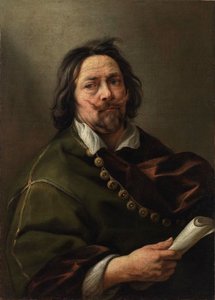
Jacob Jordaens
1593 - 1678 , Belgia
Detalii rapide
- Artistic Movement Or Style: Baroc
- Artists Or Movements Influenced By This Artist: ['Steen']
- Artists Who Influenced This Artist:
- Rubens
- Bassano
- Date Of Birth: 19 mai 1593
- Date Of Death: 18 oct 1678
- Full Name: Jacob Jordaens
- Nationality: Flemish
- Notable Artworks:
- The King Drinks
- Argus
- Place Of Birth: Antwerpen, Belgia
Articole similare

Mastering Drama and Light: A Definitive Guide to the Flemish Baroque Art Movement
Explore the dramatic brilliance of the Flemish Baroque movement. Discover how masters like Peter Paul Rubens utilized chiaroscuro and dynamic composition to redefine art history through light, shadow, and unparalleled emotion.
Drama and Light: Discover the Captivating Grandeur of Baroque Art
Immerse yourself in the dramatic splendor of Baroque art. Explore the profound impact of light, shadow, and the Counter-Reformation through an expert historical lens, celebrating the masters who defined an era of unparalleled grandeur and emotional intensity.
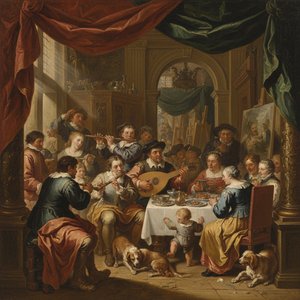
Jacob Jordaens: Baroque Dynamism & Genre Innovation of the Antwerp School
Discover Jacob Jordaens, a leading Flemish Baroque painter renowned for his dynamic compositions & realistic genre scenes. Explore his life, art, and lasting influence with OriginalUniqueArt.

Drama Barocă: Cum să Aduceți Splendoare și Emoție în Interioarele Contemporane
Descoperiți cum să integrați splendoarea stilului baroc în locuința dumneavoastră! Ghid complet cu elemente de design, culori și inspirație pentru interioare luxoase și pline de emoție.

The Dramatic Flourish: Exploring the Baroque Movement's Enduring Legacy in Art History
Explore the dramatic world of Baroque art! Discover iconic artists like Caravaggio & Rubens, defining techniques, and its lasting impact on art history. Expert insights for collectors & enthusiasts at OriginalUniqueArt.


