

 Previzualizare
 Trimite prin felicitare
 Distribuie
 Detalii despre lucrare
 Ghid
Ghid

 Descarcă imaginea
 Produse similare
 Radiografie
 Galerie foto
 Statistici
Dublin Evening
 Oil On Canvas
- WallArt
- Expressionism
 1946
1946 23.0 x 36.0 cm
 Muzeul Ashmolean de Artă și Arheologie
 Vezi mai mult
Achiziționați o imagine digitală de înaltă rezoluție, îmbunătățită, mult superioară previzualizării online.
Fiecare fișier este pregătit cu meticulozitate de specialiștii noștri interni, utilizând instrumente avansate și retușare manuală expertă. Ne asigurăm că fiecare imagine beneficiază de o claritate excepțională, o acuratețe precisă a culorilor și detalii fine.
Fișierul final este livrat prin e-mail în termen de 72 de ore, optimizat pentru utilizare imediată în medii profesionale, editoriale și de imprimare. Aceasta este aceeași calitate în care au încredere studiouri de design, edituri și galerii de top.
Imagine Digitală
Descărcați un fișier la rezoluție înaltă pentru afișare personală, imprimare și proiecte creative. ( Comută pe versiunea Print Comandă pictură realizată manual)
Inclus în fiecare comandă de imagini digitale
Livrare digitală de expertiză, garantată
Când alegeți OriginalUniqueArt.com, nu primiți doar o simplă imagine – primiți o operă de artă digitală îmbunătățită profesional, creată cu precizie și susținută de o garanție de satisfacție. Iată tot ceea ce primești odată cu comanda ta, în mod automat:

Livrare rapidă prin e-mail
Fișierul imaginii digitale la rezoluție înaltă vă va fi trimis prin e-mail în termen de 72 de ore de la finalizarea comenzii – gata pentru utilizare imediată.

Fișier digital optimizat prin IA
Opera ta de artă este optimizată profesional prin intermediul unor instrumente AI avansate și al editării manuale, asigurând un nivel maxim de detalii, claritate și acuratețe a culorilor.

Retransmitere gratuită pe viață
Ai șters sau ai pierdut din greșeală fișierul? Nu îți face griji – ți-l vom retrimite oricând, gratuit.

Fără taxe de import – Întotdeauna
Bucură-te instant de noua ta operă de artă, fără taxe vamale, taxe de import sau costuri de livrare – descărcările digitale sunt întotdeauna fără taxe.

Garanția acurateții culorilor
Asigurăm o reflectare cât mai fidelă a culorilor originale în imaginea ta digitală, prin utilizarea unor instrumente profesionale și a proceselor de gestionare a culorii.

Garanție de satisfacție de 100 de zile
Dacă nu sunteți mulțumit de imaginea digitală achiziționată, o vom revizui sau vă vom returna 100% în termen de 100 de zile – fără nicio întrebare.

Garanție de returnare 100% a banilor
Nu ești mulțumit? Primești rambursarea integrală în termen de 100 de zile de la primirea fișierului digital – fără nicio întrebare.

Reduceri pentru comenzi în volum
Cumpără 3 imagini, economisește 10% - Cumpără 5, economisește 15% - Cumpără 10+, economisește 20%. Ideal pentru proiecte creative, galerii și agenții.
Dublin Evening: A Portrait of Urban Solitude
Jack Butler Yeats’s “Dublin Evening,” painted in 1946, isn't merely a depiction of a street scene; it’s a poignant meditation on the quiet dignity and inherent loneliness of urban life. This oil painting, housed within the Ashmolean Museum in Oxford, captures a fleeting moment along St. Stephen’s Green, Dublin, rendered with Yeats’s signature blend of evocative realism and expressive abstraction. The work immediately draws the viewer into a scene populated by figures seemingly lost in their own thoughts – a cluster of men seated on benches, engaged in an unspoken ritual of observation. They are not grand heroes or dramatic characters; rather, they represent the everyday citizens of Dublin, quietly existing within the heart of the city.
Yeats’s style during this period is particularly compelling. He moved away from a purely illustrative approach, embracing a more gestural and emotionally charged technique. Notice how the paint itself seems to vibrate with energy – thick impasto strokes build up layers of color, creating a palpable sense of texture and movement. The figures are not sharply defined; instead, they’re suggested through loose brushwork and subtle shifts in tone, lending them an almost spectral quality. This deliberate ambiguity invites speculation about their individual stories and inner lives. The muted palette – dominated by blues, greens, and browns – reinforces the painting's melancholic mood, mirroring the subdued light of a late evening.
A Celtic Visionary: Context and Influences
To fully appreciate “Dublin Evening,” it’s crucial to understand Jack Butler Yeats’s broader artistic context. Born in London but deeply rooted in Irish culture, Yeats spent much of his life navigating the complexities of identity as an Anglo-Irish artist. His childhood experiences in Sligo profoundly shaped his work, imbuing it with a deep connection to the landscape and folklore of Ireland. He was heavily influenced by the Romantic movement, particularly its emphasis on emotion and the sublime beauty of nature – qualities he translated into his depictions of the Irish countryside.
However, Yeats’s artistic journey took an unexpected turn in the 1920s, as he embraced Expressionism. This shift is powerfully evident in “Dublin Evening.” He began to experiment with bolder colors, distorted forms, and a more direct approach to conveying emotion. His work became increasingly concerned with capturing the psychological states of his subjects – their anxieties, hopes, and vulnerabilities. The painting’s quiet intensity reflects this evolving artistic sensibility.
Symbolism and Narrative Resonance
The title itself, “Dublin Evening,” is laden with symbolic weight. It evokes a sense of transition, of twilight and reflection. The men on the benches can be interpreted as representatives of Dublin society – perhaps observing the city’s changing fortunes, contemplating their own place within it, or simply seeking solace in shared silence. The act of sitting together, yet remaining largely apart, speaks to the inherent isolation that can exist even amidst human connection.
There's a subtle nod to James Joyce’s “Ulysses,” which was published just a few years later. The painting shares with the novel a focus on the mundane details of everyday life and a sense of searching for meaning within the ordinary. The figures, like Bloom, are caught in a moment of contemplation, grappling with the complexities of existence. Yeats’s masterful use of light and shadow further enhances this narrative resonance, creating an atmosphere of mystery and intrigue.
A Legacy of Quiet Intensity
“Dublin Evening” stands as one of Jack Butler Yeats's most enduring works – a testament to his ability to capture the essence of human experience with remarkable sensitivity and skill. It’s not a painting that shouts for attention; rather, it invites quiet contemplation and rewards repeated viewing. Its understated beauty and profound emotional depth continue to resonate with audiences today, solidifying Yeats’s place as one of Ireland's most important artists.
Întrebări și răspunsuri
În ce perioadă a carierei lui Jack Butler Yeats se încadrează "Dublin Evening"?
"Dublin Evening" reprezintă perioada Mature Period a lui Jack Butler Yeats.
Există lucrări similare cu "Dublin Evening"?
Descoperă lucrări similare cu „Dublin Evening” în pagina Lucrări similare a operei de artă.
Cum se îmbină suportul și mișcarea în "Dublin Evening"?
"Dublin Evening" de Jack Butler Yeats îmbină tehnica Oil On Canvas cu stilul Expressionism. Tehnica și mișcarea definesc modul de execuție și estetica operei.
Biografie artist
Jack Butler Yeats (1871–1957): Ireland's Olympic Medalist & Leading 20th-Century Painter
Jack Butler Yeats stands as a towering figure in 20th-century Irish art, an artist who defied categorization and forged his own unique path. He was born in London, England, August 29th, 1871, the youngest son of John Butler Yeats (1839–1922), a barrister who became a successful portrait painter, and brother to W.B. Yeats (William Butler), who received the Nobel Prize in Literature in 1923.
Yeats’s early life was marked by familial instability; his father struggled to establish himself as an artist, resulting in frequent relocations between London, Dublin, and Sligo where he grew up with his maternal grandparents. This formative experience instilled within him a profound appreciation for the landscapes and traditions of Ireland.
He attended Chiswick School of Art alongside Mary Cottenham White, whom he married in Surrey in 1894, establishing a home in County Wicklow and later Dublin. His artistic journey began as an illustrator for publications like *Boy’s Own Paper* and *Judy*, honing his observational skills and narrative flair—a skillset that would profoundly influence his subsequent paintings.
Early Life & Artistic Training
Yeats's formal art education commenced at Chiswick School of Art, where he studied alongside Mary Cottenham White. This formative period instilled in him a meticulous attention to detail and a dedication to mastering artistic techniques—skills that would prove invaluable throughout his prolific career.
His father’s unwavering commitment to painting served as an inspiration, shaping Jack's own artistic sensibilities and fostering a lifelong fascination with capturing the beauty of the natural world. The influence of Romanticism is palpable in his early canvases, which depict tranquil scenes of rural life bathed in soft light.
Expressionist Transformation & Recurring Motifs
Around 1920, Yeats underwent a dramatic stylistic shift—embracing Expressionism as a reaction to the anxieties of the era. This move wasn’t merely aesthetic; it reflected a deeper engagement with the complexities of modern life and a desire to convey raw emotion.
His canvases exploded with vibrant colors, bold brushstrokes, and distorted forms—a deliberate departure from representational accuracy. Recurring motifs emerged: galloping horses across windswept fields, bustling circus scenes brimming with energy, traveling players embodying both joy and melancholy—each serving as a vehicle for exploring universal themes of human existence.
Irish Landscape & Olympic Recognition
Central to Yeats’s artistic vision was his unwavering dedication to depicting Irish life in all its multifaceted glory. He rejected idealized portrayals, instead striving to capture the gritty reality of everyday experience—the hardships faced by ordinary people and the enduring spirit of a nation steeped in history.
His paintings are populated with figures who embody this resilience: laborers, musicians, gamblers, and dreamers—rendered with empathy and psychological depth. This commitment was recognized on an international stage when he won a silver medal in the arts and culture segment at the 1924 Summer Olympics in Paris for his painting *The Liffey Swim*, cementing his status not only as Ireland’s leading artist but also as a cultural ambassador.
Legacy & Enduring Influence
Jack Butler Yeats remains an enigmatic figure whose work continues to inspire artists today. He was elected to the Royal Hibernian Academy in 1916, solidifying his position within the Irish art establishment. Beyond painting, he penned novels and plays—demonstrating a remarkable versatility that transcended artistic boundaries.
Samuel Beckett lauded Yeats as one of “the great of our time,” recognizing his profound ability to capture the essence of human experience. John Berger praised him as “a great painter” possessing a remarkable sense of the future, highlighting the enduring relevance of his artistic vision.
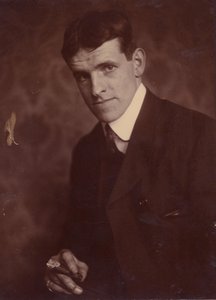
Jack Butler Yeats
1871 - 1957 , Regatul Unit
Detalii rapide
- Artistic Movement Or Style: Expresionism
- Artists Who Influenced This Artist:
- John Butler Yeats
- W. B. Yeats
- Date Of Birth: 29 august 1871
- Full Name: Jack Butler Yeats
- Nationality: Irlandez
- Notable Artworks:
- A Rose Among Many Waters
- The Liffey Swim
- Place Of Birth: Londra, Regatul Unit