Previzualizare
 Trimite
 Distribuie
 Detalii despre lucrare

 Descarcă
 Produse similare
 Radiografie
 Diapozitive automate
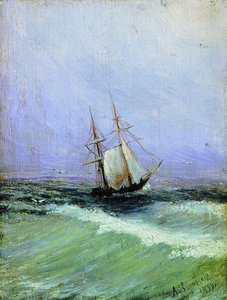
Malaga
 Oil On Canvas
- WallArt
- Romantic Landscape Painting
 1854
1854- 19th Century
 44.0 x 54.0 cm
 Vezi mai mult
Giclée / Imprimare artistică
Printuri giclée sau pe canvas de calitate muzeală, cu proces de producție rapid și opțiuni flexibile de finisare. ( Comandă pictură lucrată manual Cumpără imaginea)




P118B $10

P118H $10

P118W $10

P438Z $10

P508JH $12

P508YH $12

P805H $10

P805Z $10

P919BZ $10

P919G $10

P919XJ $10

P959ZH $10

P968JZ $12

W106C $8

W218G $10

W218JH $8

W218Y $10

W307PJ $10

W316G $10

W316PJ $8

W316Y $10

W398PJ $8

W4111J $10

W500HY $15

W500JH $15

W692G $12

W849H $8

W940BG $15

W953PJ $8




Alegeți dintre dimensiunile noastre prestabilite, care respectă proporțiile originale ale operei de artă.

Puteți introduce propriile dimensiuni pentru a se potrivi unui anumit cadru sau spațiu. Dacă dimensiunea selectată nu corespunde proporțiilor imaginii originale, vom decupa lucrarea de artă sau vom extinde imaginea cu margini oglindite sau cu o culoare uniformă. Un mockup digital va fi trimis pentru aprobarea dumneavoastră înainte de începerea producției.
Vă rugăm să rețineți că previzualizarea de pe ecran nu reflectă decuparea sau extinderea reală. Doar mockup-ul va arăta cu exactitate compoziția finală.
Deși dimensiunile personalizate sunt disponibile, vă recomandăm să selectați o dimensiune din lista predefinită pentru a păstra proporțiile originale.
Livrare în întreaga lume () în 2 săptămâni, în loc de cele 4/5 săptămâni standard. (6 Septembrie)

Livrare expres gratuită la nivel mondial

Pânză de in de înaltă calitate

Asigurare completă pentru transport

Garanție de rambursare a taxelor vamale

Garanția fidelității culorilor

Politica de retur în 100 de zile (doar pentru defecte)

Garanție de rambursare 100%

Ofertă pentru comenzi multiple
 Opțiunea cu sticlă este disponibilă doar pentru dimensiuni de sub 110 cm

Malaga
Giclée / Imprimare artistică
Dimensiune reproducere
-


Preț total calculat
$ 80
A Symphony of Light and Sea: Ivan Aivazovsky’s *Malaga*
- The Malaga painting by Ivan Aivazovsky is more than just a depiction of a harbor; it's an immersive experience, a testament to the Romantic movement’s obsession with nature’s power and beauty. Completed in 1854, this oil on canvas measures 44 x 54 cm and immediately draws the viewer into a scene brimming with life and drama – a quintessential seascape that captures the very essence of the Black Sea at its most captivating.
- Aivazovsky’s mastery lies in his ability to translate light onto the canvas. The dominant hues of orange and gold, indicative of either sunrise or sunset, bleed across the sky, creating an atmosphere thick with warmth and a sense of impending twilight. This masterful use of color isn't merely decorative; it serves as a crucial element of the composition, guiding the eye through the scene and emphasizing the movement of the water.
Technique and Composition: A Master’s Hand
Chiaroscuro and Shading: Aivazovsky was renowned for his meticulous application of shading and chiaroscuro – the dramatic contrast between light and dark – a technique perfected over decades. Notice how he uses this to sculpt the forms of the boats, creating an illusion of depth and volume that makes them appear almost tangible. The subtle gradations in tone across the water’s surface mimic the play of sunlight on the waves, adding to the painting's realism and dynamism. The largest boat, positioned towards the right, acts as a focal point, drawing the viewer’s attention while the smaller vessels scattered throughout the bay contribute to the overall sense of activity.Historical Context and Romantic Ideals
- Romanticism's Embrace of Nature: Created during the height of the Romantic era, *Malaga* embodies the movement’s core tenets. The painting celebrates the sublime power of nature – a theme central to Romantic art – portraying the sea not as a tool for commerce or conquest, but as an awe-inspiring force deserving of reverence and respect.
- Aivazovsky's Inspiration: Born in Feodosia, Russia, Aivazovsky’s life was inextricably linked to the Black Sea. His deep connection to the ocean informed every brushstroke, resulting in a profound understanding of its moods and movements. The inclusion of figures on the shore and boats further enhances the painting's narrative quality, inviting the viewer to imagine themselves part of this vibrant scene.
Symbolism and Emotional Impact
Human Connection with Nature: The presence of people – at least thirteen individuals – adds a crucial layer of meaning to the work. They aren’t merely background figures; they represent humanity's enduring fascination with, and dependence upon, the natural world. Their enjoyment of the scene underscores the painting’s underlying message: that true beauty lies in our harmonious relationship with nature. *Malaga* evokes a powerful sense of tranquility, wonder, and perhaps even a touch of melancholy – a feeling perfectly aligned with the Romantic sensibility. This piece is a must-have for any collection appreciating the grandeur of the sea and the artistic brilliance of Ivan Aivazovsky.Biografie artist
A Life Embraced by the Waves
Ivan Konstantinovich Aivazovsky, born Hovhannes Aivazian in 1817, was more than a painter of seascapes; he was a conduit to the ocean’s soul. His very existence seemed inextricably linked to the Black Sea—a vast, unpredictable expanse that would forever dominate his artistic vision and fuel an extraordinary career spanning nearly six decades. Born in the Crimean port city of Feodosia, Aivazovsky didn't merely observe the sea; he felt it – its raw energy, sublime beauty, and inherent danger becoming the very essence of his art. From a young age, this connection was nurtured, initially by local architect Jacob Koch who recognized the boy’s talent, then blossoming within the rigorous academic environment of the Imperial Academy of Arts in Saint Petersburg. Yet, formal training alone couldn't account for the depth of Aivazovsky’s understanding; it was the constant presence of salt-laced air and the cries of gulls that truly shaped his artistic sensibility. His Armenian heritage also played a significant role, as he was baptized at the St. Sargis Armenian Church in Feodosia and maintained strong cultural ties throughout his life, occasionally incorporating Armenian themes into his expansive body of work. This dual identity—a Crimean-born Armenian artist deeply connected to both Russian and Armenian traditions—shaped his unique perspective and informed his artistic choices.The Early Years and Artistic Foundations
Aivazovsky’s early years in Feodosia were formative, providing him with an unparalleled connection to the sea. The rugged coastline, the vibrant port life, and the ever-changing moods of the Black Sea served as constant inspiration. His family's modest circumstances fostered a strong work ethic and instilled in him a deep appreciation for the simple beauty of his surroundings. Recognizing his exceptional talent at a young age, Jacob Koch, a local architect, encouraged Aivazovsky’s artistic pursuits, providing him with basic instruction and fostering his nascent abilities. This early mentorship proved crucial, laying the foundation for his future success. Subsequently, he enrolled in the Imperial Academy of Arts in Saint Petersburg, where he received formal training in classical painting techniques. While adhering to academic standards, Aivazovsky never fully embraced rigid formalism, retaining a rebellious streak that would later manifest in his innovative approach to color and composition. His time at the academy exposed him to the works of established masters, but it was his own experiences—his intimate knowledge of the sea—that ultimately shaped his artistic style.A Journey Through Europe and the Rise of a Naval Artist
In 1840, Aivazovsky embarked on a transformative journey through Europe, seeking new landscapes and artistic influences. Italy proved particularly influential, immersing him in the vibrant colors and dramatic light of the Mediterranean region. He spent several years studying with renowned Italian artists, absorbing their techniques and expanding his palette. This period marked a significant shift in his style—he began to experiment with looser brushstrokes and brighter colors, moving away from the more restrained approach of academic painting. Upon returning to Russia, Aivazovsky’s artistic trajectory took an unexpected turn when he was appointed as the main painter of the Russian Navy in 1845. This appointment provided him with unprecedented access to naval life—ships, sailors, battles, and firsthand observations—transforming his art forever. He became intimately acquainted with maritime culture, lending an unparalleled authenticity to his depictions of naval scenes. The role afforded him a unique opportunity to document significant historical events, such as the Battle of Navarino, solidifying his reputation as a leading artist of his time.Masterpieces and Artistic Style
Aivazovsky’s paintings are instantly recognizable for their romantic sensibility and technical brilliance. He possessed an extraordinary ability to capture the fleeting effects of light on water—the shimmering reflections, the dramatic contrasts between dark and light, and the ethereal beauty of a stormy sea. His seascapes are not merely representations of physical reality; they are emotional experiences—evocations of awe, wonder, and even terror. Key works such as *The Ninth Wave* (1850) exemplify his mastery of atmospheric perspective and dramatic composition, depicting a harrowing scene of shipwreck survivors battling the relentless power of the ocean. Other notable paintings include *Seascape with Full Moon*, which captures the magical quality of moonlight on the water, and *A Ship in a Stormy Sea*, showcasing his ability to convey the raw energy of a violent storm. Aivazovsky’s use of color was particularly innovative—he employed a vibrant palette of blues, greens, and whites to create luminous effects that seemed to shimmer with life. He often worked en plein air, directly from nature, capturing fleeting light effects. His technique involved applying paint in thin layers, building up the image gradually and creating a sense of depth and atmosphere.Legacy and Enduring Influence
Ivan Konstantinovich Aivazovsky stands as one of the greatest masters of marine art in Russian history—a legacy cemented by his technical skill, emotional depth, and prolific output. His paintings are celebrated not only for their aesthetic beauty but also for their ability to evoke powerful emotions and capture the essence of the sea. He significantly contributed to the development of Russian landscape painting, influencing generations of artists with his innovative techniques and dramatic compositions. Aivazovsky’s work continues to resonate with audiences worldwide, exhibited in museums and galleries across the globe. His paintings are a testament to the enduring power of nature and the human spirit—a reminder of our vulnerability in the face of the elements and our capacity for resilience and hope. He wasn't simply a painter of seascapes; he was a poet of the ocean, translating its moods, mysteries, and majesty onto canvas with unparalleled skill and passion. His influence can still be seen in contemporary marine art, demonstrating the lasting impact of this remarkable artist.
Ivan Aivazovski
1817 - 1900 , Ucraina
Detalii rapide
- Artistic Movement Or Style: Romanticism, Artă marină
- Artists Or Movements Influenced By This Artist: ['Pictură rusă romantică']
- Artists Who Influenced This Artist: ['Pictori ruși de peisaj']
- Date Of Birth: 1817
- Date Of Death: 1900
- Full Name: Ivan Konstantinovich Aivazovsky
- Nationality: Rusă-Armeană
- Notable Artworks:
- A Năvița
- Scumpie în Marea Vântoasă
- Peisaj cu Lună Plină
- Place Of Birth: Feodosia, Rusia
Articole similare

The Enduring Legacy of Oil on Canvas: Technique, History & Aesthetic Impact
Explore the rich history & techniques of oil painting – from Renaissance masters to Impressionism. Discover pigments, layering methods, and why this timeless medium endures. Expert insights for artists & art enthusiasts.

Oil on Canvas: A Historical & Technical Exploration of a Timeless Artistic Medium
Explore the rich history & enduring techniques of oil painting on canvas. Discover the science behind its longevity, conservation practices, and contemporary relevance. Expert insights for art enthusiasts.

Moștenirea Durabilă a Picturii în Ulei: Tehnică, Istorie și Practică Contemporană
Descoperă istoria fascinantă și tehnicile esențiale ale picturii în ulei. Ghid complet pentru artiști, de la materiale până la creații contemporane. Îmbunătățește-ți abilitățile artistice!

The Soul of Impressionism: Why Oil on Canvas Captures Eternal Light and Timeless Emotion
Discover the enchanting alchemy of Impressionism. Explore how the mastery of oil on canvas, through glazing and impasto, captures eternal light and emotion. Perfect for lovers of Monet and Van Gogh seeking the profound depth of hand-painted fine art.
The Allure of the Horizon: A Comprehensive Exploration of Seascape Art Through History & Emotion
Explore the captivating world of seascape art! Discover its history, key artists & movements – from Dutch Masters to Impressionism. Expert insights for collectors and enthusiasts at OriginalUniqueArt.