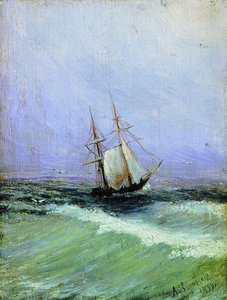
Vezi în context
 Trimite
 Distribuie
 Detalii
 Ghidul

 Descarcă
 Produse similare
 Radiografie
 Diaporama
 Statistici
Icebergs in the Atlantic
 Oil On Canvas
- WallArt
- Romanticism
 1870
1870- 19th Century
 110.0 x 130.0 cm
 Citește mai mult
Giclée / Imprimare artistică
Printuri giclée sau pe canvas de calitate muzeală, cu proces de producție rapid și opțiuni flexibile de finisare. ( Comandă pictură realizată manual Treci la imagine digitală)




P118B $10

P118H $10

P118W $10

P438Z $10

P508JH $12

P508YH $12

P805H $10

P805Z $10

P919BZ $10

P919G $10

P919XJ $10

P959ZH $10

P968JZ $12

W106C $8

W218G $10

W218JH $8

W218Y $10

W307PJ $10

W316G $10

W316PJ $8

W316Y $10

W398PJ $8

W4111J $10

W500HY $15

W500JH $15

W692G $12

W849H $8

W940BG $15

W953PJ $8




Alegeți dintre dimensiunile noastre prestabilite, care respectă proporțiile originale ale operei de artă.

Puteți introduce propriile dimensiuni pentru a se potrivi unui anumit cadru sau spațiu. Dacă dimensiunea selectată nu corespunde proporțiilor imaginii originale, vom decupa lucrarea de artă sau vom extinde imaginea cu margini oglindite sau cu o culoare uniformă. Un mockup digital va fi trimis pentru aprobarea dumneavoastră înainte de începerea producției.
Vă rugăm să rețineți că previzualizarea de pe ecran nu reflectă decuparea sau extinderea reală. Doar mockup-ul va arăta cu exactitate compoziția finală.
Deși dimensiunile personalizate sunt disponibile, vă recomandăm să selectați o dimensiune din lista predefinită pentru a păstra proporțiile originale.
Livrare în întreaga lume () în 2 săptămâni, în loc de cele 4/5 săptămâni standard. (25 Septembrie)

Livrare expres gratuită la nivel mondial

Pânză de in premium

Asigurare completă pentru transport

Garanție de rambursare a taxelor vamale

Garanția fidelității culorilor

Politica de retur în 100 de zile (doar pentru defecte)

Garanție de rambursare 100%

Reducere pentru comenzi multiple
 Opțiunea cu sticlă este disponibilă doar pentru dimensiuni de sub 110 cm

Icebergs in the Atlantic
Giclée / Imprimare artistică
Dimensiune reproducere
-


Preț total
$ 80
The Sublime Encounter: Navigating Aivazovsky's Icy Majesty
To stand before Ivan Konstantinovich Aivazovsky’s depiction of Icebergs in the Atlantic is not merely to observe a seascape; it is to be enveloped by the raw, untamed breath of the ocean itself. Painted around 1870, this work captures that quintessential moment where human endeavor—represented by the sturdy sailing ships—meets the overwhelming, sublime power of nature. The composition draws the viewer deep into frigid, cerulean waters, where colossal icebergs drift like silent, monumental sculptures. Aivazovsky, whose life was so deeply intertwined with the vastness of the Black Sea, translated that profound connection to every brushstroke, making this scene feel both epic in scope and intimately emotional.
Mastery Over the Elements: Technique and Vision
Aivazovsky’s technique is legendary for its ability to convey atmosphere. Here, his handling of light against water and ice is breathtaking. Notice how the sunlight, though diffused by the icy mist, manages to carve out pockets of brilliant luminosity across the waves, contrasting sharply with the deep, brooding blues of the open ocean. The artist does not just paint water; he paints its movement, its weight, and its cold breath. The interplay between the smooth, almost ethereal quality of the distant ice formations and the more dynamic suggestion of the foreground currents speaks to a virtuosity that transcends mere representation. It is a masterful study in tonal gradation, allowing the viewer's eye to wander endlessly across the horizon.
A Historical Echo: Life on the Edge of Civilization
The inclusion of multiple vessels—the prominent ship leading the way, flanked by smaller silhouettes in the distance—grounds this sublime spectacle in a tangible historical moment. In the late 19th century, maritime travel across such challenging latitudes was an act of profound bravery. This painting serves as both a record and a meditation on human resilience. It speaks to the age of grand voyages, where exploration meant confronting nature at its most formidable. The ships are not merely objects; they are symbols of humanity's persistent, yet humble, journey against the backdrop of geological time embodied by the ice.
Symbolism and Emotional Resonance for Your Space
For the collector or designer seeking to infuse a room with depth and narrative power, this piece offers profound symbolic resonance. The ocean, in art history, has always symbolized the unconscious mind—the mysteries we cannot fully chart. The icebergs themselves suggest moments of pause, vast contemplation, and the beautiful, sometimes daunting, nature of change. Bringing Icebergs in the Atlantic into your home is an invitation to contemplate scale, endurance, and the breathtaking beauty found at the intersection of life and elemental force. It imbues any space with a sense of timeless grandeur, making it a captivating focal point that whispers tales of distant horizons.
Biografie artist
A Life Embraced by the Waves
Ivan Konstantinovich Aivazovsky, born Hovhannes Aivazian in 1817, was more than a painter of seascapes; he was a conduit to the ocean’s soul. His very existence seemed inextricably linked to the Black Sea—a vast, unpredictable expanse that would forever dominate his artistic vision and fuel an extraordinary career spanning nearly six decades. Born in the Crimean port city of Feodosia, Aivazovsky didn't merely observe the sea; he felt it – its raw energy, sublime beauty, and inherent danger becoming the very essence of his art. From a young age, this connection was nurtured, initially by local architect Jacob Koch who recognized the boy’s talent, then blossoming within the rigorous academic environment of the Imperial Academy of Arts in Saint Petersburg. Yet, formal training alone couldn't account for the depth of Aivazovsky’s understanding; it was the constant presence of salt-laced air and the cries of gulls that truly shaped his artistic sensibility. His Armenian heritage also played a significant role, as he was baptized at the St. Sargis Armenian Church in Feodosia and maintained strong cultural ties throughout his life, occasionally incorporating Armenian themes into his expansive body of work. This dual identity—a Crimean-born Armenian artist deeply connected to both Russian and Armenian traditions—shaped his unique perspective and informed his artistic choices.The Early Years and Artistic Foundations
Aivazovsky’s early years in Feodosia were formative, providing him with an unparalleled connection to the sea. The rugged coastline, the vibrant port life, and the ever-changing moods of the Black Sea served as constant inspiration. His family's modest circumstances fostered a strong work ethic and instilled in him a deep appreciation for the simple beauty of his surroundings. Recognizing his exceptional talent at a young age, Jacob Koch, a local architect, encouraged Aivazovsky’s artistic pursuits, providing him with basic instruction and fostering his nascent abilities. This early mentorship proved crucial, laying the foundation for his future success. Subsequently, he enrolled in the Imperial Academy of Arts in Saint Petersburg, where he received formal training in classical painting techniques. While adhering to academic standards, Aivazovsky never fully embraced rigid formalism, retaining a rebellious streak that would later manifest in his innovative approach to color and composition. His time at the academy exposed him to the works of established masters, but it was his own experiences—his intimate knowledge of the sea—that ultimately shaped his artistic style.A Journey Through Europe and the Rise of a Naval Artist
In 1840, Aivazovsky embarked on a transformative journey through Europe, seeking new landscapes and artistic influences. Italy proved particularly influential, immersing him in the vibrant colors and dramatic light of the Mediterranean region. He spent several years studying with renowned Italian artists, absorbing their techniques and expanding his palette. This period marked a significant shift in his style—he began to experiment with looser brushstrokes and brighter colors, moving away from the more restrained approach of academic painting. Upon returning to Russia, Aivazovsky’s artistic trajectory took an unexpected turn when he was appointed as the main painter of the Russian Navy in 1845. This appointment provided him with unprecedented access to naval life—ships, sailors, battles, and firsthand observations—transforming his art forever. He became intimately acquainted with maritime culture, lending an unparalleled authenticity to his depictions of naval scenes. The role afforded him a unique opportunity to document significant historical events, such as the Battle of Navarino, solidifying his reputation as a leading artist of his time.Masterpieces and Artistic Style
Aivazovsky’s paintings are instantly recognizable for their romantic sensibility and technical brilliance. He possessed an extraordinary ability to capture the fleeting effects of light on water—the shimmering reflections, the dramatic contrasts between dark and light, and the ethereal beauty of a stormy sea. His seascapes are not merely representations of physical reality; they are emotional experiences—evocations of awe, wonder, and even terror. Key works such as *The Ninth Wave* (1850) exemplify his mastery of atmospheric perspective and dramatic composition, depicting a harrowing scene of shipwreck survivors battling the relentless power of the ocean. Other notable paintings include *Seascape with Full Moon*, which captures the magical quality of moonlight on the water, and *A Ship in a Stormy Sea*, showcasing his ability to convey the raw energy of a violent storm. Aivazovsky’s use of color was particularly innovative—he employed a vibrant palette of blues, greens, and whites to create luminous effects that seemed to shimmer with life. He often worked en plein air, directly from nature, capturing fleeting light effects. His technique involved applying paint in thin layers, building up the image gradually and creating a sense of depth and atmosphere.Legacy and Enduring Influence
Ivan Konstantinovich Aivazovsky stands as one of the greatest masters of marine art in Russian history—a legacy cemented by his technical skill, emotional depth, and prolific output. His paintings are celebrated not only for their aesthetic beauty but also for their ability to evoke powerful emotions and capture the essence of the sea. He significantly contributed to the development of Russian landscape painting, influencing generations of artists with his innovative techniques and dramatic compositions. Aivazovsky’s work continues to resonate with audiences worldwide, exhibited in museums and galleries across the globe. His paintings are a testament to the enduring power of nature and the human spirit—a reminder of our vulnerability in the face of the elements and our capacity for resilience and hope. He wasn't simply a painter of seascapes; he was a poet of the ocean, translating its moods, mysteries, and majesty onto canvas with unparalleled skill and passion. His influence can still be seen in contemporary marine art, demonstrating the lasting impact of this remarkable artist.
Ivan Aivazovski
1817 - 1900 , Ucraina
Informații rapide
- Artistic Movement Or Style: Romanticism, Artă marină
- Artists Or Movements Influenced By This Artist: ['Pictură rusă romantică']
- Artists Who Influenced This Artist: ['Pictori ruși de peisaj']
- Date Of Birth: 1817
- Date Of Death: 1900
- Full Name: Ivan Konstantinovich Aivazovsky
- Nationality: Rusă-Armeană
- Notable Artworks:
- A Năvița
- Scumpie în Marea Vântoasă
- Peisaj cu Lună Plină
- Place Of Birth: Feodosia, Rusia
Articole conexe
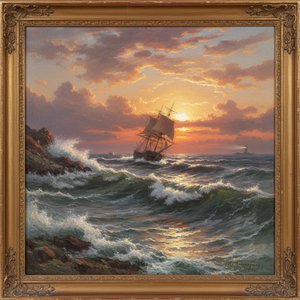
Ivan Aivazovsky: Mastering Light & Emotion in 19th-Century Marine Painting
Explore the captivating world of Ivan Aivazovsky, a master of 19th-century marine painting. Discover his techniques, iconic artworks & lasting legacy in this expert guide.
The Azure Depths: Exploring Representations of the Ocean in Art History
Explore the rich history of ocean art! Discover Romantic seascapes, renowned artists like Aivazovsky & Harris, and expert guidance for collectors at OriginalUniqueArt.com.
The Allure of the Horizon: A Comprehensive Exploration of Seascape Art Through History & Emotion
Explore the captivating world of seascape art! Discover its history, key artists & movements – from Dutch Masters to Impressionism. Expert insights for collectors and enthusiasts at OriginalUniqueArt.

Romantic Realism's Finest: 10 Masterpieces for Your Home | OriginalUniqueArt
Explore 10 defining masterpieces of Romantic Realism! Discover Courbet, Millet & Daumier's powerful paintings—capturing emotion and social realities. Find museum-quality reproductions for your home at OriginalUniqueArt.com.
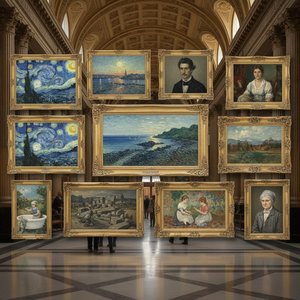
Capodopere ale Secolului al XIX-lea: 10 Lucrări de Artă Esențiale pentru Decorul Tău
Descoperă 10 capodopere ale secolului al XIX-lea! Explorează romantismul lui Delacroix, impresionismul lui Monet și realismul lui Courbet. Găsește inspirație pentru decorul tău cu reproduceri de artă de calitate muzeală pe OriginalUniqueArt.com.