

 Previzualizare
 Trimite prin felicitare
 Distribuie
 Detalii despre lucrare
 Ghid
Ghid

 Descarcă imaginea
 Produse similare
 Radiografie
 Galerie foto
 Statistici
Two Cranes
 Ink
Ink- WallArt
 1795
1795- Early Modern
 108.0 x 39.0 cm
 Vezi mai mult
Reproducere pictată manual în ulei
Pictură în ulei pe pânză, pictată manual de artiștii noștri la dimensiunea și ramele dorite de dumneavoastră, pe comandă. ( Comută pe versiunea Print Comută pe Imagine Digitală)




P118B lei10

P118H lei10

P118W lei10

P438Z lei10

P508JH lei12

P508YH lei12

P805H lei10

P805Z lei10

P919BZ lei10

P919G lei10

P919XJ lei10

P959ZH lei10

P968JZ lei12

W106C lei8

W218G lei10

W218JH lei8

W218Y lei10

W307PJ lei10

W316G lei10

W316PJ lei8

W316Y lei10

W398PJ lei8

W4111J lei10

W500HY lei15

W500JH lei15

W692G lei12

W849H lei8

W940BG lei15

W953PJ lei8




Alegeți dintre dimensiunile noastre prestabilite, care respectă proporțiile originale ale operei de artă.

Introduceți lățimea și înălțimea necesare pentru a se potrivi ramei sau peretelui dumneavoastră. Această lucrare este pictată manual, așa că, pentru o dimensiune cu o formă diferită, artistul poate picta puțin mai mult în jurul imaginii sau poate tăia puțin din margini — dumneavoastră decideți. Vă vom trimite o simulare digitală pentru aprobare înainte de a începe pictarea. Imaginea afișată pe această pagină nu reprezintă rezultatul real — doar simularea este reprezentativă.
După plasarea comenzii, echipa OriginalUniqueArt.com va contacta clientul prin e-mail pentru instrucțiuni și îi va furniza o previzualizare a machetei
Livrare în întreaga lume () în 3-4 săptămâni, în loc de cele 5 săptămâni standard. (25 Octombrie). Fără compromisuri în ceea ce privește calitatea.

Livrare expres gratuită la nivel mondial

Pânză de in de înaltă calitate

Asigurare completă pentru transport

Garanție de rambursare a taxelor vamale

Garanția fidelității culorilor

Politica de retur în 100 de zile (doar pentru defecte de fabricație)

Garanție de rambursare 100%

Ofertă pentru comenzi multiple
 Opțiunea cu sticlă este disponibilă doar pentru dimensiuni de sub 110 cm

Two Cranes
Tehnică de reproducere
Dimensiune reproducere
-


Preț total calculat
lei 1389
A Serene Encounter in the Snow
In the quietude of a winter landscape, two cranes stand as silent sentinels amidst a soft, dusting of snow. This exquisite work by the Edo-period master Itō Jakuchū captures a moment of profound stillness, inviting the viewer into a world where nature and spirit converge. The composition is elegantly elongated, drawing the eye upward along the slender, graceful necks of the birds, which seem to reach toward an unseen horizon. There is a rhythmic simplicity to the scene; the heavy, textured snowdrift at the base provides a grounded, earthy foundation that contrasts beautifully with the ethereal, almost weightless quality of the cranes' presence. It is a painting that does not merely depict a scene but evokes an atmosphere of deep, meditative peace.
The artistry of Jakuchū is revealed through his masterful command of the sumi-e tradition, blended with a unique, individualistic flair that set him apart from his contemporaries. Using ink and pigment on what was likely silk or fine paper, the artist employs a delicate range of tonal variations to breathe life into the subjects. The brushwork is both fluid and intentional; subtle, sweeping strokes define the contours of the birds' plumage, while more diffused, watery applications of ink create the soft, powdery texture of the snow. This technique allows for a sense of organic movement within a static moment, as if a light breeze might stir the feathers or disturb the frozen landscape at any second.
Symbolism and the Spirit of Japan
Beyond its visual elegance, this artwork is steeped in the rich symbolic language of Japanese culture. The crane, a central figure in East Asian iconography, is far more than a mere biological subject; it is a potent symbol of longevity, fidelity, and good fortune. By placing these two birds together within a desolate yet beautiful landscape, Jakuchū evokes themes of harmony and enduring companionship. The muted, earthy palette—dominated by shades of beige, grey, and soft brown—complements this spiritual depth, avoiding the distraction of vibrant color to focus instead on the essential essence of the subjects. A singular touch of red from the artist’s seal serves as a poignant reminder of the human hand behind the divine natural observation.
For the discerning collector or interior designer, this piece offers a timeless sophistication that transcends eras. Its understated elegance makes it an ideal centerpiece for spaces designed for contemplation, such as a library, a minimalist study, or a serene wellness retreat. The artwork’s ability to command attention through subtlety rather than spectacle ensures it remains a focal point of quiet strength. Whether viewed as a historical masterpiece of the Kyoto school or as a contemporary element of Zen-inspired decor, Two Cranes continues to resonate with anyone who finds beauty in the delicate balance between the ephemeral and the eternal.
Întrebări și răspunsuri
Ce nivel de saturație și intensitate prezintă "Two Cranes" de Ito Jakuchu?
Culorile din "Two Cranes" de Ito Jakuchu prezintă o saturație de Subtle Color cu o intensitate de Balanced.
Cât de intense sunt culorile în "Two Cranes" de Ito Jakuchu?
Intensitatea culorilor din "Two Cranes" este Balanced. Această intensitate descrie cât de puternice par a fi culorile.
Care este tehnica de execuție și dimensiunile pentru „Two Cranes”?
"Two Cranes" a fost realizat în Ink și măsoară 108 x 39 cm în forma sa originală.
Biografie artist
Viziunea unui negustor din Kyoto: Lumea lui Ito Jakuchu
Născut în 1716, în inima aglomeratului district Nishiki din Kyoto, Ito Jakuchu a apărut ca unul dintre cei mai originali și captivați artiști ai Japoniei. Spre deosebire de mulți dintre contemporanii săi, care urmăreau linii artistice consacrate, calea lui Jakuchu a fost modelată în mod unic de originile comerciale prospere ale familiei sale și de o implicare profund personală în filosofia budistă Zen. Tatăl său, Ito Genzaemon, era un grocer de succes, oferindu-i tânărului Jakuchu o educație confortabilă care i-a permis să își cultive talentul incipient pentru pictură încă de la o vârstă fragedă. Acest mediu comercial, totuși, i-a insuflat și o conștiință asupra schimbărilor sociale și a influenței tot mai mari a clasei de negustori din Kyoto — o perspectivă care avea să îi informeze subtil viziunea artistică. Deși se aștepta ca el să preia în cele din urmă afacerea familiei, pasiunea lui Jakuchu se afla în altă parte, un magnetism către capturarea esenței vieții prin pensulă și cerneală. După trecerea în neființă a tatălui său, când avea doar 23 de ani, Jakuchu a gestionat scurt magazinul înainte de a-l încredința fratelui său, dedicându-se în sfârșit pe deplin căutării artei.Ruptura cu tradiția: Stil și tematică
Stilul artistic al lui Ito Jakuchu reprezintă o fuziune fascinantă între realismul meticulos și experimentarea ludică. Deși profund înrădăcinat în subiecte tradiționale japoneze — în special păsări, flori și peisaje — el a infuzat opera sa cu un spirit inovator care l-a distins de mulți dintre contemporanii săi. A câștigat notorietate alături de Maruyama Okyo pentru reprezentările sale realiste, însă Jakuch\\u00adchu s-a aventurat dincolo de simpla imitarea naturii. Picturile sale sunt caracterizate prin culori vibrante, compoziții dinamice și o dorință de a sfida perspectivele convenționale. Străcsul, în special, a devenit un motiv recurent în opusul său, fiind ridicat din categoria animalelor umile de fermă în subiecte demne de o explorare artistică profundă. El nu picta pur și simplu *ceea* ce vedea, ci explora vitalitatea și caracterul inerent fiecărei creaturi. Dincolo de păsări, opera lui Jakuchu reflectă adesea temele budismului Zen — o liniște contemplativă, aprecierea pentru impermanență și venerația față de lumea naturală. Celebra sa lucrare Liana de fasole, de exemplu, nu este doar un studiu botanic, ci o meditație asupra creșterii, degradării și interconectivității tuturor lucrurilor. Reprezentările sale policrome magistrale — *doshoku sai-e* — sunt deosebit de celebrate, evidențiind o atenție extraordinară la detalii și o paletă vibrantă rar întâlnită în pictura japoneză din acea perioadă.Influența Zen și dezvoltarea artistică
Influența budismului Zen asupra artei lui Jakuchu este incontestabilă. El a devenit un frate laiar (*koji*) la templul Shokoku-ji din Kyoto, scufundându-se în principiile Zen care puneau accent pe experiența directă, intuiție și căutarea iluminării prin contemplare. Această ancorare spirituală i-a modelat profund abordarea artistică, cultivând un sentiment de detașare față de preocupările lumești și o concentrare neclintită pe capturarea esenței subiectelor sale. Se spune că a primit chiar și permisiunea specială de a studia picturile clasice chinezești din colecția templului, absorbind secole de tradiție artistică în timp ce își construia propria cale unică. Deși Jakuchu ar fi putut studia inițial sub îndrumarea lui Ōoka Shunboku, un artist al școlii Kano specializat în pictura cu păsări și flori, el a depășit rapid instruirea convențională, dezvoltând un stil idiosincratic care rezista oricărei categorisiri ușoare. Dorința sa de a sparge normele stabilite l-a aliniat cu „Linia Excentricilor” — o mișcare evidențiată de cartea influentă a lui Nobuo Tsuji, *Kisō no Keifu* (Linia Excentricilor). Această lucrare a apărut ca un apărător al artiștilor care au provocat convențiile artistice, consolidând locul lui Jakuchu ca o figură pivot în istoria artei japoneze.Moștenire și redescoperire
În ciuda talentului și dedicării sale, Ito Jakuchu a rămas relativ necunoscut pe parcursul vieții sale. Abia în secolul al XX-lea opera sa a început să primească o recunoaștere largă, în mare parte datorită cercetărilor lui Tsuji, care au revoluționat percepția asupra picturii din perioada Edo. Susținerea lui Tsuji pentru Jakuchu ca figură cheie în „Linia Excentricilor” a declanșat un interes reînnoit pentru arta sa și l-a consacrat drept unul dintre cei mai importan$'i și inovatori pictori ai Japoniei. Influența sa poate fi văzută și în dezvoltarea Ukiyo-e, genul popular de printuri pe lemn, demonstrând un impact mai larg asupra culturii artistice japoneze. Dispoziția lui Jakuchu de a experimenta cu perspectiva, culoarea și subiectele a deschis calea generațiilor viitoare de artiști de a sfida convențiile și de a explora noi posibilități creative. O biografie scrisă de monacul Zen Daiten Kenjo în 1766 oferă o perspectivă valoroasă asupra filosofiei artistice a lui Jakuchu, dezvăluind evitarea sa deliberată a figurilor umane — o alegere care subliniază concentrarea sa pe lumea naturală și pe frumusețea sa inerentă. Astăzi, Ito Jakuchu este sărbătorit nu doar pentru abilitatea sa tehnică, ci și pentru viziunea sa unică, fiind mărturia puterii durabile a unui artist care a îndrăznit să își creeze propria cale și să captureze spiritul timpului său cu o originalitate fără egal.Lucrări Remarcabile
- Cinci sute de Arhați: O lucrare monumentală ce demonstrează abilitatea și dedicarea extraordinară a lui Jakuchu.
- Hanshan și Shide (Kanzan și Jittoku): Demonstrează capacitatea sa de a surprinde esența culturii și folclorului japonez.
- Crabi și bujori: Un exemplu esențial al stilului său caracteristic, îmbinând detaliul meticulos cu culoarea vibrantă.
- Liana de fasole: O capodoperă sumi-e care întruchipează filosofia Zen și prezintă detalii intricate.
- Două crane: Exemplifică măiestria sa artistică în reprezentarea subiectelor aviare cu grație și precizie.
- Pin bătrân: O lucrare impresionantă ce demonstrează tehnica sa magistrală de pensulă (101 x 40 cm, mătase).

Ito Jakuchu
1716 - 1800 , Japonia
Detalii rapide
- Artistic Movement Or Style: Zen Ink Painting
- Artists Who Influenced This Artist: ['Ōoka Shunboku']
- Date Of Birth: March 2, 1716
- Date Of Death: October 27, 1800
- Full Name: Ito Jakuchū
- Nationality: Japanese
- Notable Artworks:
- Pictures of the Colorful Realm of Living Beings
- Hanshan and Shide
- Crabs and Peonies
- Place Of Birth: Kyoto, Japan
Articole similare

Katsushika Hokusai: Cele Mai Iubite 25 de Opere de Artă – Inspirație pentru Decorul Casei Tale
Descoperă cele mai frumoase 25 de opere de artă semnate de Katsushika Hokusai, maestru ukiyo-e. Explorează istoria valului Kanagawa și a picturilor japoneze iconice. Reproduceri de calitate muzeală pentru decorul casei tale pe OriginalUniqueArt.com!

Peisaje Romantice Iconice: 10 Capodopere Artistice pentru Decorul de Lux
Descoperă 10 capodopere romantice iconice de Caspar David Friedrich, Turner și alți maeștri. Explorează istoria artei, emoțiile din peisaje și găsește tablouri canvas perfecte pentru decorul tău pe OriginalUniqueArt.com!

Evocations of Place: A Historical Journey Through Landscape Art
Explore the rich history of landscape art with OriginalUniqueArt. Discover renowned artists, movements like Impressionism & Romanticism, and expert guidance for collecting timeless pieces. Find your perfect serene escape today!
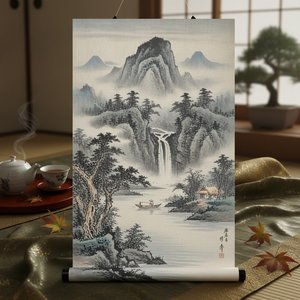
Serenity on Canvas: A Guide to the Timeless Beauty of Japanese Landscape Painting
Discover the serene beauty of Japanese landscape painting. From Hokusai's iconic woodblock prints to meditative sumi-e ink washes, explore a visual journey through the 'floating world' and learn how to bring this timeless Zen aesthetic into your modern home decor.
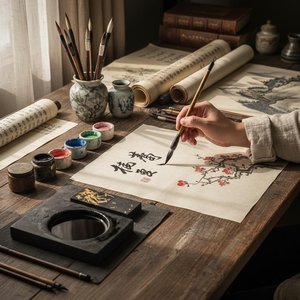
The Alchemy of Ink: Mastering the Timeless Beauty and Art History of Paper and Brush
Embark on a sophisticated exploration of ink wash painting and Sumi-e. Uncover the profound historical lineages, Zen philosophies, and technical mastery behind this timeless medium in our authoritative guide for fine art enthusiasts.
