

 Vezi în context
 Trimite
 Distribuie
 Detalii
 Ghidul

 Descarcă
 Produse similare
 Radiografie
 Diaporama
 Statistici
Shipping off Sheerness
 Baroque
 1680
1680 107.0 x 173.0 cm
 Ferens Art Gallery
 Citește mai mult
Reproducere pictată manual în ulei
Pictură în ulei pe pânză, realizată manual de artiștii noștri la dimensiunea și ramele dorite de dumneavoastră, pe comandă. ( Comută pe versiunea Print Treci la imagine digitală)




P118B lei10

P118H lei10

P118W lei10

P438Z lei10

P508JH lei12

P508YH lei12

P805H lei10

P805Z lei10

P919BZ lei10

P919G lei10

P919XJ lei10

P959ZH lei10

P968JZ lei12

W106C lei8

W218G lei10

W218JH lei8

W218Y lei10

W307PJ lei10

W316G lei10

W316PJ lei8

W316Y lei10

W398PJ lei8

W4111J lei10

W500HY lei15

W500JH lei15

W692G lei12

W849H lei8

W940BG lei15

W953PJ lei8




Alegeți dintre dimensiunile noastre prestabilite, care respectă proporțiile originale ale operei de artă.

Introduceți lățimea și înălțimea de care aveți nevoie, pentru a se potrivi ramei sau peretelui dumneavoastră. Această lucrare este pictată manual, așa că pentru o dimensiune cu o formă diferită, artistul poate picta puțin mai mult în jurul imaginii sau poate tăia puțin din margini — dumneavoastră decideți. Vă vom trimite o simulare digitală pentru aprobare înainte de a începe pictarea. Imaginea afișată pe această pagină nu reprezintă rezultatul real — doar simularea este reprezentativă.
După plasarea comenzii, echipa OriginalUniqueArt.com va contacta clientul prin e-mail pentru instrucțiuni și îi va furniza o previzualizare a machetei
Livrare în întreaga lume () în 3-4 săptămâni, în loc de cele 5 săptămâni standard. (23 Octombrie). Fără compromisuri în ceea ce privește calitatea.

Livrare expres gratuită la nivel mondial

Pânză de in premium

Asigurare completă pentru transport

Garanție de rambursare a taxelor vamale

Garanția fidelității culorilor

Politica de retur în 100 de zile (doar pentru defecte)

Garanție de rambursare 100%

Reducere pentru comenzi multiple
 Opțiunea cu sticlă este disponibilă doar pentru dimensiuni de sub 110 cm

Shipping off Sheerness
Tip de reproducere
Dimensiune reproducere
-


Preț total
lei 1388
Biografie artist
Isaac Sailmaker: The Father of British Sea Painting
The world of 17th and 18th-century maritime art is often dominated by the grand narratives of Dutch masters – Willem van de Velde the Elder and his son, Willem van de Velde the Younger. Yet, amidst this established order emerged a figure whose contribution was initially overshadowed, yet now increasingly recognized: Isaac Sailmaker. Born in Scheveningen, Netherlands, around 1633, Sailmaker’s life unfolded as a journey from apprenticeship to a distinguished career as a marine painter in England, earning him the title of “the father of British sea painting.” His legacy lies not just in his impressive depictions of ships and naval action, but also in his pioneering role in establishing a distinctly English style within this burgeoning genre.
Sailmaker’s early life remains somewhat shrouded in mystery. He began his artistic training as an apprentice under George Geldorp, a Flemish portraitist and art dealer who had relocated to London from the Dutch Republic. Geldorp's studio provided a foundation, but crucially, it wasn’t a traditional marine artist’s workshop. This meant Sailmaker’s initial exposure to the subject matter was likely through the lens of portraiture and broader artistic practices rather than directly immersed in the specialized techniques of depicting naval scenes. It is believed that he later worked alongside Willem van de Velde the Younger, further honing his skills within a competitive environment.
A Career Shaped by Commissions and Collaboration
Sailmaker’s career gained significant momentum through commissions from influential figures during the period of Oliver Cromwell's Lordship. Notably, he was entrusted with painting the English fleet at Fort-Mardyck in 1657 – a pivotal moment in England’s struggle against the Dutch Republic. This commission, though historically important, unfortunately resulted in the loss of all surviving paintings from this period, leaving us with only fragmented accounts and scholarly speculation about their appearance. Following Cromwell's rule, Sailmaker continued to receive commissions from other prominent figures, including Colonel John Lovett, MP, further solidifying his position within the London art market.
Despite these prestigious assignments, Sailmaker’s work remained largely unrecognized for centuries. This obscurity stemmed partly from a lack of signed paintings – a rarity in his era – and partly from the dominance of the Van de Velde family's style. His paintings were frequently attributed to other artists, particularly Willem van de Velde the Younger, until meticulous research and stylistic analysis began to reveal their unique characteristics.
A Distinctive Style: Restraint and Detail
Sailmaker’s artistic approach is immediately recognizable through a combination of technical choices and stylistic preferences. Unlike some of his contemporaries who embraced brighter palettes and dramatic compositions, Sailmaker favored a more restrained color scheme, primarily utilizing shades of grey, green, and black. This deliberate limitation created a sense of atmospheric depth and realism, particularly effective in depicting the often-dramatic conditions of the sea. His paintings are characterized by meticulous detail – from the rigging of ships to the textures of sails – reflecting a commitment to accuracy and observation.
A key element of Sailmaker’s style is his rendering of flags. He employed subtle, vertical ruffles across these emblems, adding a touch of realism and visual interest that distinguishes his work from other depictions of naval banners. Furthermore, he frequently incorporated small “gold blobs” to represent gilded details – a technique indicative of the wealth and status associated with the ships he portrayed.
Notable Works and Lasting Significance
Among Sailmaker’s surviving paintings is "Shipping off Sheerness," a captivating depiction of sailing vessels under a cloudy sky. This work, painted around 1680, exemplifies his mastery of maritime subject matter and his ability to capture the essence of naval life. Another significant piece is an engraving after his painting of the Eddystone Lighthouse (built in 1709), which was definitively attributed to Sailmaker in the 20th century based on documentary evidence. These works, along with others now housed in collections like the Yale Center for British Art, offer valuable insights into the artistic landscape of 17th and 18th-century England.
Isaac Sailmaker’s contribution to British art is often underestimated, yet he deserves recognition as a pivotal figure in establishing a distinct national style within marine painting. His dedication to realism, his restrained palette, and his meticulous attention to detail set him apart from his contemporaries and laid the groundwork for future generations of British naval artists. Today, Sailmaker’s paintings are treasured examples of maritime art, offering a glimpse into a world of seafaring adventure, political intrigue, and artistic innovation.

Isaac Sailmaker
1633 - 1721
Informații rapide
- Artistic Movement Or Style: Marine painting
- Artists Or Movements Influenced By This Artist: ['Isaac Sailmaker']
- Artists Who Influenced This Artist:
- Willem van de Velde the Elder
- Willem van de Velde the Younger
- Date Of Birth: 1633
- Date Of Death: 1721
- Full Name: Isaac Zeilmaker
- Nationality: Dutch
- Notable Artworks:
- Eddystone Lighthouse
- Shipping off Sheerness
- Place Of Birth: Scheveningen, Netherlands
Articole conexe
Întrebări Frecvente : Calculul Costurilor de Livrare pentru Comenzi de Artă – Ghid Detaliat
Descoperiți cum calculează costurile de livrare pentru comenzi de artă. Ghid detaliat pentru colecționari, cu informații despre ambalare sigură, asigurare și transport internațional.
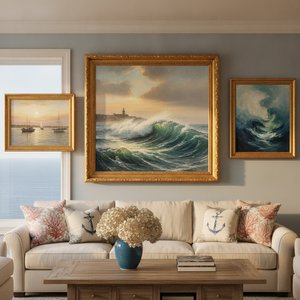
Bring the Ocean Home: Captivating Maritime Paintings to Transform Your Space with Timeless Elegance
Transform your home with breathtaking maritime oil paintings. From serene seascapes to dramatic nautical scenes, discover hand-painted reproductions that bring the ocean's soul to your space. Expertly crafted for collectors seeking timeless elegance and coastal tranquility.
F.A.Q.: Livrare Gratuită în Toată Lumea – Informații Esențiale pentru Colecționari
oferă livrare gratuită globală pentru reproduceri de tablouri realizate manual. Descoperiți opere de artă excepționale, garanție de calitate și suport dedicat colecționarilor.

Willem van de Velde the Elder: Master of Maritime Painting & Chronicler of the Dutch Golden Age
Discover the captivating maritime paintings of Willem van de Velde the Elder, a master chronicler of the Dutch Golden Age. Explore his unparalleled realism and lasting influence on naval art history.
Livrare și Retururi
APS oferă expediții internaționale de artă cu grijă de nivel muzeal, urmărire completă și garanție de rambursare în 30 de zile. De la asistență vamală până la Priority Production, aveți încredere într-un serviciu transparent, ambalare securizată și livrare fiabilă pentru colecționari, designeri și galerii.