

 Vezi în context
 Trimite
 Distribuie
 Detalii
 Ghidul

 Descarcă
 Produse similare
 Radiografie
 Diaporama
 Statistici
Installation View


 Citește mai mult
Lucrarea de artă afișată pe această pagină este protejată de legile privind drepturile de autor, ceea ce înseamnă că nu putem crea sau vinde în mod legal o reproducere identică. Această protecție este garantată prin acorduri internaționale, precum Convenția de la Berna și de legile naționale, inclusiv cele prevăzute de Legea dreptului de autor din S.U.A. – Titlul 17. Toate drepturile rezervate. Orice reproducere neautorizată este interzisă.
Ca alternativă respectuoasă și legală, oferim tablouri pictate manual, personalizate, inspirate de original. Artistii noștri experimentați și profesioniști studiază cu atenție stilul, starea de spirit și esența artistică a originalului pentru a crea o piesă nouă și unică, care evocă aceeași emoție – rămânând, în același timp, o creație originală în sine.
Această metodă respectă pe deplin reglementările privind drepturile de autor, deoarece nu implică copierea sau duplicarea operei protejate. În schimb, este o reinterpretare creativă – o pictură nouă, influențată de original, dar care nu este identică cu acesta.
Reproducere pictată manual în ulei
Pictură în ulei pe pânză, realizată manual de artiștii noștri la dimensiunea și ramele dorite de dumneavoastră, pe comandă. ( Comută pe versiunea Print Treci la imagine digitală)




P118B lei10

P118H lei10

P118W lei10

P438Z lei10

P508JH lei12

P508YH lei12

P805H lei10

P805Z lei10

P919BZ lei10

P919G lei10

P919XJ lei10

P959ZH lei10

P968JZ lei12

W106C lei8

W218G lei10

W218JH lei8

W218Y lei10

W307PJ lei10

W316G lei10

W316PJ lei8

W316Y lei10

W398PJ lei8

W4111J lei10

W500HY lei15

W500JH lei15

W692G lei12

W849H lei8

W940BG lei15

W953PJ lei8




Alegeți dintre dimensiunile noastre prestabilite, care respectă proporțiile originale ale operei de artă.

Introduceți lățimea și înălțimea de care aveți nevoie, pentru a se potrivi ramei sau peretelui dumneavoastră. Această lucrare este pictată manual, așa că pentru o dimensiune cu o formă diferită, artistul poate picta puțin mai mult în jurul imaginii sau poate tăia puțin din margini — dumneavoastră decideți. Vă vom trimite o simulare digitală pentru aprobare înainte de a începe pictarea. Imaginea afișată pe această pagină nu reprezintă rezultatul real — doar simularea este reprezentativă.
După plasarea comenzii, echipa OriginalUniqueArt.com va contacta clientul prin e-mail pentru instrucțiuni și îi va furniza o previzualizare a machetei
Livrare în întreaga lume () în 3-4 săptămâni, în loc de cele 5 săptămâni standard. (21 Octombrie). Fără compromisuri în ceea ce privește calitatea.

Livrare expres gratuită la nivel mondial

Pânză de in premium

Asigurare completă pentru transport

Garanție de rambursare a taxelor vamale

Garanția fidelității culorilor

Politica de retur în 100 de zile (doar pentru defecte)

Garanție de rambursare 100%

Reducere pentru comenzi multiple
 Opțiunea cu sticlă este disponibilă doar pentru dimensiuni de sub 110 cm

Installation View
Tip de reproducere
Dimensiune reproducere
-


Preț total
lei 1379
A Desert Soul Captured: Inji Efflatoun's "Installation View"
The photograph presents a carefully orchestrated tableau – an “Installation View” as the caption suggests, capturing Inji Efflatoun’s work within the serene confines of a minimalist gallery space. It’s not merely a display of paintings; it’s a deliberate composition designed to invite contemplation and reveal the artist's profound connection to her Egyptian heritage. The stark white walls act as a powerful counterpoint to the vibrant, earthy tones and intricate patterns that dominate the artwork itself, drawing our attention directly to Efflatoun’s evocative vision.
The arrangement of the four canvases – a dynamic abstract piece, a small square study, a textured mid-scale work, and a larger, richly detailed composition – suggests a deliberate progression. It's as if we are invited on a journey through the artist’s creative process, from the immediate impact of color and form to a more nuanced exploration of human experience and the landscape that shaped her perspective. The muted grayscale of the photograph itself subtly enhances the intensity of the colors within the paintings, creating a visual dialogue between stillness and movement.
Echoes of Revolution: Context and Influences
To fully appreciate “Installation View,” it’s crucial to understand the historical and political context in which Inji Efflatoun created her art. Born in Cairo in 1924, she lived through a period of immense social upheaval – the rise of Egyptian nationalism, the tumultuous years under Gamal Abdel Nasser's regime, and the burgeoning feminist movement. Her life was marked by both periods of vibrant creativity and harrowing imprisonment for her political activism. This experience profoundly shaped her artistic vision, imbuing it with a raw honesty and a deep commitment to social justice.
Efflatoun’s early training under Kamel El Telmissany, a key figure in the Surrealist-influenced Art and Liberty Group, provided a crucial foundation. This group, dedicated to challenging established artistic conventions and advocating for political freedom, exposed Efflatoun to innovative techniques and a spirit of rebellion. Her work subsequently absorbed elements of Cubism and Surrealism, reflecting her desire to deconstruct traditional representations and explore the subconscious depths of human experience. The influence of Egyptian folk traditions, gleaned from her travels through rural areas like Nubia, further enriched her palette and subject matter, grounding her abstract explorations in a tangible connection to her homeland.
Symbolic Landscapes: Unveiling Meaning
The paintings themselves offer a rich tapestry of symbolic imagery. “Banana Trees,” “Flower Behind the Wall,” “Palm Trees,” “Mountains,” and “Workers” are not simply depictions of natural elements or labor scenes; they’re windows into Efflatoun's soul, reflecting her profound engagement with the realities of Egyptian life. The recurring motifs – trees, walls, mountains, and workers – represent a complex interplay of themes: resilience in the face of adversity, the struggle for survival, the beauty of the natural world, and the enduring spirit of the Egyptian people.
The small square painting, often interpreted as “Flower Behind the Wall,” is particularly poignant. It suggests that even amidst hardship and constraint, there remains a glimmer of hope and beauty – a reminder of the potential for growth and renewal. The larger composition featuring figures and patterns likely depicts scenes of rural labor, capturing the rhythmic movements and dignified endurance of the peasantry, while simultaneously hinting at the broader social inequalities that plagued Egyptian society.
A Legacy of Bold Vision
Inji Efflatoun’s “Installation View” is more than just a photograph; it's a testament to an artist who dared to challenge conventions and speak truth to power. Her work, imbued with passion, intellect, and a deep love for her country, continues to resonate today as a powerful reminder of the importance of social justice, artistic freedom, and the enduring beauty of the Egyptian landscape. Reproductions of her paintings offer a unique opportunity to bring this extraordinary vision into your home or office, serving as both a work of art and a poignant reflection on a remarkable life.
Întrebări și răspunsuri
Unde pot găsi statistici despre "Installation View" de Inji Efflatoun?
Statistici despre "Installation View" de Inji Efflatoun se regăsesc pe pagina Statistici a operei de artă: vizitele lunare ale operei, vizitele lucrărilor artistului și distribuția pe țări și limbi pentru vizitatorii recenti.
"Installation View" de Inji Efflatoun este o operă de artă luminoasă sau întunecată?
În general, "Installation View" este înregistrată ca având o brilliant. Luminozitatea percepută descrie cât de deschisă sau întunecată pare lucrarea.
Din ce motive statutul drepturilor de autor pentru "Installation View" este cel actual?
"Installation View" de Inji Efflatoun este în încă protejată de drepturile de autor. Durata protecției drepturilor de autor începe de la moartea artistului, care a avut loc în 1989.
Biografie artist
A Vision of Resilience: The Life and Art of Inji Efflatoun
In the vibrant and often turbulent landscape of twentieth-century Egyptian art, few figures command as much respect and profound emotional resonance as Inji Efflatoun. A pioneer of modern Egyptian art, her life was a seamless tapestry woven from the threads of creative brilliance and fierce political activism. Born in Cairo, Egypt, into a family with deep intellectual roots, Efflatoun emerged not merely as a painter, but as a leading spokeswoman for the Marxist-progressive-nationalist-feminist movement during the transformative decades of the 1940s and 1950s. Her work serves as a visceral testament to the struggles of her era, capturing the very soul of a nation in flux.
Her artistic journey was deeply informed by her early exposure to diverse social realities. Growing up in Cairo, she navigated environments ranging from the traditional and bourgeois to the radical intellectual circles of the Art and Freedom Group. Under the mentorship of figures like Kamel El Telmissany, she developed a foundation that allowed her to bridge the gap between aesthetic innovation and social commentary. Her canvases often act as windows into everyday Egyptian life, utilizing earthy tones and intricate patterns to evoke a sense of heritage and connection to the land.
The Canvas as Witness: Themes and Technique
Efflatoun’s oeuvre is characterized by its ability to transcend mere depiction, moving into the realm of the symbolic and the haunting. Her technique often merged the raw, energetic spirit of expressionism with a stark, skeletal minimalism. This approach is perhaps most powerfully realized in her later works, where she stripped away the unnecessary to focus on the essential agony of human existence. In masterpieces such as Workers, one encounters a harrowing scene of figures suspended against bare trees—a tableau that captures the heavy cost of political and social upheaval with a rhythmic yet unsettling movement.
Her subject matter frequently turned toward the dignity of labor and the resilience of the common person. In works like The Worker, she employed an impressionistic style and warm tones to capture the essence of rural labor. Yet, this warmth was often juxtaposed against the darker realities of her lived experience. The following elements define much of her visual language:
- Social Realism: A profound commitment to depicting the struggles of the working class and the impact of political shifts on the populace.
- Symbolic Landscapes: The use of skeletal trees, desolate landscapes, and stark silhouettes to mirror internal and national desolation.
- Textural Depth: An exploration of historical textures and the use of negative space to create a sense of profound depth and emotional gravity.
Artistry Amidst Adversity
The most defining period of Efflatoun’s life, and perhaps the most poignant for her artistic development, was her time in prison. Imprisoned by the Nasserite regime between 1959 and 1963 due to her communist ties, she found herself in a position where her art became a tool for documenting the unrenewable. This period of incarceration produced works that are often considered the highlight of her oeuvre, serving as both a documentary record of the oppression faced by political opponents and a secret window into the reality of women’s prisons.
These paintings from her imprisonment possess an extraordinary intensity, shedding light on a hidden reality through a lens of raw honesty. Her ability to transform the trauma of confinement into profound visual testimony solidified her historical significance. She did not merely paint the world she saw; she painted the weight of existence itself, ensuring that the sacrifices and the resilience of the Egyptian people would be etched into the annals of modern art history.

Inji Efflatoun
1924 - 1989 , Egypt
Informații rapide
- Artistic Movement Or Style: Modern Egyptian art; Expressionism
- Artists Who Influenced This Artist: ['Kamel El Telmissany']
- Full Name: Inji Efflatoun
- Nationality: Egyptian
- Notable Artworks:
- The Worker
- Workers
- Installation View
- Place Of Birth: Cairo, Egypt
- Date Of Birth: 1924
- Date Of Death: 1989
Articole conexe
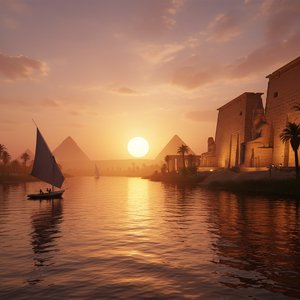
Golden Hour on the Nile: Symbolism & Artistic Legacy of Egyptian Sunsets
Explore the rich symbolism of Egyptian sunset paintings & their artistic legacy. Discover how color, ritual, and landscape shaped ancient beliefs – a guide for discerning collectors.
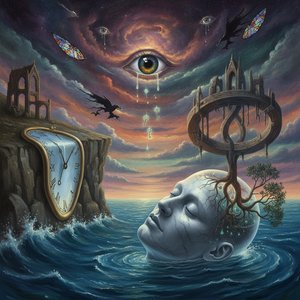
Surrealist Expression: Unlocking the Power of Dreams and the Subconscious through Art History
Explore the profound depths of Surrealism. From Dalí’s dreamscapes to Magritte’s enigmas, master the history of the subconscious mind through our expert art guide and discover museum-quality oil reproductions of the world's most iconic surrealist masterpieces.
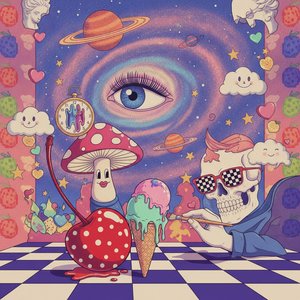
Pop Surrealism Unveiled: The Sophisticated Intersection of Vibrant Pop Art and Dreamlike Subconscious Landscapes
Explore the captivating world of Pop Surrealism. Discover how vibrant Pop Art meets dreamlike subconscious imagery through the works of masters like Jeff Soto and Ryan Heshka. An expert guide for discerning collectors seeking to understand this profound contemporary art movement.
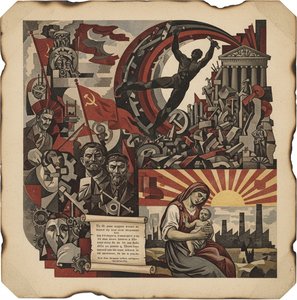
Echoes of Revolution: Artistic Responses to the Tumultuous Year of 1917
Explore the powerful artistic responses to the 1917 Russian Revolution. Discover key artists like Chagall, Lotonina & Baratynsky and their enduring legacy. Learn about avant-garde movements, propaganda, and Stalin's impact on art.
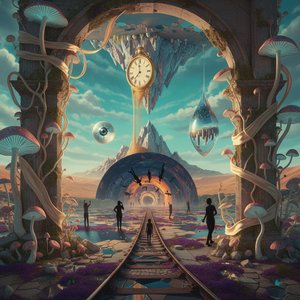
Dreamscapes & Disrupted Realities: Exploring Surrealism's Enduring Influence
Explore the fascinating world of Surrealism! Discover its origins, key artists like Dalí & Magritte, and enduring influence on art & culture. Expert insights & high-quality reproductions at OriginalUniqueArt.
