- Acasă

- Reproducere Tablou în Ulei
- Ingrid Calame
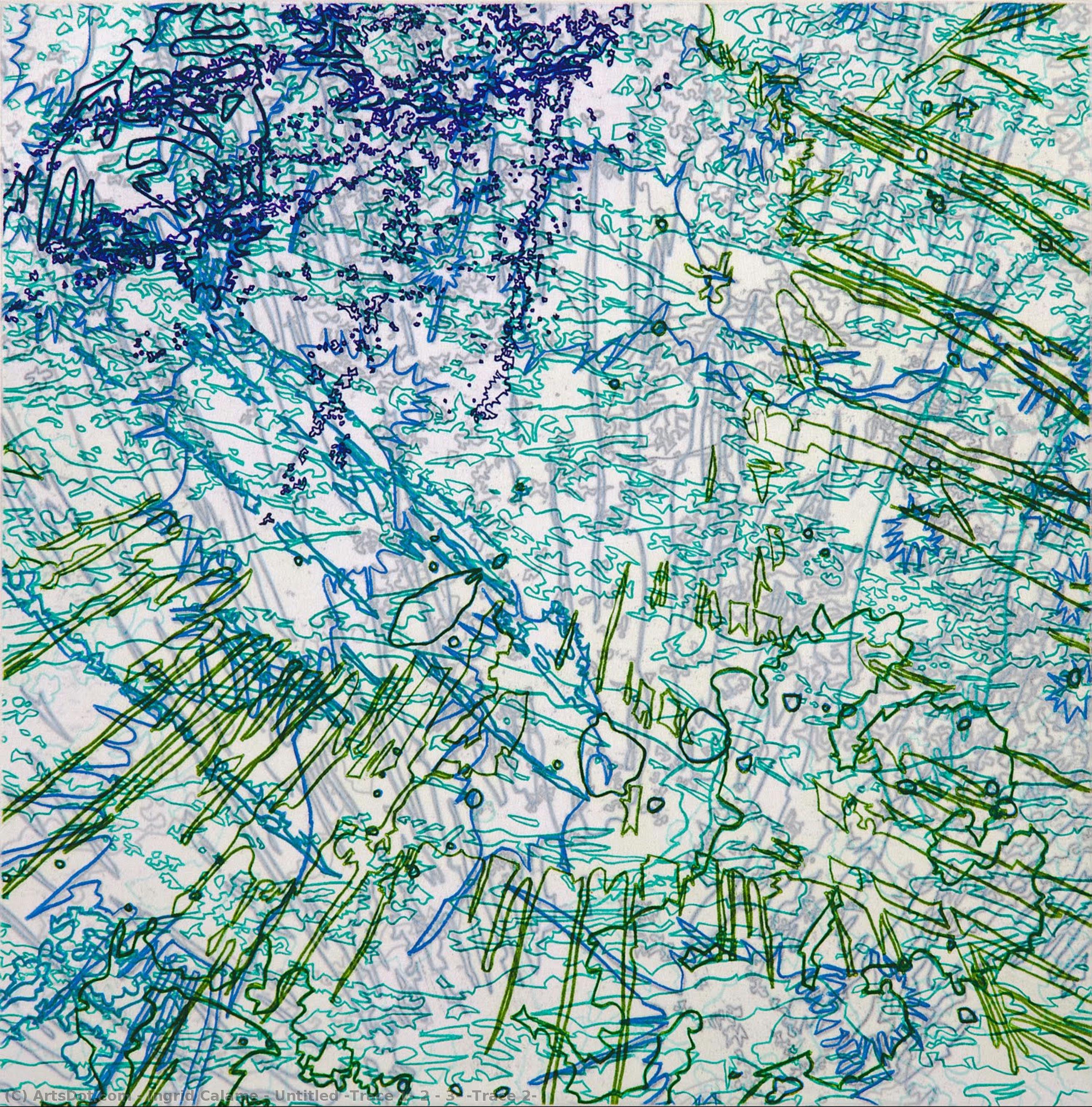
- Untitled (Trace 1, 2 & 3) (Trace 2)
 Preview
 Comandă tipăritul Cumpără imaginea
 Trimite
 Distribuie
 Detalii despre lucrare
 Adaugă la favorite

 Descarcă
 Similare
 Radiografie
 Diaporama
Untitled (Trace 1, 2 & 3) (Trace 2)


 Vezi mai mult
Reproducere manuală în ulei
Pictură în ulei pe pânză, pictată manual, la dimensiunea și ramele dorite de dumneavoastră, realizată la comandă de artiștii noștri.




P118B $10

P118H $10

P118W $10

P438Z $10

P508JH $12

P508YH $12

P805H $10

P805Z $10

P919BZ $10

P919G $10

P919XJ $10

P959ZH $10

P968JZ $12

W106C $8

W218G $10

W218JH $8

W218Y $10

W307PJ $10

W316G $10

W316PJ $8

W316Y $10

W398PJ $8

W4111J $10

W500HY $15

W500JH $15

W692G $12

W849H $8

W940BG $15

W953PJ $8




Alegeți dintre dimensiunile noastre prestabilite, care respectă proporțiile originale ale operei de artă.

Puteți introduce propriile dimensiuni pentru a se potrivi unui anumit cadru sau spațiu. Dacă dimensiunea selectată nu corespunde proporțiilor imaginii originale, vom decupa opera de artă sau vom extinde pictura cu elemente suplimentare pictate manual. O simulare digitală vă va fi trimisă pentru aprobare înainte de începerea producției.
Vă rugăm să rețineți că previzualizarea de pe ecran nu reflectă decuparea sau extinderea reală. Doar macheta va arăta cu exactitate compoziția finală.
Deși sunt disponibile dimensiuni personalizate, vă recomandăm să selectați o dimensiune din lista predefinită pentru a păstra proporțiile originale.
După plasarea comenzii, echipa OriginalUniqueArt.com va trimite clientului instrucțiuni prin e-mail și îi va furniza o previzualizare a machetei
Livrare în întreaga lume () în 3/4 săptămâni, în loc de cele 5 săptămâni standard. (26 Iulie). Fără compromisuri în ceea ce privește calitatea.

Livrare expres gratuită la nivel mondial

Pânză de in de înaltă calitate

Asigurare completă pentru transport

Garanție de rambursare a taxelor vamale

Garanția fidelității culorilor

Politica de retur de 60 de zile (doar pentru defecte)

Garanție 100% de rambursare

Reducere la comenzi multiple
 Opțiunea cu sticlă este disponibilă doar pentru dimensiuni de sub 110 cm

Untitled (Trace 1, 2 & 3) (Trace 2)
Tehnică de reproducere
Dimensiune reproducere
-


Preț total calculat
-
Descriere operă de artă
The Ephemeral Language of the City
Ingrid Calame’s work invites us into an intimate dialogue with the overlooked textures of modern urban life. This piece, Untitled (Trace 1, 2 & 3) (Trace 2), is not merely a painting; it is a cartography of memory, a vibrant record compiled from the accidental poetry found on city streets. Calame’s unique practice involves physically tracing markings—the grooves, the stains, the spontaneous graffiti—found on various urban surfaces directly onto Mylar. This labor-intensive process imbues every line with the weight of its origin, connecting the grand sweep of metropolitan existence to the delicate gesture of a single passing shoe or spilled liquid. The resulting artwork is a mesmerizing tapestry where the detritus of daily routine is elevated to high art.A Symphony in Overlapping Color and Movement
Visually, the piece explodes with controlled chaos. Against a deep, resonant blue background, Calame layers soft pastels alongside vivid primary colors—greens, purples, yellows, and oranges—that seem to vibrate against one another. The composition is defined by intertwining, overlapping lines that swirl endlessly, suggesting an ongoing, restless movement. It feels as if the viewer has stumbled upon a moment of pure kinetic energy captured on canvas. These markings do not simply exist; they interact, creating new hues where they meet and developing complex visual narratives through their sheer density. The careful interplay between these vibrant marks and the negative space surrounding them is what gives the piece its profound sense of breath and quietude.Technique: Tracing Time Itself
The technical mastery displayed here is remarkable. Calame’s method transforms found ephemera into permanent, luminous art. By tracing directly from real-world textures, she bypasses traditional pictorial representation in favor of a more immediate, almost forensic documentation of surface life. The resulting mixed media quality suggests both the spontaneity of street art and the meticulous care of an archival study. For collectors or designers seeking reproduction, understanding this process is key: owning this piece means acquiring a tangible echo of urban passage, rendered with painstaking devotion to detail.Symbolism and Emotional Resonance
What does it mean to trace what has already been left behind? Symbolically, Calame’s work speaks to the transient nature of existence in densely populated areas. The lines are traces—remnants of human activity that fade but never entirely disappear. They evoke a sense of beautiful melancholy; we are confronted with the beauty inherent in things that are imperfect, temporary, and constantly being overwritten by the next moment. Emotionally, the piece is both exhilarating due to its vibrant energy and deeply calming because it forces us to slow down, to look closely at what we usually walk past without seeing. It invites contemplation on pattern, passage, and persistence.Biografie artist
Ingrid Calame: A Life in Traces
Early Life and Education
- Born in 1965 in The Bronx, New York, Ingrid Calame spent her formative years in Westchester County.
- Her parents worked in the fields of physical education and physical therapy, providing a practical backdrop to her developing artistic sensibilities.
- Initially drawn to dance, Calame later shifted her focus to painting, recognizing its potential for expressing her creative vision.
- She earned a Bachelor of Fine Arts from the State University of New York at Purchase and further honed her skills with a Master of Fine Arts degree from the California Institute of the Arts.
Artistic Development and Influences
- Calame’s artistic journey began to take shape after earning her MFA in 1996, marked by an exploration of accidental spills on her studio floor. She re-presented these spontaneous occurrences as deliberate art.
- A pivotal moment came with revelations about her grandmother's death, prompting a deeper investigation into themes of mortality and the traces humans leave behind.
- Her work is influenced by a desire to capture the ephemeral nature of existence and the often-overlooked details of everyday life.
- While not directly tied to a specific movement, Calame’s abstract style aligns with Abstract Expressionism, emphasizing process and emotional resonance.
Key Themes and Techniques
- Calame is renowned for her unique technique of tracing marks found in public spaces – stains, cracks, tire tracks, graffiti – transforming them into complex abstract compositions.
- Her paintings often resemble maps, though she emphasizes that they are not literal representations but rather explorations of “micro-mapping” and the inherent cartographic impulse within us.
- Human detritus serves as a central theme, prompting reflection on our presence in the world and the traces we inevitably leave behind.
- She employs layering techniques, building up tracings to create richly textured and visually compelling surfaces.
Major Achievements and Exhibitions
- Calame’s work has been exhibited internationally, gaining recognition in prestigious institutions such as the Los Angeles Museum of Contemporary Art (LACMA), the Whitney Museum of American Art, and the Museum of Modern Art (MoMA) in New York City.
- She was included in the 2000 Whitney Biennial, a significant platform for contemporary American art.
- Notable exhibitions include site-specific commissions at the Indianapolis Museum of Art (“Ingrid Calame: Traces of the Indianapolis Motor Speedway”) and an artist residency at the Albright-Knox Art Gallery, where she traced marks throughout Buffalo, New York.
Historical Significance and Legacy
- Ingrid Calame’s work challenges traditional notions of representation and abstraction, offering a unique perspective on the relationship between art and everyday life.
- Her exploration of overlooked details and ephemeral traces encourages viewers to reconsider their surroundings and appreciate the beauty in the mundane.
- By transforming accidental marks into deliberate artworks, she raises questions about authorship, intention, and the nature of artistic creation.
- Calame’s influence can be seen in contemporary artists who explore similar themes of site-specificity, abstraction, and the human impact on the environment.

Ingrid Calame
1965 - , United States of America
Detalii rapide
- Birth Date: 1965
- Birth Place: The Bronx, New York City, United States
- Movement:
- Abstract art
- Abstract expressionism
- Name: Ingrid Calame
- Nationality: American
- Notable Works:
- Untitled (Trace 1, 2 & 3)
- Traces of the Indianapolis Motor Speedway
Articole conexe

Wassily Kandinsky: Cele Mai Iconice 25 De Opere – Artă Abstractă pentru Decor Rafinat
Descoperă cele mai emblematice 25 de opere ale lui Wassily Kandinsky, pionierul artei abstracte! Explorează culorile vibrante, compozițiile unice și istoria fascinantă din spatele fiecărei picturi. Reproduceri de calitate muzeală pe OriginalUniqueArt.com – inspiră-ți decorul cu artă modernă!
Fernand Léger: Cele Mai Iconice 25 de Opere – Artă Modernă pentru Decorul Tău
Descoperă cele mai importante 25 de opere ale lui Fernand Léger – pionier al cubismului și tubismului! Explorează istoria, tehnicile și semnificația fiecărei pânze. Reproduceri artă de calitate muzeală pentru un decor modern și sofisticat pe OriginalUniqueArt.com.
Metropolitan Museum of Art: Top 25 de capodopere pentru o casă inspirată
Descoperă top 25 de capodopere din Metropolitan Museum of Art, New York! Explorează poveștile lui Monet, Van Gogh și Rembrandt. Găsește inspirație pentru decorul casei tale cu reproduceri artă de calitate muzeală pe OriginalUniqueArt.com.
Henri Matisse: Cele Mai Iconice 25 De Opere – Artă, Decorațiuni și Inspirație
Descoperă cele mai emblematice 25 de opere ale lui Henri Matisse! Explorează fauvismul, culorile vibrante și stilul unic al artistului francez. Reproduceri tablouri de calitate muzeală & inspirație pentru decor pe OriginalUniqueArt.com.

Top 25 de Capodopere James Abbott McNeill Whistler: Artă, Istorie și Decor Excepțional
Descoperă top 25 de picturi James Abbott McNeill Whistler, maeștri ai impresionismului și esteticismului. Explorează nocturnele, portretele și capodoperele sale pline de atmosferă pe OriginalUniqueArt.com! Reproduceri artă de calitate superioară pentru decorul perfect.

