

 Vezi în context
 Trimite
 Distribuie
 Detalii
 Ghidul

 Descarcă
 Produse similare
 Radiografie
 Diaporama
 Statistici
Rubber Plant 3
 Acrylic On Canvas
- WallArt
- Group f/64
 1929
1929 50.0 x 40.0 cm
 Dulwich Picture Gallery
 Citește mai mult
Achiziționați o imagine digitală de înaltă rezoluție, îmbunătățită, mult superioară previzualizării online.
Fiecare fișier este pregătit cu meticulozitate de specialiștii noștri interni, utilizând instrumente avansate și retușare manuală expertă. Ne asigurăm că fiecare imagine beneficiază de o claritate excepțională, o acuratețe precisă a culorilor și detalii fine.
Fișierul final este livrat prin e-mail în termen de 72 de ore, optimizat pentru utilizare imediată în medii profesionale, editoriale și de imprimare. Aceasta este aceeași calitate în care au încredere studiouri de design, edituri și galerii de top.
Imagine Digitală
Descărcați un fișier la rezoluție înaltă pentru afișare personală, imprimare și proiecte creative. ( Comută pe versiunea Print Comandă pictură realizată manual)
Inclus în fiecare comandă de imagini digitale
Livrare digitală de expertiză, garantată
Când alegeți OriginalUniqueArt.com, nu primiți doar o simplă imagine – primiți o operă de artă digitală îmbunătățită profesional, creată cu precizie și susținută de o garanție de satisfacție. Iată tot ceea ce primești odată cu comanda ta, în mod automat:

Livrare rapidă prin e-mail
Fișierul imaginii digitale la rezoluție înaltă vă va fi trimis prin e-mail în termen de 72 de ore de la finalizarea comenzii – gata pentru utilizare imediată.

Fișier digital optimizat prin IA
Opera ta de artă este optimizată profesional prin intermediul unor instrumente AI avansate și al editării manuale, asigurând un nivel maxim de detalii, claritate și acuratețe a culorilor.

Retransmitere gratuită pe viață
Ai șters sau ai pierdut din greșeală fișierul? Nu îți face griji – ți-l vom retrimite oricând, gratuit.

Fără taxe de import – Întotdeauna
Bucură-te instant de noua ta operă de artă, fără taxe vamale, taxe de import sau costuri de livrare – descărcările digitale sunt întotdeauna fără taxe.

Garanția fidelității culorilor
Asigurăm o reflectare cât mai fidelă a culorilor originale în imaginea ta digitală, prin utilizarea unor instrumente profesionale și a proceselor de gestionare a culorii.

Garanție de satisfacție de 100 de zile
Dacă nu sunteți mulțumit de imaginea digitală achiziționată, o vom revizui sau vă vom returna 100% în termen de 100 de zile – fără nicio întrebare.

Garanție de returnare 100% a banilor
Nu ești mulțumit? Primești rambursarea integrală în termen de 100 de zile de la primirea fișierului digital – fără nicio întrebare.

Reduceri pentru comenzi în volum
Cumpără 3 imagini, economisește 10% - Cumpără 5, economisește 15% - Cumpără 10+, economisește 20%. Ideal pentru proiecte creative, galerii și agenții.
Imogen Cunningham’s Botanical Reverie: “Rubber Plant 3”
The photograph "Rubber Plant 3," created by Imogen Cunningham in 1929, stands as a testament to the artist's unwavering dedication to capturing the quiet beauty of the natural world—a cornerstone of Group f/64’s ethos. More than just an image of a plant bud unfolding, it embodies Cunningham’s masterful manipulation of light and form, resulting in a piece that transcends mere documentation and delves into profound contemplation. This striking composition isn't merely aesthetically pleasing; it represents a deliberate choice to elevate the commonplace to the extraordinary through meticulous observation and artistic sensitivity.- Subject Matter: Cunningham’s focus is singularly botanical—specifically, the delicate blossom bud of a rubber plant. She eschewed grand landscapes or portraits for this intimate study, prioritizing the subtle intricacies of organic life.
- Style & Technique: Employing Group f/64's signature technique of using a medium format camera and employing a shallow depth of field, Cunningham achieved remarkable clarity and textural detail. The resulting image leans toward realism but is imbued with an artistic treatment through selective lighting—a dramatic chiaroscuro that emphasizes the plant’s sculptural qualities against a velvety dark background.
- Historical Context: Created during the burgeoning modernist movement, “Rubber Plant 3” aligns perfectly with Group f/64's rejection of traditional photographic conventions. This group championed simplicity and directness, rejecting elaborate retouching and prioritizing honest representation of the subject matter. Cunningham’s work reflects a broader artistic impulse to distill beauty into its purest form.
- Symbolism & Emotion: The photograph evokes feelings of serene stillness and quiet appreciation for nature's rhythms—a deliberate response to the anxieties of the era. The unfolding bud symbolizes potential, growth, and transformation—themes central to Cunningham’s broader artistic vision.
Compositional Mastery: Light and Shadow as Narrative Tools
Cunningham’s compositional choices are crucial to conveying the artwork's emotional resonance. Primarily vertical in orientation, the photograph draws the viewer upwards along the curve of the blossoming bloom, creating a sense of upward movement and aspiration. The shallow depth of field concentrates attention on the flower itself—a deliberate tactic that isolates it from its surroundings and amplifies its visual impact. Equally important is the masterful use of negative space; the dark background serves as an active element, enhancing the luminosity of the foreground and contributing to the overall feeling of elegance and restraint.Material & Craftsmanship: A Legacy of Photographic Precision
Printed on archival photographic paper using traditional darkroom techniques—a method favored by Cunningham and her contemporaries—the print demonstrates unwavering commitment to preserving the artwork's integrity over time. The glossy surface captures subtle textures within the plant’s leaves and petals, adding depth and visual interest. Furthermore, the photograph is mounted on a thin board mount, ensuring stability and protecting it from environmental degradation. This meticulous attention to detail underscores Cunningham’s belief in honoring the inherent beauty of her subject matter through skillful execution.A Timeless Reflection: “Rubber Plant 3” Today
“Rubber Plant 3” continues to captivate viewers with its understated grandeur and profound connection to the natural world. Its enduring appeal speaks to a universal desire for contemplation and appreciation—qualities that resonate powerfully in our contemporary context. As a masterful exemplar of Group f/64’s aesthetic principles, it serves as an inspiring reminder that beauty can be found in simplicity and that artistic vision transcends temporal boundaries.Întrebări și răspunsuri
"Rubber Plant 3" de Imogen Cunningham se numără printre operele de artă Group f/64 căutate?
„Rubber Plant 3” este înregistrat ca fiind Iconic printre lucrările de tip Group f/64 din catalog.
Ce subiecte apar în "Rubber Plant 3" de Imogen Cunningham?
Subiectele din "Rubber Plant 3" sunt botanical study, floral detail, plant formality, black and white art, natural beauty, contrasting light, abstract shape.
Cum se raportează subiectul operei „Rubber Plant 3” la temele obișnuite ale lui Imogen Cunningham?
Temele recurente ale lui Imogen Cunningham includ botanical realism, group f/64 clarity, early 20th century, nature's beauty", precision & detail, sharp detail emphasis, american modernism; „Rubber Plant 3” se concentrează pe botanical study, floral detail, plant formality, black and white art, natural beauty, contrasting light, abstract shape.
Biografie artist
Primii ani și trezirea artistică
Imogen Cunningham, o forță pionieră în fotografia americană, s-a născut pe 12 aprilie 1883, în Portland, Oregon, într-o familie numeroasă de zece copii. Copilăria sa, marcată de mutarea la Seattle în 1889, a cultivat un spirit independent și o privire observatoare ageră. Deși educația artistică formală nu a fost o prioritate în creșterea sa, Cunningham a urmat lecții în mod independent, demonstrând o inclinație artistică înnăscută încă de la o vârstă fragedă. Un moment crucial a sosit în 1901 când, la vârsta de optsprezece ani, a dobândit prima sa cameră – o cameră tip view de 4x5 inch achiziționată prin comandă poștală. Această achiziție a declanșat o pasiune pentru o viață întreagă și a dus la crearea unei camere întunecate în magazorul familiei, un spațiu în care a început să exploreze forma de artă nascentă care îi va defini cariera. Urmărirea studiilor sale academice la Universitatea din Washington, culminând cu o diplomă în chimie în 1907, cu o teză axată pe procesele fotografice, dezvăluie o înțelegere timpurie a fundamentelor științifice ale mediului ales. Această fuziune între sensibilitatea artistică și cunoștințele tehnice avea să devină semnătura lucrărilor sale. O întâlnire profundă cu fotografiile lui Gertrude Käsebier s-a dovedit a fi deosebit de influentă, consolidându-i hotărârea lui Cunningham de a urma fotografia ca pe ceva mai mult decât un simplu hobby.De la Pictorialism la viziunea modernistă
Primul debut al lui Cunningham în fotografia profesională a implicat un ucenicie sub îndrumarea lui Edward S. Curtis în Seattle, unde și-a perfecționat abilității în portretistică și a stăpânit tehnica complicată a printului cu platină, contribuind la proiectul său monumental de documentare a culturilor Native Americane. Ulterior, și-a înființat propriul studio, adoptând inițial estetica Pictorialistă dominantă – un stil caracterizat prin focalizare moale, compoziții scenografice și o încercare de a emula pictura. Munca sa din această perioadă a atras laude critice, însă traiectoria artistică a lui Cunningham era departe de a fi stabilită. O perioadă de studii în Dresda, Germania, sub îndrumarea profesorului Robert Luther în 1909, i-a rafinat și mai mult expertiza tehnică, în special în chimia fotografică. Totuși, deceniile următoare au fost cele care au asistat la o schimbare dramatică în abordarea sa. Căsătoria cu Roi Partridge în 1915 și creșterea celor trei copii au coincis cu relocarea la San Francisco în 1920, marcând un punct de cotitură atât în viața sa personală, cât și în cea artistică. În timp ce continua munca de portret, Cunningham a început să exploreze fotografia botanică, captivată de detaliile intricate ale florilor și plantelor. Această fascinație a evoluat într-o explorare a peisajelor industriale, documentând fabrici și scene urbane cu o accentuare tot mai mare asupra clarității și a imaginilor nemanipulate. Momentul definitoriu a sosit odată cu asocierea sa cu Group f/64 în anii 1930 – alături de lumini luminari precum Ansel Adams și Edward Weston – un colectiv dedicat „fotografiei directe”, care prioritiza claritatea, precizia și respingerea manipulării picturaliste.O moștenire a subiectelor diverse și a măiestriei tehnice
Pe parcursul carierei sale lungi și prolifice, Imogen Cunningham a demonstrat o versatitate extraordinară, făcând tranziții fără efort între subiecte diverse, menținând în același timp un angajament constant față de excelența tehnică. A revenit la portretistică, fotografind faimos mâinile artiștilor și muzicienilor – capturând nu doar asemănări, ci dezvăluind și caracterul prin gest și formă. Munca sa pentru revista Vanity Fair i-a permis să portretizeze celebrități fără artificii, prezentându-le în starea lor naturală. Totuși, probabil studiile sale botanice au fost cele care i-au consacrat reputația de maestru fotograf. Imagini precum „Rubber Plant 3” (1929) și „Money Plant” (1956) sunt exemple iconice ale capacității sale de a transforma subiecte obișnuite în opere de artă extraordinare, dezvăluind frumusețea și complexitatea inerentă a lumii naturale prin detalii meticuloase și o iluminare dramatică. Stilul lui Cunningham era caracterizat printr-o stăpânire magistrală a luminii și umbrei, o privire ageră pentru compoziție și o dedicare neclintită față de nitiditate și claritate. Ea nu se limita doar la a înregistra ceea ce vedea; ea interpreta, îmbâna fotografiilor sale un sentiment de rezonanță emoțională și profunzime intelectuală.Semnificație istorică și influență durabilă
Contribuțiile Imogen Cunningham la fotografia americană sunt imense și de amploare. O adevărată inovatoare, ea a navigat prin peisajul în continuă evoluție al acestui mediu, îmbrățișând atât aspirațiile artistice ale Pictorialismului, cât și principiile moderniste ale fotografiei directe. Munca sa a provocat noțiunile convenționale de frumusețe și a extins limitele expresiei fotografice. Înființarea Imogen Cunningham Trust în 1975 a subliniat angajamentul său de a păstra și de a promova moștenirea sa pentru generațiile viitoare. Deși a decedat în 1976, influența sa continuă să rezoneze cu fotograții de astăzi. Ea rămâne o mărturie a puterii viziunii artistice, a abilității tehnice și a dedicării neîncetate – o figură pionieră care a ajutat la modelarea dezvoltării artei fotografice și a lăsat o urmă indelibilă în istoria culturii vizuale. Capacitatea sa de a găsi frumusețea în banal, de a dezvălui extraordinarul în cadrul obișnuitului, rămâne o sursă de inspirație atât pentru artiști, cât și pentru spectatori. Opera lui Cunningham nu este pur și simplu despre ceea ce a fotografiat; este despre modul în care a văzut lumea.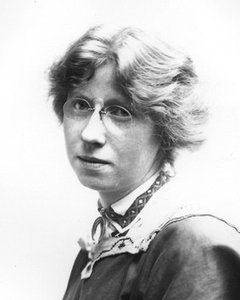
Imogen Cunningham
1883 - 1976
Informații esențiale
- Artistic Movement Or Style: Pictorialism, Modernism
- Artists Or Movements Influenced By This Artist: ['Grupul f/64']
- Artists Who Influenced This Artist: ['Gertrude Käsebier']
- Date Of Birth: 12 aprilie 1883
- Date Of Death: 1976
- Full Name: Imogen Cunningham
- Nationality: Americană
- Notable Artworks:
- Autoportret
- Money Plant
- Rubber Plant 3
- Place Of Birth: Portland, USA