

 Previzualizare
 Trimite prin felicitare
 Distribuie
 Detalii despre lucrare
 Ghid
Ghid

 Descarcă imaginea
 Produse similare
 Radiografie
 Galerie foto
 Statistici
Pine Tree and Calligraphy
 Ink
Ink- Bunjinga
 801
801- Early Modern
 23.0cm x 37.0cm
 Vezi mai mult
Reproducere pictată manual în ulei
Pictură în ulei pe pânză, pictată manual de artiștii noștri la dimensiunea și ramele dorite de dumneavoastră, pe comandă. ( Comută pe versiunea Print Comută pe Imagine Digitală)




P118B lei10

P118H lei10

P118W lei10

P438Z lei10

P508JH lei12

P508YH lei12

P805H lei10

P805Z lei10

P919BZ lei10

P919G lei10

P919XJ lei10

P959ZH lei10

P968JZ lei12

W106C lei8

W218G lei10

W218JH lei8

W218Y lei10

W307PJ lei10

W316G lei10

W316PJ lei8

W316Y lei10

W398PJ lei8

W4111J lei10

W500HY lei15

W500JH lei15

W692G lei12

W849H lei8

W940BG lei15

W953PJ lei8




Alegeți dintre dimensiunile noastre prestabilite, care respectă proporțiile originale ale operei de artă.

Introduceți lățimea și înălțimea necesare pentru a se potrivi ramei sau peretelui dumneavoastră. Această lucrare este pictată manual, așa că, pentru o dimensiune cu o formă diferită, artistul poate picta puțin mai mult în jurul imaginii sau poate tăia puțin din margini — dumneavoastră decideți. Vă vom trimite o simulare digitală pentru aprobare înainte de a începe pictarea. Imaginea afișată pe această pagină nu reprezintă rezultatul real — doar simularea este reprezentativă.
După plasarea comenzii, echipa OriginalUniqueArt.com va contacta clientul prin e-mail pentru instrucțiuni și îi va furniza o previzualizare a machetei
Livrare în întreaga lume () în 3-4 săptămâni, în loc de cele 5 săptămâni standard. (28 Octombrie). Fără compromisuri în ceea ce privește calitatea.

Livrare expres gratuită la nivel mondial

Pânză de in de înaltă calitate

Asigurare completă pentru transport

Garanție de rambursare a taxelor vamale

Garanția fidelității culorilor

Politica de retur în 100 de zile (doar pentru defecte de fabricație)

Garanție de rambursare 100%

Ofertă pentru comenzi multiple
 Opțiunea cu sticlă este disponibilă doar pentru dimensiuni de sub 110 cm

Pine Tree and Calligraphy
Tehnică de reproducere
Dimensiune reproducere
-


Preț total calculat
lei 1392
A Poetic Encounter with Nature
In the delicate dance between ink and paper, Pine Tree and Calligraphy emerges as a profound meditation on the enduring spirit of the natural world. This exquisite work by the legendary Edo-period master Ike Taiga invites the viewer into a serene landscape where a resilient pine tree clings to a rugged hillside, overlooking a distant, mist-shrouded mountain. The composition is breathed into life by the presence of two small figures, positioned as quiet observers of the vastness surrounding them, while a solitary bird drifts through the sky, adding a fleeting moment of vitality to the stillness. It is a scene that captures not just a physical location, but a spiritual state—a harmonious intersection of earth, sky, and human contemplation.
The artistry of this piece lies in its masterful use of the bunjinga or literati style, a tradition that prioritizes emotional expression and intellectual depth over mere photographic realism. Taiga employs rhythmic brushstrokes to define the textured needles of the pine, contrasting them with the soft, ethereal washes used to depict the atmospheric mountains in the background. The integration of black calligraphy serves as more than just text; it is an essential structural element that anchors the visual poetry of the painting, weaving together the artist's visual imagery with the literary elegance of classical verse. This synergy between image and word creates a multi-sensory experience, characteristic of the high intellectual culture of the Japanese Edo period.
Historical Resonance and Timeless Elegance
To behold this work is to touch the heart of the 18th-century Japanese aesthetic. Originally conceived as part of a larger series of sliding-door panels, the painting underwent a fascinating metamorphosis, moving from architectural ornament to the intimate pages of an album, and finally to its current form as a prestigious hanging scroll. This history of transformation mirrors the fluidity of nature itself. The inclusion of calligraphic poems by renowned scholars such as Minagawa Kian and Kameda Bōsai elevates the work from a singular painting to a collaborative masterpiece of cultural heritage, representing a shared moment of artistic brilliance between painters and poets.
For the discerning collector or interior designer, a high-quality reproduction of this piece offers more than mere decoration; it provides an anchor of tranquility for any sophisticated space. The subtle palette of greens, deep blacks, and soft earth tones allows it to integrate seamlessly into modern minimalist settings or classic, traditional interiors. It serves as a window into a world of Zen-like peace, offering a focal point that encourages slow looking and deep reflection. Bringing this piece into one's environment is an act of preserving the quiet dignity of the bunjinga tradition, ensuring that the evocative beauty of Ike Taiga’s vision continues to inspire generations to come.
Întrebări și răspunsuri
Cine este autorul operei "Pine Tree and Calligraphy" și din ce curent artistic face parte?
Opera „Pine Tree and Calligraphy” este creată de Ike Taiga și aparține mișcării Bunjinga.
„Pine Tree and Calligraphy” are o previzualizare în realitate augmentată?
Poți vizualiza "Pine Tree and Calligraphy" de Ike Taiga pe propriul tău perete folosind pagina Previzualizare în AR a operei de artă, prin intermediul realității augmentate pe un dispozitiv compatibil.
Ike Taiga, creatorul operei „Pine Tree and Calligraphy”, este cunoscut și sub alte nume?
Ike Taiga este cunoscut și sub numele de Ike No Taiga.
Biografie artist
Ike no Taiga: Bridging Tradition and Innovation in Edo Period Landscape Painting
Ike no Taiga (1723-1776) stands as a monumental figure within the *bunjinga* tradition—a uniquely Japanese form of literati painting that flourished during the Edo period. More than just an artist, he embodied the spirit of his time, skillfully blending classical Chinese aesthetics with groundbreaking experimental techniques to produce works that continue to resonate with collectors and scholars alike. His life story itself is a testament to perseverance and intellectual curiosity, shaping him into one of the most influential painters of his era. Born into humble circumstances—his father a farmer on the outskirts of Kyoto—Taiga’s early life was marked by hardship. The family moved to Kyoto shortly before his birth, seeking refuge from famine conditions, and his father's employment at the silver mint afforded them modest financial stability. Tragically, he passed away when Taiga was just three years old, leaving his widowed mother to raise him with unwavering devotion. Remarkably, she prioritized his education, securing tutors who instilled in him a profound understanding of both Japanese and Chinese disciplines—a foundation that would prove crucial to his artistic development. By the age of six, he began formal training at Manpuku-ji Zen Temple, fostering connections that would endure throughout his life, grounding him in Buddhist philosophy and shaping his contemplative approach to artmaking. Taiga’s artistic journey commenced professionally at fourteen, establishing a fan painting workshop where he honed his craft alongside fellow artists and collectors. A pivotal encounter with Yanagisawa Kien—a prominent social and artistic patron—introduced him to the vibrant *bunjinga* circle of Kyoto, propelling him toward collaborations that would solidify his reputation as a leading figure in Japanese art. Notably, Taiga’s formative influence stemmed from Yi Fujiu (j: i fukyū), a Chinese painter specializing in landscape depictions who taught Taiga innovative painting methods—documented extensively in *Yi Fujiu Ike no Taiga Sansui Gafu* (1803). This manual became the cornerstone of Taiga's artistic style, reflecting the pervasive impact of Chinese art on Edo period aesthetics.- Key Characteristics: Taiga’s paintings are characterized by a masterful fusion of meticulous observation and expressive brushwork. He meticulously rendered landscapes—often featuring mountains, rivers, and trees—capturing subtle nuances of light and atmosphere with remarkable precision.
- Technique: Unlike many of his contemporaries who adhered strictly to established conventions, Taiga experimented with techniques that pushed the boundaries of *bunjinga*. He employed “finger painting”—a method where pigment is applied directly onto paper using fingertips—creating textured surfaces and conveying a sense of immediacy and spontaneity.
- Notable Works: Among his celebrated compositions are "Landscape with Tower," "Fishing Boat on Reed Covered Bank and Calligraphy," and “Finger Painting of a Landscape,” each exemplifying Taiga’s distinctive style and demonstrating his ability to capture the essence of nature in evocative imagery.

Ike Taiga
1723 - 1776
Detalii rapide
- Artistic Movement Or Style: *Bunjinga* (Literati Painting)
- Artists Or Movements Influenced By This Artist: Yanagisawa Kien
- Artists Who Influenced This Artist: Yi Fujiu
- Date Of Birth: 1723
- Date Of Death: 1776
- Full Name: Ike no Taiga
- Nationality: Japanese
- Notable Artworks:
- Landscape with Tower
- Finger Painting of a Landscape
- Fishing Boat on Reed Covered Bank and Calligraphy
- Place Of Birth: Kyoto, Japan
Articole similare

John Constable: Cele Mai Frumoase 25 de Capodopere – Artă Clasică pentru Decorul Casei Tale
Descoperă cele mai frumoase 25 de picturi ale lui John Constable, maestru al peisajului englezesc! Explorează stilul romantic, Dedham Vale și capodopere precum The Hay Wain. Reproduceri artă clasică pentru decorul casei tale – OriginalUniqueArt.com.

Katsushika Hokusai: Cele Mai Iubite 25 de Opere de Artă – Inspirație pentru Decorul Casei Tale
Descoperă cele mai frumoase 25 de opere de artă semnate de Katsushika Hokusai, maestru ukiyo-e. Explorează istoria valului Kanagawa și a picturilor japoneze iconice. Reproduceri de calitate muzeală pentru decorul casei tale pe OriginalUniqueArt.com!
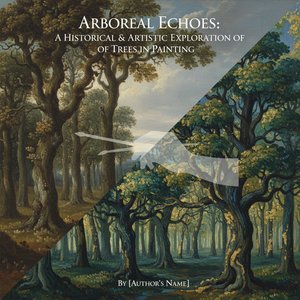
Arboreal Echoes: A Historical & Artistic Exploration of Trees in Painting
Explore the rich history of trees in painting! Discover symbolism, Romantic masterpieces by Caspar David Friedrich & beyond. A curated journey for art enthusiasts.

Peisaje Romantice Iconice: 10 Capodopere Artistice pentru Decorul de Lux
Descoperă 10 capodopere romantice iconice de Caspar David Friedrich, Turner și alți maeștri. Explorează istoria artei, emoțiile din peisaje și găsește tablouri canvas perfecte pentru decorul tău pe OriginalUniqueArt.com!

Arboreal Echoes: A Historical & Artistic Exploration of Trees in Painting
Explore the rich history of trees in painting! Discover symbolism, Romantic masterpieces by Caspar David Friedrich & beyond. A curated journey for art enthusiasts.