

 Vezi în context
 Trimite
 Distribuie
 Detalii
 Ghidul

 Descarcă
 Produse similare
 Radiografie
 Diaporama
 Statistici
Washerwomen
 Acrylic On Canvas
- WallArt
- Romanticism
 1796
1796 60.0 x 41.0 cm
 Muzeul de Artă Plastică din Boston
 Citește mai mult
Giclée / Imprimare artistică
Printuri giclée sau pe canvas de calitate muzeală, cu proces de producție rapid și opțiuni flexibile de finisare. ( Comandă pictură realizată manual Treci la imagine digitală)




P118B lei10

P118H lei10

P118W lei10

P438Z lei10

P508JH lei12

P508YH lei12

P805H lei10

P805Z lei10

P919BZ lei10

P919G lei10

P919XJ lei10

P959ZH lei10

P968JZ lei12

W106C lei8

W218G lei10

W218JH lei8

W218Y lei10

W307PJ lei10

W316G lei10

W316PJ lei8

W316Y lei10

W398PJ lei8

W4111J lei10

W500HY lei15

W500JH lei15

W692G lei12

W849H lei8

W940BG lei15

W953PJ lei8




Alegeți dintre dimensiunile noastre prestabilite, care respectă proporțiile originale ale operei de artă.

Introduceți lățimea și înălțimea de care aveți nevoie, pentru a se potrivi ramei sau peretelui dumneavoastră. O printare poate fi doar tăiată, niciodată extinsă dincolo de dimensiunea imaginii originale, astfel încât o dimensiune cu o formă diferită va pierde o parte din imagine. Vă trimitem o simulare digitală pentru aprobare înainte de a imprima orice. Imaginea afișată pe această pagină nu prezintă tăierea reală — doar simularea arată acest lucru.
Livrare în întreaga lume () în 2 săptămâni, în loc de cele 4/5 săptămâni standard. (15 Octombrie)

Livrare expres gratuită la nivel mondial

Pânză de in premium

Asigurare completă pentru transport

Garanție de rambursare a taxelor vamale

Garanția fidelității culorilor

Politica de retur în 100 de zile (doar pentru defecte)

Garanție de rambursare 100%

Reducere pentru comenzi multiple
 Opțiunea cu sticlă este disponibilă doar pentru dimensiuni de sub 110 cm

Washerwomen
Giclée / Imprimare artistică
Dimensiune reproducere
-


Preț total
lei 365
A Glimpse of Parisian Life: Hubert Robert’s “Washerwomen”
Hubert Robert's "Washerwomen," painted in 1796, is more than just a depiction of a daily scene; it’s a carefully constructed tableau brimming with the romanticism and artistic sensibilities of late 18th-century France. The painting transports us to a sun-drenched courtyard within a bustling Parisian city – a world rendered with an almost dreamlike quality through Robert's masterful use of light, color, and perspective. It’s a piece that speaks volumes about the era’s fascination with ruins, memory, and the beauty found in the commonplace.
Robert, born in Paris in 1733, was a painter deeply influenced by the Baroque tradition, particularly the works of Claude Lorrain and Andrea Pozzo. However, he quickly developed his own distinctive style, often referred to as “capriccio” – a term derived from Italian meaning ‘whim’ or ‘fancy.’ These landscapes weren't intended to be realistic representations but rather imaginative constructions that blended elements of history, mythology, and the natural world. "Washerwomen" exemplifies this approach perfectly, seamlessly integrating architectural fragments, classical statues, and a vibrant urban backdrop.
The Art of Capriccio: Illusion and Memory
The painting’s core lies in Robert's manipulation of space and perspective. He employs a technique known as *foreshortening* to create the illusion of depth, drawing the viewer into the scene with remarkable accuracy. The arches and columns of the background buildings seem to recede infinitely, while the figures in the foreground appear remarkably close, almost inviting us to step into their world. This masterful use of perspective isn’t merely technical; it serves a deeper symbolic purpose – evoking a sense of timelessness and the enduring power of memory.
Robert was particularly drawn to ruins, viewing them as potent symbols of both loss and regeneration. He didn't simply depict decaying structures; he reimagined them, breathing new life into their weathered facades and transforming them into picturesque settings for his fantastical compositions. In “Washerwomen,” the crumbling architecture isn’t presented as a lament for the past but rather as a backdrop to an idyllic scene of everyday life – suggesting that beauty can be found even in decay and that memory can transform the past into something vibrant and enduring.
A Symphony of Color and Detail
The painting's palette is dominated by warm, earthy tones—ochres, browns, and siennas—creating a sense of warmth and intimacy. These muted colors are punctuated by splashes of brighter hues – the blues of the sky, the pinks and yellows of the flowers, and the vibrant reds of the women’s clothing. Robert's attention to detail is astonishing; every cobblestone, every leaf, every fold in the fabric seems meticulously rendered. This level of precision contributes significantly to the painting’s overall realism and invites us to linger over its intricate details.
The figures themselves are depicted with a remarkable sense of naturalism. The women engaged in their laundry work—washing clothes at a fountain, carrying baskets—are not idealized representations but rather believable characters caught in a moment of quiet activity. Their gestures and expressions convey a sense of dignity and resilience, reflecting the strength and spirit of the Parisian working class.
Emotional Resonance and Artistic Legacy
"Washerwomen" is more than just a pretty picture; it’s a poignant meditation on beauty, memory, and the passage of time. Robert's ability to capture the essence of a fleeting moment—a scene from everyday life transformed into an enduring work of art—is truly remarkable. The painting resonates with us today because it speaks to universal themes: the connection between humanity and nature, the importance of preserving memories, and the beauty that can be found in even the most humble of scenes.
Today, reproductions of “Washerwomen” continue to captivate art lovers and interior designers alike. Its evocative atmosphere and masterful technique make it a timeless addition to any collection or space—a reminder of the artistic brilliance of Hubert Robert and his enduring legacy as one of France’s most celebrated landscape painters.
Întrebări și răspunsuri
Ce dimensiune ar trebui să aleg pentru printarea "Washerwomen" pentru camera mea?
Într-o Living Room, pentru "Washerwomen", recomandăm o dimensiune de tipar de Large.
Unde ar trebui expusă o reproducere a "Washerwomen" de Hubert Robert?
Cu forma sa Portrait, o reproducere a operei "Washerwomen" este recomandată pentru un Living Room.
Ce stare de spirit transmite "Washerwomen" de Hubert Robert în cadrul mișcării Romanticism?
În cadrul mișcării Romanticism, „Washerwomen” este înregistrată cu un ton Nostalgic.
Biografie artist
Hubert Robert: Un Pictor al Ruinilor și Viziunilor
Hubert Robert, un nume sinonim cu peisaje evocatoare și farmecul romantic al ruinilor, ocupă o poziție unică în arta franceză a secolului XVIII – un artist care a îmbinat observația minuțioasă cu imaginația vibrantă pentru a crea scene ce rezonează atât cu o nostalgie profundă pentru trecut, cât și cu anticiparea viitorului. Născut în Paris în 1733, viața sa s-a desfășurat într-un context de schimbări artistice rapide – de la eleganța jucăușă a Rococării la începuturile Neoclasicismului, trecând prin tumultul Revoluției Franceze. Robert nu se limita doar la documentarea degradării; el crea viziuni, amestecând observația cu imaginația pentru a construi scene care rezonează atât cu o dorință nostalgică pentru trecut, cât și cu anticiparea viitorului. Călătoria sa a început într-un mediu structurat de instruire artistică, inițial sub îndrumarea sculptorului Michel-Ange Slodtz, care a recunoscut talentul lui Robert, dar l-a orientat cu înțelepciune către pictură, simțind că adevărata sa chemare constă în captarea luminii, atmosferei și a poeziei subtile a formei.Răsăritul într-o Cetate de Artă: Roma ca Atelier
Punctul culminant al dezvoltării artistice a lui Robert a fost exercițiul său îndelungat în Roma, începând în 1754. Însoțit de Étienne-François de Choiseul, el s-a scufundat într-o lume impregnată de istorie și fastuositate arhitecturală. Pentru unsprezece ani, orașul antic a devenit atelierul său deschis, templele sale prăbușite, arcele majestuoase și grădinile împânzite cu vegetație alimentând imaginația sa. Nu era vorba doar de reproducerea ceea ce vedea; se trata de interpretare, de reînnoire și de infuzarea acestuia cu un sentiment de frumusețe melancolică. A lucrat alături de Giovanni Paolo Panini, a cărui influență este vizibilă în compozițiile timpurii ale lui Robert – *capricci*, reprezentări pitorești care juxtapezau ruinele clasice cu viața contemporană. Cu toate acestea, Robert s-a depășit rapid pe sine, dezvoltând un stil distinctiv caracterizat de detalii minuțioase, perspectivă atmosferică și o sensibilitate profundă la jocul luminii și al umbrelor. Nu se limita doar la pictarea ruinelor; el picta timpul însuși, capturând frumusețea efemeră a transitorului și puterea durabilă a memoriei. Schițele sale din această perioadă sunt documente inestimabile ale observațiilor sale, pline de studii detaliate ale monumentelor romane precum Villa d'Este și Caprarola, demonstrând un ochi atent la nuanțele arhitecturale și compoziția peisajului.Reîntoarcerea în Paris: Recunoaștere și Patronaj Regal
Întoarcerea lui Robert în Paris în 1765 a marcat o întorsătură crucială în cariera sa. A obținut rapid recunoaștere în cadrul cercurilor artistice, fiind admis în Académie Royale de Peinture et de Sculpture cu “Portul Romei”, decorat cu diverse monumente arhitecturale, antice și moderne”. Succesul său a dus la patronaj regal, cu comenzi pentru proiecte decorative și funcții precum “Designer al grădinilor Majestății Sale” și ulterior, “Păzitor al picturilor Majestăților Săi”. A devenit un artist căutat nu numai pentru picturile sale de pe pânză, ci și pentru designurile inovatoare pentru grădini și interioare palatiale. Lucrările sale au rezonat cu gustul vremii – *capriccio* pictura, un gen care a atras colecționari fascinați de istorie, arheologie și peisajul pitoresc – dar Robert a infuzat-o cu o sensibilitate unică, ridicând-o dincolo de simpla artă decorativă.Revoluția, Reziliența și Moștenirea Durabilă
Revoluția Franceză a prezentat o provocare fără precedent pentru Robert. În timp ce mulți artiști au luptat să navigheze prin climatul politic turbulent, el s-a găsit prins în curenții schimbărilor. A fost chiar arestat în timpul Reign of Terror, o experiență terifiantă care, totuși, a inspirat o serie de schițe documentând perioada sa în temniță. Remarcabil, a continuat să picteze prolific în această perioadă, demonstrând un angajament neclintit față de arta sa. După Revoluție, Robert a fost numit curator al noului Musée Central des Arts – viitorul Louvre, o dovadă a expertizei sale și a dedicării sale pentru conservarea patrimoniului cultural. A jucat un rol crucial în organizarea și catalogarea colecției muzeului, asigurând protejarea comorilor artistice ale Franței pentru generațiile viitoare. Hubert Robert a murit în Paris în 1808, lăsând în urmă o operă extraordinară care continuă să inspire uimire și admirație. Moștenirea sa nu constă doar în măiestria sa tehnică, ci și în capacitatea sa unică de a îmbină acuratețea istorică cu imaginația vibrantă. A inaugurat un gen de pictură care celebra atât frumusețea degradării, cât și puterea durabilă a creativității umane, consolidând astfel locul său ca figură cheie care a unit perioadele Rococor și Neoclasice, anticipând aspecte ale Romanticismului cu fascinația sa pentru istorie și imaginație.- Influențe Cheie: Giovanni Paolo Panini, Piranesi, peisajul arhitectural al Romei.
- Temele Principale: Ruine, peisaje, picturi *capriccio*, memorie istorică, trecerea timpului.
- Stilul Artistic: Detalii minuțioase, perspectivă atmosferică, iluminare evocatoare, îmbinarea observației cu imaginația.
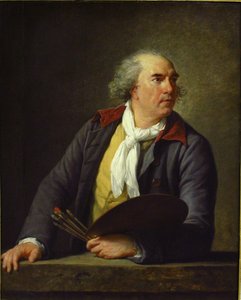
Hubert Robert
1733 - 1808 , Franța
Informații rapide
- Artistic Movement Or Style: Romanticism, Neoclasicism
- Artists Or Movements Influenced By This Artist: ['Romanticism']
- Artists Who Influenced This Artist:
- Giovanni Panini
- Piranesi
- Date Of Birth: 22 Mai 1733
- Date Of Death: 15 Apr 1808
- Full Name: Hubert Robert
- Nationality: Francez
- Notable Artworks:
- Portul Romei
- Galatea zburătoare
- Galerie Louvre
- Place Of Birth: Paris, Franța
Articole conexe

Evocations of Place: A Historical Journey Through Landscape Art
Explore the rich history of landscape art with OriginalUniqueArt. Discover renowned artists, movements like Impressionism & Romanticism, and expert guidance for collecting timeless pieces. Find your perfect serene escape today!

Top 10 Capodopere Rococo: Arta, Istorie și Decor Excepțional | OriginalUniqueArt.ro
Descoperă top 10 capodopere Rococo de la Fragonard, Boucher și Watteau! Explorează istoria artei, tehnicile și culorile vibrante ale stilului Rococo. Reproduceri de artă excepționale pentru decorul perfect pe OriginalUniqueArt.ro.

John Constable: Cele Mai Frumoase 25 de Capodopere – Artă Clasică pentru Decorul Casei Tale
Descoperă cele mai frumoase 25 de picturi ale lui John Constable, maestru al peisajului englezesc! Explorează stilul romantic, Dedham Vale și capodopere precum The Hay Wain. Reproduceri artă clasică pentru decorul casei tale – OriginalUniqueArt.com.

Hubert Robert: Picturing Ruins, Preserving Memory – A Study of Romantic Antiquarianism & Artistic Innovation
Explore the captivating world of Hubert Robert, master of Romantic landscape painting & 'capriccio' ruins. Discover his historical context, artistic innovations, and collecting insights with OriginalUniqueArt.

Peisaje Romantice Iconice: 10 Capodopere Artistice pentru Decorul de Lux
Descoperă 10 capodopere romantice iconice de Caspar David Friedrich, Turner și alți maeștri. Explorează istoria artei, emoțiile din peisaje și găsește tablouri canvas perfecte pentru decorul tău pe OriginalUniqueArt.com!


