Romanticism · 1790
Painters (Hubert Robert, 1790)
Hubert Robert (1733–1808) a realizat Painters. Data sa este din 1790. Face parte din mișcarea Romanticism. Este realizată în Acrylic On Canvas. Este păstrat la Muzeul Ermitaj în Sankt Petersburg, Rusia. Dimensiunile sunt 24 × 32 cm.
- 1790
- Acrylic On Canvas
- 24 × 32 cm
- Muzeul Ermitaj, Sankt Petersburg

 Previzualizare

 Tablou în ulei pictat manual
 Trimite prin felicitare
 Distribuie
 Fișă informativă


 Descarcă imaginea
 Produse similare
 Radiografie
 Galerie foto
 Întrebări și răspunsuri

 Statistici
Painters, pe scurt
- Titlu
- Painters
- Artist
- Hubert Robert (1733–1808)
- Artist născut în
- Paris, Franța
- Date
- 1790
- Medium
- Acrylic On Canvas
- Dimensiuni
- 24 × 32 cm
- Unde poate fi vizualizată
- Muzeul Ermitaj, Sankt Petersburg, Rusia
- Mișcare
- Romanticism
- Subiect
- landscapes, ruins, figures, daytime, field, workers
Ce reprezintă Painters?
Hubert Robert’s “Painters”: A Vision of Ruin and Remembrance
Hubert Robert's "Painters," painted in 1790, isn’t merely a depiction of laborers at work; it’s a carefully constructed meditation on labor, time, and the enduring power of memory. The scene unfolds within a rugged, almost theatrical landscape – a dramatic vista dominated by a towering rock formation, its weathered surface hinting at centuries of exposure to the elements. Two figures, rendered with a subtle realism that belies Robert's penchant for romanticized ruins, are engaged in the arduous task of carving stone. One, positioned atop the rock, directs the work with a commanding presence, while the other, lower down, meticulously shapes the material beneath him. The composition isn’t about capturing a specific moment; it’s about evoking a feeling – a sense of timelessness and the relentless passage of time, beautifully intertwined with the human effort to impose order upon nature.
Robert's style is distinctly rooted in the Neoclassical tradition, yet infused with the burgeoning Romantic sensibility that was beginning to challenge its rigid formality. He masterfully employs atmospheric perspective – the subtle blurring and darkening of distant elements – to create a profound sense of depth and space. The light, diffused and golden, washes over the scene, casting long shadows and highlighting the textures of the rock and the figures’ clothing. Notice how Robert utilizes loose brushstrokes, particularly in the depiction of the landscape, creating an impressionistic effect that anticipates later developments in art history. This deliberate softness contrasts with the sharper detail given to the men themselves, suggesting a focus on their individual struggles within the grand scheme of nature.
The Context of Labor and Ruin
To fully appreciate “Painters,” it’s crucial to understand Robert's artistic interests – particularly his fascination with ruins. Following the upheavals of the French Revolution, a renewed interest in antiquity and the past emerged, fueled by archaeological discoveries and a desire to reconnect with a perceived lost sense of order and stability. Robert, like many artists of his time, found inspiration in the decaying grandeur of Roman temples and medieval castles, transforming these remnants into evocative landscapes – ‘capriccios’ as he called them. These weren't simply artistic exercises; they were explorations of memory, loss, and the cyclical nature of history. The very act of painting ruins became a way to preserve a fading past, imbuing it with new life and meaning.
The figures depicted in “Painters” represent a specific segment of 18th-century French society – laborers engaged in essential but often overlooked work. Robert’s choice to portray them within such a dramatic landscape elevates their status, suggesting that even the most humble tasks are worthy of artistic attention. The scene subtly critiques the social hierarchies of the time, presenting these men not as mere workers, but as active participants in shaping the world around them. The rock formation itself can be interpreted as a symbol of enduring strength and resilience – a testament to the power of human labor against the forces of nature.
Symbolism and Emotional Resonance
Beyond its straightforward depiction of work, “Painters” is rich in symbolic meaning. The towering rock formation, with its weathered surface, represents the weight of history and the passage of time. The figures’ focused expressions convey a sense of dedication and perseverance, but also hint at the physical strain of their labor. Robert's use of color – predominantly earthy tones punctuated by flashes of gold – evokes feelings of warmth, nostalgia, and perhaps even melancholy. The overall effect is one of quiet contemplation, inviting the viewer to reflect on the relationship between humanity and nature, work and memory.
The inclusion of animals—a horse and a dog—adds another layer of complexity to the scene. Animals have long been associated with labor and service in art, symbolizing loyalty, strength, and connection to the natural world. Their presence reinforces the theme of human interaction with the environment, suggesting a harmonious coexistence – albeit one marked by hard work and enduring effort. “Painters” is not simply a landscape; it’s a carefully orchestrated tableau that speaks volumes about the values and anxieties of its time.
A Timeless Masterpiece: Reproduction Considerations
Reproductions of Hubert Robert's “Painters” offer a remarkable opportunity to bring this evocative artwork into your home or office. The meticulous detail captured by Robert’s brushstrokes, combined with his masterful use of light and shadow, translates beautifully to high-quality reproductions. When selecting a reproduction, pay close attention to the texture and color accuracy – features that are crucial for capturing the painting's atmospheric depth and emotional resonance. OriginalUniqueArt offers meticulously crafted hand-painted reproductions that faithfully recreate Robert’s original vision, ensuring that you experience the full impact of this timeless masterpiece.
În ce muzeu se află Painters?
Muzeul Ermitaj
Sankt Petersburg, Rusia
Origini și Istoria Muzeului Ermitaj Povestea Muzeului Ermitaj începe în anul 1764, odată cu achiziția unei colecții de 225 de picturi de la negustorul din Berlin, Johann Ernst Gotzkowsky. Impulsionată de această achiziție, Ecaterina cea Mare a pus piatra de temelie a unei colecții care avea să definească prezența muzeului în Sankt Petersburg, Rusia. Aceste primele achiziții au format nucleul celui care avea să devină un vast depozit de artă europeană occidentală.


Imagini la înaltă rezoluție ale lui Painters

Domeniu public: artistul a decedat în 1808.
Alte dimensiuni, cadrări și citări →Hubert Robert, Painters (1790), Muzeul Ermitaj. Domeniu public
Întrebări despre Painters, răspunsuri
Unde pot vedea originalul "Painters" de Hubert Robert?
"Painters" de Hubert Robert este expusă la Muzeul Ermitaj, Sankt Petersburg, Rusia. Mențiunea muzeului se referă la lucrarea originală, nu la reproduceri.
În ce an a fost creat "Painters" de Hubert Robert?
„Painters” datează din 1790. Această dată plasează lucrarea în cadrul carierei lui Hubert Robert și în contextul epocii sale.
Ce tehnică a fost utilizată pentru "Painters" de Hubert Robert?
Hubert Robert a utilizat tehnica Acrylic On Canvas pentru "Painters". Tehnica definește natura materială a lucrării originale.
Ce dimensiuni are originalul "Painters"?
„Painters” măsoară 24 x 32 cm în formatul său original. Dimensiunile originale reprezintă o referință utilă atunci când alegeți dimensiunea unei reproduceri.
Ce subiecte sunt reprezentate în "Painters" de Hubert Robert?
"Painters" de Hubert Robert surprinde: landscapes, ruins, figures, daytime, field, workers, composition, xviii century.
Este "Painters" în domeniul public?
"Painters" de Hubert Robert este în domeniul public (în domeniul public – drepturile de autor au expirat). Acest statut reglementează modul în care imaginea lucrării poate fi reprodusă.
Cine este artistul din spatele "Painters"?
„Painters” este atribuit lui Hubert Robert.
Din ce curent artistic face parte "Painters" de Hubert Robert?
„Painters” este o operă de Romanticism. Acest curent indică tradiția artistică din care face parte lucrarea.
Din ce perioadă a carierei lui Hubert Robert face parte „Painters”?
"Painters" reprezintă perioada Mature Period a lui Hubert Robert.
Despre artistul Hubert Robert
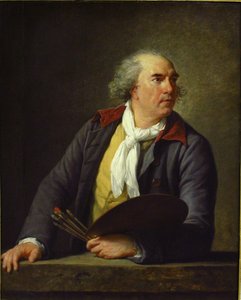
1733–1808, Franța
Hubert Robert
Tinerețea, Familia și Instruirea Artistică Născut în Paris în 1733, Hubert Robert a pășit într-o lume în care statutul social al familiei sale era strâns legat de servirea altora. Tatăl său, Nicolas Robert, deținea o funcție în gospodăria unei figuri de seamă, o conexiune care, în cele din urmă, ar fi facilitat ascensiunea tânărului prin înaltele straturi ale societății franceze. Această stabilitate timpurie i-a oferit fundamentul unei educații formale, pe care a urmat-o în cadrul structurat al Collège de Navarre. Până în 1751, își terminase studiile sub îndrumarea jesuicilor, acumulând un bagaj intelectual disciplinat înainte de a-și îndrepta atenția către arte vizuale.
Despre Hubert Robert Lucrări remarcabile ale lui Hubert Robert
Alte lucrări ale lui Hubert Robert
 The Pont du Gard1787
 The Finding of the Laocoön1773
 Le port de Ripetta
 PROJET D'AMENAGEMENT DE LA GRANDE GALERIE DU LOUVRE

Eseuri despre Painters
 Top 10 Capodopere Impresioniste: Arta care a Schimbat Decorul și IstoriaDescoperă top 10 capodopere impresioniste de la Monet, Renoir și Degas! Explorează istoria artei impresioniste, culorile vibrante și tehnic…
 Hubert Robert: Picturing Ruins, Preserving Memory – A Study of Romantic Antiquarianism & Artistic InnovationExplore the captivating world of Hubert Robert, master of Romantic landscape painting & 'capriccio' ruins. Discover his historical context,…
 Emotion vs. Observation: A Guide to Romanticism and RealismMaster the differences between Romanticism and Realism through expert analysis. Discover the art of emotion versus observation now.