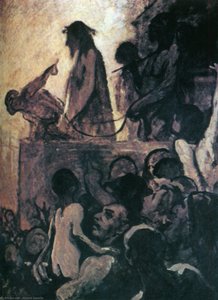
Previzualizare
 Trimite prin felicitare
 Distribuie
 Detalii despre lucrare
 Ghid
Ghid

 Descarcă imaginea
 Produse similare
 Radiografie
 Galerie foto
 Întrebări și răspunsuri
 Statistici
The Washerwoman

- 49.0 x 34.0 cm


 Vezi mai mult
Giclée / Imprimare artistică
Printuri giclée sau pe canvas de calitate muzeală, cu proces de producție rapid și opțiuni flexibile de finisare. ( Comandă pictură realizată manual Comută pe Imagine Digitală)




P118B lei10

P118H lei10

P118W lei10

P438Z lei10

P508JH lei12

P508YH lei12

P805H lei10

P805Z lei10

P919BZ lei10

P919G lei10

P919XJ lei10

P959ZH lei10

P968JZ lei12

W106C lei8

W218G lei10

W218JH lei8

W218Y lei10

W307PJ lei10

W316G lei10

W316PJ lei8

W316Y lei10

W398PJ lei8

W4111J lei10

W500HY lei15

W500JH lei15

W692G lei12

W849H lei8

W940BG lei15

W953PJ lei8




Alegeți dintre dimensiunile noastre prestabilite, care respectă proporțiile originale ale operei de artă.

Introduceți lățimea și înălțimea necesare pentru a se potrivi ramei sau peretelui dumneavoastră. O printare poate fi doar tăiată, niciodată extinsă dincolo de dimensiunea imaginii originale, astfel încât o dimensiune cu o formă diferită va pierde o parte din imagine. Vă trimitem o simulare digitală pentru aprobare înainte de a imprima orice. Imaginea afișată pe această pagină nu prezintă tăierea reală — doar simularea arată acest lucru.
Livrare în întreaga lume () în 2 săptămâni, în loc de cele 4/5 săptămâni standard. (4 Noiembrie)

Livrare expres gratuită la nivel mondial

Pânză de in de înaltă calitate

Asigurare completă pentru transport

Garanție de rambursare a taxelor vamale

Garanția fidelității culorilor

Politica de retur în 100 de zile (doar pentru defecte de fabricație)

Garanție de rambursare 100%

Ofertă pentru comenzi multiple
 Opțiunea cu sticlă este disponibilă doar pentru dimensiuni de sub 110 cm

The Washerwoman
Giclée / Imprimare artistică
Dimensiune reproducere
-


Preț total calculat
lei 385
The Washerwoman: A Study in Urban Dignity by Honoré Daumier
Honoré Daumier’s “The Washerwoman,” painted in 1863, is more than just a depiction of a woman laboring by the Seine; it's a poignant meditation on poverty, resilience, and the quiet dignity of everyday life in mid-nineteenth century Paris. This oil-on-panel work, now residing within the Metropolitan Museum of Art’s collection, offers a rare glimpse into the lives of those often overlooked by history – the working class women who sustained the city through their tireless efforts.
Daumier, a master of social commentary and caricature, employed his artistic skills not merely to entertain but to expose the injustices and inequalities prevalent in French society. He was deeply attuned to the struggles of the marginalized, frequently using his art as a platform for critique and empathy. “The Washerwoman” embodies this commitment, presenting a scene stripped of romanticism or idealization – instead, it offers a starkly realistic portrayal of a woman’s arduous existence.
A Study in Realist Detail
The painting immediately draws the viewer's attention to the central figure, a woman engaged in the repetitive task of washing clothes. Her posture is one of quiet determination, her hands firmly planted on the ground as she works with a heavy wooden beater. The composition is deliberately simple and unadorned; Daumier eschews elaborate backgrounds or dramatic lighting, focusing instead on capturing the essence of the subject’s physicality and emotional state. The muted palette – dominated by browns, grays, and ochres – reinforces this sense of realism, mirroring the drabness of her surroundings and reflecting the weariness of her labor.
Daumier's technique is characterized by a meticulous attention to detail, particularly in rendering the textures of the clothing, the rough surface of the brick wall behind her, and the worn fabric of her dress. He skillfully employs broken brushstrokes and subtle gradations of color to create a sense of depth and volume, imbuing the scene with a tangible quality. The use of light is equally deliberate; it illuminates the woman’s face and hands, highlighting her vulnerability while simultaneously casting shadows that emphasize the weight of her task.
Symbolism and Social Context
Beyond its immediate visual impact, “The Washerwoman” carries significant symbolic weight. The presence of a young child assisting his mother – a small figure perched on a chair near the left side of the painting – speaks to the cycle of poverty and the intergenerational transmission of hardship. The two handbags resting on the ground suggest a limited means of sustenance, while the bottle nearby hints at the harsh chemicals used in the cleaning process. The building behind her is not merely a backdrop; it represents the urban environment that both sustains and confines these women.
Painted during a period of significant social unrest in France – following the July Revolution and amidst growing calls for reform – Daumier’s work reflects the anxieties and tensions of the era. The painting can be interpreted as a critique of the prevailing economic system, which offered little opportunity for advancement or security to those at the bottom of the social hierarchy. It's a powerful reminder of the human cost of industrialization and the struggles faced by working-class families.
A Timeless Portrait of Resilience
Despite its bleak subject matter, “The Washerwoman” is not devoid of hope or beauty. The woman’s unwavering gaze and her steadfast commitment to her task convey a sense of dignity and resilience – qualities that transcend the limitations of her circumstances. Daumier's masterful depiction captures a moment of quiet strength in the face of adversity, offering a poignant testament to the enduring spirit of humanity. Reproductions of this iconic work continue to resonate with viewers today, prompting reflection on social justice, economic inequality, and the dignity of labor.
Întrebări și răspunsuri
Unde poate fi vizualizată astăzi opera "The Washerwoman" de Honoré Daumier?
"The Washerwoman" de Honoré Daumier este expusă la Muzeul d'Orsay, Paris, France. Mențiunea muzeului se referă la lucrarea originală, nu la reproduceri.
Pot vedea o imagine cu raze X a lucrării "The Washerwoman" de Honoré Daumier?
Vizualizarea X-Ray a operei "The Washerwoman" de Honoré Daumier este disponibilă pe pagina Raze X a lucrării: o examinare interactivă a imaginii prin unsprezece straturi optice.
Ce dimensiune se recomandă pentru "The Washerwoman" într-un Living Room?
Pentru o Living Room, recomandăm pentru "The Washerwoman" o dimensiune de tipar de Medium.
Biografie artist
A Life Etched in Satire: The World of Honoré Daumier
Honoré-Victorin Daumier, a name synonymous with biting satire and unflinching social commentary, was born in Marseille on February 26th, 1808. His early life, steeped in the artistic traditions of his family—his father a glazier and poet, his godfather a painter—laid the groundwork for a career that would forever challenge the established order of 19th-century France. The echoes of his father’s turbulent poetic aspirations, coupled with the relocation to Paris in 1814, exposed young Daumier to the vibrant, yet often chaotic, energy of the capital city. Initially destined for a legal profession, a profound inclination towards art quickly superseded all other ambitions. He began his artistic journey as an apprentice under Alexandre Lenoir, absorbing the classical techniques and dramatic chiaroscuro favored by Rubens—a style that would profoundly influence his own distinctive approach. Lenoir’s emphasis on observation and capturing the essence of form provided Daumier with a crucial foundation, but it was his independent study at the Académie Suisse, alongside a deep appreciation for the works of the Louvre's masters, that truly shaped his artistic vision. This early training wasn’t merely about technical proficiency; it was a deliberate immersion in the world of art, preparing him to translate his keen observations into powerful visual statements.The Sharpened Pen: Caricature and Social Commentary
Daumier’s career ignited with explosive force following the 1830 Revolution, an event that fundamentally reshaped France and simultaneously provided a fertile ground for his burgeoning satirical talent. He swiftly established himself as a master lithographer, initially working anonymously for various publications before gaining recognition through his work with *Le Charivari*, a fiercely independent comic journal founded by Charles Philipon. It was within the pages of *Le Charivari* that Daumier’s genius truly blossomed. His caricatures weren't mere humorous depictions; they were scathing indictments of the bourgeoisie, the legal system, and the political establishment—a deliberate provocation aimed at exposing hypocrisy and challenging authority. His unflinching portrayal of King Louis-Philippe in a particularly biting caricature led to his imprisonment for six months in 1832 – an experience that, rather than silencing him, solidified his commitment to using art as a weapon against injustice. The sheer volume of his output during this period is astonishing—thousands of lithographs documenting the social and political landscape of France with remarkable precision and satirical wit. These images weren’t simply entertainment; they were visual manifestos, capturing the spirit of dissent and offering a critical commentary on the societal ills of the time.Beyond Caricature: Painting and Sculptural Visions
While Daumier is overwhelmingly celebrated for his lithography, to reduce him solely to caricature would be a profound disservice. He was also a dedicated painter and sculptor, though recognition for these works came later in his life. His paintings, often depicting scenes of everyday Parisian life—the third-class carriage, the laundresses, the lawyers—are imbued with a remarkable sense of realism and empathy. He eschewed idealized portrayals, instead offering unflinching depictions of hardship, poverty, and the struggles of ordinary people. Daumier’s technique was characterized by loose brushwork and dramatic lighting, anticipating some of the techniques later embraced by the Impressionists – a testament to his forward-thinking approach. His sculptural work, largely created in clay (many pieces remaining unbaked during his lifetime), reveals a similar commitment to capturing the human form with honesty and emotional depth. These sculptures, rediscovered after his death, demonstrate a remarkable talent for modeling and an ability to convey psychological complexity through physical gesture – suggesting a profound understanding of the human condition.A Lasting Legacy: Influence and Historical Significance
Honoré Daumier’s impact on art history is undeniable. He bridged the gap between Romanticism and Realism, paving the way for future generations of artists who sought to depict the world as it truly was—warts and all. His unflinching social commentary profoundly influenced artists like Gustave Courbet and Édouard Manet, while his innovative use of lithography revolutionized printmaking, transforming it from a craft into a powerful medium for political expression. Daumier’s work continues to resonate today, reminding us of the enduring power of art to challenge authority, expose injustice, and bear witness to the human condition. The Musée d'Orsay in Paris houses a significant collection of his paintings and sculptures, offering visitors a unique opportunity to immerse themselves in the world he so vividly portrayed. Furthermore, his lithographs are widely accessible through collections like those found on OriginalUniqueArt, ensuring that his satirical genius continues to provoke thought and inspire dialogue across generations. Daumier wasn’t merely an artist; he was a chronicler of his time—a visual poet who used his talent to give voice to the voiceless and hold power accountable. His legacy endures as a testament to the enduring relevance of art as a force for social change, reminding us that even a single image can spark revolution.
Honoré Daumier
1808 - 1879 , Franța
Detalii rapide
- Artistic Movement Or Style: Realism, Satiră
- Artists Or Movements Influenced By This Artist:
- Impressionism
- Modern art
- Artists Who Influenced This Artist:
- Alexandre Lenoir
- David
- Date Of Birth: 26 februarie 1808
- Date Of Death: 10 februarie 1879
- Full Name: Honoré-Victorin Daumier
- Nationality: Francez
- Notable Artworks:
- Rue Transnonain
- Les gens de justice
- Ecce Homo
- Place Of Birth: Marsilia, Franța
Articole similare

The Enduring Muse: Women as Subject & Symbol in Art History
Explore the rich history of women in art – from iconic muses to groundbreaking artists. Discover feminist movements, global perspectives & reclaim female narratives with OriginalUniqueArt.

American Realism: Social Commentary & Artistic Representation in Early 20th-Century Painting
Explore the powerful social commentary & artistic representation of American Realism. Discover key artists like Bellows & Sloan, and understand the movement's lasting impact on 20th-century art history.

Romantic Realism's Finest: 10 Masterpieces for Your Home | OriginalUniqueArt
Explore 10 defining masterpieces of Romantic Realism! Discover Courbet, Millet & Daumier's powerful paintings—capturing emotion and social realities. Find museum-quality reproductions for your home at OriginalUniqueArt.com.

Echoes of Society: Exploring Social Realism's Enduring Legacy in Art
Explore the powerful world of Social Realism art! Discover key artists, masterpieces & its profound social commentary. Expert insights into this influential movement's history and enduring legacy.
Realismul în Artă: 10 Capodopere Esențiale pentru Decorul Tău
Descoperă 10 capodopere ale realismului! Explorează poveștile din spatele picturilor Courbet, Manet și Millet. Reproduceri de artă de calitate muzeală pentru un decor interior inspirat. Vezi colecția completă pe OriginalUniqueArt.com