Vezi în context
 Trimite
 Distribuie
 Detalii
 Ghidul

 Descarcă
 Produse similare
 Radiografie
 Diaporama
 Statistici
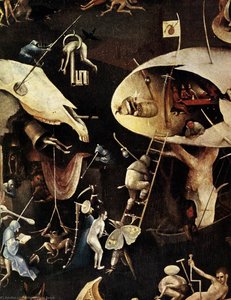
Tripticul lui Haywain
 Ulei pe panou
- Northern Renaissance
 1504
1504- Renașterea
 100.0 x 100.0 cm
 Citește mai mult
Reproducere pictată manual în ulei
Pictură în ulei pe pânză, realizată manual de artiștii noștri la dimensiunea și ramele dorite de dumneavoastră, pe comandă. ( Comută pe versiunea Print Treci la imagine digitală)




P118B lei10

P118H lei10

P118W lei10

P438Z lei10

P508JH lei12

P508YH lei12

P805H lei10

P805Z lei10

P919BZ lei10

P919G lei10

P919XJ lei10

P959ZH lei10

P968JZ lei12

W106C lei8

W218G lei10

W218JH lei8

W218Y lei10

W307PJ lei10

W316G lei10

W316PJ lei8

W316Y lei10

W398PJ lei8

W4111J lei10

W500HY lei15

W500JH lei15

W692G lei12

W849H lei8

W940BG lei15

W953PJ lei8




Alegeți dintre dimensiunile noastre prestabilite, care respectă proporțiile originale ale operei de artă.

Introduceți lățimea și înălțimea de care aveți nevoie, pentru a se potrivi ramei sau peretelui dumneavoastră. Această lucrare este pictată manual, așa că pentru o dimensiune cu o formă diferită, artistul poate picta puțin mai mult în jurul imaginii sau poate tăia puțin din margini — dumneavoastră decideți. Vă vom trimite o simulare digitală pentru aprobare înainte de a începe pictarea. Imaginea afișată pe această pagină nu reprezintă rezultatul real — doar simularea este reprezentativă.
După plasarea comenzii, echipa OriginalUniqueArt.com va contacta clientul prin e-mail pentru instrucțiuni și îi va furniza o previzualizare a machetei
Livrare în întreaga lume () în 3-4 săptămâni, în loc de cele 5 săptămâni standard. (22 Octombrie). Fără compromisuri în ceea ce privește calitatea.

Livrare expres gratuită la nivel mondial

Pânză de in premium

Asigurare completă pentru transport

Garanție de rambursare a taxelor vamale

Garanția fidelității culorilor

Politica de retur în 100 de zile (doar pentru defecte)

Garanție de rambursare 100%

Reducere pentru comenzi multiple
 Opțiunea cu sticlă este disponibilă doar pentru dimensiuni de sub 110 cm

Tripticul lui Haywain
Tip de reproducere
Dimensiune reproducere
-


Preț total
lei 2988
Tripticul Carului cu Fân: O Capodoperă a Renașterii Nordice
Prezentare Generală
Tripticul Carului cu Fân, realizat de Hieronymus Bosch, este o capodoperă captivantă ce exemplifică stilul unic și simbolismul profund al artistului. Creat în jurul anului 1504, acest triptic reprezintă un exemplu uimitor de artă din perioada Renașterii Nordice, fiind renumit pentru detaliile sale intricate, culorii bogate și narative complexe care transcend timpul.Compoziție și Stil
Tripticul este compus din trei panouri, fiecare dintre acestea spunând o poveste distinctă, dar strâns interconectată. Panoul din stânga prezintă un peisaj senin, cu figuri implicate în diverse activități, reprezentând probabil paradisul sau o narațiune biblică. Panoul central este plin de haos și conflict, având ca punct central o masivă formațiune stancoasă înconjurată de figuri aflate în suferință. Panoul din dreapta întipărește distrugerea și violența, simbolizând consecințele păcatului sau apocalipsa. Utilizarea liniilor, a formelor și a texturilor de către Bosch creează o compoziție dinamică ce ghidează privirea spectatorului prin fiecare scenă. Reprezentarea detaliată a figurilor și a expresiilor acestora adaugă o profunzime emoțională scenelor, transformând acest triptic într-o operă de artă bogată și complexă.Tehnică și Materiale
Tripticul Carului cu Fân este pictat pe panouri de lemn folosind temperi sau vopsea ulei, tehnici tipice perioadei respective. Tehnica lui Bosch include o aplicare fină a pensulelor, stratificarea culorilor și o atenție meticuloasă la detalii. Utilizarea perspectivei și a luminii sugerează un nivel înalt de măiestrie, sporind profunzimea și realismul scenelor prezentate.Context Istoric
Hieronymus Bosch, născut în jurul anului 1450 în 's-Hertogenbosch, Olanda, a fost un pictor olandez prominent, cunoscut pentru reprezentările sale surreale și imaginative ale temelor religioase. În ciuda lipsei de informații biografice, arta lui Bosch a avut un impact profund asupra artei europene de Nord, în special în secolul al XVI-lea. Tripticul Carului cu Fân urmează o narațiune similară cu alte lucrări ale lui Bosch, precum Grădina Deliciilor Pământești. Această operă a făcut parte dintr-un grup de șase picturi achiziționate de regele Filip al II-lea al Spaniei în 1570 și a fost ulterior reconstruită în Museo del Prado din Madrid, unde se păstrează și astăzi.Simbolism și Impact Emoțional
Tripticul Carului cu Fân este plin de simbolism, fiecare panou transmis un mesaj profund. Atmosfera calmă a panoului din stânga reprezintă armonia sau temele religioase, în timp ce haosul panoului central simbolizează lupta umană și păcatul. Distrugerea din panoul din dreapta servește drept un avertisment privind consecințele păcatului sau ale apocalipsei. Impactul emoțional al tripticului este puternic, evocând o gamă largă de emoții, de la liniște la tulburare. Contrastul dintre calmul panoului din stânga, haosul celui central și distrugerea celui din dreapta creează un flux narativ care implică privitorul la multiple niveluri de interpretare.De ce să alegeți o reproducere?
Pentru iubitorii de artă, colecționari și designeri de interior care doresc să adauge o notă de măreție istorică spațiilor lor, o reproducere de înaltă calitate a Tripticului Carului cu Fân este o alegere excelentă. Această capodoperă nu doar că îmbunătățește estetica oricărei încăperi, dar servește și ca un subiect de conversație care stârnește curiozitate și admirație. La OriginalUniqueArt.com, oferim reproduceri pictate manual pe pânză, asigurându-ne că fiecare detaliu și culoare este redat fidel originalului. Aduți frumusețea atemporală a artei lui Hieronymus Bosch în casa sau biroul dumneavoastră prin intermediul recreărilor noastre premium.Întrebări și răspunsuri
Cât de saturată este paleta culorilor din "Tripticul lui Haywain"?
Culorile din "Tripticul lui Haywain" de Hieronymus Bosch au o saturație de Nuanțe echilibrate și discrete. Saturația descrie cât de vii sau de tenue sunt culorile.
Ce spațiu este recomandat pentru "Tripticul lui Haywain" de Hieronymus Bosch?
"Tripticul lui Haywain" de Hieronymus Bosch este recomandată pentru o Living Room. Această sugestie se bazează pe subiectul, culorile și atmosfera lucrării.
Care este dimensiunea de imprimare recomandată pentru "Tripticul lui Haywain" de Hieronymus Bosch?
O reproducere de Dimensiune mare este recomandată pentru "Tripticul lui Haywain" de Hieronymus Bosch. Dimensiunea poate fi ajustată păstrând proporțiile intacte.
Biografie artist
A Netherlandish Enigma: The Life and Art of Hieronymus Bosch
Born around 1450 in the vibrant, bustling town of ’s-Hertogenbosch in the Netherlands—then part of Brabant—Hieronymus Bosch, originally Jheronimus van Aken, remains one of art history’s most compelling and mysterious figures. His world was steeped in late medieval religious fervor, folklore, and a growing sense of societal unease, all of which would profoundly shape his uniquely unsettling artistic vision. Coming from a family with a long tradition of painting—his grandfather, Jan van Aken, and father, Anthonius van Aken, were both artists—Bosch likely received his earliest training within the family workshop, absorbing the techniques and conventions of Netherlandish painting. However, even in his formative years, he began to diverge from established norms, hinting at the extraordinary imagination that would define his career. Biographical details are frustratingly scarce; records are fragmented, leaving much open to speculation and interpretation, adding to the aura of mystique surrounding both the man and his work. He married Aleyt Goyaerts van den Meerveen sometime before 1481, a union that provided him with some financial security through her family’s holdings, but little else is known about their personal life.Fantastical Visions and Symbolic Depths
Bosch's artistic style is instantly recognizable—a captivating blend of meticulous detail and wildly imaginative imagery. He primarily worked with oil on oak panels, demonstrating a masterful command of the medium, achieving luminous colors and intricate textures. While his early works show influences from traditional Netherlandish painting, particularly in their realism and attention to detail, he quickly moved beyond mere imitation, developing a profoundly original vision. His paintings are not simply representations of reality; they are allegorical landscapes populated by bizarre creatures, hybrid beings, and unsettling scenes that seem plucked from dreams—or nightmares. Religious themes form the core of much of his work, but these are rarely straightforward depictions of biblical stories. Instead, Bosch uses symbolism to explore complex moral and theological concepts, often focusing on the dangers of sin, the fragility of earthly pleasures, and the inevitability of divine judgment. His creatures—grotesque demons, fantastical animals, and strangely human figures—are not merely decorative elements; they are embodiments of vice, temptation, and spiritual corruption. The blending of the sacred and the profane, the beautiful and the grotesque, creates a uniquely unsettling effect that continues to captivate viewers centuries later.Masterpieces of Moral Allegory
Among Bosch’s most celebrated achievements is The Garden of Earthly Delights (c. 1490-1510), a triptych that remains one of the most enigmatic and debated works in art history. When opened, it presents a panoramic vision of paradise, earthly life, and hell—a complex allegorical representation of humanity’s fall from grace. The left panel depicts the Garden of Eden, teeming with fantastical creatures and lush vegetation; the central panel portrays a world consumed by sensual pleasure and unrestrained desire; and the right panel offers a terrifying glimpse into the torments of hell. The Triptych of the Last Judgement (c. 1480-1490) is another powerful example of his skill in portraying both heavenly bliss and infernal torment, while The Ascent of the Blessed (c. 1480-1490) demonstrates his ability to create ethereal and dreamlike scenes. Even smaller works like Epiphany (c. 1495) showcase his innovative use of oil on wood and complex symbolism, revealing a mind constantly grappling with profound questions about faith, morality, and the human condition.Influences and Artistic Development
Identifying Bosch’s direct influences is a challenging task, given the originality of his vision. Scholars suggest possible connections to medieval folklore, religious texts—particularly those emphasizing apocalyptic themes—and the prevailing anxieties of the time, including fears of heresy and social upheaval. However, it's clear that he synthesized these elements into something entirely new and uniquely his own. His early works show a clear debt to the conventions of Netherlandish painting, particularly in their realism and attention to detail. Yet, as he matured, Bosch began to experiment with new techniques and compositional strategies, developing a style characterized by its meticulous detail, vibrant colors, and unsettling imagery. He was also influenced by the work of other artists, including Jan van Eyck and Rogier van der Weyden, but ultimately forged his own distinctive path. The influence of the *Grotesque* tradition is evident in many of his works, a style that emphasized the bizarre and fantastical, often with a satirical or critical edge.Legacy and Enduring Influence
Bosch’s work has had a profound and lasting impact on art history. He is considered one of the pioneers of Surrealism, inspiring generations of artists with his dreamlike imagery and exploration of the subconscious. His paintings continue to fascinate and provoke debate, solidifying his place as a master of Netherlandish painting and a visionary artist whose influence extends far beyond his own time. The unsettling beauty of his creations—the grotesque creatures, the bizarre landscapes, the moral allegories—remains deeply resonant today, inviting viewers to contemplate the complexities of human nature and the eternal struggle between good and evil. His paintings offer valuable insights into the religious, social, and psychological climate of the late 15th and early 16th centuries, challenging conventional norms and paving the way for new forms of artistic expression. He died in 1516, leaving behind a body of work that continues to haunt and inspire, ensuring his enduring legacy as one of art history’s most singular and unforgettable voices.
Hieronymus Bosch
1450 - 1516 , Olanda
Informații rapide
- Artistic Movement Or Style: Surrealism, Simbolism
- Artists Or Movements Influenced By This Artist: ['Pieter Bruegel cel Bătrân']
- Date Of Birth: c. 1450
- Date Of Death: 1516
- Full Name: Hieronymus Bosch
- Nationality: Olandez
- Notable Artworks:
- Gardenul Placerilor Pamantesti
- Judecata de Sus
- Ascensiunea Sfintilor
- Epifania
- Place Of Birth: Den Bosch, Olanda
Articole conexe
High Medieval Art: 10 Masterpieces That Shaped an Era | OriginalUniqueArt
Journey through High Medieval Art! Explore 10 iconic masterpieces – from Giotto's frescoes to stunning Gothic cathedrals. Discover the stories behind these timeless paintings, sculptures & illuminated manuscripts. Find museum-quality art reproductions at OriginalUniqueArt.com.
Top 25 de Capodopere Prado: Artă Spaniolă Clasică pentru Decorul Casei Tale
Descoperă top 25 de capodopere Prado: Velázquez, Goya, El Greco și alți maeștri spanioli. Află poveștile din spatele picturilor clasice baroce și găsește inspirație pentru decorul casei tale pe OriginalUniqueArt.com!
Hieronymus Bosch: Decoding the Visions of a Netherlandish Master
Explore the captivating world of Hieronymus Bosch! Delve into the symbolism, religious context, and artistic innovation of this Netherlandish master with OriginalUniqueArt's expert analysis. Discover his iconic paintings & lasting influence.
Late Medieval Masterpieces: 10 Artworks That Defined an Era | OriginalUniqueArt
Journey through 10 defining Late Medieval masterpieces – from Giotto's frescoes to Jan van Eyck’s realism. Explore the stories, techniques & vibrant colors of Gothic art. Find museum-quality reproductions and elevate your home decor with OriginalUniqueArt.com! Discover all masterpieces on OriginalUniqueArt.com
Hieronymus Bosch: Cele Mai Fascinante Capodopere – Artă Medievală pentru Decorul Tău
Descoperă cele mai emblematice 25 de picturi ale lui Hieronymus Bosch! Explorează simbolismul fascinant, viziunile unice și tehnicile artistice din spatele capodoperelor medievale. Reproduceri de artă de calitate muzeală pentru decorul tău pe OriginalUniqueArt.com