Comută pe versiunea Print
 Vezi mai mult







































 Pentru opere de artă sau reproduceri care depășesc 105 cm (aproximativ 41 de inch) pe oricare dintre laturi, cadrul va fi livrat demontat, sub formă de kit. Această metodă asigură o livrare sigură și previne deteriorarea în timpul transportului.


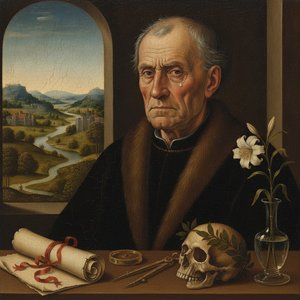
A World of Folly: Decoding Bosch’s *Triptych of Haywain (detail)*
Hieronymus Bosch's *Triptych of Haywain*, completed around 1500-1510, stands as one of the most arresting and perplexing achievements of the Northern Renaissance. Far from a straightforward depiction of biblical narrative—specifically referencing the Tower of Babel—this monumental panel presents a visceral confrontation with human ambition, indulgence, and spiritual decay. It’s a scene that continues to captivate audiences centuries later, prompting ongoing debate about its meaning and artistic significance. This detailed examination focuses on a single section of the triptych, offering a glimpse into Bosch's masterful technique and profound symbolic vision.Subject & Narrative: A Cautionary Tale
The central panel portrays a landscape dominated by an enormous hay wagon overflowing with figures engaged in activities that defy logic and moral restraint. This isn’t merely a celebration of harvest; it’s a harrowing panorama of human folly—a deliberate rejection of piety in favor of earthly pleasures. Bosch eschews explicit storytelling, instead crafting a *panoramic vision* designed to provoke contemplation rather than reassurance. The figures within the wagon engage in bizarre rituals: musicians produce discordant sounds, gamblers pursue fleeting fortunes, and individuals consume food with unrestrained abandon. This depiction isn’t intended as a literal recounting of events but as an allegorical representation of humanity's susceptibility to temptation—a theme central to Bosch’s broader artistic project.Style & Technique: A Master of the Macabre
Bosch’s distinctive style is instantly recognizable for its unsettling blend of realism and fantasy. He achieves this remarkable feat through meticulous oil painting on oak panel, employing a technique characterized by layering thin glazes of pigment—a method that maximizes luminosity despite the predominantly dark palette. Note the angularity of the forms—the figures are distorted and stylized—and the incorporation of grotesque animalistic representations; these elements contribute to Bosch’s singular visual language. The flattened perspective reinforces the claustrophobic atmosphere, drawing the viewer directly into the scene's unsettling energy. This technique allows for incredible detail while maintaining a sense of grandeur and drama.Symbolism & Allegory: Layers of Meaning
The *Triptych of Haywain* is laden with symbolism—each element serves as a conduit for conveying moral lessons. The hay wagon itself embodies the allure of worldly possessions, representing the seductive trap of materialism that distracts from spiritual concerns. The figures depicted are archetypes embodying various vices: greed, lust, sloth, and pride—all viewed as obstacles to salvation. Bosch’s intention wasn't to depict a specific biblical episode but to offer a timeless commentary on human nature—a critique of unchecked desire and the abandonment of faith. Even seemingly insignificant details—the musical instruments, the food, the clothing—carry symbolic weight, reinforcing the overarching allegorical message. The subtle presence of demonic figures underscores the notion that earthly temptations are fueled by evil forces.Historical Context & Influence
Created during a period marked by religious anxieties and social upheaval—the early sixteenth century—Bosch’s work reflects the intellectual currents of his time while simultaneously surpassing them in imaginative power. He was profoundly influenced by medieval folklore and mysticism, incorporating fantastical imagery that anticipates elements found in Surrealism and Expressionism. Bosch's legacy extends far beyond his immediate contemporaries; he established himself as a pivotal figure in art history—a visionary artist whose unsettling visions continue to resonate with audiences today. His influence can be seen in subsequent generations of painters who sought to capture the anxieties and contradictions of their era, cementing his place as one of the most enduring icons of Renaissance art.Emotional Impact & Aesthetic Appeal
This detail from *The Haywain Triptych* evokes a complex tapestry of emotions—unease, fascination, even morbid curiosity. It’s a work that confronts viewers with uncomfortable truths about human behavior and the consequences of prioritizing earthly gratification over spiritual devotion. Its chaotic composition and disturbing imagery make it a powerful statement on the futility of worldly pursuits—a reminder that true fulfillment lies beyond the confines of material possessions and sensory indulgence. For interior designers seeking to infuse their spaces with intellectual depth and artistic provocation, this artwork—or a high-quality reproduction—serves as an exceptional focal point, sparking conversation and elevating aesthetic sensibilities.Întrebări și răspunsuri
Cine a creat "Tripticul Haywainului (detaliu)" și în ce stil este realizată?
Opera „Tripticul Haywainului (detaliu)” este creată de Hieronymus Bosch și aparține mișcării Other.
Ce subiecte sunt reprezentate în "Tripticul Haywainului (detaliu)" de Hieronymus Bosch?
Subiectele din "Tripticul Haywainului (detaliu)" sunt renaissance, northern renaissance, allegory, symbolism, religious painting, medieval art, fantastical imagery, psychological depth.
Câți oameni vizualizează "Tripticul Haywainului (detaliu)"?
Statistici despre "Tripticul Haywainului (detaliu)" de Hieronymus Bosch se regăsesc pe pagina Statistici a operei de artă: vizitele lunare ale acesteia, vizitele lucrărilor artistului și distribuția pe țări și limbi pentru vizitatorii recenti.
Mai multe detalii despre această pictură
 Previzualizare
 Trimite prin felicitare
 Distribuie
 Detalii despre lucrare
 Ghid
Ghid

 Descarcă imaginea
 Produse similare
 Radiografie
 Galerie foto
 Întrebări și răspunsuri
 Statistici