

 Vezi în context
 Trimite
 Distribuie
 Detalii
 Guide
Guide

 Descarcă
 Produse similare
 Radiografie
 Diaporama
 Statistici
Mountain Valley with Fenced Fields


 Citește mai mult
Reproducere pictată manual în ulei
Pictură în ulei pe pânză, realizată manual de artiștii noștri la dimensiunea și ramele dorite de dumneavoastră, pe comandă. ( Comută pe versiunea Print Treci la imagine digitală)




P118B $10

P118H $10

P118W $10

P438Z $10

P508JH $12

P508YH $12

P805H $10

P805Z $10

P919BZ $10

P919G $10

P919XJ $10

P959ZH $10

P968JZ $12

W106C $8

W218G $10

W218JH $8

W218Y $10

W307PJ $10

W316G $10

W316PJ $8

W316Y $10

W398PJ $8

W4111J $10

W500HY $15

W500JH $15

W692G $12

W849H $8

W940BG $15

W953PJ $8




Alegeți dintre dimensiunile noastre prestabilite, care respectă proporțiile originale ale operei de artă.

Puteți introduce propriile dimensiuni pentru a se potrivi unui anumit cadru sau spațiu. Dacă dimensiunea selectată nu corespunde proporțiilor imaginii originale, vom decupa opera de artă sau vom extinde pictura cu elemente suplimentare pictate manual. O simulare digitală vă va fi trimisă pentru aprobare înainte de începerea producției.
Vă rugăm să rețineți că previzualizarea de pe ecran nu reflectă decuparea sau extinderea reală. Doar macheta va arăta cu exactitate compoziția finală.
Deși sunt disponibile dimensiuni personalizate, vă recomandăm să selectați o dimensiune din lista predefinită pentru a păstra proporțiile originale.
După plasarea comenzii, echipa OriginalUniqueArt.com va contacta clientul prin e-mail pentru instrucțiuni și îi va furniza o previzualizare a machetei
Livrare în întreaga lume () în 3-4 săptămâni, în loc de cele 5 săptămâni standard. (21 Septembrie). Fără compromisuri în ceea ce privește calitatea.

Livrare expres gratuită la nivel mondial

Pânză de in premium

Asigurare completă pentru transport

Garanție de rambursare a taxelor vamale

Garanția fidelității culorilor

Politica de retur în 100 de zile (doar pentru defecte)

Garanție de rambursare 100%

Reducere pentru comenzi multiple
 Opțiunea cu sticlă este disponibilă doar pentru dimensiuni de sub 110 cm

Mountain Valley with Fenced Fields
Tip de reproducere
Dimensiune reproducere
-


Preț total
$ 300
A Panoramic Vision of the Sublime
In the quiet corridors of the Rijksmuseum in Amsterdam, there exists a window into a world that feels both ancient and startlingly modern. Hercules Seghers’ "Mountain Valley with Fenced Fields" is not merely a landscape; it is an atmospheric journey into the heart of the Dutch Golden Age's most experimental spirit. Created around 1630, this work transcends the traditional boundaries of 17th-century topography to touch upon the much later, more turbulent emotions of Romanticism. As the eye wanders across the sweeping horizontal expanse, one is immediately struck by a sense of profound scale. Unlike many of his contemporaries who sought to draw the viewer upward toward the heavens, Seghers anchors us in the earth, presenting a panoramic vista where towering, hazy peaks recede into an infinite distance, inviting a contemplative stillness.
The composition is a masterclass in balanced tension. The rugged, detailed rocks of the foreground provide a tactile, grounded reality, their textures suggesting the raw, unyielding strength of nature. Yet, as the gaze drifts toward the middle ground, the scene softens into a rhythmic pattern of fenced fields. These enclosures serve as a subtle, poignant symbol of human presence—a quiet testament to the harmonious, if fragile, coexistence between man and the untamed wild. This interplay between the structured agricultural landscape and the overwhelming grandeur of the mountains creates an emotional resonance that speaks to the human desire for both security and exploration.
The Alchemy of Etching and Light
To truly appreciate this masterpiece, one must look closer at the revolutionary technique Seghers employed. He was a pioneer of the printmaking medium, often described as the most inspired and original landscapist of his era. In "Mountain Valley with Fenced Fields," Seghers utilized the drypoint method, a process that allowed him to bypass the clean, clinical lines of traditional engraving in favor of something far more visceral. By incising directly into the copper plate, he achieved a velvety texture and a depth of shadow that mimics the organic complexity of the natural world.
The lighting in this piece is particularly haunting. Historical records suggest that Seghers often experimented with "plate tone," intentionally leaving excess ink on the surface to create a moody, atmospheric haze. In some interpretations of his work, there is even evidence of blue watercolor overpainting, which lends the valley a nocturnal, ethereal quality—as if the entire landscape were bathed in the silvered light of an invisible moon. This manipulation of light and shadow does more than just define form; it creates a psychological atmosphere, evoking feelings of awe, humility, and perhaps a touch of melancholy. For the collector or interior designer, this piece offers a sophisticated depth that can transform a room, providing a focal point that changes character as the natural light in a space shifts throughout the day.
A Timeless Legacy for the Modern Collector
For those seeking to bring a sense of historical weight and artistic innovation into their personal environments, Seghers’ work offers an unparalleled opportunity. His ability to blend the meticulous detail of the Dutch tradition with a visionary, almost surrealist approach to landscape makes his art eternally relevant. The muted earth tones, punctuated by soft blues and whites, provide a neutral yet deeply textured palette that complements both classical and contemporary interior aesthetics.
Owning a high-quality reproduction of this work is an invitation to inhabit the same sense of wonder that Seghers captured centuries ago. It is more than decoration; it is an enduring piece of art history that celebrates the beauty of the untamed world and the delicate mark of humanity within it. Whether placed in a quiet study or as a commanding feature in a grand living space, "Mountain Valley with Fenced Fields" serves as a constant reminder of the sublime power of nature and the limitless imagination of the human spirit.
Biografie artist
Hercules Seghers: O viață în peisaj și print
- Naștere: Haarlem, Țările de Jos (aprox. 1590)
- Deces: aprox. 1638
Primii ani și formarea artistică
- Hercules Pieterszoon Seghers s-a născut în Haarlem, fiind fiul unui comerciant de țesături menonit, originar din Flandra.
- În anul 1596, familia sa s-a mutat la Amsterdam.
- A fost ucenic sub îndrumarea lui Gillis van Coninxloo, un lider în domeniul peisajului flamand, însă această ucenicie a fost întreruptă brusc de moartea lui Coninxloo în 1606. Seghers și tatăl său au reușit să achiziționeze câteva dintre lucrările lui Coninxloo după trecerea acestuia în neființă.
- În urma decesului tatălui său, în 1612, s-a întors la Haarlem, unde s-a înscris în Gilda Sfântului Luca din Haarlem.
Dezvoltarea artistică și stilul
- Seghers este recunoscut drept „cel mai inspirat, experimental și original peisagist” al epocii sale, fiind remarcat în special pentru tehnicile sale inovatoare de print.
- Picturile sale prezintă adesea compoziții montane fantastice, cu o perspectivă orizontală vastă, punând un accent deosebit pe pământ în detrimentul cerului.
- A experimentat pe larg cu gravura pe acid, utilizând tehnici precum punta secca, acvatinta (inclusiv metoda „sugar-bite”) și alte metode pentru a crea efecte texturale unice.
- Printurile lui Seghers sunt caracterizate prin utilizarea hârtiei sau a țesăturilor colorate, a cernebilor colorate și a colorării manuale, rezultând adesea adevărate picturi în miniatură.
- Stilul său poartă amprenta unor artiști anteriori, precum Joos de Momper și Gillis van Coninxloo.
Realizări majore și inovații
- Gravură inovatoare: Cea mai semnificativă contribuție a lui Seghers constă în tehnicile sale experimentale de print, în special acvatinta cu „sugar-bite”. Această tehnică a fost redescoperită ulterior în Anglia.
- Peisaje unice: Peisajele sale sunt marcate de austeritate, originalitate și o calitate adesea suprarealistă, pictând formațiuni stâncoase care seamănă cu un teren extraterestru.
- Influența asupra lui Rembrandt: Rembrandt a colecționat operele lui Seghers și a integrat elemente din picturile și gravurile sale în propriile compoziții, demonstrând impactul profund al stilului lui Seghers.
- Imprimări diverse: Spre deosebire de mulți printari din acea vreme, Seghers producea multiple imprimări pentru fiecare plăcuță, variind schemele de culori și adăugând colorări manuale pentru a crea opere de artă unice.
Semnificația istorică
- Opera lui Seghers a fost foarte apreciată pe parcursul vieții sale, deși artistul s-a confruntat cu dificultăți financiare în ultimii ani.
- Lucrarea lui Samuel van Hoogstraten, Inleyding tot de hooge schoole der schilderkonst, l-a romanticizat pe Seghers ca fiind un geniu neînțeles, contribuind astfel la reputația sa postumă.
- El este considerat un pionier al gravurii de peisaj și o figură importantă a Epocii de Aur olandeze, cunoscut pentru tehnicile sale experimentale și viziunea artistică singulară.
- Influența sa poate fi observată la artiștii ulteriori care au adoptat metodele sale de imprimare inovatoare și au apreciat stilul său distinctiv.

Hercules Seghers
1590 - 1638 , Ținuturile Olanda
Informații rapide
- Artistic Movement Or Style: Secolul de Aur Olandez
- Artists Or Movements Influenced By This Artist: ['Rembrandt']
- Artists Who Influenced This Artist:
- Gillis van Coninxloo
- Joos de Momper
- Date Of Birth: c. 1590
- Date Of Death: c. 1638
- Full Name: Hercules Pieterszoon Seghers
- Nationality: Olandez
- Notable Artworks:
- Peisaj muntos
- Valea montană cu câmpuri împrejmuite
- Copacul mare
- Place Of Birth: Haarlem, Țările de Jos
Articole conexe

Golden Light & Dutch Skies: The Timeless Magic of Dutch Golden Age Landscapes
Discover the breathtaking beauty of Dutch Golden Age landscapes. Explore the mastery of light, chiaroscuro, and 17th-century realism through an expert art history lens, celebrating the enduring legacy of the Dutch Masters for discerning collectors and art lovers.

Peisaje Romantice Iconice: 10 Capodopere Artistice pentru Decorul de Lux
Descoperă 10 capodopere romantice iconice de Caspar David Friedrich, Turner și alți maeștri. Explorează istoria artei, emoțiile din peisaje și găsește tablouri canvas perfecte pentru decorul tău pe OriginalUniqueArt.com!
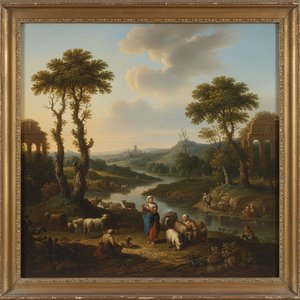
Nicolaes Berchem: Dutch Golden Age Pastoralism & the Evolution of Landscape Painting
Explore the captivating world of Nicolaes Berchem, a leading Dutch Golden Age painter. Discover his idyllic landscapes, masterful technique & lasting influence on art history. Learn more at OriginalUniqueArt.
Top 10 Gravuri Legendare: Capodopere Artistice Care Au Schimbat Istoria Artei
Descoperă top 10 gravuri legendare care au revoluționat arta! Explorează poveștile lui Rembrandt, Goya și alți maeștri. Reproduceri de artă de calitate muzeală pentru un decor inspirat. Vezi colecția completă pe OriginalUniqueArt.com
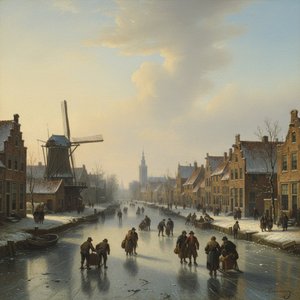
Charles Leickert: Capturing the Dutch Golden Age Light – A Comprehensive Study of Technique, Context, and Legacy
Explore the captivating winter landscapes of Charles Leickert, a master of Dutch Golden Age light & atmosphere. Discover his techniques, symbolism, and lasting legacy – a comprehensive study for art enthusiasts and collectors.