 Previzualizare
 Trimite prin felicitare
 Distribuie
 Detalii despre lucrare
 Ghid
Ghid

 Descarcă imaginea
 Produse similare
 Radiografie
 Galerie foto
 Întrebări și răspunsuri
 Statistici
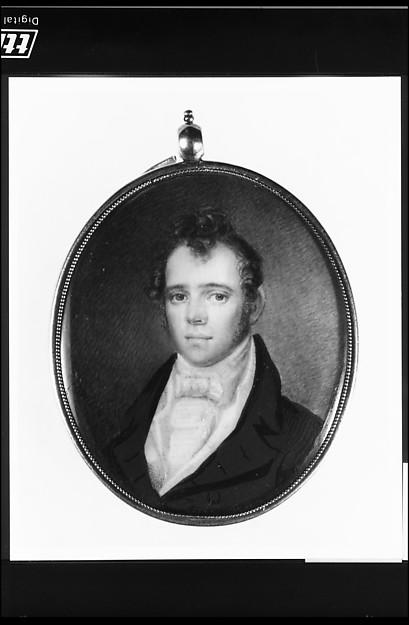
John Cox

- 6.0 x 5.0 cm

 Vezi mai mult
Obțineți un fișier gata de imprimare care depășește cu mult calitatea previzualizării web. Fiecare imagine digitală pe care o vindem provine dintr-un master de înaltă rezoluție din baza noastră de date — având, de regulă, o lățime între 5.000 și 15.000 de pixeli — astfel încât să puteți printa în format mare, să decupați strâns sau să reproduceți detalii fine cu încredere.
Niciun fișier nu părăsește studioul nostru fără să fie tratat. Un expert digital verifică nuanțele de culoare în raport cu pictura originală și le corectează acolo unde este necesar, apoi îmbunătățește claritatea și detaliile folosind instrumente profesionale de retușare — rămânând întotdeauna fidel gestului pictural și stilului artistului. Rezultatul este o imagine care seamănă cu tabloul propriu-zis, nu cu o scanare filtrată.
Aprobați înainte de finalizare: expertul nostru vă va trimite imaginea prin e-mail în termen de 72 de ore pentru revizuire. Nu sunteți mulțumit? Solicitați îmbunătățiri sau corecturi, ori cereți o restituire a plății dacă calitatea nu este pe măsura așteptărilor.
Aceasta este calitatea pe care se bazează editorii, studiourile de design, galeriile și tipăriturile.
Imagine Digitală
Descărcați un fișier la rezoluție înaltă pentru afișare personală, imprimare și proiecte creative. ( Comută pe versiunea Print Comandă pictură realizată manual)
Inclus în fiecare comandă de imagini digitale
Livrare digitală de expertiză, garantată
Când alegeți OriginalUniqueArt.com, nu primiți doar o simplă imagine – primiți o operă de artă digitală îmbunătățită profesional, creată cu precizie și susținută de o garanție de satisfacție. Iată tot ceea ce primești odată cu comanda ta, în mod automat:

Livrare rapidă prin e-mail
Fișierul imaginii digitale la rezoluție înaltă vă va fi trimis prin e-mail în termen de 72 de ore de la finalizarea comenzii – gata pentru utilizare imediată.

Fișier digital optimizat prin IA
Opera ta de artă este optimizată profesional prin intermediul unor instrumente AI avansate și al editării manuale, asigurând un nivel maxim de detalii, claritate și acuratețe a culorilor.

Retransmitere gratuită pe viață
Ai șters sau ai pierdut din greșeală fișierul? Nu îți face griji – ți-l vom retrimite oricând, gratuit.

Fără taxe de import – Întotdeauna
Bucură-te instant de noua ta operă de artă, fără taxe vamale, taxe de import sau costuri de livrare – descărcările digitale sunt întotdeauna fără taxe.

Garanția acurateții culorilor
Asigurăm o reflectare cât mai fidelă a culorilor originale în imaginea ta digitală, prin utilizarea unor instrumente profesionale și a proceselor de gestionare a culorii.

Garanție de satisfacție de 100 de zile
Dacă nu sunteți mulțumit de imaginea digitală achiziționată, o vom revizui sau vă vom returna 100% în termen de 100 de zile – fără nicio întrebare.

Garanție de returnare 100% a banilor
Nu ești mulțumit? Primești rambursarea integrală în termen de 100 de zile de la primirea fișierului digital – fără nicio întrebare.

Reduceri pentru comenzi în volum
Cumpără 3 imagini, economisește 10% - Cumpără 5, economisește 15% - Cumpără 10+, economisește 20%. Ideal pentru proiecte creative, galerii și agenții.
Biografie artist
Henry Williams: A Visionary of Spiritual Portraiture (1787-1830)
Henry Williams, a British artist working primarily in the late 18th and early 19th centuries, remains a captivating figure within the history of English portraiture and religious art. Born in Boston, Massachusetts, in 1787, his life was marked by both artistic brilliance and personal tragedy, culminating in a legacy of evocative biblical scenes and deeply spiritual portraits. While often overshadowed by more prominent contemporaries, Williams’s work possesses a unique sensitivity and emotional depth that continues to resonate with viewers today.
Williams's early life offers little documented detail, though it is known he received some artistic training before relocating to England. He established himself as an artist in London, quickly gaining recognition for his ability to capture the essence of his subjects – particularly those of a religious or moral nature. His style was characterized by a restrained elegance and a subtle use of light and shadow, creating a sense of quiet contemplation within each portrait. Unlike the flamboyant styles prevalent at the time, Williams favored a more understated approach, focusing on conveying inner character rather than mere physical likeness.
A pivotal moment in Williams’s career was his appointment as a missionary to New Zealand in 1823. This journey profoundly impacted his artistic vision and subject matter. He spent several years among the Māori people, documenting their customs, beliefs, and spiritual practices. These experiences led him to create a series of powerful paintings depicting biblical scenes interpreted through a Māori lens – a fascinating fusion of Western religious iconography and indigenous culture. These works, such as “The Last Supper” (1824), are particularly noteworthy for their nuanced portrayal of the Māori community and their deep connection to the land and spirituality. The influence of this period is evident in his later work, where he frequently incorporated elements of nature and a sense of profound reverence.
Beyond New Zealand, Williams continued to produce portraits of prominent figures within the British establishment – politicians, military officers, and members of the aristocracy. These works demonstrate his technical skill and his ability to capture the dignity and gravitas of his subjects. However, it is arguably in his religious scenes that he truly excelled. His paintings often feature a contemplative atmosphere, inviting viewers to reflect on themes of faith, morality, and redemption. His use of color was particularly effective in conveying mood – muted tones for solemn moments, brighter hues for expressions of hope or joy.
Despite his artistic success, Williams’s life was shadowed by personal tragedy. His father, a renowned baseball player, died unexpectedly in 1802, and his mother later succumbed to illness. Furthermore, the death of his wife, Dolores Wettach, in 1830, deeply affected him, contributing to a period of melancholy that is reflected in some of his later works. He was also embroiled in controversy surrounding his father’s wishes for cryonic preservation, which led to legal battles and public scrutiny.
Henry Williams's legacy extends beyond his individual paintings. His work represents a unique synthesis of artistic skill, religious conviction, and cultural sensitivity. His depictions of Māori spirituality offer a valuable window into the beliefs and practices of a vibrant indigenous culture, while his portraits of British society provide insights into the social and political landscape of early 19th-century England. Today, Williams’s paintings are held in prestigious collections worldwide, testament to their enduring artistic merit and historical significance. His ability to infuse religious themes with profound emotional resonance ensures that Henry Williams remains a compelling figure in the history of British art.
Key Works
- The Last Supper (1824): A seminal work depicting a Māori interpretation of the biblical Last Supper, showcasing his unique artistic vision.
- Portraits of Samuel Henry Llewellyn: Demonstrates his skill in capturing character and conveying inner qualities.
- Various Biblical Scenes (1820s-1830s): A series of paintings exploring themes of faith, morality, and redemption through a spiritual lens.
Influences
Williams’s artistic style was influenced by several key figures and movements: the restrained elegance of Thomas Gainsborough, the emotional depth of William Hogarth, and the Romantic sensibility that emphasized nature and individual experience. The encounter with Māori culture in New Zealand profoundly shaped his perspective, leading him to incorporate elements of indigenous spirituality into his work.
Historical Context
Williams’s career unfolded during a period of significant social and political change in Britain. The Napoleonic Wars had recently ended, and the country was grappling with issues of industrialization, urbanization, and social inequality. Religious revivalism was also on the rise, leading to increased interest in biblical themes and moral instruction. Williams's work reflects these broader cultural trends, offering a nuanced portrayal of both the spiritual and secular aspects of early 19th-century England.

Henry Williams
1787 - 1830
Detalii rapide
- Artistic Movement Or Style: Biblical & Spiritual
- Artists Or Movements Influenced By This Artist: ['Evan Williams']
- Artists Who Influenced This Artist: ['Samuel Henry Llewellyn']
- Date Of Birth: 1787
- Date Of Death: 1830
- Full Name: Henry Williams
- Nationality: British
- Notable Artworks:
- Gorham L. Freeman
- Various biblical scenes
- Place Of Birth: WahooArt, USA