

 Previzualizare
 Trimite
 Distribuie
 Detalii despre lucrare

 Descarcă
 Produse similare
 Radiografie
 Diapozitive automate
The Table, Gerberoy
 Oil On Canvas
- WallArt
 1901
1901- Modern
 73.0 x 70.0 cm
 Vezi mai mult
Giclée / Imprimare artistică
Printuri giclée sau pe canvas de calitate muzeală, cu proces de producție rapid și opțiuni flexibile de finisare. ( Comandă pictură lucrată manual Cumpără imaginea)




P118B $10

P118H $10

P118W $10

P438Z $10

P508JH $12

P508YH $12

P805H $10

P805Z $10

P919BZ $10

P919G $10

P919XJ $10

P959ZH $10

P968JZ $12

W106C $8

W218G $10

W218JH $8

W218Y $10

W307PJ $10

W316G $10

W316PJ $8

W316Y $10

W398PJ $8

W4111J $10

W500HY $15

W500JH $15

W692G $12

W849H $8

W940BG $15

W953PJ $8




Alegeți dintre dimensiunile noastre prestabilite, care respectă proporțiile originale ale operei de artă.

Puteți introduce propriile dimensiuni pentru a se potrivi unui anumit cadru sau spațiu. Dacă dimensiunea selectată nu corespunde proporțiilor imaginii originale, vom decupa lucrarea de artă sau vom extinde imaginea cu margini oglindite sau cu o culoare uniformă. Un mockup digital va fi trimis pentru aprobarea dumneavoastră înainte de începerea producției.
Vă rugăm să rețineți că previzualizarea de pe ecran nu reflectă decuparea sau extinderea reală. Doar mockup-ul va arăta cu exactitate compoziția finală.
Deși dimensiunile personalizate sunt disponibile, vă recomandăm să selectați o dimensiune din lista predefinită pentru a păstra proporțiile originale.
Livrare în întreaga lume () în 2 săptămâni, în loc de cele 4/5 săptămâni standard. (26 August)

Livrare expres gratuită la nivel mondial

Pânză de in de înaltă calitate

Asigurare completă pentru transport

Garanție de rambursare a taxelor vamale

Garanția fidelității culorilor

Politica de retur în 60 de zile (doar pentru defecte)

Garanție de rambursare 100%

Ofertă pentru comenzi multiple
 Opțiunea cu sticlă este disponibilă doar pentru dimensiuni de sub 110 cm

The Table, Gerberoy
Giclée / Imprimare artistică
Dimensiune reproducere
-


Preț total calculat
$ 80
Descriere obiect de colecție
Subject and Atmosphere
The Table, Gerberoy invites the viewer into a quiet moment of domestic grace. A modest dining table, set with wine glasses, bowls, cups, and bottles, occupies the center of a softly lit room. Two chairs flank the table, one on each side, while a vase rests near its heart, adding a touch of floral elegance. The scene is punctuated by two figures: a seated person absorbed in conversation or contemplation, and another standing nearby, perhaps pausing to breathe in the scent of wine and bread. Light pours through a window with shutters, bathing the room in a gentle glow that suggests late afternoon warmth. The overall effect is one of intimacy and invitation, as if the viewer has been welcomed into a private gathering.Technique and Color
Le Sidaner’s mastery of oil on canvas shines through in this 1901 work. His brushwork balances delicate detail with broader washes that convey texture without overwhelming the eye. The palette is warm yet restrained, dominated by earthy browns, muted greens, and soft golds that echo the natural light filtering from the window. Subtle variations in hue capture the play of shadow across porcelain and wood, while a gentle glazing technique lends depth to the glassware and the translucent quality of the vase’s liquid. The artist’s careful attention to light and shadow creates a sense of three‑dimensionality, making the scene feel both tangible and serene.Historical Context and Artist
Henri Le Sidaner, born in Port Louis, Mauritius, spent his formative years in France after moving there with his family in 1872. He studied at the École nationale supérieure des beaux‑arts under Alexandre Cabanel before carving out a distinct path influenced by Manet and Monet. By 1901, when The Table, Gerberoy was painted, Le Sidaner had already established himself as an observer of everyday life, capturing quiet moments with a lyrical touch that resonated with the Belle Époque’s fascination with domesticity. This painting reflects his commitment to portraying ordinary scenes with extraordinary sensitivity, offering viewers a window into the simple pleasures of early twentieth‑century France.Symbolism and Emotional Impact
Beyond its surface beauty, The Table, Gerberoy speaks to universal themes of hospitality, community, and the quiet rituals that bind us. The table itself is a symbol of nourishment—both physical and emotional—while the wine glasses hint at celebration or shared conversation. Light becomes a metaphor for hope and clarity, illuminating the space where people gather. For collectors and interior designers alike, this work offers more than aesthetic appeal; it provides an atmosphere of warmth that can transform any setting into a haven of comfort and connection. The painting’s gentle narrative invites viewers to pause, reflect, and perhaps imagine their own stories unfolding within its frame.Biografie artist
Early Life and Background
Henri Le Sidaner, a name synonymous with evocative domestic scenes and tranquil landscapes, was born on August 7th, 1862, in the vibrant port city of Port Louis, Mauritius. His origins were deeply rooted in Breton heritage – his father, Jean Marie Le Sidaner, worked as a ship inspector for Lloyd’s, a position that necessitated frequent travels and ultimately led to the family's relocation to France in 1872. This move brought them to Dunkerque, a bustling coastal town in northern France, where young Henri began to develop his nascent artistic inclinations.
From an early age, Le Sidaner displayed a remarkable sensitivity to color and light, qualities that were nurtured by his parents’ support for his burgeoning passion. He attended the Collège et Lycée Notre Dame des Dunes in Dunkerque, immersing himself in both academic studies and artistic pursuits. A pivotal moment arrived when he received a scholarship – a rare opportunity afforded to him thanks to the city's recognition of his talent – that enabled him to pursue his dreams in Paris, the heart of French art and culture.
Artistic Training and Influences
Paris proved to be a transformative environment for Le Sidaner. He enrolled at the prestigious École nationale supérieure des beaux-arts, where he studied under Alexandre Cabanel, a renowned academic painter known for his mastery of classical techniques. However, a fundamental divergence in artistic philosophies led to a somewhat strained relationship and ultimately, Le Sidaner’s departure from the traditional curriculum. Despite this initial setback, his artistic journey was profoundly shaped by the diverse influences surrounding him.
Le Sidaner's early years were marked by an intense admiration for Impressionism and Post-Impressionism. He found himself captivated by the innovative approaches of artists like Édouard Manet, whose bold brushstrokes and rejection of academic conventions resonated deeply with his own artistic sensibilities. Claude Monet’s exploration of light and color also exerted a significant influence, inspiring Le Sidaner to capture the fleeting effects of natural illumination in his paintings. Furthermore, he became drawn to the Pointillist movement, intrigued by its systematic use of small dots of color to create vibrant images – a technique that subtly informed his own approach to composition and palette.
Seeking further artistic development and camaraderie, Le Sidaner joined the Colonie artistique d’Étaples, a collective of artists who gathered in Étaples to share their ideas, critique each other's work, and collectively pursue their creative visions. This collaborative environment proved invaluable in honing his skills and solidifying his artistic identity.
Artistic Style and Development
Le Sidaner’s distinctive style is immediately recognizable for its subdued color palette, nuanced greys, and the masterful application of opals – tiny, iridescent pigments that create a shimmering effect. His brushwork is characterized by uneven, dappled strokes, lending his paintings an atmospheric depth and a sense of quiet mysticism. This technique wasn't simply about replicating reality; it was about capturing the *feeling* of a scene, imbuing it with a subtle emotional resonance.
He became particularly celebrated for his nocturnes – paintings of twilight scenes – where he expertly rendered the delicate interplay of light and shadow. These works are not merely depictions of darkness; they are imbued with a sense of serenity and contemplation, inviting viewers to lose themselves in their ethereal beauty. Over time, Le Sidaner’s style evolved, moving beyond his early influences towards a more personal expression that blended Impressionistic techniques with elements of Symbolism. This synthesis resulted in paintings that were both technically proficient and deeply evocative.
In 1905, he exhibited a series of Venice paintings to great acclaim in London and Paris, showcasing the influence of his travels and his ability to capture the unique atmosphere of the Italian lagoon city. Later, he settled at Gerberoy in the Picardy countryside for over thirty years, transforming a medieval fortress ruin into a personal paradise – a garden filled with roses, dappled sunlight, and tables inviting quiet contemplation. These paintings became synonymous with his name, solidifying his reputation as an artist who could transform ordinary landscapes into extraordinary works of art.
Major Works and Recognition
Throughout his career, Le Sidaner produced a remarkable body of work that continues to be admired for its beauty, subtlety, and emotional depth. Some of his most celebrated paintings include “Still Life and a Window, Gisors,” a masterful depiction of domestic tranquility; "A Beauvais Square by Moonlight," capturing the magic of twilight in a Parisian setting; and “Les Cygnes” (The Swans), a poignant portrayal of graceful birds gliding across a serene lake. His works have been exhibited at prestigious venues such as the Musée des Beaux-Arts Tournai in Belgium, showcasing his enduring influence on the art world.
In 1913, Le Sidaner was awarded the rank of Chevalier (Officer) in the Legion of Honour, a testament to his contributions to French culture and his distinguished artistic career. His legacy extends beyond individual paintings; he is remembered as a pivotal figure in bridging the gap between Impressionism and Post-Impressionism, leaving an indelible mark on the history of French art.
Historical Significance
Henri Le Sidaner is often regarded as “the last of the Impressionists,” representing a transitional period in art history. While deeply influenced by the innovations of his predecessors, he ultimately forged his own unique style – one that retained the luminosity and spontaneity of Impressionism while incorporating elements of Symbolism and Pointillism. His paintings are not simply representations of reality; they are carefully constructed expressions of mood, atmosphere, and emotion.
Le Sidaner’s distinctive use of color, light, and brushwork – characterized by uneven, dappled strokes and a subtle shimmer created by the application of opals – sets him apart from his contemporaries. He possessed an extraordinary ability to capture the essence of everyday life, transforming ordinary domestic interiors and tranquil landscapes into works of art that resonate with viewers on a deeply personal level. His legacy continues to inspire artists and art enthusiasts alike, ensuring that his paintings will be enjoyed and appreciated for generations to come.
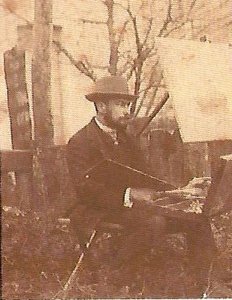
Henri Le Sidaner
1862 - 1939 , Mauritius
Detalii rapide
- Artistic Movement Or Style: Intimism, Impresionism
- Artists Or Movements Influenced By This Artist: ['Post-Impressionism']
- Artists Who Influenced This Artist:
- Manet
- Monet
- Pointillistes
- Date Of Birth: 7 August 1862
- Date Of Death: 14 July 1939
- Full Name: Henri Eugène Augustin Le Sidaner
- Nationality: France
- Notable Artworks:
- La Promenade Des Orphelines
- Table Au Clair De Lune
- Place Of Birth: Port Louis, Mauritius
Articole similare

The Enduring Legacy of Oil on Canvas: Technique, History & Aesthetic Impact
Explore the rich history & techniques of oil painting – from Renaissance masters to Impressionism. Discover pigments, layering methods, and why this timeless medium endures. Expert insights for artists & art enthusiasts.

Oil on Canvas: A Historical & Technical Exploration of a Timeless Artistic Medium
Explore the rich history & enduring techniques of oil painting on canvas. Discover the science behind its longevity, conservation practices, and contemporary relevance. Expert insights for art enthusiasts.

Moștenirea Durabilă a Picturii în Ulei: Tehnică, Istorie și Practică Contemporană
Descoperă istoria fascinantă și tehnicile esențiale ale picturii în ulei. Ghid complet pentru artiști, de la materiale până la creații contemporane. Îmbunătățește-ți abilitățile artistice!
Capodopere în ulei pe pânză: 10 opere care au revoluționat arta | OriginalUniqueArt.ro
Descoperă cele mai importante 10 capodopere în ulei pe pânză care au schimbat istoria artei! Explorează poveștile lui Van Gogh, Da Vinci și alți pictori renumiți. Reproduceri de artă de calitate muzeală pentru decorul perfect. Explorează colecția completă online pe OriginalUniqueArt.com!
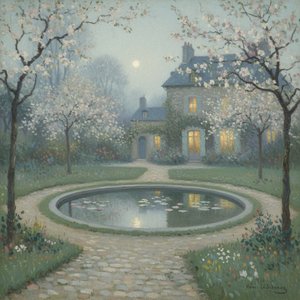
Henri Le Sidaner: Evoking Atmosphere & Intimacy in Post-Impressionist Landscapes
Discover the evocative world of Henri Le Sidaner, a master of Intimist painting. Explore his tranquil landscapes & atmospheric interiors – a celebration of light and intimacy. Learn about his life, style, and lasting legacy.

