
 Previzualizare
 Trimite prin felicitare
 Distribuie
 Detalii despre lucrare
 Ghid
Ghid

 Descarcă imaginea
 Produse similare
 Radiografie
 Galerie foto
 Q&A
Q&A Statistici
Le Pavillon

- 81.0 x 100.0 cm


 Vezi mai mult
Obțineți un fișier gata de imprimare care depășește cu mult calitatea previzualizării web. Fiecare imagine digitală pe care o vindem provine dintr-un master de înaltă rezoluție din baza noastră de date — având, de regulă, o lățime între 5.000 și 15.000 de pixeli — astfel încât să puteți printa în format mare, să decupați strâns sau să reproduceți detalii fine cu încredere.
Niciun fișier nu părăsește studioul nostru fără să fie tratat. Un expert digital verifică nuanțele de culoare în raport cu pictura originală și le corectează acolo unde este necesar, apoi îmbunătățește claritatea și detaliile folosind instrumente profesionale de retușare — rămânând întotdeauna fidel gestului pictural și stilului artistului. Rezultatul este o imagine care seamănă cu tabloul propriu-zis, nu cu o scanare filtrată.
Aprobați înainte de finalizare: expertul nostru vă va trimite imaginea prin e-mail în termen de 72 de ore pentru revizuire. Nu sunteți mulțumit? Solicitați îmbunătățiri sau corecturi, ori cereți o restituire a plății dacă calitatea nu este pe măsura așteptărilor.
Aceasta este calitatea pe care se bazează editorii, studiourile de design, galeriile și tipăriturile.
Imagine Digitală
Descărcați un fișier la rezoluție înaltă pentru afișare personală, imprimare și proiecte creative. ( Comută pe versiunea Print Comandă pictură realizată manual)
Inclus în fiecare comandă de imagini digitale
Livrare digitală de expertiză, garantată
Când alegeți OriginalUniqueArt.com, nu primiți doar o simplă imagine – primiți o operă de artă digitală îmbunătățită profesional, creată cu precizie și susținută de o garanție de satisfacție. Iată tot ceea ce primești odată cu comanda ta, în mod automat:

Livrare rapidă prin e-mail
Fișierul imaginii digitale la rezoluție înaltă vă va fi trimis prin e-mail în termen de 72 de ore de la finalizarea comenzii – gata pentru utilizare imediată.

Fișier digital optimizat prin IA
Opera ta de artă este optimizată profesional prin intermediul unor instrumente AI avansate și al editării manuale, asigurând un nivel maxim de detalii, claritate și acuratețe a culorilor.

Retransmitere gratuită pe viață
Ai șters sau ai pierdut din greșeală fișierul? Nu îți face griji – ți-l vom retrimite oricând, gratuit.

Fără taxe de import – Întotdeauna
Bucură-te instant de noua ta operă de artă, fără taxe vamale, taxe de import sau costuri de livrare – descărcările digitale sunt întotdeauna fără taxe.

Garanția acurateții culorilor
Asigurăm o reflectare cât mai fidelă a culorilor originale în imaginea ta digitală, prin utilizarea unor instrumente profesionale și a proceselor de gestionare a culorii.

Garanție de satisfacție de 100 de zile
Dacă nu sunteți mulțumit de imaginea digitală achiziționată, o vom revizui sau vă vom returna 100% în termen de 100 de zile – fără nicio întrebare.

Garanție de returnare 100% a banilor
Nu ești mulțumit? Primești rambursarea integrală în termen de 100 de zile de la primirea fișierului digital – fără nicio întrebare.

Reduceri pentru comenzi în volum
Cumpără 3 imagini, economisește 10% - Cumpără 5, economisește 15% - Cumpără 10+, economisește 20%. Ideal pentru proiecte creative, galerii și agenții.
Le Pavillon: A Glimpse of Tranquility by Henri Le Sidaner
Henri Le Sidaner's "Le Pavillon," painted in 1909, is an exquisite example of Intimist painting, capturing a serene garden scene with remarkable atmospheric depth. Measuring 81 x 100 cm, this oil on canvas artwork transports viewers to a world of quiet beauty and gentle contemplation. The piece exemplifies Le Sidaner's signature style – characterized by soft light, muted colors, and an almost dreamlike quality—and offers a window into the artist’s personal haven in Gerberoy.
Subject & Composition: A Garden Sanctuary
"Le Pavillon" depicts a picturesque garden setting centered around a circular fountain adorned with roses. The fountain's presence serves as a focal point, drawing the eye and establishing a sense of harmony within the composition. Lush greenery surrounds the fountain, creating a vibrant backdrop that contrasts beautifully with the soft pink hues of the flowers. A charming cottage nestled in the background adds depth and context to the scene, suggesting a secluded retreat from the bustle of everyday life. The perspective is subtly flattened, enhancing the painting's atmospheric quality and contributing to its overall sense of tranquility. The foreground features a circular bed covered with white flowers and green moss, leading the eye towards the central fountain. Behind the fountain, a small cottage with a thatched roof provides a focal point. The background consists of dense foliage and rolling hills, further blurring the lines between objects and creating a sense of atmospheric perspective.
Style & Technique: Impressionistic Nuances
Le Sidaner’s style is deeply rooted in Impressionism but transcends it with his unique Intimist approach. He masterfully employs loose brushstrokes and subtle color variations to capture the fleeting effects of light and atmosphere. Unlike some Impressionists who focused on capturing a moment's vibrancy, Le Sidaner sought to evoke a sense of quiet introspection and peaceful solitude. The painting’s palette leans towards muted greens, pinks, and browns, creating a harmonious and calming visual experience. The technique involves layering paint in short, broken strokes to build up color and form. This creates a hazy effect that enhances the dreamlike quality of the scene. Le Sidaner's use of light is particularly noteworthy; he skillfully depicts diffused sunlight filtering through the foliage, casting soft shadows and highlighting the delicate details of the flowers and fountain.
Historical Context & Symbolism: Gerberoy’s Embrace
“Le Pavillon” was created during a period when Impressionism had evolved into various artistic movements. Le Sidaner, however, remained true to his Intimist sensibilities, focusing on intimate scenes of domesticity and nature. The painting is intrinsically linked to the artist's life in Gerberoy, a village he adopted as his home in the early 20th century. He restored a medieval fortress there and cultivated enchanting gardens, which became recurring subjects in his mature works. The garden itself symbolizes tranquility, refuge, and the beauty of simple pleasures. The fountain can be interpreted as a source of life and renewal, while the cottage represents comfort and security. Symbolically, the scene evokes themes of nostalgia, peaceful solitude, and the enduring power of nature to soothe the soul.
Emotional Impact & Legacy: A Timeless Retreat
"Le Pavillon" resonates with viewers through its ability to evoke a sense of calm and serenity. The painting’s gentle colors, soft light, and harmonious composition create an atmosphere of peaceful contemplation. It offers a visual escape from the stresses of modern life, inviting viewers to immerse themselves in a world of quiet beauty. Le Sidaner's work continues to be admired for its dreamlike allure and its striking blend of impressionistic technique with contemplative themes. For those interested in purchasing handmade oil painting reproductions of this stunning garden scene, OriginalUniqueArt.com offers a wide range of options.
Întrebări și răspunsuri
Ce vârstă avea Henri Le Sidaner când a fost creat "Le Pavillon"?
Henri Le Sidaner a creat "Le Pavillon" la vârsta de 47. Artistul s-a născut în 1862, iar lucrarea datează din 1909.
Care sunt culorile dominante în "Le Pavillon" de Henri Le Sidaner?
"Le Pavillon" de Henri Le Sidaner utilizează o paletă de culori Dark, având culoarea Driftwood (#898d4e) ca nuanță dominantă.
Care sunt tehnica și data creației pentru "Le Pavillon" de Henri Le Sidaner?
Tehnica utilizată pentru "Le Pavillon" de Henri Le Sidaner este Oil On Canvas, iar lucrarea datează din 1909.
Biografie artist
Early Life and Background
Henri Le Sidaner, a name synonymous with evocative domestic scenes and tranquil landscapes, was born on August 7th, 1862, in the vibrant port city of Port Louis, Mauritius. His origins were deeply rooted in Breton heritage – his father, Jean Marie Le Sidaner, worked as a ship inspector for Lloyd’s, a position that necessitated frequent travels and ultimately led to the family's relocation to France in 1872. This move brought them to Dunkerque, a bustling coastal town in northern France, where young Henri began to develop his nascent artistic inclinations.
From an early age, Le Sidaner displayed a remarkable sensitivity to color and light, qualities that were nurtured by his parents’ support for his burgeoning passion. He attended the Collège et Lycée Notre Dame des Dunes in Dunkerque, immersing himself in both academic studies and artistic pursuits. A pivotal moment arrived when he received a scholarship – a rare opportunity afforded to him thanks to the city's recognition of his talent – that enabled him to pursue his dreams in Paris, the heart of French art and culture.
Artistic Training and Influences
Paris proved to be a transformative environment for Le Sidaner. He enrolled at the prestigious École nationale supérieure des beaux-arts, where he studied under Alexandre Cabanel, a renowned academic painter known for his mastery of classical techniques. However, a fundamental divergence in artistic philosophies led to a somewhat strained relationship and ultimately, Le Sidaner’s departure from the traditional curriculum. Despite this initial setback, his artistic journey was profoundly shaped by the diverse influences surrounding him.
Le Sidaner's early years were marked by an intense admiration for Impressionism and Post-Impressionism. He found himself captivated by the innovative approaches of artists like Édouard Manet, whose bold brushstrokes and rejection of academic conventions resonated deeply with his own artistic sensibilities. Claude Monet’s exploration of light and color also exerted a significant influence, inspiring Le Sidaner to capture the fleeting effects of natural illumination in his paintings. Furthermore, he became drawn to the Pointillist movement, intrigued by its systematic use of small dots of color to create vibrant images – a technique that subtly informed his own approach to composition and palette.
Seeking further artistic development and camaraderie, Le Sidaner joined the Colonie artistique d’Étaples, a collective of artists who gathered in Étaples to share their ideas, critique each other's work, and collectively pursue their creative visions. This collaborative environment proved invaluable in honing his skills and solidifying his artistic identity.
Artistic Style and Development
Le Sidaner’s distinctive style is immediately recognizable for its subdued color palette, nuanced greys, and the masterful application of opals – tiny, iridescent pigments that create a shimmering effect. His brushwork is characterized by uneven, dappled strokes, lending his paintings an atmospheric depth and a sense of quiet mysticism. This technique wasn't simply about replicating reality; it was about capturing the *feeling* of a scene, imbuing it with a subtle emotional resonance.
He became particularly celebrated for his nocturnes – paintings of twilight scenes – where he expertly rendered the delicate interplay of light and shadow. These works are not merely depictions of darkness; they are imbued with a sense of serenity and contemplation, inviting viewers to lose themselves in their ethereal beauty. Over time, Le Sidaner’s style evolved, moving beyond his early influences towards a more personal expression that blended Impressionistic techniques with elements of Symbolism. This synthesis resulted in paintings that were both technically proficient and deeply evocative.
In 1905, he exhibited a series of Venice paintings to great acclaim in London and Paris, showcasing the influence of his travels and his ability to capture the unique atmosphere of the Italian lagoon city. Later, he settled at Gerberoy in the Picardy countryside for over thirty years, transforming a medieval fortress ruin into a personal paradise – a garden filled with roses, dappled sunlight, and tables inviting quiet contemplation. These paintings became synonymous with his name, solidifying his reputation as an artist who could transform ordinary landscapes into extraordinary works of art.
Major Works and Recognition
Throughout his career, Le Sidaner produced a remarkable body of work that continues to be admired for its beauty, subtlety, and emotional depth. Some of his most celebrated paintings include “Still Life and a Window, Gisors,” a masterful depiction of domestic tranquility; "A Beauvais Square by Moonlight," capturing the magic of twilight in a Parisian setting; and “Les Cygnes” (The Swans), a poignant portrayal of graceful birds gliding across a serene lake. His works have been exhibited at prestigious venues such as the Musée des Beaux-Arts Tournai in Belgium, showcasing his enduring influence on the art world.
In 1913, Le Sidaner was awarded the rank of Chevalier (Officer) in the Legion of Honour, a testament to his contributions to French culture and his distinguished artistic career. His legacy extends beyond individual paintings; he is remembered as a pivotal figure in bridging the gap between Impressionism and Post-Impressionism, leaving an indelible mark on the history of French art.
Historical Significance
Henri Le Sidaner is often regarded as “the last of the Impressionists,” representing a transitional period in art history. While deeply influenced by the innovations of his predecessors, he ultimately forged his own unique style – one that retained the luminosity and spontaneity of Impressionism while incorporating elements of Symbolism and Pointillism. His paintings are not simply representations of reality; they are carefully constructed expressions of mood, atmosphere, and emotion.
Le Sidaner’s distinctive use of color, light, and brushwork – characterized by uneven, dappled strokes and a subtle shimmer created by the application of opals – sets him apart from his contemporaries. He possessed an extraordinary ability to capture the essence of everyday life, transforming ordinary domestic interiors and tranquil landscapes into works of art that resonate with viewers on a deeply personal level. His legacy continues to inspire artists and art enthusiasts alike, ensuring that his paintings will be enjoyed and appreciated for generations to come.
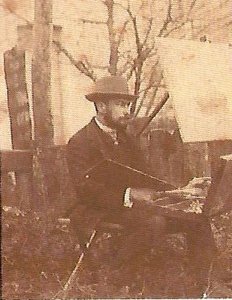
Henri Le Sidaner
1862 - 1939 , Mauritius
Detalii rapide
- Artistic Movement Or Style: Intimism, Impresionism
- Artists Or Movements Influenced By This Artist: ['Post-Impressionism']
- Artists Who Influenced This Artist:
- Manet
- Monet
- Pointillistes
- Date Of Birth: 7 August 1862
- Date Of Death: 14 July 1939
- Full Name: Henri Eugène Augustin Le Sidaner
- Nationality: France
- Notable Artworks:
- La Promenade Des Orphelines
- Table Au Clair De Lune
- Place Of Birth: Port Louis, Mauritius