

 Vezi în context
 Trimite
 Distribuie
 Detalii
 Ghidul

 Descarcă
 Produse similare
 Radiografie
 Diaporama
 Statistici
Odalisque


 Citește mai mult
Reproducere pictată manual în ulei
Pictură în ulei pe pânză, realizată manual de artiștii noștri la dimensiunea și ramele dorite de dumneavoastră, pe comandă. ( Comută pe versiunea Print Treci la imagine digitală)




P118B lei10

P118H lei10

P118W lei10

P438Z lei10

P508JH lei12

P508YH lei12

P805H lei10

P805Z lei10

P919BZ lei10

P919G lei10

P919XJ lei10

P959ZH lei10

P968JZ lei12

W106C lei8

W218G lei10

W218JH lei8

W218Y lei10

W307PJ lei10

W316G lei10

W316PJ lei8

W316Y lei10

W398PJ lei8

W4111J lei10

W500HY lei15

W500JH lei15

W692G lei12

W849H lei8

W940BG lei15

W953PJ lei8




Alegeți dintre dimensiunile noastre prestabilite, care respectă proporțiile originale ale operei de artă.

Introduceți lățimea și înălțimea de care aveți nevoie, pentru a se potrivi ramei sau peretelui dumneavoastră. Această lucrare este pictată manual, așa că pentru o dimensiune cu o formă diferită, artistul poate picta puțin mai mult în jurul imaginii sau poate tăia puțin din margini — dumneavoastră decideți. Vă vom trimite o simulare digitală pentru aprobare înainte de a începe pictarea. Imaginea afișată pe această pagină nu reprezintă rezultatul real — doar simularea este reprezentativă.
După plasarea comenzii, echipa OriginalUniqueArt.com va contacta clientul prin e-mail pentru instrucțiuni și îi va furniza o previzualizare a machetei
Livrare în întreaga lume () în 3-4 săptămâni, în loc de cele 5 săptămâni standard. (22 Octombrie). Fără compromisuri în ceea ce privește calitatea.

Livrare expres gratuită la nivel mondial

Pânză de in premium

Asigurare completă pentru transport

Garanție de rambursare a taxelor vamale

Garanția fidelității culorilor

Politica de retur în 100 de zile (doar pentru defecte)

Garanție de rambursare 100%

Reducere pentru comenzi multiple
 Opțiunea cu sticlă este disponibilă doar pentru dimensiuni de sub 110 cm

Odalisque
Tip de reproducere
Dimensiune reproducere
-


Preț total
lei 1388
A Moment of Intimate Serenity
In the quietude of 1925, Henri Matisse captured a scene of profound personal stillness in his masterpiece, Odalisque. The painting invites the viewer into a private sanctuary, where a solitary woman sits bathed in the soft, diffused light of an unseen window. There is an undeniable sense of vulnerability and grace as she gazes outward, her form partially revealed, lost in a moment of deep introspection. This is not merely a portrait of a figure, but an exploration of the boundary between the internal soul and the external world. The composition, characterized by its delicate balance, places the subject amidst a carefully curated domestic landscape—a room where checkered patterns and lush greenery breathe life into the stillness.
The atmosphere is one of tranquil contemplation, making this piece an extraordinary choice for those looking to infuse a living space with a sense of calm and sophisticated repose. For the discerning collector or interior designer, Odalisque offers more than just visual beauty; it provides an emotional anchor. The way the light interacts with the subject's skin and the surrounding textures creates a rhythmic harmony that can transform a modern room into a gallery of peace.
The Mastery of Color and Form
As a titan of the Fauvist movement, Matisse’s approach to Odalisque showcases his unparalleled ability to use color as a language of emotion. While his earlier works were known for their "wild" and non-naturalistic hues, this period of his career demonstrates a more refined, sculptural mastery of form. The technique relies on fluid draughtsmanship and a sophisticated palette that guides the eye through the room's intricate details—from the rhythmic patterns of the checkered couch to the organic silhouettes of the potted plants. Each element is placed with intentionality, creating a decorative flow that feels both spontaneous and meticulously planned.
The interplay between the structured geometry of the furniture and the soft, organic curves of the human form creates a captivating visual tension. This balance of structure and fluidity is what makes a high-quality reproduction of this work so impactful in home decor; it brings a sophisticated architectural rhythm to any wall. The artist’s ability to simplify complex scenes into essential, expressive shapes ensures that the painting remains timeless, transcending the era of its creation to remain eternally modern.
A Legacy of Decorative Elegance
To possess a piece inspired by Matisse is to hold a fragment of art history's most revolutionary spirit. Odalisque stands as a testament to the artist's lifelong pursuit of "expression through simplicity." The painting does not rely on heavy ornamentation but rather on the evocative power of light, shadow, and space. The presence of the vases and the verdant plants adds layers of texture and life, suggesting a world that is both curated and deeply lived-in.
For those seeking to curate an environment of elegance and intellectual depth, this artwork serves as a perfect centerpiece. It bridges the gap between classical subject matter and modern aesthetic sensibilities. Whether placed in a sunlit study or a grand salon, the Odalisque continues to whisper stories of beauty, solitude, and the enduring power of the human gaze, making it an indispensable treasure for any serious collection of fine art reproductions.
Întrebări și răspunsuri
Care este culoarea dominantă în "Odalisque" de Henri Émile Benoît Matisse?
Driftwood (#9f7957) este culoarea dominantă a operei "Odalisque" de Henri Émile Benoît Matisse.
Pot vedea o previzualizare a "Odalisque" de Henri Émile Benoît Matisse înainte de a comanda?
Pagina Previzualizare pentru „Odalisque” vă permite să vizualizați opera de artă înainte de a comanda.
Unde pot vedea originalul "Odalisque" de Henri Émile Benoît Matisse?
"Odalisque" de Henri Émile Benoît Matisse este expusă la Museo del Novecento, Milano, Italia. Mențiunea muzeului se referă la lucrarea originală, nu la reproduceri.
Biografie artist
Early Life and Artistic Beginnings
- Born: December 31, 1869, Le Cateau-Cambrésis, France
- Died: November 3, 1954, Nice, France
- Matisse's early life was marked by a period of illness in his youth which led him to pursue art as a hobby.
- He initially studied law but abandoned it to dedicate himself to painting.
- Early influences included Gustave Moreau and Édouard Manet, whose works he encountered during trips to Paris.
- His initial artistic style leaned towards realism before evolving into more experimental approaches.
The Fauvist Period and Artistic Development
- Matisse became a leading figure in the Fauvist movement around 1905.
- Fauvism, meaning "wild beasts," was characterized by its intense, non-naturalistic use of color.
- Key works from this period include "Woman with a Hat" (1905) and "The Joy of Life" (1906).
- He sought to express emotion through bold colors rather than representational accuracy.
- His approach challenged conventional artistic norms and sparked considerable controversy.
Mature Style and Continued Exploration
- After Fauvism, Matisse developed a more refined and decorative style.
- He explored flattened forms, simplified compositions, and intricate patterns.
- Travels to North Africa (Morocco) significantly influenced his palette and subject matter.
- His works from this period often feature luxurious interiors, portraits of women, and landscapes with vibrant colors.
- Notable paintings include "Moroccan in Green" (1911) and various depictions of dancers.
Later Years: Cut-Outs and Legacy
- In his later years, Matisse faced health challenges that limited his ability to paint traditionally.
- He innovatively developed a technique using cut-out paper collages.
- These "cut-outs" involved cutting shapes from colored paper and arranging them into compositions.
- The Chapelle de la Médiathèque in Nice, France, is a testament to his late work, featuring murals created with this technique.
- Historical Significance: Matisse's contributions to modern art are immense. He profoundly influenced subsequent generations of artists and helped shape the development of abstract expressionism and other movements. His emphasis on color, form, and decorative elements continues to inspire artists today.
Key Influences and Artistic Relationships
- Paul Cézanne: Matisse admired Cézanne's structural approach to painting and his exploration of form.
- Pablo Picasso: A contemporary and rival, Picasso shared a similar drive to revolutionize art. Their artistic dialogues shaped the course of 20th-century art.
- Gertrude Stein & Etta Cone: These American collectors were significant patrons of Matisse's work and played a crucial role in his career.
- Japanese Prints: The simplicity, flat planes, and bold patterns of Japanese prints deeply influenced Matisse’s aesthetic sensibilities.

Henri Émile Benoît Matisse
1869 - 1954 , France
Informații rapide
- Full Name: Henri Émile Benoît Matisse
- Nationality: French
- Date Of Birth: 1869
- Date Of Death: 1954
- Place Of Birth: Le Cateau-Cambrésis, France
- Notable Artworks:
- Carla Accardi Grigo Bruno
- The Banks of the Marne
- Belle-Île, rochers
- Moroccan in Green
- Artistic Movement Or Style: Fauvism, Post-Impressionism
Articole conexe
Influența Cromatică: Explorarea Impactului Psihologic al Paletelor de Culori asupra Stării de Spirit, Productivității și Atmosferei în Spațiile Interioare
Descoperă impactul psihologic al culorilor în design interior! Ghid expert pentru armonizarea spațiilor, alegerea artei potrivite și crearea unei atmosfere perfecte. Sfaturi practice și studii de caz.
Portrete Iconice: Top 10 Opere de Artă care Explorează Esența Umanității | OriginalUniqueArt.ro
Descoperă Top 10 portrete celebre din istoria artei! Explorează poveștile lui Van Gogh, Mona Lisa și alți maeștri. Reproduceri de calitate muzeală pentru decorul perfect. Inspiră-te acum pe OriginalUniqueArt.com!
The Resonance of Boldness: Exploring Emotional Impact & Artistic Techniques in Color-Dominant Works
Explore the powerful impact of color in art history! Discover how master artists evoked emotion & built movements through bold palettes. Expert insights for collectors – OriginalUniqueArt.
Culorile Maestrilor: Top 10 Opere de Artă și Inspirație pentru Decor
Descoperă top 10 opere de artă care celebrează puterea culorilor! De la Van Gogh la Matisse, explorează poveștile artiștilor și semnificația fiecărei palete. Găsește inspirație pentru decorul tău și reproduceri de calitate muzeală pe OriginalUniqueArt.com.
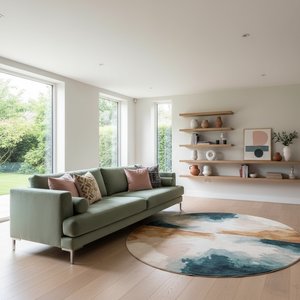
Armonizarea Spațiilor: Un Ghid pentru Utilizarea Paletelor de Culori în Designul Interior
Descoperă ghidul complet pentru armonizarea culorilor în designul interior! Sfaturi de la experți, teoria culorilor și inspirație pentru a crea spații perfecte.
