
 Vezi în context
 Trimite
 Distribuie
 Detalii
 Ghidul

 Descarcă
 Produse similare
 Radiografie
 Diaporama
 Statistici
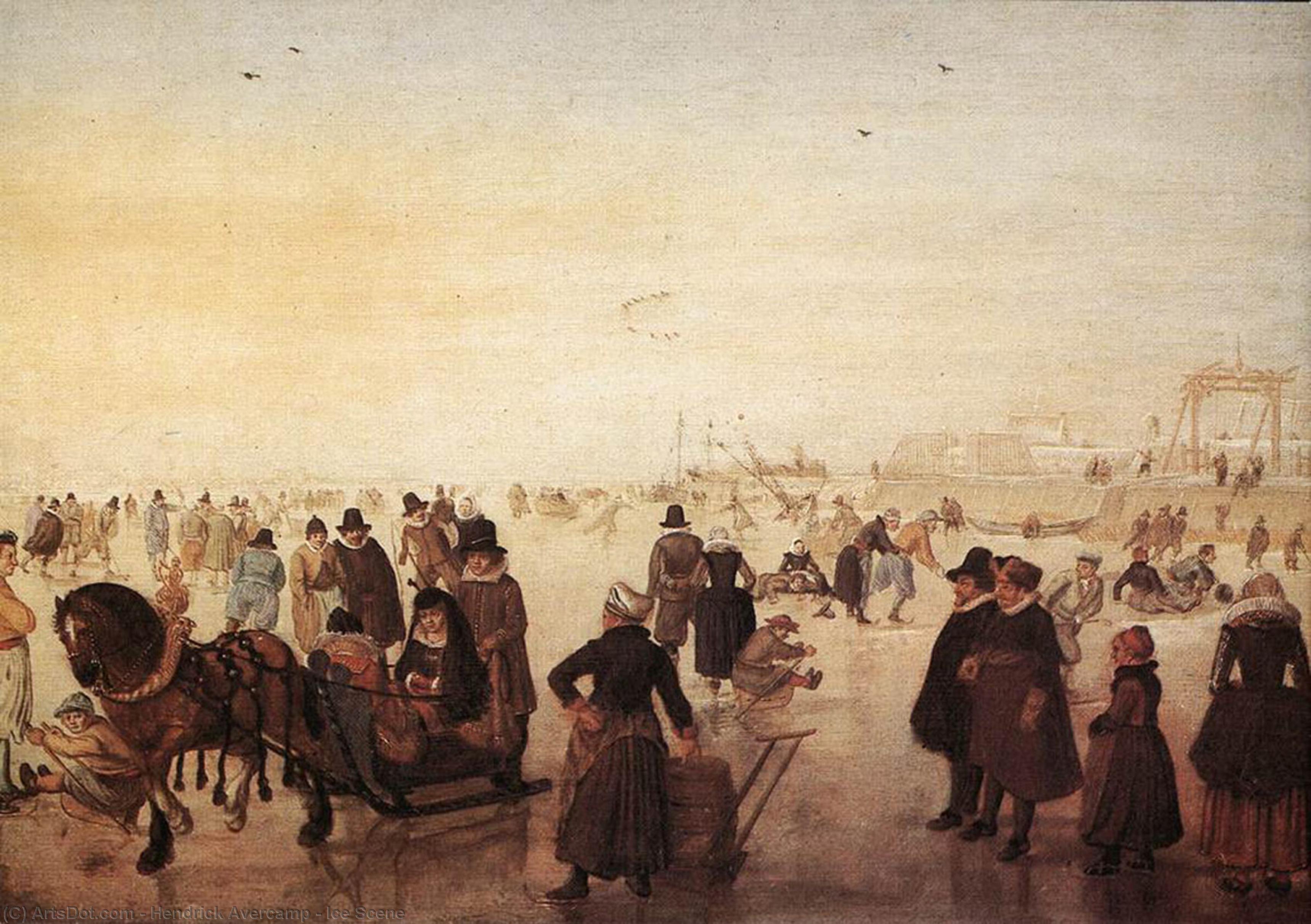
Ice Scene


 Citește mai mult
Giclée / Imprimare artistică
Printuri giclée sau pe canvas de calitate muzeală, cu proces de producție rapid și opțiuni flexibile de finisare. ( Comandă pictură realizată manual Treci la imagine digitală)




P118B lei10

P118H lei10

P118W lei10

P438Z lei10

P508JH lei12

P508YH lei12

P805H lei10

P805Z lei10

P919BZ lei10

P919G lei10

P919XJ lei10

P959ZH lei10

P968JZ lei12

W106C lei8

W218G lei10

W218JH lei8

W218Y lei10

W307PJ lei10

W316G lei10

W316PJ lei8

W316Y lei10

W398PJ lei8

W4111J lei10

W500HY lei15

W500JH lei15

W692G lei12

W849H lei8

W940BG lei15

W953PJ lei8




Alegeți dintre dimensiunile noastre prestabilite, care respectă proporțiile originale ale operei de artă.

Introduceți lățimea și înălțimea de care aveți nevoie, pentru a se potrivi ramei sau peretelui dumneavoastră. O printare poate fi doar tăiată, niciodată extinsă dincolo de dimensiunea imaginii originale, astfel încât o dimensiune cu o formă diferită va pierde o parte din imagine. Vă trimitem o simulare digitală pentru aprobare înainte de a imprima orice. Imaginea afișată pe această pagină nu prezintă tăierea reală — doar simularea arată acest lucru.
Livrare în întreaga lume () în 2 săptămâni, în loc de cele 4/5 săptămâni standard. (22 Octombrie)

Livrare expres gratuită la nivel mondial

Pânză de in premium

Asigurare completă pentru transport

Garanție de rambursare a taxelor vamale

Garanția fidelității culorilor

Politica de retur în 100 de zile (doar pentru defecte)

Garanție de rambursare 100%

Reducere pentru comenzi multiple
 Opțiunea cu sticlă este disponibilă doar pentru dimensiuni de sub 110 cm

Ice Scene
Giclée / Imprimare artistică
Dimensiune reproducere
-


Preț total
lei 370
A Glimpse into Dutch Winter Life – The Story of “Ice Scene”
Hendrick Avercamp’s “Ice Scene,” a captivating painting likely created around 1608-9, isn't merely a depiction of a winter landscape; it’s a vibrant snapshot of 17th-century Dutch society immersed in the joys and necessities of a frozen world. Born in Amsterdam during a period of intense cold – the Little Ice Age – Avercamp possessed an extraordinary ability to translate this harsh environment into a scene brimming with life, color, and surprisingly intimate detail. The painting transports us to a bustling riverbank, where figures engaged in various activities—skating, ice fishing, transporting goods, and simply enjoying the spectacle of winter—create a dynamic tableau that speaks volumes about daily existence during that era.
Avercamp’s genius lies not just in his technical skill but also in his masterful use of perspective and light. The composition draws the eye into the scene, guiding it from the foreground figures – a man seated on a sled pulled by a horse, a group of skaters, and a couple engaged in a private moment – to the distant buildings that suggest a thriving town beyond the frozen river. The artist employs aerial perspective, subtly lightening the colors and reducing detail in the background to create an illusion of depth, reinforcing the sense of vastness and distance. The muted palette of browns, blues, and greys is punctuated by vibrant reds and yellows, adding warmth and visual interest to the otherwise stark winter landscape.
The Painter’s Technique: A Blend of Observation and Artistic License
Avercamp was a unique figure in the Dutch Golden Age. Unlike many portraitists of his time, he rarely worked directly from life, preferring instead to create his scenes based on meticulous sketches made during winter excursions. These sketches served as the foundation for his paintings, allowing him to capture the nuances of light, shadow, and human interaction with remarkable accuracy. His technique is characterized by a loose, expressive brushstroke that contributes to the painting’s lively atmosphere. Avercamp was also known for tinting his drawings with watercolor, effectively creating finished paintings directly from his sketches – a process that allowed him to maintain the spontaneity and immediacy of his observations.
The use of oil paint further enhanced the richness and luminosity of the colors. Avercamp skillfully blended pigments to achieve subtle gradations of tone and texture, capturing the glistening surface of the ice and the rough wool of the clothing worn by the figures. He paid particular attention to detail, rendering each individual with a sense of personality and character. The painting is not simply a representation of a winter scene; it’s an intimate portrait of a community united in their shared experience of this challenging yet beautiful season.
Symbolism and Social Commentary
“Ice Scene” offers more than just a visual record of 17th-century Dutch life. It also provides insights into the social and economic conditions of the time. The presence of both wealthy merchants transporting goods on sleds and ordinary villagers engaged in leisure activities highlights the complex social hierarchy of the Netherlands. The scene’s depiction of ice fishing suggests the importance of this activity as a means of sustenance during the winter months, while the skaters represent a popular form of recreation. Even the seemingly mundane details – the horse pulling the sled, the children playing on the ice – contribute to a broader narrative about human resilience and adaptability in the face of adversity.
Furthermore, Avercamp’s choice of subject matter—a winter scene teeming with activity—can be interpreted as a celebration of Dutch ingenuity and resourcefulness. The ability to thrive in such harsh conditions was a source of national pride, and Avercamp’s painting serves as a testament to this spirit. The inclusion of the distant castle, rendered in a warm, inviting light, symbolizes hope and prosperity amidst the cold and darkness of winter.
A Timeless Masterpiece: Reproductions and Beyond
Hendrick Avercamp's “Ice Scene” remains one of the most iconic works of the Dutch Golden Age. Its captivating composition, vibrant colors, and insightful portrayal of human life continue to resonate with viewers today. High-quality reproductions capture the essence of this remarkable painting, offering a window into a bygone era. Whether adorning a grand salon or a cozy study, “Ice Scene” adds a touch of historical charm and artistic sophistication to any space. Consider commissioning a hand-painted reproduction – a truly unique piece that honors the legacy of this extraordinary artist.
Întrebări și răspunsuri
Despre ce este "Ice Scene" și ce atmosferă transmite?
"Ice Scene" de Hendrick Avercamp combină winter landscape, ice skating, dutch golden age, festive scene, communal activity, frozen river, avercamp cu o atmosferă Calm.
La ce artist este atribuită opera „Ice Scene”?
„Ice Scene” a fost creat de Hendrick Avercamp. Informațiile de pe această pagină descriu opera originală a lui Hendrick Avercamp.
Cum se raportează subiectul operei „Ice Scene” la temele obișnuite ale lui Hendrick Avercamp?
Printre temele renumite ale lui Hendrick Avercamp - flemish landscape traditions, dutch winter life scenes, social, communal gatherings, religious symbolism present, avercamp’s signature style - „Ice Scene” aduce o perspectivă proprie asupra winter landscape, ice skating, dutch golden age, festive scene, communal activity, frozen river, avercamp.
Biografie artist
Un pionier al iernii olandeze: Viața și arta lui Hendrick Avercamp
Hendrick Avercamp, un nume sinonim cu peisajele strălucitoare și înghețate ale Epocii de Aur olandeze, s-a născut în Amsterdam pe 27 ianuarie 1585. Povestea vieții sale este la fel de fascinantă ca și arta sa — o narațiune marcată atât de inovația artistică, cât și de circumstanțele personale. Din fragedă vârstă, a devenit clar că Avercamp trăia într-o lume experimentată diferit față de majoritatea oamenilor; fiind mut și probabil surd, acesta a primit porecla afectuoasă, dar definitorie, „de Stomme van Kampen” – Mutul din Kampen. Această limitare percepută, însă, nu i-a stins vocea artistică, ci poate chiar i-a ascuțit abilității de observație, permițându-i să traducă nuanțele iernii olandeze pe pânză cu o claritate și un farmec fără precedent. Inițial, a studiat în Amsterdam sub îndrumarea lui Pieter Isaacsz, un pictor de portrete, și posibil a beneficiat de îndrumarea lui David Vinckboons, a cărui influență poate fi observată în primele lucrări ale lui Avercamp. În 1608, s-a mutat la Kampen, unde și-a petrecut cea mai mare parte a vieții, consacrându-se ca un artist unic și celebrat.Capturarea unei lumi înghețate: Stil artistic și inovație
Avercamp se remarcă drept unul dintre primii pictori dedicați peisajului în Olanda secolului al XVII-lea, o perioadă dominată tradițional de portret, pictură istorică și pictură de compoziție (nature morte). El și-a găsit locul specializându-se în scene de iarnă — un subiect rar explorat cu o asemenea concentrare constantă înainte de apariția sa. Tablourile sale nu sunt simple reprezentări ale vremii reci; ele sunt instantaneu vibrante ale vieții olandeze care se desfășoară pe gheață. Personaje patinează, se deplasează cu sania, joacă kolf (o formă de golf jucată pe gheață) și pur și simplu se bucură de căile de apă înghețate, creând o tapiserie vie de activitate umană pe fundalul frumosului crud al peisajului de iarnă. Talenul lui Avercamp constă în capacitatea sa de a transmite atât frigul sezonului, cât și căldura bucuriei comune. El a utilizat magistral perspectiva aeriană, modificând subtil culorile și detaliile pentru a crea un sentiment convingător de adâncime, atras de privitor în aceste lumi de gheață. Tehnica sa implica adesea aplicarea unor lavaje de acuarelă peste desene cu penița și cerneala, creând efecte delicate și luminoase. Aceste lucrări mai mici erau adesea vândute ca piese finite, destinate includerii în albumele colecționarilor — o dovadă a scalei lor intime și a atractivității lor.Influențe și dezvoltare: De la Bruegel la realismul olandez
Deși Avercamp și-a modelat propriul stil distinctiv, el nu a lucrat într-un vid artistic. Influența maeștrilor flamand, precum Pieter Bruegel cel Bătrân, este evidentă în primele sale compoziții — scenele agitate, pline de numeroase figuri implicate în activități cotidiene. Totuși, Avercamp a depășit simpla imitare, dezvoltând o sensibilitate unic olandeză, caracterizată prin detalii meticuloase și o observație ageră a luminii și atmosfereului. El a îmbrățișat tendința tot mai mare spre realism în pictura olandeză, reprezentând cu acuratețe hainele, uneltele și obiceiurile vremii sale. Opera sa reflectă, de asemenea, condițiile climatice ale „Micii Ere Glaciare”, o perioadă de ierni neobișnuit de reci în Europa, care fără îndoială i-a alimentat fascinația pentru peisajele înghețate. Spre deosebire de unii contemporani care ar fi putut idealiza subiectele lor, Avercamp a prezentat o viziune realistă — și adesea umoristică — asupra vieții, incluzând detalii jucăușe care sugerează defectele umane și evenimentele de zi cu zi.Moștenire și semnificație istorică
Impactul lui Hendrick Avercamp asupra picturii olandeze este considerabil. El nu doar că a popularizat peisajul de iarnă ca un subiect legitim pentru explorare artistică, dar a ajutat și la definirea unei abordări distinct olandeze a picturii de peisaj — una care pune accent pe realism, efecte atmosferice și reprezentarea vieții de zi cu zi. Opera sa a oferit inspirație generațiilor ulterioare de artiști și continuă să captive publicul și astăzi. Colecții notabile care expun măiestria sa includ Rijksmuseum din Amsterdam, care deține un număr semnificativ de picturi ale sale, și Mauritshuis din Haga. Moștenirea lui Avercamp se extinde dincolo de realizările sale artistice; el reprezintă un triumf asupra adversității, demonstrând că expresia creativă poate înflori chiar și în fața provocărilor personale. A murit în Kampen pe 15 mai 1634, lăsând în urmă o creație care continuă să ofere o fereastră către lumea vibrantă și adesea trecută cu vederea a Olandei secolului al XVII-lea — o lume înghețată în timp, dar plină de viață.Lucrări notabile
- Peisaj de iarnă cu patinatori: Probabil cea mai iconică lucrare a sa, acest tablou exemplifică măiestria lui Avercamp de a captura energia și atmosfera unei scene de iarnă olandeză.
- Strada în Delf: Un exemplu rar al lui Avercamp aventurându-se dincolo de peisaje, demonstrându-și abilitatea de a picta viața orașului.
- Bucurându-se de gheață lângă un oraș: Demonstrează capacitatea sa de a crea compoziții dinamice, pline de numeroase figuri implicate în diverse activități.

Hendrick Avercamp
1585 - 1634 , Olanda
Informații rapide
- Artistic Movement Or Style: Dutch Golden Age painting
- Artists Who Influenced This Artist:
- Pieter Isaacsz
- David Vinckboons
- Date Of Birth: January 27, 1585
- Date Of Death: May 15, 1634
- Full Name: Hendrick Avercamp
- Nationality: Dutch
- Notable Artworks:
- Winter Landscape with Skaters
- Street in Delfi
- Place Of Birth: Amsterdam, Netherlands
Articole conexe

Epoca de Aur Olandeză: 10 Capodopere Care Au Definit Arta și Decorațiunea Interioară
Descoperiți Epoca de Aur Olandeză prin 10 capodopere Rembrandt, Vermeer și alți pictori olandezi. Aflați poveștile din spatele acestor tablouri baroce iconice și inspirați-vă pentru decorațiuni interioare unice. Explorează colecția completă pe OriginalUniqueArt.com!

Golden Light & Dutch Skies: Bringing the Magic of Dutch Golden Age Landscapes into Your Home
Transform your home with the breathtaking light of Dutch Golden Age landscapes. Discover how hand-painted oil reproductions of masterworks like Ruisdael and Vermeer bring timeless elegance, atmosphere, and soulful texture to modern interiors. Elevate your space with museum-quality art.
Charles Leickert: Capturing the Dutch Golden Age Light – A Comprehensive Study of Technique, Context, and Legacy
Explore the captivating winter landscapes of Charles Leickert, a master of Dutch Golden Age light & atmosphere. Discover his techniques, symbolism, and lasting legacy – a comprehensive study for art enthusiasts and collectors.

Golden Light & Dutch Skies: The Timeless Magic of Dutch Golden Age Landscapes
Discover the breathtaking beauty of Dutch Golden Age landscapes. Explore the mastery of light, chiaroscuro, and 17th-century realism through an expert art history lens, celebrating the enduring legacy of the Dutch Masters for discerning collectors and art lovers.
Nicolaes Berchem: Dutch Golden Age Pastoralism & the Evolution of Landscape Painting
Explore the captivating world of Nicolaes Berchem, a leading Dutch Golden Age painter. Discover his idyllic landscapes, masterful technique & lasting influence on art history. Learn more at OriginalUniqueArt.

