

 Previzualizare
 Trimite prin felicitare
 Distribuie
 Detalii despre lucrare
 Ghid
Ghid

 Descarcă imaginea
 Produse similare
 Radiografie
 Galerie foto
 Q&A
Q&A Statistici
Die Ernte


 Vezi mai mult
Giclée / Imprimare artistică
Printuri giclée sau pe canvas de calitate muzeală, cu proces de producție rapid și opțiuni flexibile de finisare. ( Comandă pictură realizată manual Comută pe Imagine Digitală)




P118B lei10

P118H lei10

P118W lei10

P438Z lei10

P508JH lei12

P508YH lei12

P805H lei10

P805Z lei10

P919BZ lei10

P919G lei10

P919XJ lei10

P959ZH lei10

P968JZ lei12

W106C lei8

W218G lei10

W218JH lei8

W218Y lei10

W307PJ lei10

W316G lei10

W316PJ lei8

W316Y lei10

W398PJ lei8

W4111J lei10

W500HY lei15

W500JH lei15

W692G lei12

W849H lei8

W940BG lei15

W953PJ lei8




Alegeți dintre dimensiunile noastre prestabilite, care respectă proporțiile originale ale operei de artă.

Introduceți lățimea și înălțimea necesare pentru a se potrivi ramei sau peretelui dumneavoastră. O printare poate fi doar tăiată, niciodată extinsă dincolo de dimensiunea imaginii originale, astfel încât o dimensiune cu o formă diferită va pierde o parte din imagine. Vă trimitem o simulare digitală pentru aprobare înainte de a imprima orice. Imaginea afișată pe această pagină nu prezintă tăierea reală — doar simularea arată acest lucru.
Livrare în întreaga lume () în 2 săptămâni, în loc de cele 4/5 săptămâni standard. (31 Octombrie)

Livrare expres gratuită la nivel mondial

Pânză de in de înaltă calitate

Asigurare completă pentru transport

Garanție de rambursare a taxelor vamale

Garanția fidelității culorilor

Politica de retur în 100 de zile (doar pentru defecte de fabricație)

Garanție de rambursare 100%

Ofertă pentru comenzi multiple
 Opțiunea cu sticlă este disponibilă doar pentru dimensiuni de sub 110 cm

Die Ernte
Giclée / Imprimare artistică
Dimensiune reproducere
-


Preț total calculat
lei 375
A Symphony of Abundance: Rediscovering Hans Makart’s Die Ernte
In the grand tapestry of nineteenth-century European painting, few works capture the intoxicating essence of vitality and sensory delight quite like Hans Makart’s Die Ernte. Created in 1872, this magnificent oil on canvas serves as a breathtaking window into the height of the Academic style, specifically the opulent movement known as Makartstil. At first glance, the viewer is swept into a lush, dreamlike gathering where the boundaries between humanity and nature seem to dissolve. A group of figures, rendered with a soft, classical grace, are nestled amidst an overwhelming profusion of flora. The scene is not merely a depiction of a harvest, but a celebration of life itself, where the warmth of human connection meets the untamed fertility of the earth.
The composition of Die Ernte is a masterclass in orchestrated movement and visual richness. Makart directs the eye through a rhythmic arrangement of bodies—some reclining in repose, others standing in quiet contemplation—all woven together by the scattered abundance of flowers that carpet the ground and adorn the hands of the participants. The artist’s technique relies heavily on his profound mastery of color; rather than relying on sharp, clinical lines, he utilizes vibrant, saturated hues to create a sense of depth and atmosphere. This painterly approach allows the light to dance across the skin of the figures and the delicate petals of the blossoms, creating an effect that feels both tactile and ethereal. For the discerning collector, this piece offers a profound sense of luxury, making it an ideal centerpiece for interiors that demand a touch of historical grandeur and romanticism.
The Legacy of Makartstil and Emotional Resonance
To understand the impact of Die Ernte, one must understand the era of its creation. Hans Makart was the undisputed master of the Viennese art scene, a man whose name became synonymous with a specific brand of decorative splendor. His work often sought to evoke a sense of "total art," where every brushstroke contributed to an atmosphere of sophisticated decadence. In this particular masterpiece, the symbolism of the harvest transcends the literal; it speaks to the cyclical nature of life, the fertility of the soul, and the joy found in communal abundance. The nudity of the figures, far from being provocative in a modern sense, evokes a classical purity, reminiscent of pastoral idylls from antiquity, stripped of the complexities of industrial civilization.
For interior designers and art enthusiasts alike, bringing a reproduction of this work into a living space provides more than just decoration; it introduces an emotional narrative. The painting possesses a unique ability to transform a room, infusing it with a sense of warmth, conviviality, and timeless elegance. It invites conversation and contemplation, acting as a focal point that draws the viewer into its lush, floral embrace. Whether placed in a sunlit gallery or a moody, classically appointed study, Die Ernte remains a powerful testament to the enduring allure of beauty, reminding us of a time when art was designed to overwhelm the senses and elevate the spirit.
Întrebări și răspunsuri
Cât de armonioase sunt culorile din "Die Ernte" de Hans Makart?
Armonia cromatică a operei "Die Ernte" este descrisă ca fiind Balanced Harmony.
Drepturile de autor asupra operei "Die Ernte" de Hans Makart permit reproducerea acesteia?
"Die Ernte" de Hans Makart, păstrat la Galeria Belvedere din Viena, este în domeniul public – drepturile de autor au expirat. Acest statut determină dacă pot fi realizate reproduceri ale imaginii.
Ce stare de spirit transmite "Die Ernte" de Hans Makart în cadrul mișcării Academic History Painting?
Emoția Joyful din "Die Ernte" însoțește stilul său Academic History Painting.
Biografie artist
Hans Makart: Un Viațitor al Opulenței și Influenței
Născut în Salzburg, Austria, pe 28 mai 1840, Hans Makart a fost un artist care a definit o epocă de exuberanță artistică și socială. Provenind dintr-o familie cu legături la curtea Habsburgică, destinul său artistic s-a conturat încă din tinerețe, deși începuturile sale la Academia din Viena (1850-1851) au fost marcate de dificultăți în ceea ce privește desenul. Această provocare nu l-a descurajat, ci l-a îndrumat spre o explorare a culorii și compoziției care avea să devină semnătura sa distinctivă. Studiile sub îndrumarea lui Karl Theodor von Piloty la München (1861-1865) au fost cruciale în formarea stilului său, iar călătoriile ulterioare prin Londra, Paris și Roma i-au lărgit orizonturile artistice, expunându-l la diverse curente europene.De la Ucenicie la "Makartstil": O Revoluție Cromatică
Influența lui Piloty este evidentă în primele lucrări ale lui Makart, cum ar fi Lavoisier în Închisoare, unde se distinge deja o sensibilitate aparte pentru culoare. Însă, adevărata sa măiestrie s-a dezvăluit prin dezvoltarea "Makartstil"-ului – un stil inconfundabil caracterizat de decorativism opulent, culori vibrante și o teatralitate captivantă. Această abordare a revoluționat arta din Austro-Ungaria și nu numai, marcând o ruptură cu rigorile academice tradiționale. Lucrări precum Cavalerul și Nimfele de Apă au demonstrat talentul său pentru compoziții decorative complexe, în timp ce Amoretti Moderni și Pestele din Florența i-au consolidat reputația ca un artist de prim plan. Achiziționarea picturii Romeo și Julieta de către împăratul Franz Joseph pentru Muzeul din Viena a fost o confirmare a statutului său, propulsându-l în vârful lumii artistice.Un Maestru al Istoriei Pictate și al Spectacolului Vizual
Makart nu s-a limitat la portrete sau scene mitologice; el a excelat în pictura istorică, aducând o perspectivă unică asupra evenimentelor din trecut. Intrarea Împăratului Carol V în Anvers în 1520 este un exemplu superb al capacității sale de a recrea scene istorice cu o atenție meticuloasă la detalii și o dramatizare emoționantă. Dar, poate cea mai mare realizare a sa a fost designul pageantului pentru cea de-a 25-a aniversare a căsătoriei împăratului Franz Joseph I și a împărătesei Elisabeta (Sisi) în 1879 – "Makart Parade". Acest spectacol elaborat, o demonstrație uimitoare de talent în designul costumelor și al decorurilor, a captivat publicul și a consacrat geniul său vizual. Numirea sa ca profesor la Academia din Viena în același an a confirmat poziția sa centrală în lumea artistică vieneză.Influențe, Moștenire și Umbra lui Klimt
Hans Makart nu a creat într-un vid; el s-a inspirat din maeștri precum Karl Theodor von Piloty, dar și din curente artistice europene, inclusiv simbolismul și arta nouveau. Influența sa asupra generațiilor următoare de artiști este incontestabilă, iar cea mai evidentă manifestare a acesteia este în opera lui Gustav Klimt, care a fost profund influențat de stilul decorativ și teatral al lui Makart. Deși uneori criticat pentru lipsa de acuratețe istorică în unele dintre lucrările sale, impactul său asupra culturii vieneze și a tendințelor artistice rămâne incontestabil. Moartea sa prematură în 1884, la vârsta de doar 44 de ani, a marcat sfârșitul unei epoci, iar licitația impresionantă a colecției sale vaste de antichități și opere de artă a dispersat moștenirea sa către diverse colecții. Astăzi, opera lui Hans Makart este apreciată pentru culorile sale vibrante, bogăția decorativă și atmosfera unică pe care o creează – un testament al geniului său artistic și al unei perioade de opulență și inovație în arta secolului al XIX-lea.
Hans Makart
1840 - 1884 , Austria
Detalii rapide
- Artiști Influențați:
- Gustav Klimt
- Art Nouveau
- Artiști Influenți: ['Karl Theodor von Piloty']
- Data Decesului: 3 octombrie 1884
- Data Nașterii: 28 mai 1840
- Locul Nașterii: Salzburg, Austria
- Mișcare Artistică: Academic Art, Makartstil
- Naționalitate: Austriac
- Nume Complet: Hans Makart
- Opere Notabile:
- Lavoisier în Închisoare
- Amoretti Moderni
- Pesta din Florența
- Romeo și Julieta
Articole similare

Mastering Perfection: A Definitive Guide to the Elegance and Precision of Academic Classicism
Explore the rigorous beauty of Academic Classicism. Discover the principles of order, precision, and historical reverence that define this timeless art movement through an expert guide to its enduring legacy and technical mastery.

Academic Art: Tradition, Technique & the Pursuit of Ideal Form in the 19th Century
Explore the world of Academic Art! Discover its history, key artists like Ingres & Bouguereau, defining techniques, and lasting influence on 19th-century painting. Learn about the Salon system and its legacy.
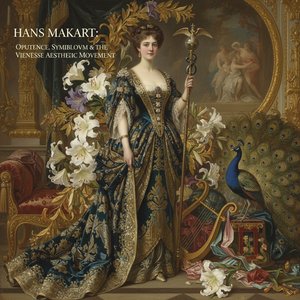
Hans Makart: Opulence, Symbolism & the Viennese Aesthetic Movement
Explore the opulent world of Hans Makart, a pivotal figure in Austrian art history. Discover his influence on Klimt & the Vienna Secession, signature style, and investment potential. Expert insights for collectors.

The Beauty of Perfection: A Journey Through the Rigor and Radiance of Academic Realism
Explore the profound elegance of Academic Realism. Discover how meticulous observation, anatomical precision, and the pursuit of ideal beauty created a timeless legacy of technical mastery and emotional depth in the world's most revered art academies.
Top 10 Capodopere ale Realismului Academic: Artă Clasică pentru Decorul Tău
Descoperă top 10 capodopere ale Realismului Academic! Explorează poveștile din spatele picturilor lui Bouguereau, Gérôme și Cabanel. Reproduceri de artă clasică pentru un decor elegant. Vezi colecția completă pe OriginalUniqueArt.com!