
 Previzualizare
 Trimite
 Distribuie
 Detalii despre lucrare

 Descarcă
 Produse similare
 Radiografie
 Diapozitive automate
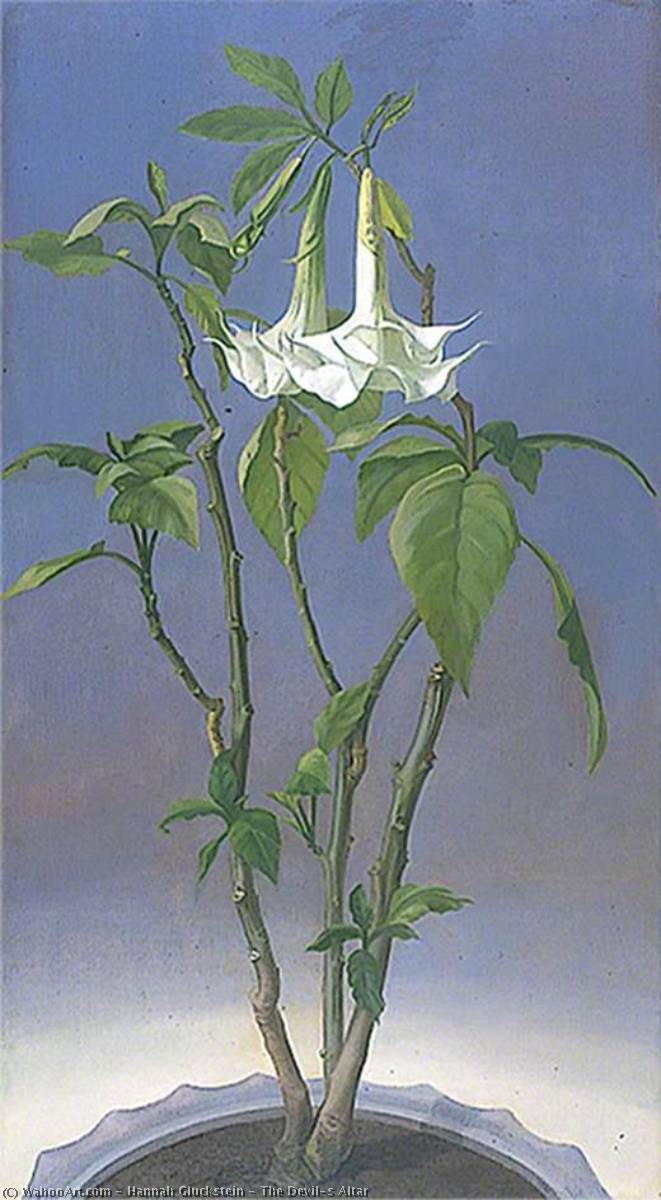
The Devil's Altar
 1932
1932 137.0 x 76.0 cm
 Vezi mai mult
Reproducere pictată manual în ulei
Pictură în ulei pe pânză, realizată manual de artiștii noștri la dimensiunea și ramele dorite de dumneavoastră, pe comandă. ( Comandă printul Cumpără imaginea)




































Alegeți dintre dimensiunile noastre prestabilite, care respectă proporțiile originale ale operei de artă.

Puteți introduce propriile dimensiuni pentru a se potrivi unui anumit cadru sau spațiu. Dacă dimensiunea selectată nu corespunde proporțiilor imaginii originale, vom decupa opera de artă sau vom extinde pictura cu elemente suplimentare pictate manual. O simulare digitală vă va fi trimisă pentru aprobare înainte de începerea producției.
Vă rugăm să rețineți că previzualizarea de pe ecran nu reflectă decuparea sau extinderea reală. Doar macheta va arăta cu exactitate compoziția finală.
Deși sunt disponibile dimensiuni personalizate, vă recomandăm să selectați o dimensiune din lista predefinită pentru a păstra proporțiile originale.
După plasarea comenzii, echipa OriginalUniqueArt.com va contacta clientul prin e-mail pentru instrucțiuni și îi va furniza o previzualizare a machetei
Livrare în întreaga lume () în 3-4 săptămâni, în loc de cele 5 săptămâni standard. (29 August). Fără compromisuri în ceea ce privește calitatea.

Livrare expres gratuită la nivel mondial

Pânză de in de înaltă calitate

Asigurare completă pentru transport

Garanție de rambursare a taxelor vamale

Garanția fidelității culorilor

Politica de retur în 60 de zile (doar pentru defecte)

Garanție de rambursare 100%

Ofertă pentru comenzi multiple
 Opțiunea cu sticlă este disponibilă doar pentru dimensiuni de sub 110 cm

The Devil's Altar
Tehnică de reproducere
Dimensiune reproducere
-


Preț total calculat
$ 300
Biografie artist
The Defiant Spirit of Gluck
In the annals of twentieth-century British art, few figures command as much quiet respect and intrigue as Hannah Gluckstein, known to the world simply as Gluck. Born in London in 1895 into a prosperous Jewish family, her life was a masterclass in the pursuit of authenticity over convention. From a young age, she possessed an intellectual rigor that led her through the halls of St Paul’s Girls' School and eventually to Lincoln College, Oxford. Yet, while her academic achievements were formidable, it was within the studios of the St John’s Wood School of Art that her true vocation took root. Under the guidance of masters such as Sir Edward Maufe, she began to develop a visual language that would eventually bridge the gap between meticulous realism and the burgeoning modernism of her era.
Perhaps most striking about Gluck was her deliberate rejection of societal labels. In an age where women were often defined by their relationships to men, she stripped away all formal honorifics, refusing to be addressed as Miss or Mrs. By adopting the mononym Glullstein—or more simply, Gluck—she asserted a singular identity that was entirely her own. This sense of independence was not merely a social stance but a fundamental component of her artistic psyche, informing the psychological depth and unflinching gaze found in her most celebrated portraits.
Luminosity and the Cornish Light
The trajectory of Gluck’s career was profoundly altered in 1916 when she sought refuge and inspiration in the Lamorna Colony in Cornwall. Joining a circle of luminaries including Frank Cormack and William Nicholson, she became immersed in an environment where the landscape itself seemed to dictate the brushstroke. The rugged, atmospheric beauty of the Cornish coast provided her with a new palette of light and shadow, fostering a fascination with the interplay between nature and emotion. It was during this period that her work began to exhibit its signature luminous color palettes and an almost tactile sense of detail.
Beyond the sweeping vistas of the coast, Gluck found profound meaning in the smaller, more intimate corners of the natural world. She developed a deep, recurring affection for floral subjects, most notably poppies, which became much more than mere decorative elements in her compositions. To Gluck, these flowers were vessels of symbolism, their vibrant petals and delicate structures serving as metaphors for the fleeting nature of beauty and the resilience of life. Her ability to render these botanical subjects with both breathtaking accuracy and atmospheric subtlety allowed her to elevate still life into a realm of profound poetic expression.
A Legacy of Psychological Depth
As her career matured, Gluck’s reputation as one of the foremost portraitists of her generation was solidified. Her approach to portraiture went far beyond the superficial recording of features; she sought to capture the very essence, the psychological interiority, of her subjects. Whether painting prominent figures like Sir James Crichton Browne or more intimate acquaintances, her work was characterized by a masterful use of light and shadow that lent her subjects an incredible sense of dimensionality and presence. Her style, often touched by the clean lines and geometric elegance of the Art Deco movement, allowed her to present her subjects with a dignified, modern clarity.
The historical significance of Gluck lies in her ability to navigate the transition from traditional Victorian sensibilities to the complexities of the modern age. She remained a steadfast practitioner of craft, yet her spirit was undeniably revolutionary. Her life and work stand as a testament to the power of self-definition, proving that through the disciplined application of talent and an unwavering commitment to one's vision, an artist can transcend the limitations of their time to achieve a timeless, enduring resonance.

Detalii rapide
- Artistic Movement Or Style: Impressionist painting
- Artists Or Movements Influenced By This Artist: ["Lamorna artists' colony"]
- Artists Who Influenced This Artist: ['James Crichton Browne']
- Date Of Birth: 13 August 1895
- Full Name: Hannah Gluckstein
- Nationality: British
- Notable Artworks: ['Sir Edward Maufe']
- Place Of Birth: London, England

