 Previzualizare
 Trimite prin felicitare
 Distribuie
 Detalii despre lucrare
 Ghid
Ghid

 Descarcă imaginea
 Produse similare
 Radiografie
 Galerie foto
 Q&A
Q&A Statistici
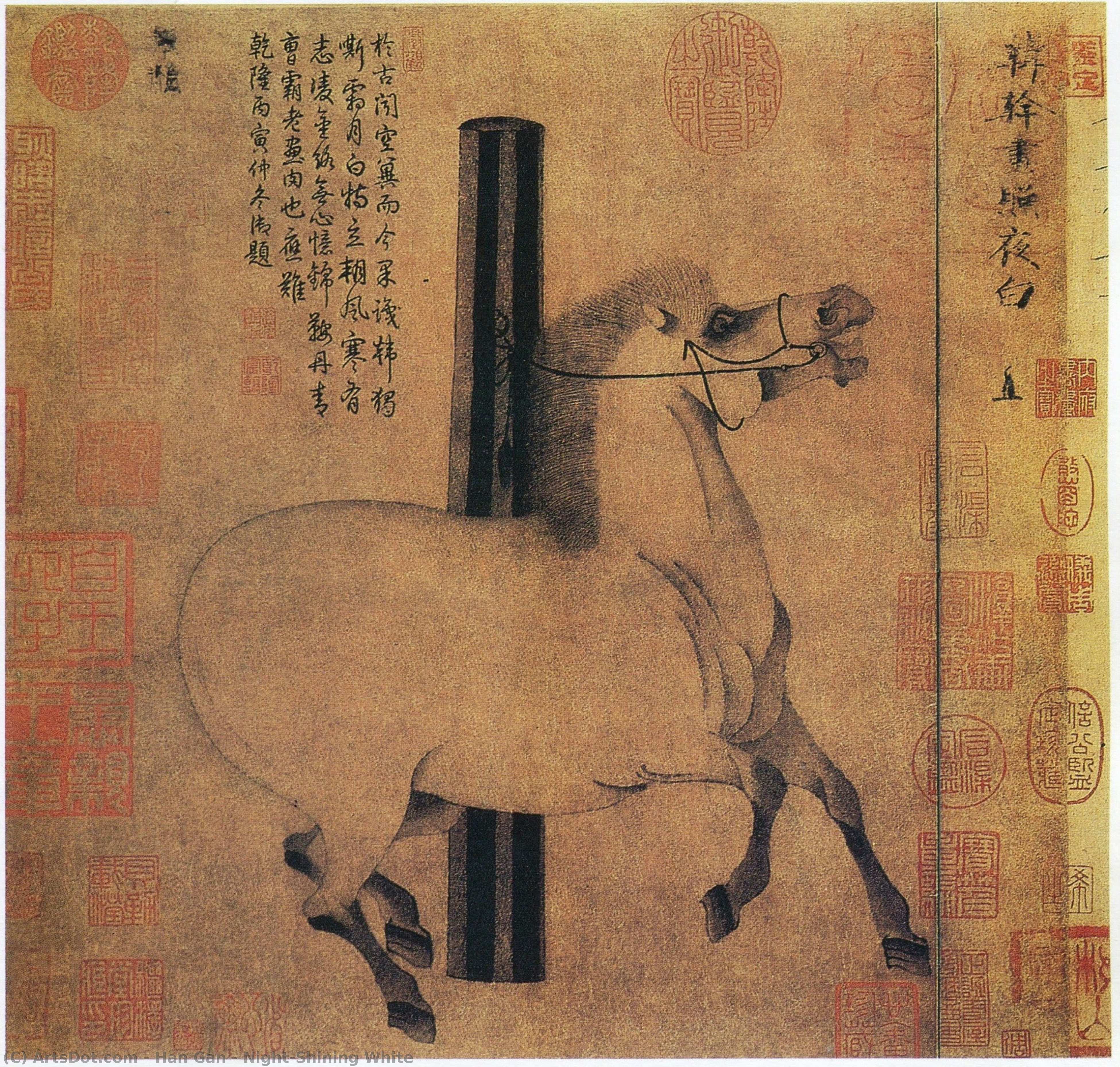
Night-Shining White


 Vezi mai mult
Lucrarea de artă afișată pe această pagină este protejată de legile privind drepturile de autor, ceea ce înseamnă că nu putem crea sau vinde în mod legal o reproducere identică. Această protecție este garantată prin acorduri internaționale, precum Convenția de la Berna și de legile naționale, inclusiv cele prevăzute de Legea dreptului de autor din S.U.A. – Titlul 17. Toate drepturile rezervate. Orice reproducere neautorizată este interzisă.
Această metodă respectă pe deplin reglementările privind drepturile de autor, deoarece nu implică copierea sau duplicarea operei protejate. În schimb, este o reinterpretare creativă – o pictură nouă, influențată de original, dar care nu este identică cu acesta.
Giclée / Imprimare artistică
Printuri giclée sau pe canvas de calitate muzeală, cu proces de producție rapid și opțiuni flexibile de finisare. ( Comandă pictură realizată manual Comută pe Imagine Digitală)




P118B lei10

P118H lei10

P118W lei10

P438Z lei10

P508JH lei12

P508YH lei12

P805H lei10

P805Z lei10

P919BZ lei10

P919G lei10

P919XJ lei10

P959ZH lei10

P968JZ lei12

W106C lei8

W218G lei10

W218JH lei8

W218Y lei10

W307PJ lei10

W316G lei10

W316PJ lei8

W316Y lei10

W398PJ lei8

W4111J lei10

W500HY lei15

W500JH lei15

W692G lei12

W849H lei8

W940BG lei15

W953PJ lei8




Alegeți dintre dimensiunile noastre prestabilite, care respectă proporțiile originale ale operei de artă.

Introduceți lățimea și înălțimea necesare pentru a se potrivi ramei sau peretelui dumneavoastră. O printare poate fi doar tăiată, niciodată extinsă dincolo de dimensiunea imaginii originale, astfel încât o dimensiune cu o formă diferită va pierde o parte din imagine. Vă trimitem o simulare digitală pentru aprobare înainte de a imprima orice. Imaginea afișată pe această pagină nu prezintă tăierea reală — doar simularea arată acest lucru.
Livrare în întreaga lume () în 2 săptămâni, în loc de cele 4/5 săptămâni standard. (2 Noiembrie)

Livrare expres gratuită la nivel mondial

Pânză de in de înaltă calitate

Asigurare completă pentru transport

Garanție de rambursare a taxelor vamale

Garanția fidelității culorilor

Politica de retur în 100 de zile (doar pentru defecte de fabricație)

Garanție de rambursare 100%

Ofertă pentru comenzi multiple
 Opțiunea cu sticlă este disponibilă doar pentru dimensiuni de sub 110 cm

Night-Shining White
Giclée / Imprimare artistică
Dimensiune reproducere
-


Preț total calculat
lei 380
The Majesty of the Tang Steed: Capturing Motion in Night-Shining White
To gaze upon Han Gan’s depiction of Night-Shining White is to be transported directly into the opulent, spirited heart of the Tang Dynasty. This painting is not merely a portrait of an animal; it is a vibrant testament to the cultural obsession with the horse during China's golden age. The Tang period saw horses elevated from mere modes of transport to symbols of imperial power, martial prowess, and aristocratic grace. Han Gan, whose mastery of equine anatomy became legendary, captured this very spirit—the raw, untamed energy barely contained within a painted frame.
The subject itself is breathtaking: Moonlight White, the magnificent steed belonging to Emperor Xuanzong. The artist has managed to imbue this powerful creature with an almost palpable life force. Observe how the horse is depicted in a moment of spirited struggle, whinnying and rearing against its bonds. It is a dynamic tableau where muscle meets spirit, all rendered with astonishing vitality.
A Masterclass in Brushwork and Technique
What elevates this work beyond mere representation is Han Gan’s unparalleled technical skill. The description speaks of how the painter achieved such lifelike quality with seemingly few strokes—a testament to an intuitive understanding of form. While the structure might be outlined swiftly, the subsequent polishing of the body suggests hours of meticulous refinement, building volume and sheen into the coat. The contrast between the sturdy musculature and the delicate suggestion of movement is masterful. For collectors considering a reproduction, this piece showcases the pinnacle of Chinese animal painting: an ability to convey immense weight and explosive energy using only ink and pigment.
Historical Echoes and Enduring Appreciation
The provenance surrounding Night-Shining White adds layers of historical romance to its surface. The fact that it was inscribed by the poet emperor Li Yu, and later appreciated by giants like Mi Fu, transforms the painting into a cultural artifact passed through generations of connoisseurs. It speaks volumes about the enduring appeal of Han Gan’s vision. While the photo description suggests a scene with a cart and men, the core power remains rooted in that magnificent, struggling horse—a focal point around which human activity orbits.
Symbolism and Emotional Resonance for the Modern Home
For the contemporary art lover or interior designer, this piece offers more than just decoration; it offers narrative depth. The horse, across countless cultures, symbolizes freedom, nobility, and unstoppable forward momentum. Placing a reproduction of Night-Shining White in a space is to infuse it with an aura of spirited grandeur. It suggests a connection to history's greatest epochs—a reminder that even the most powerful beings are subject to moments of beautiful, energetic struggle. The black and white tonality lends it an antique gravitas, allowing its inherent drama to speak softly yet profoundly within any curated setting.
Întrebări și răspunsuri
Care este locul ocupat de "Night-Shining White" de Han Gan în istoria artei?
Din punct de vedere istoric, „Night-Shining White” este o operă Tang Dynasty Art din cadrul erei mai largi Early Medieval.
Unde pot vedea o previzualizare pentru „Night-Shining White”?
Pagina de Previzualizare în spațiu pentru „Night-Shining White” vă permite să vizualizați opera de artă înainte de a comanda.
Unde pot cumpăra o reproducere pictată manual a operei "Night-Shining White" de Han Gan?
„Night-Shining White” este disponibil ca o reproducere pictată manual în ulei pe pânză de in. Comanda poate fi plasată pe pagina de Reproducere pictată în ulei, cu posibilitatea de a alege dimensiunea dorită.
Biografie artist
A Life Dedicated to the Noble Steed: The World of Han Gan
Han Gan, a name synonymous with equine majesty in the annals of Chinese art history, flourished during the vibrant Tang Dynasty (c. 706–783). His origins remain somewhat shrouded in mystery—accounts place his birth in either Chang’an, the imperial capital now known as Xi'an; Lantian, also within Shaanxi province; or Daliang, present-day Kaifeng in Henan. This humble beginning belies the extraordinary artistic journey that would see him rise to become the most celebrated horse painter of his era. Born into a family facing hardship, young Han Gan demonstrated an innate talent for drawing, sketching figures in the sand with remarkable skill. His potential did not go unnoticed; Wang Wei, a towering figure as both poet and artist, recognized the spark within him and generously sponsored Han’s artistic education.
This patronage proved pivotal, leading to Han Gan's tutelage under Cao Ba, a respected court painter already renowned for his depictions of horses. However, it was not merely technical skill that defined Han Gan’s path. He immersed himself in the very essence of his subject matter—the imperial stables themselves. Rather than relying on established conventions or the works of predecessors, he dedicated countless hours to observing these magnificent animals firsthand, meticulously studying their anatomy, movement, and temperament. This commitment to direct observation would become the hallmark of his style, setting him apart from earlier artists and revolutionizing horse portraiture in China.
From Court Artist to Master of Equine Representation
Han Gan’s dedication earned him a position as a painter within the Tang court. While he undertook commissions for portraits and paintings with Buddhist and Daoist themes, it was his depictions of horses that truly captured the attention—and ultimately, the imagination—of the empire. He wasn't simply recording physical likeness; Han Gan sought to portray the *spirit* of the horse, its power, nobility, and untamed energy. He achieved this through a distinctive technique characterized by tautly controlled lines, precise anatomical rendering, and carefully balanced compositions. His brushwork conveyed not just form but also a sense of vitality and inner life.
The horses Han Gan painted were more than mere animals; they embodied the strength and prestige of the Tang Dynasty itself. Central Asian breeds, newly introduced to China during this period, possessed an imposing presence that captivated the imperial court. These powerful steeds were often likened to mythical creatures—celestial beings breathing fire and possessing dragon-like qualities. Han Gan masterfully captured this aura of awe and wonder in his work, elevating the horse to a symbol of imperial power and cultural significance.
Legacy and Lasting Influence
Han Gan’s reputation quickly eclipsed that of his teacher, Cao Ba. He became the definitive standard for horse painting, with subsequent generations of artists studying his techniques and emulating his style. His influence extended far beyond his own lifetime, shaping the course of Chinese equine art for centuries to come. Li Gonglin, a prominent painter of the Song Dynasty, continued the tradition of depicting horses as central subjects, building upon Han Gan’s foundation. Zhao Mengfu, during the Yuan Dynasty, also drew inspiration from his work.
Even today, Han Gan's legacy endures. His most famous painting, Night-Shining White, a portrait of Emperor Li Longji’s beloved steed, remains an iconic masterpiece, admired for its exquisite detail and evocative portrayal of equine grace. A testament to his enduring impact, a crater on Mercury bears his name—a fitting tribute to the artist who captured the spirit of these magnificent creatures and immortalized them in art. His work continues to inspire awe and admiration, reminding us of the power of observation, dedication, and the timeless beauty of the natural world.
- Key Characteristics: Precise line work, anatomical accuracy, emphasis on the horse’s spirit and nobility.
- Influences: Wang Wei (patronage), Cao Ba (teacher).
- Notable Works: Night-Shining White, Horse and Groom.
- Historical Significance: Revolutionized Chinese horse painting; established a standard for future generations of artists.

Han Gan
China
Detalii rapide
- Artistic Movement Or Style: Tang Dynasty Painting
- Artists Or Movements Influenced By This Artist:
- Li Gonglin
- Zhao Mengfu
- Artists Who Influenced This Artist:
- Wang Wei
- Cao Ba
- Date Of Birth: c. 706
- Date Of Death: 783
- Full Name: Han Gan
- Nationality: Chinese
- Notable Artworks:
- Night-Shining White
- Horse and Groom
- Place Of Birth: Xi'an, China
Articole similare
The Noble Steed: A Historical & Artistic Exploration of Equestrian Art Across Cultures
Explore the captivating history of equestrian art with OriginalUniqueArt. Discover masterpieces from Velázquez to Van Dyck & learn about collecting these timeless works. Expert insights for discerning connoisseurs.
The Noble Steed: A Historical and Artistic Exploration of Horses in Fine Art
Explore the rich history of horses in fine art! From ancient depictions to Renaissance masterpieces & beyond, discover iconic artworks and artists. Learn about symbolism, techniques, and find museum-quality reproductions at OriginalUniqueArt.

The Equine Muse: A Historical & Artistic Exploration of Horses in Painting
Explore the captivating history of horses in painting! Discover Renaissance masterpieces, Baroque grandeur & expert insights for collecting equestrian art. Learn about symbolism, techniques & lasting value with OriginalUniqueArt.
Timeless Elegance: A Visual Journey Through the Romance of Horse Carriage Artworks
Embark on a visual journey through the romantic world of horse carriage art. Discover the mastery of equestrian oil paintings, from Impressionist textures to classical realism, and learn how to bring timeless elegance into your home with museum-quality reproductions.
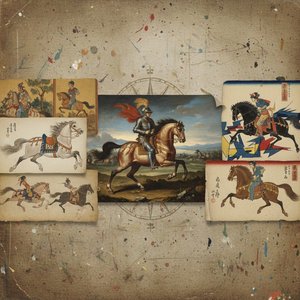
The Noble Steed on Canvas: A Historical & Artistic Exploration of Horse Painting Across Cultures
Explore the rich history of horse painting! Discover masterpieces from Stubbs to Munnings & learn about symbolism, techniques & artists. Find museum-quality reproductions at OriginalUniqueArt.