Vezi în context
 Trimite
 Distribuie
 Detalii
 Ghidul

 Descarcă
 Produse similare
 Radiografie
 Diaporama
 Statistici
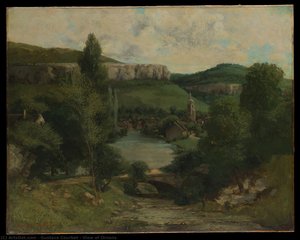
Vederea Ornansului
 Ulei pe pânză
- Artă de perete
- Realism
 1850
1850- Evul Mediu timpuriu
 73.0 x 92.0 cm
 Muzeul Metropolitan de Artă
 Citește mai mult
Giclée / Imprimare artistică
Printuri giclée sau pe canvas de calitate muzeală, cu proces de producție rapid și opțiuni flexibile de finisare. ( Comandă pictură realizată manual Treci la imagine digitală)




P118B lei10

P118H lei10

P118W lei10

P438Z lei10

P508JH lei12

P508YH lei12

P805H lei10

P805Z lei10

P919BZ lei10

P919G lei10

P919XJ lei10

P959ZH lei10

P968JZ lei12

W106C lei8

W218G lei10

W218JH lei8

W218Y lei10

W307PJ lei10

W316G lei10

W316PJ lei8

W316Y lei10

W398PJ lei8

W4111J lei10

W500HY lei15

W500JH lei15

W692G lei12

W849H lei8

W940BG lei15

W953PJ lei8




Alegeți dintre dimensiunile noastre prestabilite, care respectă proporțiile originale ale operei de artă.

Introduceți lățimea și înălțimea de care aveți nevoie, pentru a se potrivi ramei sau peretelui dumneavoastră. O printare poate fi doar tăiată, niciodată extinsă dincolo de dimensiunea imaginii originale, astfel încât o dimensiune cu o formă diferită va pierde o parte din imagine. Vă trimitem o simulare digitală pentru aprobare înainte de a imprima orice. Imaginea afișată pe această pagină nu prezintă tăierea reală — doar simularea arată acest lucru.
Livrare în întreaga lume () în 2 săptămâni, în loc de cele 4/5 săptămâni standard. (24 Octombrie)

Livrare expres gratuită la nivel mondial

Pânză de in premium

Asigurare completă pentru transport

Garanție de rambursare a taxelor vamale

Garanția fidelității culorilor

Politica de retur în 100 de zile (doar pentru defecte)

Garanție de rambursare 100%

Reducere pentru comenzi multiple
 Opțiunea cu sticlă este disponibilă doar pentru dimensiuni de sub 110 cm

Vederea Ornansului
Giclée / Imprimare artistică
Dimensiune reproducere
-


Preț total
lei 371
O fereastră către Franța rurală: „Vederea Ornansului” de Gustave Courbet
„Vederea Ornansului” de Gustave Courbet, pictată în 1850, nu este doar un peisaj; este o declarație. O afirmație îndrăzneață a realismului și un portret intim al patriei artistului, această operă oferă o privire profundă asupra inimii regiunii Franche-Comté din Franța. Mai mult decât o simplă scenă pitorească, ea întruchipează abordarea revoluționară a lui Courbet față de artă – angajamentul său de a înscrie în pictură lumea așa cum o vedea el, fără a fi mascată de idealuri romantice sau convenții academice. Tabloul surprinde un moment specific în timp, o după-amiază liniștită pe malul râului Loue, însă impactul său rezonează cu un sentiment durabil de autenticitate și profunzime emoțională.
Viziunea realistă: Tehnică și compoziție
Măiestria lui Courbet rezidă în observația sa meticuloasă și în devotamentul neclintit de a portretiza realitatea. Scena se desfășoară cu un nivel remarcabil de detalii; textura aspră a feței stâncii, podelele uzate ale podului, pietrele individuale care căptușesc malul râului – toate sunt randate cu o precizie minuțioasă. Artistul folosește o paletă cromatică temperată, dominată de nuanțe pământii de maro, verde și albastru, creând un sentiment de adâncime atmosferică și ancorând privitorul în peisaj. Compoziția în sine este deliberat neeroică; nu există o perspectivă dramatică sau o frumusețe idealizată de găsit. În schimb, ni se prezintă o scenă obișnuită – un sat adăpostit lângă un râu, conectat printr-un pod simplu. Această alegere deliberată subliniază respingerea lui Courbet față de tropii artistici tradiționali și concentrarea sa pe experiențele cotidiene ale vieții rurale.
Simbolismul detaliilor: Ornans și semnificația sa
Semnificația „Vederii Ornansului” depășește simpla reprezentare a unui peisaj local. Pentru Courbet, lucrarea era profund personală – o celebrare a locului nașterii sale și o afirmație sfidătoare a identității sale de „străin” în universul artistic parizian. Ornans, un oraș mic și relativ neînsemnat, a devenit punctul central al explorărilor sale artistice. Turnul bisericii care se înalță deasupra caselor este un element cheie, instantaneu recunoșcut și care oferă ancoraj întregii scene. Podul în sine, identificat tradițional ca fiind cel din Scey-en-Varais, reprezintă o conexiune – nu doar între două sate, ci și între Courbet și rădăcinile sale. Această includere intenționată vorbește despre dorința de a recupera identitatea regională și de a sfida dominanța gusturilor artistice pariziene.
Un moment istoric: Realismul și impactul său
„Vederea Ornansului” se impune ca o operă de cotitură în cadrul mișcării Realiste, apărută la mijlocul secolului al XIX-lea. Abordarea lui Courbet a provocat direct idealurile romantice predominante, care puneau accent pe emoție, imaginație și măreție istorică. În schimb, el a căutat să depindă viața contemporană cu onestitate și obiectivitate. Acest tablou exemplifică principiile fundamentale ale mișcării: concentrarea pe subiecte obișnuite, accentul pe reprezentarea precisă și respingerea frumuseții idealizate. Creația sa a coincis cu o perioadă de tulburări sociale și politice în Franța, oglindind spiritul rebel al lui Courbet. Plasarea finală a operei în cadrul Metropolitan Museum of Art îi consolidează importanța ca realizare de reper în istoria artei – o mărturie a puterii observației și a moștenirii durabile a lui Gustave Courbet.
O reproducere pictată manual a „Vederii Ornansului” oferă o oportunitate unică de a aduce această operă puternică în casa sau biroul dumneavoastră. Texturile bogate, variațiile subtile de culoare și detaliile evovatoare sunt reproduse fidel, capturând esența viziunii lui Courbet cu o claritate uimitoare. Luați în considerare modul în care această piesă poate transforma un spațiu, evocând un sentiment de liniște și conexiune cu lumea naturală – o amintire a frumuseții găsite în viața de zi cu zi.
Întrebări și răspunsuri
Ce tehnică a fost utilizată pentru "Vederea Ornansului" de Gustave Courbet?
Gustave Courbet a utilizat tehnica Ulei pe pânză pentru "Vederea Ornansului". Tehnica definește natura materială a lucrării originale.
Unde pot cumpăra o reproducere pictată manual a operei "Vederea Ornansului" de Gustave Courbet?
Puteți comanda o reproducere pictată manual a operei "Vederea Ornansului" de Gustave Courbet direct pe pagina sa de Reproducere pictată manual: o reproducere pictată manual în ulei pe pânză de in, realizată la comandă.
Pot vedea o previzualizare a "Vederea Ornansului" de Gustave Courbet înainte de a comanda?
O previzualizare a operei "Vederea Ornansului" de Gustave Courbet este disponibilă pe pagina de Previzualizare a lucrării.
Biografie artist
A Rebel’s Brush: The Life and Legacy of Gustave Courbet
Jean Désiré Gustave Courbet, born July 31, 1819, in Ornans, France, stands as a monumental figure in the history of art – a defiant iconoclast who irrevocably altered the trajectory of painting during the mid-nineteenth century. More than simply capturing visual impressions; his oeuvre embodies a profound philosophical commitment to portraying reality without embellishment, establishing him as the undisputed progenitor of Realism and profoundly influencing subsequent artistic movements like Impressionism and Post-Impressionism. His story unfolds not merely through brushstrokes but through a courageous confrontation with societal expectations and an unwavering dedication to artistic integrity.Early Life and Artistic Training
Courbet’s upbringing in Ornans, a modest village nestled in Burgundy, instilled within him a grounding in rural life – a formative experience that would permeate his artistic vision. His parents, bourgeois landowners, recognized and nurtured his burgeoning talent for drawing from an early age, providing him with invaluable encouragement that propelled him toward formal artistic training at the École des Beaux-Arts in Paris in 1839. However, unlike many of his contemporaries who sought to emulate the grandeur and idealism championed by Romantic painters like Eugène Delacroix and Théodore Géricault, Courbet swiftly rejected these conventions. He perceived them as artificial constructs that distanced art from genuine observation and experience—a stance that would define his artistic crusade. While acknowledging influences from masters such as Caravaggio for their masterful use of chiaroscuro and dramatic realism, Courbet deliberately forged his own path, prioritizing directness and materiality over stylistic imitation.The Birth of Realism: Challenging Artistic Conventions
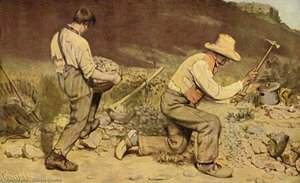
Courbet’s artistic breakthrough arrived with a deliberate repudiation of the prevailing aesthetic standards of his time. He eschewed mythological narratives and heroic allegories; instead, he turned his gaze toward the everyday lives of ordinary people—particularly those engaged in labor and rural existence. This unwavering devotion to depicting reality as he perceived it – what would soon become known as Realism – initially encountered vehement opposition from critics accustomed to idealized representations steeped in romantic sentimentality. Early canvases explored landscapes and portraits, yet swiftly transitioned towards scenes of working-class life rendered on a scale traditionally reserved for monumental historical paintings. This conscious decision wasn’t merely stylistic; it was an assertion of the inherent dignity and significance of subjects often marginalized by artistic discourse. Consider The Stone Breakers (1849), tragically destroyed during World War II—a painting that encapsulates Courbet's revolutionary approach: two laborers, rendered with unflinching detail and muted colors, embody the harsh realities of rural toil without resorting to sentimental embellishment. This work served as a powerful rebuke to academic art’s preoccupation with noble subjects and idealized beauty.Major Works and Artistic Philosophy
Courbet’s artistic philosophy extended beyond subject matter to encompass technique—a cornerstone of his distinctive style. He championed *impasto*, applying paint thickly onto the canvas, prioritizing texture and materiality over smooth surfaces. This method allowed him to capture the physicality of the world around him with unprecedented accuracy, mirroring the tactile experience of observing nature or engaging in manual labor. His monumental canvases like A Burial at Ornans (1850-51) – a depiction of a provincial funeral—further solidified his reputation as a provocateur and champion of artistic freedom. The sheer scale of the painting, coupled with its uncompromising realism and rejection of emotional sentimentality, shocked audiences accustomed to grand historical narratives imbued with moral didacticism. Courbet’s refusal to conform to academic expectations resonated deeply with artists who sought to express their own perspectives on contemporary society—a legacy that continues to inspire artistic experimentation today. He also produced evocative landscapes like View in the Forest of Fontainebleau (1855), capturing the beauty of the natural world without romanticizing it, demonstrating his commitment to truthful representation.Legacy and Historical Significance
Gustave Courbet’s influence on subsequent art movements is undeniable—a testament to his transformative vision of artistic practice. While he drew inspiration from earlier masters like Caravaggio for their dramatic realism and masterful use of light and shadow, his impact transcended mere stylistic imitation. He liberated Impressionists and Post-Impressionists from the constraints of traditional representation, encouraging them to explore new ways of perceiving and portraying the world—a legacy that persists in contemporary art. His unwavering advocacy for artistic freedom cemented his place as a pivotal figure in the history of modernism—a rebel who dared to challenge convention and champion truthfulness above all else. Courbet died April 29, 1877, leaving behind an oeuvre that continues to provoke contemplation and inspire artists worldwide. He remains a symbol of artistic integrity and a beacon for those striving to express their own vision of reality.
Gustave Courbet
1819 - 1877 , Franța
Informații rapide
- Artistic Movement Or Style: Realism
- Artists Or Movements Influenced By This Artist:
- Impressionism
- Post-Impressionism
- Artists Who Influenced This Artist:
- Eugène Delacroix
- Théodore Géricault
- Caravaggio
- Date Of Birth: 31 iulie 1819
- Date Of Death: 29 aprilie 1877
- Full Name: Gustave Courbet
- Nationality: Franțuzesc
- Notable Artworks:
- Un demolitor
- Un funerariu la Ornans
- Atelierul pictorului
- Place Of Birth: Orléans, Franța
Articole conexe

Romantic Realism's Finest: 10 Masterpieces for Your Home | OriginalUniqueArt
Explore 10 defining masterpieces of Romantic Realism! Discover Courbet, Millet & Daumier's powerful paintings—capturing emotion and social realities. Find museum-quality reproductions for your home at OriginalUniqueArt.com.
Realism in Art: Origins, Techniques & Enduring Influence – A Comprehensive Exploration
Explore the captivating world of Realism in art! Discover key artists like Courbet, groundbreaking techniques & its lasting impact on society and modern painting. Expert insights at OriginalUniqueArt.
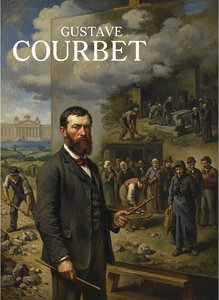
Gustave Courbet: Realism's Revolutionary Vision & the Social Canvas of 19th-Century France
Explore the revolutionary art of Gustave Courbet, pioneer of Realism. Discover his iconic paintings, social commentary, and lasting impact on 19th-century French art history. Expert analysis & insights.
The Poetic Truth of Observation: Exploring 19th-Century Realism in Painting
Explore the captivating world of 19th-century Realism! Discover key artists like Courbet & Millet, masterpieces, and the powerful social commentary behind this influential art movement. Expert insights at OriginalUniqueArt.
Realismul în Artă: 10 Capodopere Esențiale pentru Decorul Tău
Descoperă 10 capodopere ale realismului! Explorează poveștile din spatele picturilor Courbet, Manet și Millet. Reproduceri de artă de calitate muzeală pentru un decor interior inspirat. Vezi colecția completă pe OriginalUniqueArt.com