Previzualizare
 Trimite
 Distribuie
 Detalii despre lucrare

 Descarcă
 Produse similare
 Radiografie
 Diapozitive automate
The Hammock


 Vezi mai mult
Giclée / Imprimare artistică
Printuri giclée sau pe canvas de calitate muzeală, cu proces de producție rapid și opțiuni flexibile de finisare. ( Comandă pictură lucrată manual Cumpără imaginea)




P118B $10

P118H $10

P118W $10

P438Z $10

P508JH $12

P508YH $12

P805H $10

P805Z $10

P919BZ $10

P919G $10

P919XJ $10

P959ZH $10

P968JZ $12

W106C $8

W218G $10

W218JH $8

W218Y $10

W307PJ $10

W316G $10

W316PJ $8

W316Y $10

W398PJ $8

W4111J $10

W500HY $15

W500JH $15

W692G $12

W849H $8

W940BG $15

W953PJ $8




Alegeți dintre dimensiunile noastre prestabilite, care respectă proporțiile originale ale operei de artă.

Puteți introduce propriile dimensiuni pentru a se potrivi unui anumit cadru sau spațiu. Dacă dimensiunea selectată nu corespunde proporțiilor imaginii originale, vom decupa lucrarea de artă sau vom extinde imaginea cu margini oglindite sau cu o culoare uniformă. Un mockup digital va fi trimis pentru aprobarea dumneavoastră înainte de începerea producției.
Vă rugăm să rețineți că previzualizarea de pe ecran nu reflectă decuparea sau extinderea reală. Doar mockup-ul va arăta cu exactitate compoziția finală.
Deși dimensiunile personalizate sunt disponibile, vă recomandăm să selectați o dimensiune din lista predefinită pentru a păstra proporțiile originale.
Livrare în întreaga lume () în 2 săptămâni, în loc de cele 4/5 săptămâni standard. (21 August)

Livrare expres gratuită la nivel mondial

Pânză de in de înaltă calitate

Asigurare completă pentru transport

Garanție de rambursare a taxelor vamale

Garanția fidelității culorilor

Politica de retur în 60 de zile (doar pentru defecte)

Garanție de rambursare 100%

Ofertă pentru comenzi multiple
 Opțiunea cu sticlă este disponibilă doar pentru dimensiuni de sub 110 cm

The Hammock
Giclée / Imprimare artistică
Dimensiune reproducere
-


Preț total calculat
$ 80
Descriere obiect de colecție
A Dream of Verdant Serenity
In the heart of the mid-19th century, a revolution was quietly brewing within the lush, shadowed groves of the French landscape. Gustave Courbet’s The Hammock, also known as Le Rêve, serves as a breathtaking window into this era of transition. At first glance, the viewer is greeted by a scene of profound tranquility: a reclining nude woman suspended languidly within a woven hammock, nestled amidst a dense, emerald tapestry of foliage. The composition is masterfully anchored by a pyramidal structure, a classical technique that directs the eye upward toward the figure at the apex before allowing it to wander through the intricate layers of leaves and branches. This sense of enclosure creates a private sanctuary, inviting anyone who gazes upon it to step away from the clamor of the modern world and into a secluded haven of peace.
The painting stands as a pivotal moment in art history, capturing the delicate tension between the fading echoes of Romanticism and the rising tide of Realism. While the subject matter—an idealized female form amidst nature—retains a certain poetic grace reminiscent of the Baroque, Courbet’s approach was fundamentally radical. He eschewed the polished, mythological pretenses favored by the Academy in favor of an honest, tactile reality. Through his use of impasto, Courbet applied oil paint with a thick, vigorous texture that brings the scene to life; one can almost feel the weight of the damp leaves and the soft, sun-dappled warmth of the woman's skin. This heavy application of pigment, combined with dramatic chiaroscuro, creates a profound sense of volume and physical presence that makes the dreamlike setting feel undeniably real.
Symbolism and the Art of Escape
Beyond its technical brilliance, The Hammock is rich with layers of symbolic meaning that resonate deeply with the human desire for respite. The hammock itself acts as a powerful metaphor for suspension—not just physically between two trees, but emotionally between the demands of daily existence and the restorative power of nature. It represents a state of Liminality, a dreamlike pause where time seems to cease its forward march. Some scholars even find echoes of literary connections in the work, suggesting a link to the evocative poetry of Victor Hugo, which further enhances the painting's themes of vulnerability, awakening, and the sensual beauty of the natural world.
For the discerning collector or interior designer, this masterpiece offers more than mere decoration; it provides an emotional atmosphere. The interplay of light and shadow, where brilliant highlights dance against deep, mysterious recesses, lends a sophisticated drama to any space. Whether placed in a sunlit gallery or a quiet study, the artwork radiates a timeless elegance and a sense of luxury that is both grounded and ethereal. It is a piece that does not merely occupy a wall but transforms an environment, offering a permanent invitation to reflection, beauty, and the enduring pursuit of tranquility.
Biografie artist
A Rebel’s Brush: The Life and Legacy of Gustave Courbet
Jean Désiré Gustave Courbet, born July 31, 1819, in Ornans, France, stands as a monumental figure in the history of art – a defiant iconoclast who irrevocably altered the trajectory of painting during the mid-nineteenth century. More than simply capturing visual impressions; his oeuvre embodies a profound philosophical commitment to portraying reality without embellishment, establishing him as the undisputed progenitor of Realism and profoundly influencing subsequent artistic movements like Impressionism and Post-Impressionism. His story unfolds not merely through brushstrokes but through a courageous confrontation with societal expectations and an unwavering dedication to artistic integrity.Early Life and Artistic Training
Courbet’s upbringing in Ornans, a modest village nestled in Burgundy, instilled within him a grounding in rural life – a formative experience that would permeate his artistic vision. His parents, bourgeois landowners, recognized and nurtured his burgeoning talent for drawing from an early age, providing him with invaluable encouragement that propelled him toward formal artistic training at the École des Beaux-Arts in Paris in 1839. However, unlike many of his contemporaries who sought to emulate the grandeur and idealism championed by Romantic painters like Eugène Delacroix and Théodore Géricault, Courbet swiftly rejected these conventions. He perceived them as artificial constructs that distanced art from genuine observation and experience—a stance that would define his artistic crusade. While acknowledging influences from masters such as Caravaggio for their masterful use of chiaroscuro and dramatic realism, Courbet deliberately forged his own path, prioritizing directness and materiality over stylistic imitation.The Birth of Realism: Challenging Artistic Conventions
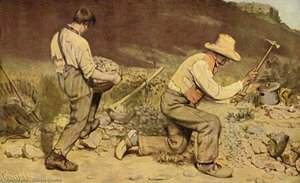
Courbet’s artistic breakthrough arrived with a deliberate repudiation of the prevailing aesthetic standards of his time. He eschewed mythological narratives and heroic allegories; instead, he turned his gaze toward the everyday lives of ordinary people—particularly those engaged in labor and rural existence. This unwavering devotion to depicting reality as he perceived it – what would soon become known as Realism – initially encountered vehement opposition from critics accustomed to idealized representations steeped in romantic sentimentality. Early canvases explored landscapes and portraits, yet swiftly transitioned towards scenes of working-class life rendered on a scale traditionally reserved for monumental historical paintings. This conscious decision wasn’t merely stylistic; it was an assertion of the inherent dignity and significance of subjects often marginalized by artistic discourse. Consider The Stone Breakers (1849), tragically destroyed during World War II—a painting that encapsulates Courbet's revolutionary approach: two laborers, rendered with unflinching detail and muted colors, embody the harsh realities of rural toil without resorting to sentimental embellishment. This work served as a powerful rebuke to academic art’s preoccupation with noble subjects and idealized beauty.Major Works and Artistic Philosophy
Courbet’s artistic philosophy extended beyond subject matter to encompass technique—a cornerstone of his distinctive style. He championed *impasto*, applying paint thickly onto the canvas, prioritizing texture and materiality over smooth surfaces. This method allowed him to capture the physicality of the world around him with unprecedented accuracy, mirroring the tactile experience of observing nature or engaging in manual labor. His monumental canvases like A Burial at Ornans (1850-51) – a depiction of a provincial funeral—further solidified his reputation as a provocateur and champion of artistic freedom. The sheer scale of the painting, coupled with its uncompromising realism and rejection of emotional sentimentality, shocked audiences accustomed to grand historical narratives imbued with moral didacticism. Courbet’s refusal to conform to academic expectations resonated deeply with artists who sought to express their own perspectives on contemporary society—a legacy that continues to inspire artistic experimentation today. He also produced evocative landscapes like View in the Forest of Fontainebleau (1855), capturing the beauty of the natural world without romanticizing it, demonstrating his commitment to truthful representation.Legacy and Historical Significance
Gustave Courbet’s influence on subsequent art movements is undeniable—a testament to his transformative vision of artistic practice. While he drew inspiration from earlier masters like Caravaggio for their dramatic realism and masterful use of light and shadow, his impact transcended mere stylistic imitation. He liberated Impressionists and Post-Impressionists from the constraints of traditional representation, encouraging them to explore new ways of perceiving and portraying the world—a legacy that persists in contemporary art. His unwavering advocacy for artistic freedom cemented his place as a pivotal figure in the history of modernism—a rebel who dared to challenge convention and champion truthfulness above all else. Courbet died April 29, 1877, leaving behind an oeuvre that continues to provoke contemplation and inspire artists worldwide. He remains a symbol of artistic integrity and a beacon for those striving to express their own vision of reality.
Gustave Courbet
1819 - 1877 , Franța
Detalii rapide
- Artistic Movement Or Style: Realism
- Artists Or Movements Influenced By This Artist:
- Impressionism
- Post-Impressionism
- Artists Who Influenced This Artist:
- Eugène Delacroix
- Théodore Géricault
- Caravaggio
- Date Of Birth: 31 iulie 1819
- Date Of Death: 29 aprilie 1877
- Full Name: Gustave Courbet
- Nationality: Franțuzesc
- Notable Artworks:
- Un demolitor
- Un funerariu la Ornans
- Atelierul pictorului
- Place Of Birth: Orléans, Franța
Articole similare

Gustav Klimt: Cele Mai Frumoase 25 de Capodopere – Artă Decorativă pentru Casa Ta
Descoperă cele mai frumoase 25 de picturi Gustav Klimt! Explorează simbolismul, arta secesionului vienez și culorile vibrante din capodopere precum 'The Kiss'. Reproduceri artă de lux pentru decor interior pe OriginalUniqueArt.com.
Realismul în Artă: 10 Capodopere Esențiale pentru Decorul Tău
Descoperă 10 capodopere ale realismului! Explorează poveștile din spatele picturilor Courbet, Manet și Millet. Reproduceri de artă de calitate muzeală pentru un decor interior inspirat. Vezi colecția completă pe OriginalUniqueArt.com
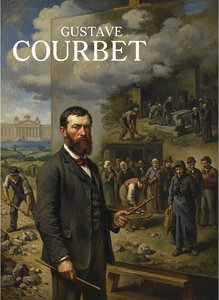
Gustave Courbet: Realism's Revolutionary Vision & the Social Canvas of 19th-Century France
Explore the revolutionary art of Gustave Courbet, pioneer of Realism. Discover his iconic paintings, social commentary, and lasting impact on 19th-century French art history. Expert analysis & insights.

The Enduring Legacy of Oil on Canvas: Technique, History & Aesthetic Impact
Explore the rich history & techniques of oil painting – from Renaissance masters to Impressionism. Discover pigments, layering methods, and why this timeless medium endures. Expert insights for artists & art enthusiasts.

Oil on Canvas: A Historical & Technical Exploration of a Timeless Artistic Medium
Explore the rich history & enduring techniques of oil painting on canvas. Discover the science behind its longevity, conservation practices, and contemporary relevance. Expert insights for art enthusiasts.