Dimensiune text

() ·

O pictură creată pentru tine, lucrată manual

Calm Sea

Reproducere pictată manual în ulei

Pictură în ulei pe pânză, pictată manual de artiștii noștri la dimensiunea și ramele dorite de dumneavoastră, pe comandă. ( Comută pe versiunea Print Comută pe Imagine Digitală)

Descriere obiect de colecție

Experience Gustave Courbet's "Calm Sea," a stunning 1869 Realist seascape capturing Normandy’s beauty. Explore its dynamic brushwork & tranquil atmosphere – a timeless masterpiece by a revolutionary artist.

Biografie artist

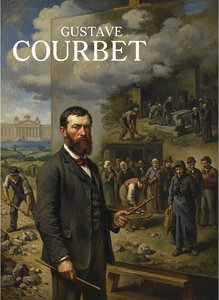
Gustave Courbet (1819-1877): Revoluționarul realismului francez! Explorează operele sale emblematice precum „Un demolitor” și descoperă impactul său asupra artei moderne.

de la ·

Capitolul 1

Ce dimensiune ar trebui să aibă?

Glisați pentru a schimba dimensiunea; imaginea din stânga prezintă cadrul la lățimea sa reală. Proporțiile originale sunt păstrate.

Standard
personalizat
CM
INCH

Alegeți dintre dimensiunile noastre prestabilite, care respectă proporțiile originale ale operei de artă.

lățime
înălțime

Introduceți lățimea și înălțimea necesare pentru a se potrivi ramei sau peretelui dumneavoastră. Această lucrare este pictată manual, așa că, pentru o dimensiune cu o formă diferită, artistul poate picta puțin mai mult în jurul imaginii sau poate tăia puțin din margini — dumneavoastră decideți. Vă vom trimite o simulare digitală pentru aprobare înainte de a începe pictarea. Imaginea afișată pe această pagină nu reprezintă rezultatul real — doar simularea este reprezentativă.

Capitolul 2

Cum ar trebui să ajungă?

Alege marginile tabloului pe pânză întinsă

Alege cadrul tău

Corner sample of the WhiteWrap canvas edge finish, stretched on lemn masiv bars
Alb lei1
Corner sample of the BlurSideWrap canvas edge finish, stretched on lemn masiv bars
Margini difuze lei1
Corner sample of the ExtendedWrap canvas edge finish, stretched on lemn masiv bars
Extins lei1
Corner sample of the P118B picture frame: polistiren turnat, 5 cm wide and 3 cm thick
P118B lei10
Corner sample of the P118H picture frame: polistiren turnat, 5 cm wide and 3 cm thick
P118H lei10
Corner sample of the P118W picture frame: polistiren turnat, 5 cm wide and 3 cm thick
P118W lei10
Corner sample of the P438Z picture frame: polistiren turnat, 5.5 cm wide and 3.5 cm thick
P438Z lei10
Corner sample of the P508JH picture frame: polistiren turnat, 7 cm wide and 3.5 cm thick
P508JH lei12
Corner sample of the P508YH picture frame: polistiren turnat, 7 cm wide and 3.5 cm thick
P508YH lei12
Corner sample of the P805H picture frame: polistiren turnat, 5 cm wide and 3.5 cm thick
P805H lei10
Corner sample of the P805Z picture frame: polistiren turnat, 5 cm wide and 3.5 cm thick
P805Z lei10
Corner sample of the P919BZ picture frame: polistiren turnat, 7 cm wide and 3.5 cm thick
P919BZ lei10
Corner sample of the P919G picture frame: polistiren turnat, 7 cm wide and 3.5 cm thick
P919G lei10
Corner sample of the P919XJ picture frame: polistiren turnat, 7 cm wide and 3.5 cm thick
P919XJ lei10
Corner sample of the P959ZH picture frame: polistiren turnat, 5 cm wide and 3 cm thick
P959ZH lei10
Corner sample of the P968JZ picture frame: polistiren turnat, 6 cm wide and 4 cm thick
P968JZ lei12
Corner sample of the W106C picture frame: lemn masiv, 5 cm wide and 3 cm thick
W106C lei8
Corner sample of the W218G picture frame: lemn masiv, 5 cm wide and 3 cm thick
W218G lei10
Corner sample of the W218JH picture frame: lemn masiv, 5 cm wide and 3 cm thick
W218JH lei8
Corner sample of the W218Y picture frame: lemn masiv, 5 cm wide and 3 cm thick
W218Y lei10
Corner sample of the W307PJ picture frame: lemn masiv, 6 cm wide and 3 cm thick
W307PJ lei10
Corner sample of the W316G picture frame: lemn masiv, 6 cm wide and 3 cm thick
W316G lei10
Corner sample of the W316PJ picture frame: lemn masiv, 6 cm wide and 3 cm thick
W316PJ lei8
Corner sample of the W316Y picture frame: lemn masiv, 6 cm wide and 3 cm thick
W316Y lei10
Corner sample of the W398PJ picture frame: lemn masiv, 5 cm wide and 3 cm thick
W398PJ lei8
Corner sample of the W4111J picture frame: lemn masiv, 6.5 cm wide and 3.5 cm thick
W4111J lei10
Corner sample of the W500HY picture frame: lemn masiv, 7 cm wide and 5 cm thick
W500HY lei15
Corner sample of the W500JH picture frame: lemn masiv, 7 cm wide and 5 cm thick
W500JH lei15
Corner sample of the W692G picture frame: lemn masiv, 8 cm wide and 4 cm thick
W692G lei12
Corner sample of the W849H picture frame: lemn masiv, 5 cm wide and 3 cm thick
W849H lei8
Corner sample of the W940BG picture frame: lemn masiv, 7.5 cm wide and 4.5 cm thick
W940BG lei15
Corner sample of the W953PJ picture frame: lemn masiv, 6 cm wide and 3.5 cm thick
W953PJ lei8
Corner sample of the H24-GOLD picture frame: lemn sculptat cu gesso, 10 cm wide and 6 cm thick
H24-GOLD lei30
Corner sample of the H24-SILVER picture frame: lemn sculptat cu gesso, 10 cm wide and 6 cm thick
H24-SILVER lei30
Corner sample of the H36-GOLD picture frame: lemn sculptat cu gesso, 15 cm wide and 6.5 cm thick
H36-GOLD lei45
Corner sample of the H36-SILVER picture frame: lemn sculptat cu gesso, 15 cm wide and 6.5 cm thick
H36-SILVER lei45

Ramă: . Dimensiuni cu ramă: .

Capitolul 3

Cine îl pictează și ar trebui să se schimbe ceva?

Exemple de elemente care pot fi modificate: Înlocuirea feței cu fotografia clientului; Adăugarea unui animal de companie (de ex., înlocuirea unei pisici cu un câine); Includerea unui mesaj ascuns în fundal; Modificarea peisajului sau a elementelor din fundal.
După plasarea comenzii, echipa OriginalUniqueArt.com va contacta clientul prin e-mail pentru instrucțiuni și va furniza o previzualizare (mockup)

Livrare în întreaga lume () în 3-4 săptămâni, în loc de cele 5 săptămâni standard. (5 Noiembrie). Fără compromisuri în ceea ce privește calitatea.

Capitolul 4

Ultimele retușuri

O plăcuță de identificare, ca la muzeu?

Detalii plăcuță din bronz gravat

This elegant plaque features the artist's name and the title of the artwork, finely engraved for a timeless presentation.

It is made from bronze with a refined, elegant finish. The text is precisely laser-engraved for a sharp and permanent result. Measuring 9x2 cm, the plaque is compact yet easy to read. It's built to be durable and scratch-resistant, offering a professional, museum-quality look. Mounting is simple thanks to the included adhesive backing.

Detalii plăcuță din acril transparent

The plaque includes essential engraved details such as the artist's name, the title of the artwork, the date it was created, the type of media used-like oil on canvas or watercolor-a brief description of the piece, and a QR code that links to the complete artwork information.

It is crafted from clear acrylic, offering a sleek, modern appearance. The text is UV-engraved in black to ensure strong visual contrast. With a size of 10x15 cm, it ensures optimal readability. It comes equipped with two metal hooks for secure wall mounting. The plaque is designed to be weather-resistant, making it suitable for various environments, and it includes interactive features that work seamlessly with smartphone scanning.

Detalii placă din acril negru

This elegant plaque includes engraved information such as the artist's name, the title of the artwork, the date it was created, the type of media used (like oil on canvas or watercolor), a short description of the artwork, and a QR code for quick access to more information.

The plaque itself is made from refined black acrylic with a premium finish. The text is laser-engraved in white for high contrast and readability. Its size is 10x15 cm, designed to be easy to read. It comes with two metal hooks for professional mounting. The design is sleek and fits any interior style. It is also weather-resistant and durable, with built-in digital integration for mobile compatibility.

Un lac protector?

Când aveți nevoie de el?

Capitolul 5

Tabloul tău, exact așa cum l-ai comandat

Calm Sea

Tehnică de reproducere

Dimensiune reproducere

-

Selecție de artiști de elită

Mai multe detalii, rafinament și timp suplimentar de execuție

-

Ramă pentru reproducere artistică

-

-

Pentru opere de artă sau reproduceri care depășesc 105 cm (aproximativ 41 de inch) pe oricare dintre laturi, cadrul va fi livrat demontat, sub formă de kit. Această metodă asigură o livrare sigură și previne deteriorarea în timpul transportului.

Este necesară asamblarea profesională – acest produs nu este de tip DIY (de făcut singur).
Kitul trebuie asamblat, iar pânza întinsă, de către un legător de cadre experimentat, utilizând adeziv pentru lemn (neinclus în colet), o cheie pentru întinderea pânzei și cleme pentru a menține barele la unghi drept în timp ce adezivul se usucă. Asamblarea incorectă sau tensiunea neuniformă a pânzei pot deteriora permanent opera de artă și nu sunt acoperite de garanția noastră.

  • Toate barele din lemn masiv sunt incluse, tăiate cu precizie la dimensiunea necesară.

  • Asamblat cu șuruburile incluse, plus adeziv pentru lemn pentru îmbinările de colț, care nu este furnizat și trebuie achiziționat de către tâmplarul dumneavoastră.

  • Sunt necesare unelte profesionale care nu sunt incluse: o șipte de întindere a pânzei (tensionator) și cleme pentru a menține barele la unghi drept în timp ce adezivul se usucă.

Important:
Îmbinările de colț necesită adeziv pentru lemn, barele trebuie fixate cu clești de strângere până când adezivul este complet uscat, iar întinderea pânzei pe cadrul asamblat necesită un clește pentru întins pânza. Niciunul dintre aceste elemente nu este inclus în kit. Vă rugăm să consultați un încadrator profesionist cu experiență înainte de a comanda această dimensiune.

Etichetă de prezentare

-

-

Lac de protecție

Lac lucios (intensifică nuanțele și oferă protecție împotriva luminii și a umidității)

-

Personalizează opera mea de artă

Exemple de elemente ce pot fi personalizate: Înlocuirea feței cu fotografia clientului; Adăugarea unui animal de companie (de exemplu, înlocuirea unei pisici cu un câine); Includerea unui mesaj ascuns în fundal; Modificarea peisajului sau a elementelor din fundal.

-

Livrare rapidă

Livrare la nivel mondial () în 3-4 săptămâni, în loc de cele 5 săptămâni standard. (5 Noiembrie). Fără compromisuri când vine vorba de calitate.

-

Livrare rapidă

Livrare la nivel mondial () în 5 săptămâni. (12 Noiembrie).

Inclus

Preț total calculat

lei 1435

Preț total lei 1435

Opțiunea cu sticlă este disponibilă doar pentru dimensiuni de sub 110 cm

Inclus în fiecare comandă

  • Livrare expres gratuită la nivel mondial
  • Pânză de in de înaltă calitate
  • Asigurare completă pentru transport
  • Garanție de rambursare a taxelor vamale
  • Garanția fidelității culorilor
  • Politica de retur în 100 de zile (doar pentru defecte de fabricație)
  • Garanție de rambursare 100%
  • Ofertă pentru comenzi multiple

A Moment Frozen in Time: Gustave Courbet’s “Calm Sea”

Gustave Courbet's "Calm Sea," painted in 1866, isn’t merely a depiction of a seascape; it’s an immersion into the very essence of observation and a profound meditation on the relationship between humanity and nature. This work, now housed within the Metropolitan Museum of Art, stands as a cornerstone of Realism, rejecting the romanticized ideals prevalent in earlier art movements and instead offering a brutally honest, almost photographic, portrayal of the Normandy coast. The painting immediately draws the viewer into its tranquil expanse – a wide vista dominated by the muted blues and greys of the English Channel meeting a sandy beach under an overcast sky. It’s a scene that invites contemplation, not grand drama or heroic narratives, but rather a quiet appreciation for the subtle beauty of the natural world.

Courbet's technique is remarkably understated yet powerfully effective. He eschews dramatic brushstrokes and vibrant colors in favor of tonal variations – a masterful manipulation of light and shadow to create depth and atmosphere. The loose, almost impressionistic application of paint lends a sense of movement to the water and sky, suggesting the ceaseless rhythm of the waves and the shifting patterns of clouds. Notice how he builds up layers of color, subtly blending hues to achieve an incredible sense of texture – the rough grit of the sand, the cool dampness of the sea spray, and the soft, billowing forms of the clouds. The composition is deliberately horizontal, emphasizing the vastness of the seascape and creating a feeling of spaciousness that draws the eye into the distance.

The Roots of Realism: Courbet’s Revolutionary Vision

“Calm Sea” emerged during a pivotal moment in art history – a time when artists were increasingly rejecting academic conventions and seeking to represent the world as they truly saw it. Courbet, a staunch advocate for this new approach, famously declared that “the artist must paint what he sees, not what he thinks he should see.” This philosophy is vividly embodied in "Calm Sea," which departs dramatically from the idealized landscapes favored by previous generations. Instead of presenting a picturesque vista designed to evoke emotion, Courbet offers an unvarnished depiction of a specific location – the Normandy coast – with all its imperfections and subtle nuances.

Courbet’s commitment to Realism extended beyond mere representation; it was deeply intertwined with social commentary. By focusing on everyday subjects—a simple seascape—he challenged the established hierarchy of artistic subject matter, elevating the lives of ordinary people and their surroundings to a position of equal importance. His work served as a direct response to the prevailing academic standards that privileged historical or mythological scenes over depictions of contemporary life.

Symbolism in Simplicity: Interpreting the Sea

While seemingly straightforward, “Calm Sea” is rich with subtle symbolism. The calm sea itself can be interpreted as representing tranquility and peace – a respite from the turmoil of everyday life. However, the overcast sky introduces an element of uncertainty and contemplation, suggesting that even in moments of serenity, there’s always a hint of complexity beneath the surface. The two distant figures on the beach—often identified as fishermen or perhaps simply travelers—add a human element to the scene, reminding us of our connection to nature and the enduring mysteries of the sea.

Furthermore, the painting's muted palette – dominated by greys, blues, and browns – reinforces this sense of quiet contemplation. There are no bold colors or dramatic contrasts; instead, Courbet relies on subtle tonal variations to create a mood of understated beauty. The lack of strong directional lines further contributes to the feeling of stillness and timelessness, inviting the viewer to lose themselves in the scene’s peaceful atmosphere.

A Legacy of Honest Observation

“Calm Sea” remains a powerful testament to Gustave Courbet's revolutionary vision and his unwavering commitment to Realism. It is a painting that rewards careful observation and invites repeated viewing, revealing new details and nuances with each encounter. More than just a beautiful seascape, it’s a profound meditation on the nature of perception, the relationship between humanity and the natural world, and the enduring power of honest observation. Its influence can be seen in countless subsequent artists who followed in Courbet's footsteps, embracing his commitment to portraying the world as he saw it – unidealized, raw, and profoundly real.

Întrebări și răspunsuri

Ce utilizare și ce spațiu sunt recomandate pentru "Calm Sea" de Gustave Courbet?

„Calm Sea” este recomandat pentru Harmony, iar spațiul ideal de expunere este o Living Room.

Există o prezentare de diapozitive pentru "Calm Sea" de Gustave Courbet?

Este disponibil un diaporama: pagina Galerie foto pentru "Calm Sea" de Gustave Courbet.

Ce dimensiuni are originalul "Calm Sea"?

„Calm Sea” măsoară 70 x 80 cm în formatul său original. Dimensiunile originale reprezintă o referință utilă atunci când alegeți dimensiunea unei reproduceri.

Mai multe detalii despre această pictură

Previzualizare Previzualizare AR Comută pe versiunea Print Comută pe Imagine Digitală Trimite prin felicitare
Detalii despre lucrare Ghid Adaugă la favorite Descarcă imaginea Produse similare Radiografie Galerie foto Întrebări și răspunsuri Statistici

În cifre

  • 1866anul în care a fost pictată
  • 29rame din care puteți alege
  • dimensiuni standard, în propriile proporții
  • 5săptămâni pentru pictare și livrare
Gustave Courbet

Gustave Courbet

1819 - 1877, Franța

Informații rapide despre Gustave Courbet

  • Artistic Movement Or Style: Realism
  • Artists Or Movements Influenced By This Artist:
    • Impressionism
    • Post-Impressionism
  • Artists Who Influenced This Artist:
    • Eugène Delacroix
    • Théodore Géricault

    • Caravaggio
  • Date Of Birth: 31 iulie 1819
  • Date Of Death: 29 aprilie 1877
  • Full Name: Gustave Courbet
  • Nationality: Franțuzesc
  • Notable Artworks:
    • Un demolitor
    • Un funerariu la Ornans
    • Atelierul pictorului
  • Place Of Birth: Orléans, Franța

Biografie artist

A Rebel’s Brush: The Life and Legacy of Gustave Courbet

Jean Désiré Gustave Courbet, born July 31, 1819, in Ornans, France, stands as a monumental figure in the history of art – a defiant iconoclast who irrevocably altered the trajectory of painting during the mid-nineteenth century. More than simply capturing visual impressions; his oeuvre embodies a profound philosophical commitment to portraying reality without embellishment, establishing him as the undisputed progenitor of Realism and profoundly influencing subsequent artistic movements like Impressionism and Post-Impressionism. His story unfolds not merely through brushstrokes but through a courageous confrontation with societal expectations and an unwavering dedication to artistic integrity.

Early Life and Artistic Training

Courbet’s upbringing in Ornans, a modest village nestled in Burgundy, instilled within him a grounding in rural life – a formative experience that would permeate his artistic vision. His parents, bourgeois landowners, recognized and nurtured his burgeoning talent for drawing from an early age, providing him with invaluable encouragement that propelled him toward formal artistic training at the École des Beaux-Arts in Paris in 1839. However, unlike many of his contemporaries who sought to emulate the grandeur and idealism championed by Romantic painters like Eugène Delacroix and Théodore Géricault, Courbet swiftly rejected these conventions. He perceived them as artificial constructs that distanced art from genuine observation and experience—a stance that would define his artistic crusade. While acknowledging influences from masters such as Caravaggio for their masterful use of chiaroscuro and dramatic realism, Courbet deliberately forged his own path, prioritizing directness and materiality over stylistic imitation.

The Birth of Realism: Challenging Artistic Conventions

Courbet’s artistic breakthrough arrived with a deliberate repudiation of the prevailing aesthetic standards of his time. He eschewed mythological narratives and heroic allegories; instead, he turned his gaze toward the everyday lives of ordinary people—particularly those engaged in labor and rural existence. This unwavering devotion to depicting reality as he perceived it – what would soon become known as Realism – initially encountered vehement opposition from critics accustomed to idealized representations steeped in romantic sentimentality. Early canvases explored landscapes and portraits, yet swiftly transitioned towards scenes of working-class life rendered on a scale traditionally reserved for monumental historical paintings. This conscious decision wasn’t merely stylistic; it was an assertion of the inherent dignity and significance of subjects often marginalized by artistic discourse. Consider The Stone Breakers (1849), tragically destroyed during World War II—a painting that encapsulates Courbet's revolutionary approach: two laborers, rendered with unflinching detail and muted colors, embody the harsh realities of rural toil without resorting to sentimental embellishment. This work served as a powerful rebuke to academic art’s preoccupation with noble subjects and idealized beauty.

Major Works and Artistic Philosophy

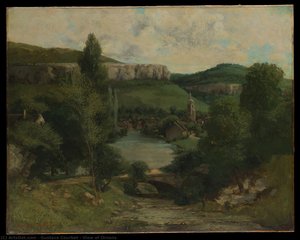
Courbet’s artistic philosophy extended beyond subject matter to encompass technique—a cornerstone of his distinctive style. He championed *impasto*, applying paint thickly onto the canvas, prioritizing texture and materiality over smooth surfaces. This method allowed him to capture the physicality of the world around him with unprecedented accuracy, mirroring the tactile experience of observing nature or engaging in manual labor. His monumental canvases like A Burial at Ornans (1850-51) – a depiction of a provincial funeral—further solidified his reputation as a provocateur and champion of artistic freedom. The sheer scale of the painting, coupled with its uncompromising realism and rejection of emotional sentimentality, shocked audiences accustomed to grand historical narratives imbued with moral didacticism. Courbet’s refusal to conform to academic expectations resonated deeply with artists who sought to express their own perspectives on contemporary society—a legacy that continues to inspire artistic experimentation today. He also produced evocative landscapes like View in the Forest of Fontainebleau (1855), capturing the beauty of the natural world without romanticizing it, demonstrating his commitment to truthful representation.

Legacy and Historical Significance

Gustave Courbet’s influence on subsequent art movements is undeniable—a testament to his transformative vision of artistic practice. While he drew inspiration from earlier masters like Caravaggio for their dramatic realism and masterful use of light and shadow, his impact transcended mere stylistic imitation. He liberated Impressionists and Post-Impressionists from the constraints of traditional representation, encouraging them to explore new ways of perceiving and portraying the world—a legacy that persists in contemporary art. His unwavering advocacy for artistic freedom cemented his place as a pivotal figure in the history of modernism—a rebel who dared to challenge convention and champion truthfulness above all else. Courbet died April 29, 1877, leaving behind an oeuvre that continues to provoke contemplation and inspire artists worldwide. He remains a symbol of artistic integrity and a beacon for those striving to express their own vision of reality.

Informații rapide

  • Year: 1866
  • Subject or theme: Seascape, Nature
  • Location: Metropolitan Museum of Art
  • Artistic style: Impressionistic
  • Title: Calm Sea
  • Dimensions: 54.1 x 63.9 cm

Test de cunoștințe despre artă

Fiecare întrebare are un singur răspuns corect.

Întrebare 1:
What artistic movement is Gustave Courbet’s ‘Calm Sea’ primarily associated with?
Întrebare 2:
The painting 'Calm Sea' depicts a view of what body of water?
Întrebare 3:
What is the dominant color palette used in ‘Calm Sea’?
Întrebare 4:
According to the description, what is a key characteristic of Courbet’s technique in ‘Calm Sea’?
Întrebare 5:
In the context of Courbet’s work, what does the ‘Calm Sea’ likely symbolize?