Symbolism · 1896
Junius (Gustav Klimt, 1896)
Gustav Klimt (1862–1918) a realizat Junius. Data sa este din 1896. Face parte din mișcarea Symbolism. Este realizată în Acrilic pe pânză întinsă. Dimensiunile sunt 41 × 31 cm.
- 1896
- Acrilic pe pânză întinsă
- 41 × 31 cm

 Previzualizare

 Tablou în ulei pictat manual
 Trimite prin felicitare
 Distribuie
 Fișă informativă


 Descarcă imaginea
 Produse similare
 Radiografie
 Galerie foto
 Întrebări și răspunsuri

 Statistici
Junius, pe scurt
- Titlu
- Junius
- Artist
- Gustav Klimt (1862–1918)
- Artist născut în
- Baumgarten, Austria
- Date
- 1896
- Medium
- Acrilic pe pânză întinsă
- Dimensiuni
- 41 × 31 cm
- Mișcare
- Symbolism
Ce reprezintă Junius?
Junius: A Symbolist Vision of Power and Reflection
Gustav Klimt’s “Junius,” created in 1896 during his formative years as a Symbolist painter, stands as a cornerstone of his artistic legacy—a mesmerizing blend of meticulous detail and profound symbolic resonance. Measuring 41 x 31 cm, this chalk drawing transcends mere representation; it invites contemplation on themes of authority, introspection, and the elusive quest for spiritual enlightenment. Klimt’s masterful use of texture and color contributes to an atmosphere of enigmatic beauty that continues to captivate audiences today.The Painting: A Glimpse into Symbolism
“Cite>Junius” embodies the core tenets of Symbolism—a movement rejecting realism in favor of conveying emotions and ideas through evocative imagery and veiled references. Klimt’s deliberate choice of composition—two figures adorned with crowns—immediately establishes a visual dialogue about power dynamics. The central figure, gazing downwards, symbolizes contemplation and inner turmoil, while the crowned man above represents dominion and perhaps even divine grace. This duality is skillfully rendered through Klimt's signature technique: delicate chalk strokes layered upon each other to achieve an ethereal luminescence that captures the essence of Symbolist aesthetics.Symbolic Elements
The crowns themselves are laden with symbolic significance. Traditionally, they signify royalty, nobility, or spiritual ascension—concepts central to Klimt’s worldview and deeply rooted in Austro-Hungarian cultural traditions. However, within “Junius,” their downward gaze suggests a humbling awareness of mortality and the limitations inherent in earthly power. The subtle interplay between light and shadow further enhances this sense of mystery, prompting viewers to ponder the deeper meanings embedded within the artwork. Klimt’s meticulous attention to detail—the intricate patterns adorning the crowns and the delicate rendering of drapery—underscores his commitment to conveying complex ideas through visual form.Artistic Influences and Style
Klimt's artistic journey was profoundly shaped by movements like Symbolism and Art Nouveau, reflecting a broader cultural fascination with decorative arts and spiritual exploration. The influence of Japanese art is palpable in Klimt’s stylistic choices—particularly the flattened perspective and stylized ornamentation—demonstrating his openness to innovative visual languages. “Junius” exemplifies Klimt's ability to synthesize these influences into a singular artistic vision, creating a piece that feels both timeless and strikingly modern. His masterful brushwork contributes to an unparalleled textural richness, elevating the artwork beyond mere depiction to become an immersive experience for the observer.Relevance in Modern Times
Despite its creation over a century ago, “Junius” retains remarkable relevance today due to its exploration of universal human concerns—the tension between ambition and humility, contemplation and action. Klimt’s work continues to inspire artists and art enthusiasts alike, prompting discussions about the role of symbolism in conveying emotion and intellect. Furthermore, the painting's aesthetic beauty serves as a reminder of the enduring power of artistic expression to transcend temporal boundaries.Preservation and Display
Works like “Junius” are treasured possessions of museums such as The Museum Georg Schäfer in Germany, which houses a significant collection of 19th-century German paintings. These institutions diligently safeguard these masterpieces for future generations, ensuring their accessibility to scholars and admirers worldwide. Their commitment to conservation underscores the importance of preserving cultural heritage—a legacy that extends far beyond its original context.Conclusion
Gustav Klimt’s “Junius” remains an unforgettable testament to his artistic genius and the enduring allure of Symbolism. Its captivating composition, symbolic elements, and masterful technique converge to produce a visual experience that transcends time—inviting viewers to contemplate profound questions about human existence and the pursuit of spiritual understanding. For those eager to immerse themselves in Klimt’s broader oeuvre or discover similar artworks imbued with symbolism—such as Julio Ruelas—OriginalUniqueArt.com offers exceptional reproductions that bring these iconic pieces into your home, allowing you to appreciate their beauty and intellectual depth. Experience the brilliance of Klimt’s art with OriginalUniqueArt.com's handcrafted oil painting reproductions—bringing timeless masterpieces into your living space!Imagini la înaltă rezoluție ale lui Junius

Domeniu public: artistul a decedat în 1918.
Alte dimensiuni, cadrări și citări →Gustav Klimt, Junius (1896). Domeniu public
Întrebări despre Junius, răspunsuri
În ce an a fost creată „Junius”?
„Junius” datează din 1896. Această dată plasează lucrarea în cadrul carierei lui Gustav Klimt și în contextul epocii sale.
Din ce materiale este realizată „Junius”?
Tehnica utilizată pentru "Junius" de Gustav Klimt este Acrilic pe pânză întinsă, iar reproducerile urmăresc să reducă aspectul acestei tehnici.
Ce dimensiuni are "Junius" de Gustav Klimt în realitate?
Dimensiunile înregistrate pentru "Junius" de Gustav Klimt sunt 41 x 31 cm. Reproducerile pot fi comandate în alte dimensiuni, păstrând aceleași proporții.
Este "Junius" în domeniul public?
Statusul drepturilor de autor pentru "Junius" de Gustav Klimt: opera este în domeniul public – drepturile de autor au expirat. Acest lucru determină dacă reproducerile imaginii pot fi realizate liber.
Cine este artistul din spatele "Junius"?
Artistul din spatele operei „Junius” este Gustav Klimt. Lucrarea este catalogată sub numele lui Gustav Klimt.
Din ce curent artistic face parte "Junius" de Gustav Klimt?
Mișcarea asociată cu "Junius" de Gustav Klimt este Symbolism. Această clasificare plasează lucrarea printre artiști și opere de artă conexe.
Din ce perioadă a carierei lui Gustav Klimt face parte „Junius”?
În cariera lui Gustav Klimt, „Junius” aparține perioadei Mature Period. Această etapă facilitează compararea sa cu celelalte opere ale artistului.
Ce vârstă avea Gustav Klimt când a creat "Junius" în 1896?
Gustav Klimt a creat "Junius" la vârsta de 34. Artistul s-a născut în 1862, iar lucrarea datează din 1896.
Care este situația drepturilor de autor pentru "Junius" de Gustav Klimt?
Statutul drepturilor de autor pentru "Junius" - în domeniul public – drepturile de autor au expirat - este determinat de data decesului artistului, în anul 1918.
Despre artistul Gustav Klimt

1862–1918, Austria
Gustav Klimt
Tinerețe, Familie și Formare În orășelul Baumgarten, situat în apropierea Vienei, Gustav Klimt s-a născut într-o lume în care strălucirea metalului era o prezență constantă. Tatăl său, Ernst Klimt, își petrecea zilele ca gravor de aur, o profesie care necesita o mână sigură și un ochi capabil să surprindă cele mai fine detalii. Această intimitate timpurie cu metalele prețioase și precizia gravurii avea să se strecoare, în cele din urmă, în însăși sufletul compozițiilor sale ulterioare. Totuși, viața nu a fost întotdeauna o chestiune de strălucire și ușurință.
Despre Gustav Klimt Lucrări remarcabile ale lui Gustav Klimt
Alte lucrări ale lui Gustav Klimt
 Kissul1908
 Portretul lui Adele Bloch-Bauer I1907
 Judith1901
 Portretul Baronei Elisabeth Bachofen-Echt1916

Eseuri despre Junius
 Masterpieces of the Habsburgs: Top 25 Must-See Artworks at the Albertina, ViennaJourney through the Albertina’s legacy with our curated guide to 25 iconic masterpieces. From Dürer's precision to Habsburg grandeur, explo…
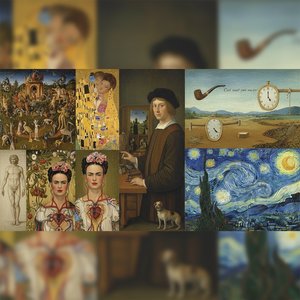 Top 10 Capodopere Simboliste: Artă, Istorie și Decor InspiratDescoperă top 10 capodopere simboliste de la Klimt, Munch și alți artiști iconici. Explorează istoria, tehnicile și emoțiile din spatele pi…
 Golden Splendor: The 25 Most Iconic Masterpieces by Gustav KlimtImmerse yourself in the golden splendor of Gustav Klimt. Explore 25 iconic Art Nouveau masterpieces, from The Kiss to his legendary portrai…