Previzualizare
 Trimite prin felicitare
 Distribuie
 Detalii despre lucrare
 Ghid
Ghid

 Descarcă imaginea
 Produse similare
 Radiografie
 Galerie foto
 Întrebări și răspunsuri
 Statistici
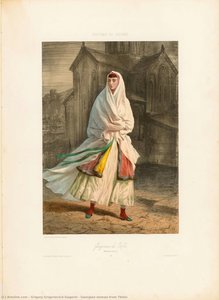
Mingrelian Prince

- 59.0 x 42.0 cm


 Vezi mai mult
Giclée / Imprimare artistică
Printuri giclée sau pe canvas de calitate muzeală, cu proces de producție rapid și opțiuni flexibile de finisare. ( Comandă pictură realizată manual Comută pe Imagine Digitală)




P118B lei10

P118H lei10

P118W lei10

P438Z lei10

P508JH lei12

P508YH lei12

P805H lei10

P805Z lei10

P919BZ lei10

P919G lei10

P919XJ lei10

P959ZH lei10

P968JZ lei12

W106C lei8

W218G lei10

W218JH lei8

W218Y lei10

W307PJ lei10

W316G lei10

W316PJ lei8

W316Y lei10

W398PJ lei8

W4111J lei10

W500HY lei15

W500JH lei15

W692G lei12

W849H lei8

W940BG lei15

W953PJ lei8




Alegeți dintre dimensiunile noastre prestabilite, care respectă proporțiile originale ale operei de artă.

Introduceți lățimea și înălțimea necesare pentru a se potrivi ramei sau peretelui dumneavoastră. O printare poate fi doar tăiată, niciodată extinsă dincolo de dimensiunea imaginii originale, astfel încât o dimensiune cu o formă diferită va pierde o parte din imagine. Vă trimitem o simulare digitală pentru aprobare înainte de a imprima orice. Imaginea afișată pe această pagină nu prezintă tăierea reală — doar simularea arată acest lucru.
Livrare în întreaga lume () în 2 săptămâni, în loc de cele 4/5 săptămâni standard. (11 Noiembrie)

Livrare expres gratuită la nivel mondial

Pânză de in de înaltă calitate

Asigurare completă pentru transport

Garanție de rambursare a taxelor vamale

Garanția fidelității culorilor

Politica de retur în 100 de zile (doar pentru defecte de fabricație)

Garanție de rambursare 100%

Ofertă pentru comenzi multiple
 Opțiunea cu sticlă este disponibilă doar pentru dimensiuni de sub 110 cm

Mingrelian Prince
Giclée / Imprimare artistică
Dimensiune reproducere
-


Preț total calculat
lei 386
Mingrelian Prince - A Portrait of Caucasus Spirit
Grigory Grigorievich Gagarin (1810-1893), a Russian painter, diplomat & administrator, stands as a pivotal figure in 19th-century Russian art. Born in Saint Petersburg to the noble Rurikid princely gagarin family, his artistic journey began with private lessons from Karl Briullov, shaping him into a master of capturing human emotion and regional landscapes. Gagarin’s legacy extends beyond individual canvases; he profoundly influenced the cultural landscape of Georgia through monumental projects like the Tbilisi Sioni Cathedral fresco and the restoration of ancient Georgian cathedrals—a testament to his dedication to preserving artistic heritage.- Subject Matter: The painting depicts a Caucasian prince, embodying strength and nobility amidst the rugged beauty of the Caucasus Mountains. Gagarin meticulously rendered the subject’s posture and gaze, conveying an aura of dignity and contemplation.
- Style & Technique: Gagarin adhered to Romanticism's principles, prioritizing emotional expression over strict realism. He employed oil paints on canvas with a masterful brushstroke technique—loose yet controlled—creating textured surfaces that capture the essence of light and shadow.
- Historical Context: Created in 1855 during Mikhail Vorontsov’s governorship of Georgia, Gagarin's work reflects the fascination of the era with ethnographic studies and artistic representations of diverse cultures. Duma’s observations about the Tbilisi Theatre—a building mirroring Pompey Theatre—highlighted Gagarin’s ambition to elevate Georgian culture through architectural grandeur.
- Symbolism: The prince’s stance symbolizes leadership and resilience, mirroring the spirit of the Caucasus region itself – a land known for its dramatic landscapes and proud traditions. Gagarin skillfully utilized color palettes to evoke feelings of serenity and majesty, enhancing the painting's emotional impact.
The Tbilisi Theatre: Inspiration from Roman Antiquity
Alexander Duma’s admiration for the Tbilisi Theatre underscores Gagarin’s artistic vision—a desire to emulate the architectural splendor of Pompey Theatre, symbolizing classical ideals of beauty and grandeur. This deliberate reference demonstrates Gagarin's understanding of artistic influences and his commitment to creating spaces that inspire awe and elevate cultural experience. The theatre’s interior design embodies a harmonious blend of elegance and functionality, reflecting Gagarin’s meticulous attention to detail.Gagarin’s Sketches & Drawings: Capturing Caucasus Landscapes
“The journey to Caucasus” documented Gagarin's explorations of Georgia’s breathtaking scenery—mountains, valleys, and villages—resulting in a series of sketches and drawings that reveal his artistic sensitivity to natural forms. These preparatory studies showcase his ability to translate visual impressions onto paper with remarkable accuracy and expressive nuance. They serve as invaluable insights into Gagarin’s creative process and his profound connection to the Caucasus region's cultural identity.A Legacy Enduring Through Reproduction
Today, a high-quality reproduction of “Mingrelian Prince” offers art enthusiasts a chance to experience Gagarin’s artistic brilliance—a masterpiece that encapsulates Romantic ideals and celebrates Georgian heritage. OriginalUniqueArt.com presents this iconic artwork with exceptional care, ensuring its beauty and significance are preserved for generations to come. Explore the collection of Taganrog Art Museum and delve deeper into Russian art history – discover more about Gagarin's contribution to artistic expression!Întrebări și răspunsuri
Ce emoție transmite "Mingrelian Prince" de Grigory Gagarin?
Tonul emoțional înregistrat pentru "Mingrelian Prince" de Grigory Gagarin este Romantic. Acesta rezumă sentimentul exprimat de operă.
Din ce materiale este realizată "Mingrelian Prince" și în ce stil?
"Mingrelian Prince" de Grigory Gagarin îmbină tehnica Acrilic pe pânză întinsă cu stilul Romanticism. Tehnica și mișcarea definesc modul de execuție și estetica operei.
Pot examina "Mingrelian Prince" mai detaliat?
„Mingrelian Prince” poate fi explorat strat cu strat pe pagina Raze X a operei de artă, printr-un vizualizator inspirat de masa de lumină a unui conservator, care oferă unsprezece lecturi optice ale imaginii.
Biografie artist
Early Life and Education
Grigory Grigorievich Gagarin, a name that resonates with both artistic flair and diplomatic service, was born in 1810 within the esteemed Rurikid princely family of Saint Petersburg. His lineage traced back to nobility, inheriting a legacy intertwined with Russian history and international relations. His father, Prince Grigory Ivanovich Gagarin – himself a prominent diplomat stationed in France and later serving as ambassador to Italy – instilled in young Grigory a keen awareness of the world beyond Russia’s borders. Despite lacking formal artistic training, a crucial element of his development unfolded under the tutelage of Karl Briullov, a renowned painter whose influence shaped Grigory's early artistic sensibilities. Briullov’s guidance provided a foundation for Grigory’s future explorations in capturing the essence of human expression and regional landscapes.Artistic Career and Notable Works
Grigory’s artistic journey was deeply intertwined with the literary landscape of his time, forging connections with figures like Alexander Pushkin and Mikhail Lermontov. He dedicated himself to illustrating Pushkin's celebrated works – “The Queen of Spades” and “The Tale of Tsar Saltan” – imbuing these narratives with visual richness and capturing the spirit of the Romantic era. His portfolio expanded beyond literary illustrations, encompassing a series of captivating portraits that offered glimpses into diverse cultures within the Russian Empire. The "Caucasian Prince," rendered in paper at the Art Palace of Georgia in Tbilisi, stands as a testament to his time spent documenting the region’s unique traditions and people. Similarly, “Circassian Woman,” also housed in Tbilisi, showcases his ability to portray beauty and dignity while reflecting the complexities of regional identity. Other notable works include "A Priest from Armenia," "Kurds from Ararat," and “Georgian Man,” each painting a carefully considered study of human character and cultural heritage. These pieces reveal not only Grigory’s technical skill but also his genuine interest in understanding and representing the diverse tapestry of Russian society.Diplomatic Service and European Travels
Beyond his artistic pursuits, Grigory’s life was marked by a distinguished career in diplomacy. He served as a representative of Russia in Paris, Rome, and Constantinople, navigating the intricate political landscape of 19th-century Europe. His time in Munich further broadened his horizons, exposing him to different cultural influences and diplomatic practices. A pivotal moment arrived in 1839 when he returned to Russia, transitioning from the world of art to a role within the administrative sphere. This shift marked a significant turning point, demonstrating his versatility and adaptability as an individual.Legacy and Artistic Significance
Grigory Gagarin’s legacy is one of both artistic achievement and cultural observation. His paintings offer invaluable insights into the diverse cultures and landscapes he encountered during his lifetime – from the Caucasus to Armenia and Georgia. He wasn't merely a painter; he was an explorer of human experience, meticulously documenting regional identities through portraiture and landscape scenes. His work reflects the Romantic ideals of his time—a fascination with emotion, nature, and the individual—while simultaneously demonstrating a deep respect for the traditions and customs of the communities he depicted. His legacy continues to be appreciated as a window into 19th-century Russian art and culture, reminding us of the power of art to capture both beauty and understanding.
Grigory Gagarin
1810 - 1893 , Rusia
Detalii rapide
- Artistic Movement Or Style: Romanticism
- Artists Who Influenced This Artist: ['Karl Briullov']
- Date Of Birth: May 29 April 1810
- Date Of Death: January 30 January 1893
- Full Name: Grigory Grigorievich Gagarin
- Nationality: Russian
- Notable Artworks:
- Caucasian Prince
- Circassian Woman
- A Priest from Armenia
- Kurds from Ararat
- Georgian Man
- Place Of Birth: Saint Petersburg, Russia
Articole similare

Mikhail Nesterov: Spiritual Quests & Symbolic Landscapes of Russian Symbolism
Explore the captivating world of Mikhail Nesterov, a pioneer of Russian Symbolism. Discover his spiritual themes, iconic paintings like 'The Hermit,' and lasting influence on Russian art history. Learn more at OriginalUniqueArt.

Victor Vasnetsov: Myth, Nationalism & the Revival of Russian Fairy Tale Painting
Explore the captivating world of Victor Vasnetsov, a co-founder of Russian folklorist painting. Discover his iconic works, influence on national identity, and lasting legacy in this expert guide.
Alexei Bogolyubov: Bridging Realism & Romanticism in the Russian Landscape Tradition
Explore the captivating world of Alexei Bogolyubov, a master of Russian Realism & Romanticism. Discover his stunning landscapes, maritime scenes, and lasting influence on 19th-century art. Learn more at OriginalUniqueArt.

Vladimir Makovsky: Realism, Social Commentary & Russian Life in Late 19th-Century Painting
Explore the captivating world of Vladimir Makovsky, a leading Russian realist painter. Discover his insightful depictions of 19th-century life, social commentary & legacy with OriginalUniqueArt.

Ivan Bilibin: A Synthesis of Folklore, Modernism & National Identity in Russian Illustration
Explore the enchanting world of Ivan Bilibin, a master Russian illustrator who synthesized folklore, Art Nouveau & national identity. Discover his iconic fairy tale illustrations and legacy with OriginalUniqueArt.