Previzualizare
 Trimite prin felicitare
 Distribuie
 Detalii despre lucrare
 Ghid
Ghid

 Descarcă imaginea
 Produse similare
 Radiografie
 Galerie foto
 Q&A
Q&A Statistici
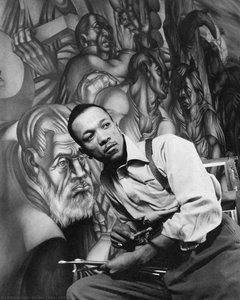
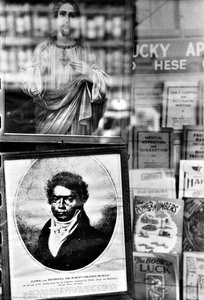
Untitled, Harlem, New York

- 27.0 x 34.0 cm


 Vezi mai mult
Lucrarea de artă afișată pe această pagină este protejată de legile privind drepturile de autor, ceea ce înseamnă că nu putem crea sau vinde în mod legal o reproducere identică. Această protecție este garantată prin acorduri internaționale, precum Convenția de la Berna și de legile naționale, inclusiv cele prevăzute de Legea dreptului de autor din S.U.A. – Titlul 17. Toate drepturile rezervate. Orice reproducere neautorizată este interzisă.
Această metodă respectă pe deplin reglementările privind drepturile de autor, deoarece nu implică copierea sau duplicarea operei protejate. În schimb, este o reinterpretare creativă – o pictură nouă, influențată de original, dar care nu este identică cu acesta.
Giclée / Imprimare artistică
Printuri giclée sau pe canvas de calitate muzeală, cu proces de producție rapid și opțiuni flexibile de finisare. ( Comandă pictură realizată manual Comută pe Imagine Digitală)




P118B lei10

P118H lei10

P118W lei10

P438Z lei10

P508JH lei12

P508YH lei12

P805H lei10

P805Z lei10

P919BZ lei10

P919G lei10

P919XJ lei10

P959ZH lei10

P968JZ lei12

W106C lei8

W218G lei10

W218JH lei8

W218Y lei10

W307PJ lei10

W316G lei10

W316PJ lei8

W316Y lei10

W398PJ lei8

W4111J lei10

W500HY lei15

W500JH lei15

W692G lei12

W849H lei8

W940BG lei15

W953PJ lei8




Alegeți dintre dimensiunile noastre prestabilite, care respectă proporțiile originale ale operei de artă.

Introduceți lățimea și înălțimea necesare pentru a se potrivi ramei sau peretelui dumneavoastră. O printare poate fi doar tăiată, niciodată extinsă dincolo de dimensiunea imaginii originale, astfel încât o dimensiune cu o formă diferită va pierde o parte din imagine. Vă trimitem o simulare digitală pentru aprobare înainte de a imprima orice. Imaginea afișată pe această pagină nu prezintă tăierea reală — doar simularea arată acest lucru.
Livrare în întreaga lume () în 2 săptămâni, în loc de cele 4/5 săptămâni standard. (1 Noiembrie)

Livrare expres gratuită la nivel mondial

Pânză de in de înaltă calitate

Asigurare completă pentru transport

Garanție de rambursare a taxelor vamale

Garanția fidelității culorilor

Politica de retur în 100 de zile (doar pentru defecte de fabricație)

Garanție de rambursare 100%

Ofertă pentru comenzi multiple
 Opțiunea cu sticlă este disponibilă doar pentru dimensiuni de sub 110 cm

Untitled, Harlem, New York
Giclée / Imprimare artistică
Dimensiune reproducere
-


Preț total calculat
lei 379
A Quiet Moment in Harlem: Gordon Parks’ “Untitled, Harlem, New York”
Gordon Parks' "Untitled, Harlem, New York," captured in 1948, isn’t merely a photograph; it’s a distilled essence of a specific time and place – the burgeoning heart of Harlem during the mid-20th century. This black and white image transcends its simple subject matter to become a poignant meditation on everyday life, social observation, and the quiet dignity of ordinary people. The photograph offers a rare glimpse into a domestic scene, likely a kitchen, where two Black men are engaged in what appears to be a commonplace activity: one holding a plate close to his face, seemingly lost in thought. Yet, within this unassuming tableau lies a powerful undercurrent of emotion and a subtle tension that draws the viewer in.
Parks’ approach is deeply rooted in documentary photography and photojournalism, a style he honed during his work for Life magazine. He wasn't interested in grand narratives or heroic figures; instead, he sought to capture authentic moments, revealing the complexities of African American life often overlooked by mainstream media. The photograph embodies this commitment, presenting a raw and unvarnished portrayal of two men within their environment. It’s a deliberate departure from idealized representations, offering a starkly honest depiction of daily existence.
Composition and Technique: A Masterclass in Light and Shadow
The composition is remarkably controlled despite its seemingly casual nature. The framing—a rectangular space dominated by the kitchen interior—creates a sense of intimacy while simultaneously emphasizing the subjects’ isolation. The placement of the men, slightly off-center, immediately establishes visual interest and directs the viewer's eye. Strong vertical lines, courtesy of the cabinets and window frame, provide structure to the image, anchoring the scene against the backdrop of the kitchen. Diagonal lines, subtly introduced through the arrangement of objects and the men’s postures, add a dynamic element, preventing the photograph from feeling static.
Parks' masterful use of light is crucial to the photograph’s impact. The lighting appears natural or diffused, casting soft shadows that define forms and textures with remarkable detail. This chiaroscuro effect—the dramatic contrast between light and dark—heightens the sense of drama and adds depth to the scene. Notice how the graininess typical of black-and-white film contributes to a vintage feel, grounding the image in its historical context. The photograph’s technical execution speaks volumes about Parks' skill as a photographer; he expertly manipulated the medium to convey his artistic vision.
Symbolism and Emotional Resonance
The central figure holding the plate close to his face is arguably the most compelling element of the image. It’s difficult to decipher his expression, but the gesture—a deliberate act of focusing on a single object—suggests introspection, perhaps even frustration or defiance. This simple action becomes laden with symbolic weight, inviting viewers to project their own interpretations onto the scene. The other man in the background, partially obscured, adds another layer of complexity, hinting at a shared experience or unspoken connection.
Beyond this immediate interpretation, “Untitled, Harlem, New York” speaks to broader themes of identity, community, and the realities of life within segregated America. It’s a testament to Parks' ability to capture not just visual details but also the emotional atmosphere of his subjects’ lives. The photograph evokes feelings of quiet contemplation, a sense of shared humanity, and a subtle awareness of social inequalities.
Historical Context and Legacy
Created in 1948, this photograph is part of a larger body of work by Gordon Parks that documented the experiences of African Americans during a pivotal era in American history. His early photographs for Life magazine, often depicting poverty and hardship, were groundbreaking for their unflinching honesty and their commitment to representing marginalized communities. “Untitled, Harlem, New York” exemplifies this approach, offering a glimpse into the everyday lives of residents of Harlem—a neighborhood known for its rich cultural heritage but also for facing significant challenges.
Parks’ work continues to resonate today, influencing generations of photographers and artists. His ability to capture authentic moments with sensitivity and insight remains remarkably relevant. Reproductions of “Untitled, Harlem, New York” are highly sought after by collectors and interior designers alike, valued not only for their aesthetic qualities but also for their historical significance and their powerful emotional impact. It stands as a timeless reminder of the beauty and complexity found in ordinary lives.
Întrebări și răspunsuri
Care este locul ocupat de "Untitled, Harlem, New York" în istoria artei?
"Untitled, Harlem, New York" de Gordon Parks aparține mișcării Documentary Photography, din perioada 19th Century. Împreună, acestea conferă operei locul său în istoria artei.
Unde poate fi vizualizată astăzi opera "Untitled, Harlem, New York" de Gordon Parks?
"Untitled, Harlem, New York" de Gordon Parks este expusă la The Gordon Parks Foundation, Pleasantville, Statele Unite ale Americii. Mențiunea muzeului se referă la lucrarea originală, nu la reproduceri.
Ce atmosferă ar aduce într-o încăpere o reproducere a operei "Untitled, Harlem, New York" de Gordon Parks?
Cu atmosfera sa Calm, „Untitled, Harlem, New York” este recomandată pentru o Living Room.
Biografie artist
Gordon Parks: O Viață Capturată în Imagini și Filme
Gordon Roger Alexander Buchanan Parks, născut în 1912 la Fort Scott, Kansas, a fost un artist poliedric – fotograf, muzician, scriitor și regizor de film – ale cărui opere au reflectat cu o sensibilitate rară complexitatea experienței americane, în special cea a comunității afro-americane. Crescut într-o perioadă marcată de segregare rasială profundă, Parks a transformat traumele și inegalitățile copilăriei sale într-un combustibil creativ, devenind un martor ocular și un comentator social de o importanță covârșitoare. Deși autodidact în arta fotografiei, talentul său brut și dedicarea neobosită l-au propulsat rapid spre vârful lumii artistice, deschizând noi orizonturi pentru generațiile viitoare de artiști afro-americani.
De la Munca Manuală la Lentila Magică: Ascensiunea unui Fotoreporter
Viața lui Parks a fost una de perseverență și reinventare. După pierderea mamei sale, o figură centrală în viața sa, tânărul Gordon s-a confruntat cu dificultăți imense, lucrând la diverse slujbe pentru a supraviețui – de la pianist într-un club local până la portar pe calea ferată. Însă, un moment crucial a avut loc atunci când a văzut o serie de fotografii despre muncitori agricoli migratori. Această experiență l-a inspirat să cumpere primul său aparat foto și să înceapă să exploreze lumea prin lentilă. Influențat inițial de stilul documentar al lui Walker Evans și Dorothea Lange, Parks a dezvoltat rapid un stil propriu, caracterizat printr-o atenție minuțioasă la detalii și o capacitate remarcabilă de a surprinde emoția umană autentică. Obținerea unei burse de la Julius Rosenwald i-a permis să se alăture Farm Security Administration (FSA), unde a creat unele dintre cele mai iconice imagini ale sale, inclusiv faimoasa fotografie *American Gothic*, cu o femeie afro-americană în fața unui steag american – o imagine care a devenit un simbol puternic al identității și rezistenței.
Din Fotografie în Film: O Viziune Cinematografică Unică
În anii '60, Parks a făcut tranziția de la fotografie la film, devenind primul regizor afro-american care a obținut un contract cu un studio major hollywoodian. Debutul său cinematografic, *The Learning Tree* (1969), bazat pe propria sa autobiografie, a fost o realizare remarcabilă, oferind o perspectivă sinceră și emoționantă asupra vieții unei familii afro-americane în Kansas în anii '30. Succesul său comercial și critic a deschis calea pentru alte proiecte ambițioase, culminând cu *Shaft* (1971), un film de acțiune inovator care a definit genul "blaxploitation" și l-a consacrat ca pe un regizor talentat și vizionar. Filmele lui Parks nu erau doar divertisment; ele erau declarații sociale puternice, explorând teme precum rasismul, sărăcia și lupta pentru dreptate socială cu o onestitate și o empatie remarcabile.
Moștenirea unui Artist Revoluționar
Gordon Parks a lăsat în urmă o moștenire artistică vastă și influentă, care continuă să inspire artiști din întreaga lume. Prin fotografiile sale documentare, filmele sale emoționante și scrierile sale introspective, el a oferit o voce puternică celor marginalizați și a contribuit la schimbarea percepțiilor despre identitatea afro-americană în America. Colecțiile sale de fotografii se găsesc în muzee importante precum MoMA și Galeria Melvin Holmes, iar munca sa este studiată în școli și universități din întreaga lume. Parcursul său extraordinar, de la un copil sărac crescut într-un mediu segregat până la un artist recunoscut internațional, demonstrează puterea transformatoare a artei și capacitatea umană de a depăși obstacolele și de a lăsa o amprentă durabilă asupra lumii.
Premii și Recunoașteri
- National Medal of Arts (1988)
- PGA Oscar Micheaux Award (1993)
- NAACP Image Award (2003)
- Spingarn Medal (1972)

Gordon Parks
1912 - 2006 , Statele Unite ale Americii
Detalii rapide
- Artiști Influențați: Artiști afro-americani viitori
- Data Nașterii: 30 noiembrie 1912
- Locul Nașterii: Fort Scott, SUA
- Mișcare Artistică: Photojurnalism, realism social
- Naționalitate: Americană
- Nume Complet: Gordon Roger Alexander Buchanan Parks
- Opere Notabile:
- Shaft (1971)
- The Learning Tree (1969)
- A Choice of Weapons (1985)
Articole similare

Top 10 Capodopere Alb-Negru: Frumusețe Atemporală în Artă | OriginalUniqueArt.ro
Descoperă top 10 picturi celebre dominate de alb, de la Monet la Kandinsky! Explorează istoria artei, tehnicile artistice și frumusețea atemporală a capodoperelor clasice. Reproduceri de calitate muzeală pe OriginalUniqueArt.com – inspiră-ți decorul!

Shadow & Soul: Why Black & White Photography Remains the Ultimate Power Move in Modern Art
Discover why black & white photography remains a powerful force in contemporary art. Explore the impact of light, shadow, and texture through a visual journey of monochrome mastery and learn how to elevate your space with timeless grayscale aesthetics.
Witnessing History Through Lens & Light: Documentary Photography's Enduring Legacy
Explore the powerful history of documentary photography – from its origins to contemporary masters like Gordon Parks & W. Eugene Smith. Discover how this art form shapes our understanding of society and witness pivotal moments in time.

Monochrome Visions: Exploring the Aesthetic & Historical Significance of Black & White Photography
Explore the rich history & artistic power of black and white photography. From early techniques to iconic masters like Ansel Adams, discover why monochrome continues to captivate art lovers today. Expert insights for collectors.
Gordon Parks: A Poetic Lens on American Life – Photography, Social Justice & Storytelling
Explore the profound work of Gordon Parks, a groundbreaking photographer who documented American life with unparalleled empathy and artistry. Discover his iconic images & lasting impact on social justice through Life magazine & beyond.