Previzualizare
 Trimite prin felicitare
 Distribuie
 Detalii despre lucrare
 Ghid
Ghid

 Descarcă imaginea
 Produse similare
 Radiografie
 Galerie foto
 Statistici
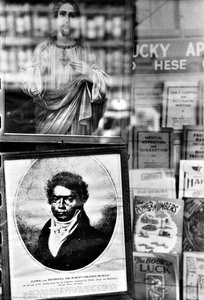
Store Front, Mobile, Alabama


 Vezi mai mult
Lucrarea de artă afișată pe această pagină este protejată de legile privind drepturile de autor, ceea ce înseamnă că nu putem crea sau vinde în mod legal o reproducere identică. Această protecție este garantată prin acorduri internaționale, precum Convenția de la Berna și de legile naționale, inclusiv cele prevăzute de Legea dreptului de autor din S.U.A. – Titlul 17. Toate drepturile rezervate. Orice reproducere neautorizată este interzisă.
Această metodă respectă pe deplin reglementările privind drepturile de autor, deoarece nu implică copierea sau duplicarea operei protejate. În schimb, este o reinterpretare creativă – o pictură nouă, influențată de original, dar care nu este identică cu acesta.
Giclée / Imprimare artistică
Printuri giclée sau pe canvas de calitate muzeală, cu proces de producție rapid și opțiuni flexibile de finisare. ( Comandă pictură realizată manual Comută pe Imagine Digitală)




P118B lei10

P118H lei10

P118W lei10

P438Z lei10

P508JH lei12

P508YH lei12

P805H lei10

P805Z lei10

P919BZ lei10

P919G lei10

P919XJ lei10

P959ZH lei10

P968JZ lei12

W106C lei8

W218G lei10

W218JH lei8

W218Y lei10

W307PJ lei10

W316G lei10

W316PJ lei8

W316Y lei10

W398PJ lei8

W4111J lei10

W500HY lei15

W500JH lei15

W692G lei12

W849H lei8

W940BG lei15

W953PJ lei8




Alegeți dintre dimensiunile noastre prestabilite, care respectă proporțiile originale ale operei de artă.

Introduceți lățimea și înălțimea necesare pentru a se potrivi ramei sau peretelui dumneavoastră. O printare poate fi doar tăiată, niciodată extinsă dincolo de dimensiunea imaginii originale, astfel încât o dimensiune cu o formă diferită va pierde o parte din imagine. Vă trimitem o simulare digitală pentru aprobare înainte de a imprima orice. Imaginea afișată pe această pagină nu prezintă tăierea reală — doar simularea arată acest lucru.
Livrare în întreaga lume () în 2 săptămâni, în loc de cele 4/5 săptămâni standard. (25 Octombrie)

Livrare expres gratuită la nivel mondial

Pânză de in de înaltă calitate

Asigurare completă pentru transport

Garanție de rambursare a taxelor vamale

Garanția fidelității culorilor

Politica de retur în 100 de zile (doar pentru defecte de fabricație)

Garanție de rambursare 100%

Ofertă pentru comenzi multiple
 Opțiunea cu sticlă este disponibilă doar pentru dimensiuni de sub 110 cm

Store Front, Mobile, Alabama
Giclée / Imprimare artistică
Dimensiune reproducere
-


Preț total calculat
lei 370
A Frozen Moment in Southern Life
Gordon Parks’s “Store Front, Mobile, Alabama, 1956” isn't merely a photograph; it’s a meticulously crafted window into a vanished world—a poignant tableau of everyday life under the oppressive weight of Jim Crow segregation. Captured during his assignment for *Life* magazine, this image transcends its documentary origins to become a powerful meditation on empathy and the quiet dignity of ordinary people facing extraordinary circumstances. Parks, already a rising star in photography, eschewed the sensationalism often associated with civil rights imagery, instead choosing to focus on the seemingly mundane: a storefront in Mobile, Alabama, bathed in the warm, diffused light of a Southern afternoon. The scene is deceptively simple – a Coca-Cola sign proudly proclaiming its presence above the entrance, a weathered bench inviting weary customers, and several individuals gathered outside, engaged in conversation or simply observing the world around them. Yet, within this apparent stillness lies a profound narrative of resilience and quiet resistance.The Language of Color and Light
What immediately distinguishes “Store Front” is Parks’s masterful use of color—a bold departure from the predominantly black-and-white photography prevalent at the time. He deliberately employed saturated hues, particularly in the red of the Coca-Cola sign and the yellow of the building's facade, creating a vibrant contrast against the muted tones of the surrounding landscape. This deliberate infusion of color wasn’t simply aesthetic; it served to draw attention to the scene, inviting viewers to linger and contemplate its details. Parks expertly manipulated light, using natural illumination to sculpt the forms of the figures and create a sense of depth within the frame. The shadows cast by the building subtly emphasize the faces of those gathered outside, hinting at untold stories and experiences. This careful orchestration of color and light elevates the photograph beyond a simple snapshot, transforming it into a richly layered visual experience.A Window into Segregation’s Reality
The context surrounding this image is crucial to understanding its enduring power. Taken in 1956, during the height of the Civil Rights Movement, “Store Front” offers a rare glimpse into the daily realities of segregation in the American South. The Coca-Cola sign, a symbol of modernity and prosperity, stands in stark contrast to the racial inequalities that permeated every aspect of Southern life. The individuals depicted—a mix of Black men and women—represent the community’s resilience and their quiet determination to maintain dignity in the face of systemic oppression. Parks's choice to focus on this seemingly ordinary storefront highlights the fact that segregation wasn't confined to grand demonstrations or legal battles; it was woven into the fabric of everyday life, shaping people’s interactions, opportunities, and experiences. The photograph serves as a potent reminder of the pervasive nature of racial injustice and the importance of recognizing the humanity of those who have been marginalized.Symbolism and Emotional Resonance
Beyond its historical significance, “Store Front” is rich in symbolic meaning. The bench represents a brief respite from the hardships of daily life—a place for connection, conversation, and shared experience. The Coca-Cola sign, despite being a symbol of corporate America, also signifies a small measure of comfort and familiarity within a segregated environment. The figures themselves embody resilience, dignity, and community spirit. Parks’s deliberate framing invites viewers to project their own emotions onto the scene—to feel empathy for those depicted and to reflect on the enduring legacy of racial inequality. The photograph's emotional impact is profound, prompting us to confront uncomfortable truths about our past and to consider how we can build a more just and equitable future. It’s a testament to Parks’s skill that he could capture such complex emotions with such understated elegance.A Legacy of Photographic Storytelling
“Store Front, Mobile, Alabama, 1956” stands as a landmark achievement in photographic storytelling—a powerful example of how photography can be used to document social realities, challenge injustice, and foster empathy. Gordon Parks’s innovative use of color, his masterful manipulation of light, and his insightful portrayal of everyday life have cemented this image's place as an iconic representation of the Civil Rights Movement and a timeless meditation on human dignity. Reproductions of this photograph continue to resonate with audiences today, serving as a poignant reminder of the struggles faced by African Americans in the Jim Crow South and inspiring us to strive for a more inclusive and equitable society.Întrebări și răspunsuri
În ce măsură subiectul operei „Store Front, Mobile, Alabama” se regăsește în temele obișnuite ale lui Gordon Parks?
"Store Front, Mobile, Alabama" înfățișează segregation, alabama, 1956, african-americans, gordon parks, photography, civil rights, family life, în timp ce temele recurente ale lui Gordon Parks sunt photography, civil rights, segregation, documentary, social commentary. Compararea celor două relevă modul în care această lucrare se raportează la subiectele obișnuite ale artistului.
Care este formatul pentru "Store Front, Mobile, Alabama"?
Formatul pentru "Store Front, Mobile, Alabama" este Square. Acest lucru este util atunci când planificați unde va fi amplificată o reproducere.
Este "Store Front, Mobile, Alabama" în domeniul public?
În ceea ce privește drepturile de autor, "Store Front, Mobile, Alabama" este încă protejată de drepturile de autor.
Biografie artist
Gordon Parks: O Viață Capturată în Imagini și Filme
Gordon Roger Alexander Buchanan Parks, născut în 1912 la Fort Scott, Kansas, a fost un artist poliedric – fotograf, muzician, scriitor și regizor de film – ale cărui opere au reflectat cu o sensibilitate rară complexitatea experienței americane, în special cea a comunității afro-americane. Crescut într-o perioadă marcată de segregare rasială profundă, Parks a transformat traumele și inegalitățile copilăriei sale într-un combustibil creativ, devenind un martor ocular și un comentator social de o importanță covârșitoare. Deși autodidact în arta fotografiei, talentul său brut și dedicarea neobosită l-au propulsat rapid spre vârful lumii artistice, deschizând noi orizonturi pentru generațiile viitoare de artiști afro-americani.
De la Munca Manuală la Lentila Magică: Ascensiunea unui Fotoreporter
Viața lui Parks a fost una de perseverență și reinventare. După pierderea mamei sale, o figură centrală în viața sa, tânărul Gordon s-a confruntat cu dificultăți imense, lucrând la diverse slujbe pentru a supraviețui – de la pianist într-un club local până la portar pe calea ferată. Însă, un moment crucial a avut loc atunci când a văzut o serie de fotografii despre muncitori agricoli migratori. Această experiență l-a inspirat să cumpere primul său aparat foto și să înceapă să exploreze lumea prin lentilă. Influențat inițial de stilul documentar al lui Walker Evans și Dorothea Lange, Parks a dezvoltat rapid un stil propriu, caracterizat printr-o atenție minuțioasă la detalii și o capacitate remarcabilă de a surprinde emoția umană autentică. Obținerea unei burse de la Julius Rosenwald i-a permis să se alăture Farm Security Administration (FSA), unde a creat unele dintre cele mai iconice imagini ale sale, inclusiv faimoasa fotografie *American Gothic*, cu o femeie afro-americană în fața unui steag american – o imagine care a devenit un simbol puternic al identității și rezistenței.
Din Fotografie în Film: O Viziune Cinematografică Unică
În anii '60, Parks a făcut tranziția de la fotografie la film, devenind primul regizor afro-american care a obținut un contract cu un studio major hollywoodian. Debutul său cinematografic, *The Learning Tree* (1969), bazat pe propria sa autobiografie, a fost o realizare remarcabilă, oferind o perspectivă sinceră și emoționantă asupra vieții unei familii afro-americane în Kansas în anii '30. Succesul său comercial și critic a deschis calea pentru alte proiecte ambițioase, culminând cu *Shaft* (1971), un film de acțiune inovator care a definit genul "blaxploitation" și l-a consacrat ca pe un regizor talentat și vizionar. Filmele lui Parks nu erau doar divertisment; ele erau declarații sociale puternice, explorând teme precum rasismul, sărăcia și lupta pentru dreptate socială cu o onestitate și o empatie remarcabile.
Moștenirea unui Artist Revoluționar
Gordon Parks a lăsat în urmă o moștenire artistică vastă și influentă, care continuă să inspire artiști din întreaga lume. Prin fotografiile sale documentare, filmele sale emoționante și scrierile sale introspective, el a oferit o voce puternică celor marginalizați și a contribuit la schimbarea percepțiilor despre identitatea afro-americană în America. Colecțiile sale de fotografii se găsesc în muzee importante precum MoMA și Galeria Melvin Holmes, iar munca sa este studiată în școli și universități din întreaga lume. Parcursul său extraordinar, de la un copil sărac crescut într-un mediu segregat până la un artist recunoscut internațional, demonstrează puterea transformatoare a artei și capacitatea umană de a depăși obstacolele și de a lăsa o amprentă durabilă asupra lumii.
Premii și Recunoașteri
- National Medal of Arts (1988)
- PGA Oscar Micheaux Award (1993)
- NAACP Image Award (2003)
- Spingarn Medal (1972)

Gordon Parks
1912 - 2006 , Statele Unite ale Americii
Detalii rapide
- Artiști Influențați: Artiști afro-americani viitori
- Data Nașterii: 30 noiembrie 1912
- Locul Nașterii: Fort Scott, SUA
- Mișcare Artistică: Photojurnalism, realism social
- Naționalitate: Americană
- Nume Complet: Gordon Roger Alexander Buchanan Parks
- Opere Notabile:
- Shaft (1971)
- The Learning Tree (1969)
- A Choice of Weapons (1985)
Articole similare

Witnessing History Through Lens & Light: Documentary Photography's Enduring Legacy
Explore the powerful history of documentary photography – from its origins to contemporary masters like Gordon Parks & W. Eugene Smith. Discover how this art form shapes our understanding of society and witness pivotal moments in time.

Witnessing History: Documentary Photography as an Art Movement
Explore the powerful history of documentary photography – from its origins to contemporary masters like Gordon Parks. Discover how this art form shapes our understanding of society and witness pivotal moments in time.

Gordon Parks: A Poetic Lens on American Life – Photography, Social Justice & Storytelling
Explore the profound work of Gordon Parks, a groundbreaking photographer who documented American life with unparalleled empathy and artistry. Discover his iconic images & lasting impact on social justice through Life magazine & beyond.

Monochrome Visions: Exploring the Aesthetic & Historical Significance of Black & White Photography
Explore the rich history & artistic power of black and white photography. From early techniques to iconic masters like Ansel Adams, discover why monochrome continues to captivate art lovers today. Expert insights for collectors.

Beyond the Lens: Photography's Enduring Influence on Modern & Contemporary Art
Explore photography's pivotal role in shaping modern & contemporary art. Discover key movements, influential artists like Stieglitz, and expert collecting advice from OriginalUniqueArt.