

 Vezi în context
 Trimite
 Distribuie
 Detalii
 Ghidul

 Descarcă
 Produse similare
 Radiografie
 Diaporama
 Statistici
Untitled (ARCATH)


 Citește mai mult
Reproducere pictată manual în ulei
Pictură în ulei pe pânză, realizată manual de artiștii noștri la dimensiunea și ramele dorite de dumneavoastră, pe comandă. ( Comută pe versiunea Print Treci la imagine digitală)




































Alegeți dintre dimensiunile noastre prestabilite, care respectă proporțiile originale ale operei de artă.

Puteți introduce propriile dimensiuni pentru a se potrivi unui anumit cadru sau spațiu. Dacă dimensiunea selectată nu corespunde proporțiilor imaginii originale, vom decupa opera de artă sau vom extinde pictura cu elemente suplimentare pictate manual. O simulare digitală vă va fi trimisă pentru aprobare înainte de începerea producției.
Vă rugăm să rețineți că previzualizarea de pe ecran nu reflectă decuparea sau extinderea reală. Doar macheta va arăta cu exactitate compoziția finală.
Deși sunt disponibile dimensiuni personalizate, vă recomandăm să selectați o dimensiune din lista predefinită pentru a păstra proporțiile originale.
După plasarea comenzii, echipa OriginalUniqueArt.com va contacta clientul prin e-mail pentru instrucțiuni și îi va furniza o previzualizare a machetei
Livrare în întreaga lume () în 3-4 săptămâni, în loc de cele 5 săptămâni standard. (26 Septembrie). Fără compromisuri în ceea ce privește calitatea.

Livrare expres gratuită la nivel mondial

Pânză de in premium

Asigurare completă pentru transport

Garanție de rambursare a taxelor vamale

Garanția fidelității culorilor

Politica de retur în 100 de zile (doar pentru defecte)

Garanție de rambursare 100%

Reducere pentru comenzi multiple
 Opțiunea cu sticlă este disponibilă doar pentru dimensiuni de sub 110 cm

Untitled (ARCATH)
Tip de reproducere
Dimensiune reproducere
-


Preț total
$ 300
Biografie artist
Un maestru uitat al Belle Époque: Viața și arta lui Giuseppe Amisani
Giuseppe Amisani, un nume absent în mare parte din narațiunile istorice ale artei până în prezent, a fost o figură proeminentă în timpul vibrantului Belle Époque din Italia. Născut pe 7 decembrie 1881, în Mede di Lomellina, lângă Pavia, în Lombardia, el a devenit un portretist celebru ale cărui pânze capturau eleganța și statutul elitei epocii sale. Orașul însuși și-a onorat ulterior fiul nativ prin redenumirea Piazza Mercato în Piazza Giuseppe Amisanci—o dovadă a estimării în care era considerat odinioară. Călătoria sa a început cu o tentativă inițială de studii tehnice în Pavia, însă un curs de desen eșuat l-a redirecționat către pasiuni mai artistice. Și-a găsit adevărata vocație în sălile sacre ale Accademia di Brera din Milano, unde și-a perfecționat abilitățile sub îndrumarea lui Cesare Tallone și Vespasiano Bignami. Această pregătire formală a pus bazele unei cariere definite de o tehnică rafinată și de o înțelegere profundă a caracterului uman.Ascensiunea gloriei și orizonturile internaționale
Talentul lui Amisani a câștigat rapid recunoaștere, fiind marcat de triumful său din 1908 cu prestigiosul premiu Mylius pentru opera L'eroe („Eroul”). Acest succes timpuriu a fost consolidat cu câțiva ani mai sonra—fie în 1911, fie în 1912—când a obținut premiul Fumagalli pentru pictura de figură prin portretul său impresionant al celebrei actrițe Lyda Borelli. Aceste onoruri l-au propulsat în lumină, consacrându-l ca un portretist râvnitor printre înalta societate milaneză. Stilul său din această perioadă era caracterizat prin prospețime și eleganță, având capacitatea de a surprinde nu doar asemănarea fizică, ci și esența subiectelor sale. Totuși, ambițiile lui Amisani s-au întins dincolo de granițele Italiei. El a pornit în călătorii extinse care i-au modelat profund viziunea artistică. Anii petrecuți în Argentina și Brazilia l-au expus la culturi și peisaje noi, în timp ce vizitele în Anglia, Franța, Africa de Nord și Statele Unite i-au lărgit perspectiva și i-au infuzat opera cu o sensibilitate cosmopolitană. Aceste experiențe au depășit simpla observație; ele au devenit parte integrantă a identității sale artistice, influențând atât tematica, cât și tehnica.Un portretist al regilor și al oamenilor de rând
Opera lui Amisani este dominată de portretistică, reflectând cerințele și gusturile clientelei sale. El poseda o abilitate remarcabilă de a picta indivizi din toate straturile sociale—de la industriali proeminenți precum Michele Bernocchi (1937) și Davide Lanfranconi (1941), până la figuri de renume artistic precum Lyda Borelli, al cărui portret adornează acum Muzeul de Artă din São Paulo, Brazilia. Capodopera sa, La Teletta, se află în Galleria d'Arte Moderna din Milano, exemplificând îndemânarea sa de a surprinde atât aspectul fizic, cât și profunzimea psihologică. În 1924, a primit o comandă regală pentru a decora Ras al-Tin, palatul lui Fuad I al Egiptului, unde a imortalizat tânărul Prinț Farouk pe pânză—o dovadă a reputației sale internaționale și a măiestriei artistice. Dincolo de portret, Amisani a explorat și pictura de peisaj, inspirat de călătoriile sale, creând scene evocate ale Alpilor italieni, Rodosului și Tunziei. Participarea sa la expoziții precum a douăsprezecea Esposizione Internazionale d'Arte della Città di Venezia (Bienala de la Veneția) în 1920, alături de evenimente în Londra și Florența, i-a consolidat poziția în lumea europeană a artei.Redescoperirea și moștenirea
În cipta succesului considerabil dobândit pe parcursul vieții, opera lui Amisani a căzut într-o obscuritate relativă după moartea sa pe 8 septembrie 1941, în Portofino. Numele său a dispărut din principalele referințe de istoria artei, iar contribuțiile sale au fost uitate în mare parte timp de jumătate de secol. Această neglijență este probabil atribuibilă alegerii sale deliberate de a rămâne în cadrul convențiilor artistice stabilite ale timpului său, evitând experimentarea radicală a mișcărilor precum Futurismul sau Cubismul. El a răspuns preferințelor patronilor săi, prioritizând realismul și reprezentarea detaliată în detrimentul inovației avangardiste. Totuși, o expoziție retrospectivă organizată la Castello Sforzesco în Vigevano în 2008 a declanșat un interes reînnoit pentru arta sa, aducând picturile sale în fața publicului după decenii de uitare. Această redescoperire a dezvăluit un artist profund înrădăcinat în tradiția Renașterii italiene—influențat de maeștri precum Michelangelo și Rafael prin atenția meticuloasă la detalii și reprezentarea realistă a formei umane—dar și unic adaptat eleganței și opulenței Belle Époque. Povestea lui Giuseppe Amisani servește ca un memento emoționant că meritul artistic poate fi uneori umbrit de schimbările de gust și de curentele istorice, dar talentul adevărat în final învinge.Caracteristici artistice
Picturile lui Amisani sunt caracterizate prin strălucirea tehnică și o sensibilitate estetică rafinată. Portretele sale nu sunt doar reprezentări ale asemănării fizice; ele sunt studii profunde de caracter și statut social. El a utilizat o paletă luminoasă și o pensulă maestru pentru a surprinde texturile materialelor, nuanțele tonurilor de piele și expresiile subtile care dezvăluie viața interioară a subiectelor sale. Deși a recunoscut curentul artistic al timpului său, Amisani a rămas fidel tehnicilor tradiționale, prioritizând realismul și observația detaliată.- Peisajele sale, deși mai puțin numeroase decât portretele, demonstrează o atenție similară la detalii și perspectivă atmosferică.
- El a împletit cu îndemânare elemente de impresionism cu o sensibilitate clasică, creând opere care sunt atât plăcute vizual, cât și intelectual captivante.
- Arta lui Amisani reflectă valorile și aspirațiile Belle Époque—o perioadă caracterizată prin optimism, prosperitate și celebrarea frumuseții.

Giuseppe Amisani
1881 - 1941 , Italia
Informații rapide
- Artistic Movement Or Style: Belle Époque portraiture
- Artists Who Influenced This Artist:
- Michelangelo
- Raphael
- Date Of Birth: December 7, 1881
- Date Of Death: September 8, 1941
- Full Name: Giuseppe Amisani
- Nationality: Italian
- Notable Artworks:
- L'eroe
- La Teletta
- Lyda Borelli Portrait
- Place Of Birth (City And Country): Mede di Lomellina, Italy
Articole conexe

The Enduring Legacy of Oil on Canvas: Technique, History & Aesthetic Impact
Explore the rich history & techniques of oil painting – from Renaissance masters to Impressionism. Discover pigments, layering methods, and why this timeless medium endures. Expert insights for artists & art enthusiasts.

Oil on Canvas: A Historical & Technical Exploration of a Timeless Artistic Medium
Explore the rich history & enduring techniques of oil painting on canvas. Discover the science behind its longevity, conservation practices, and contemporary relevance. Expert insights for art enthusiasts.
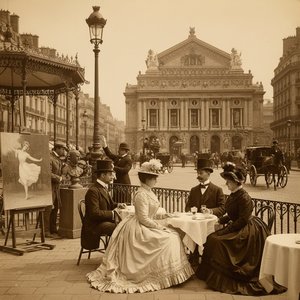
Echoes of 1882: Art, Culture & the Belle Époque's Lasting Impression
Explore the art & culture of the Belle Époque! Discover Impressionism, Realism, and iconic Parisian paintings from Degas, Béraud & more. High-quality reproductions at OriginalUniqueArt.
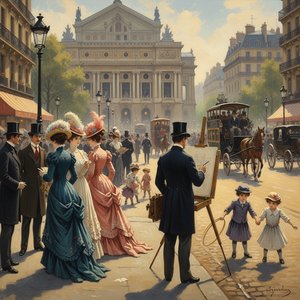
Jean-Georges Béraud: Capturing Parisian Life in the Belle Époque
Explore the captivating world of Jean-Georges Béraud, master painter of Belle Époque Paris. Discover his iconic scenes, artistic evolution, and social commentary. A deep dive into 19th-century French art.

Step into Elegance: Discover the Timeless Beauty and Opulence of Belle Époque Art
Immerse yourself in the splendor of Belle Époque art. From Art Nouveau to Impressionism, OriginalUniqueArt.com provides exquisite, hand-painted oil reproductions and custom portraits. Discover timeless elegance and expert artistry to elevate your home decor with confidence.