
 Previzualizare
 Trimite prin felicitare
 Distribuie
 Detalii despre lucrare
 Ghid
Ghid

 Descarcă imaginea
 Produse similare
 Radiografie
 Galerie foto
 Întrebări și răspunsuri
 Statistici
Il camoscio morto

- 101.0 x 75.0 cm


 Vezi mai mult
Giclée / Imprimare artistică
Printuri giclée sau pe canvas de calitate muzeală, cu proces de producție rapid și opțiuni flexibile de finisare. ( Comandă pictură realizată manual Comută pe Imagine Digitală)




P118B lei10

P118H lei10

P118W lei10

P438Z lei10

P508JH lei12

P508YH lei12

P805H lei10

P805Z lei10

P919BZ lei10

P919G lei10

P919XJ lei10

P959ZH lei10

P968JZ lei12

W106C lei8

W218G lei10

W218JH lei8

W218Y lei10

W307PJ lei10

W316G lei10

W316PJ lei8

W316Y lei10

W398PJ lei8

W4111J lei10

W500HY lei15

W500JH lei15

W692G lei12

W849H lei8

W940BG lei15

W953PJ lei8




Alegeți dintre dimensiunile noastre prestabilite, care respectă proporțiile originale ale operei de artă.

Introduceți lățimea și înălțimea necesare pentru a se potrivi ramei sau peretelui dumneavoastră. O printare poate fi doar tăiată, niciodată extinsă dincolo de dimensiunea imaginii originale, astfel încât o dimensiune cu o formă diferită va pierde o parte din imagine. Vă trimitem o simulare digitală pentru aprobare înainte de a imprima orice. Imaginea afișată pe această pagină nu prezintă tăierea reală — doar simularea arată acest lucru.
Livrare în întreaga lume () în 2 săptămâni, în loc de cele 4/5 săptămâni standard. (5 Noiembrie)

Livrare expres gratuită la nivel mondial

Pânză de in de înaltă calitate

Asigurare completă pentru transport

Garanție de rambursare a taxelor vamale

Garanția fidelității culorilor

Politica de retur în 100 de zile (doar pentru defecte de fabricație)

Garanție de rambursare 100%

Ofertă pentru comenzi multiple
 Opțiunea cu sticlă este disponibilă doar pentru dimensiuni de sub 110 cm

Il camoscio morto
Giclée / Imprimare artistică
Dimensiune reproducere
-


Preț total calculat
lei 385
Giovanni Segantini’s ‘Il Camoscio Morto’: A Study in Alpine Melancholy
Giovanni Segantini's “Il Camoscio Morto” – "The Dead Chamois" – is a profoundly moving work that transcends the simple depiction of a deceased animal. Painted around 1890, this black and white masterpiece captures a moment of stark beauty within the dramatic landscape of the Italian Alps, revealing Segantini’s unique artistic vision and his deep connection to the natural world. Measuring 101 x 75 cm, the painting immediately draws the viewer into a scene of quiet contemplation, dominated by the slumped form of a chamois – a wild goat native to the region – resting peacefully in a bed of hay.
Divisionism and the Spirit of the Alps
Segantini’s style is inextricably linked to Divisionism, a technique pioneered by artists like Tomás y Bernardez and நிறுவित by William De Morgan. Rather than blending colors on the palette, Divisionists meticulously applied tiny dots or strokes of pure color – achieved through layering multiple glazes – allowing the viewer's eye to optically blend them. This method creates an ethereal luminosity and a remarkable sense of depth and texture, particularly evident in the rendering of the hay, the chamois’s fur, and the distant mountain peaks. Segantini’s approach wasn’t merely about technical skill; it was a deeply spiritual one, reflecting his belief that nature possessed a divine quality. He sought to capture not just what he saw, but how light itself interacted with the landscape – a pursuit central to Divisionist philosophy.
Symbolism of Loss and Resilience
The image of the dead chamois is laden with symbolic weight. The animal’s stillness suggests vulnerability and mortality, yet it's presented within a scene of remarkable serenity. Birds are scattered throughout the composition – some perched on the hay, others taking flight – representing both mourning and renewal. This juxtaposition speaks to the cyclical nature of life and death, a recurring theme in Segantini’s work. The chamois itself, a symbol of strength and agility in its natural habitat, now lies vulnerable, prompting reflection on the fragility of existence. The setting, a remote alpine pasture, further emphasizes this sense of isolation and the raw power of nature.
A Painter's Journey: Segantini’s Biography
Giovanni Segantini’s life story is as compelling as his art. Born in Graz, Austria, in 1858, he spent his formative years battling poverty and hardship, including a period of institutionalization following his mother’s death. This challenging upbringing instilled in him an unwavering determination and a profound respect for the simple beauty of the natural world. His self-taught artistic journey, fueled by a deep passion and a meticulous approach to technique, ultimately led to his recognition as one of Italy's most important landscape painters. “Il Camoscio Morto” stands as a testament to his resilience and his ability to transform personal struggles into enduring works of art.
Întrebări și răspunsuri
Unde pot cumpăra o reproducere pictată manual a operei "Il camoscio morto" de Giovanni Segantini?
„Il camoscio morto” este disponibil ca o reproducere pictată manual în ulei pe pânză de in. Comanda poate fi plasată pe pagina de Reproducere pictată în ulei, cu posibilitatea de a alege dimensiunea dorită.
Care este luminozitatea percepută a lucrării "Il camoscio morto" de Giovanni Segantini?
În general, "Il camoscio morto" este înregistrată ca având o deep_shadow. Luminozitatea percepută descrie cât de deschisă sau întunecată pare lucrarea.
Cine este artistul din spatele "Il camoscio morto"?
„Il camoscio morto” a fost creat de Giovanni Segantini. Informațiile de pe această pagină descriu opera originală a lui Giovanni Segantini.
Biografie artist
Giovanni Segantini: Un Maestru al Servizio de la Monta și a Spiritului
Giovanni Segantini, un nume care rezonează cu forță în arta italiană a sfârșitului de secol XIX și începutul secolului XX, nu fusese doar un pictor; fusese un explorator vizual al Alpilor, un poet al naturii, și un simbolist profund. Viața sa, marcată de sărăcie, pierderi timpurii, și o perseverență remarcabilă, a fost întruchiparea unei pasiuni neclintite pentru frumusețea și misterul peisajelor montane. Născut la Arco, în Trentino, Austria-Ungaria (astăzi Italia), în 1858, Segantini a moștenit o viață plină de provocări încă din primele sale zile. Tatăl său, un negustor ambulant, era adesea absent, lăsând-o pe mama sa să se descurce singură cu creșterea lui și a celor doi copii. Pierderea prematră a mamei sale, la vârsta de șapte ani, a fost o traumă profundă care l-a marcat pentru totdeauna, iar experiența în casa de ajutor a copiilor din Milano i-a oferit un prim contact cu arta și o oportunitate de a-și dezvolta talentul latent.Anii de Formare și Influențe Artistice
Deși educația formală a fost limitată, Segantini a manifestat o inteligență remarcabilă și o dorință puternică de a învăța. A învățat să citească și să scrie mai târziu în viață, dovadă a determinării sale neclintite. Primele sale lecții de pictură au fost primite la Academia Brera din Milano, unde a fost expus influențelor Scapigliatura – mișcare artistică care promova o respingere a convențiilor academice și o apreciere pentru realitatea vieții. Artisti precum Anton Mauve și Jean-François Millet, introduși lui prin Vittorio Grubicy de Dragon, au avut un rol crucial în dezvoltarea stilului său, subliniind realismul și reprezentarea vieții rurale. Segantini a fost fascinat de tehnicile Divisionism (sau “cloacking”), o abordare picturală care presupunea aplicarea unor puncte sau petice mici de culoare pură pe pânză, creând efecte optice prin amestecul culorilor în ochii privitorului. Această tehnică i-a permis să captureze lumina și atmosfera Alpilor cu o intensitate și o vibrație unică.Descoperirea Alpilor și Stilul său Distinctiv
În 1886, Segantini s-a mutat în valea Engadin din Elveția, o experiență transformatoare care a definit stilul său artistic. Peisajele dramatice ale Alpilor engadiniene – vârfurile acoperite de zăpadă, văile largi și lacurile cristaline – au devenit sursa principală de inspirație pentru picturile sale. Aici, a dezvoltat o tehnică proprie, combinând Divisionism cu elemente simboliste, creând opere care nu erau doar reprezentări vizuale ale naturii, ci și expresii ale emoțiilor și ideilor profunde. "Ave Maria la Traversiera" (1886), de exemplu, este un exemplu strălucitor al acestei combinații, capturând atât frumusețea peisajului engadin, cât și o atmosferă spirituală intensă.Temele și Motivele Recurente
Lucrările lui Segantini sunt caracterizate de o serie de teme recurente: mama și copilul, viața rurală, frumusețea naturală a Alpilor, dar și simbolismul și spiritualitatea. "Le due Madri" (Cele Două Mame) este un exemplu emblematic al preocupării sale pentru maternitate și viață rurală, în timp ce "La Vita" (Viața) surprinde esența frumuseții alpine într-un mod poetic. Mai târziu, a început să exploreze teme mai complexe, cum ar fi moartea și trecerea, reprezentate în opere precum "Il castigo delle lussuriose" (Pedepsirea celor indulgenți). În ultimii ani ai vieții sale, Segantini s-a concentrat pe pictarea "Tripticul Alpilor", o lucrare monumentală care simboliza legătura dintre viață, natură și spiritualitate.Moștenirea Artistică
Giovanni Segantini a murit prematur în 1899, la vârsta de 41 de ani, în timpul lucrului la secțiunea centrală a "Tripticului Alpilor" pe Schafberg, un munte din apropierea Pontresinei. Deși viața sa a fost scurtă și plină de dificultăți, moștenirea sa artistică este considerabilă. Lucrările sale sunt expuse în muzee importante din întreaga lume, iar stilul său unic – o combinație remarcabilă de realism, simbolism și tehnică divisionistă – continuă să inspire artiștii contemporani. Segantini nu a fost doar un pictor; a fost un vizionar care a capturat esența Alpilor și a transformat emoțiile sale profunde în opere de artă memorabile.
Giovanni Segantini
1858 - 1899 , Austria
Detalii rapide
- Artistic Movement Or Style: Divisionism, Simbolism
- Artists Or Movements Influenced By This Artist: ['Segantini a influențat']
- Artists Who Influenced This Artist:
- Mauve
- Millet
- Date Of Birth: 15 ian 1858
- Date Of Death: 10 aug 1899
- Full Name: Giovanni Segantini
- Nationality: Italian
- Notable Artworks:
- La Vita
- Donna alla fonte
- Madona din Păscută
- Place Of Birth: Arco, Italia
Articole similare

Top 10 Capodopere Alb-Negru: Frumusețe Atemporală în Artă | OriginalUniqueArt.ro
Descoperă top 10 picturi celebre dominate de alb, de la Monet la Kandinsky! Explorează istoria artei, tehnicile artistice și frumusețea atemporală a capodoperelor clasice. Reproduceri de calitate muzeală pe OriginalUniqueArt.com – inspiră-ți decorul!

Shadow & Soul: Why Black & White Photography Remains the Ultimate Power Move in Modern Art
Discover why black & white photography remains a powerful force in contemporary art. Explore the impact of light, shadow, and texture through a visual journey of monochrome mastery and learn how to elevate your space with timeless grayscale aesthetics.

Monochrome Visions: Exploring the Aesthetic & Historical Significance of Black & White Photography
Explore the rich history & artistic power of black and white photography. From early techniques to iconic masters like Ansel Adams, discover why monochrome continues to captivate art lovers today. Expert insights for collectors.

Top 10 Tablouri Celebre Dominante de Negru: Artă, Istorie și Decor Rafinat
Descoperă Top 10 tablouri celebre dominate de negru! Explorează istoria, simbolismul și tehnicile artistice ale unor opere iconice de Rembrandt, Goya și alți maeștri. Reproduceri de artă de calitate muzeală pe OriginalUniqueArt.com – inspiră-ți decorul!
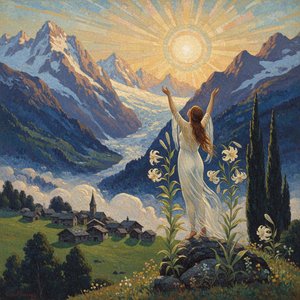
Giovanni Segantini: Capturing Alpine Light & Symbolist Visions
Explore the captivating world of Giovanni Segantini, master of Alpine landscapes & Symbolist art. Discover his innovative techniques, allegorical masterpieces like 'La Vita,' and enduring legacy. Learn about this pivotal 19th-century Italian painter.

