
 Previzualizare
 Trimite prin felicitare
 Distribuie
 Detalii despre lucrare
 Ghid
Ghid

 Descarcă imaginea
 Produse similare
 Radiografie
 Galerie foto
 Întrebări și răspunsuri
 Statistici
A messa prima


 Vezi mai mult
Giclée / Imprimare artistică
Printuri giclée sau pe canvas de calitate muzeală, cu proces de producție rapid și opțiuni flexibile de finisare. ( Comandă pictură realizată manual Comută pe Imagine Digitală)




P118B lei10

P118H lei10

P118W lei10

P438Z lei10

P508JH lei12

P508YH lei12

P805H lei10

P805Z lei10

P919BZ lei10

P919G lei10

P919XJ lei10

P959ZH lei10

P968JZ lei12

W106C lei8

W218G lei10

W218JH lei8

W218Y lei10

W307PJ lei10

W316G lei10

W316PJ lei8

W316Y lei10

W398PJ lei8

W4111J lei10

W500HY lei15

W500JH lei15

W692G lei12

W849H lei8

W940BG lei15

W953PJ lei8




Alegeți dintre dimensiunile noastre prestabilite, care respectă proporțiile originale ale operei de artă.

Introduceți lățimea și înălțimea necesare pentru a se potrivi ramei sau peretelui dumneavoastră. O printare poate fi doar tăiată, niciodată extinsă dincolo de dimensiunea imaginii originale, astfel încât o dimensiune cu o formă diferită va pierde o parte din imagine. Vă trimitem o simulare digitală pentru aprobare înainte de a imprima orice. Imaginea afișată pe această pagină nu prezintă tăierea reală — doar simularea arată acest lucru.
Livrare în întreaga lume () în 2 săptămâni, în loc de cele 4/5 săptămâni standard. (5 Noiembrie)

Livrare expres gratuită la nivel mondial

Pânză de in de înaltă calitate

Asigurare completă pentru transport

Garanție de rambursare a taxelor vamale

Garanția fidelității culorilor

Politica de retur în 100 de zile (doar pentru defecte de fabricație)

Garanție de rambursare 100%

Ofertă pentru comenzi multiple
 Opțiunea cu sticlă este disponibilă doar pentru dimensiuni de sub 110 cm

A messa prima
Giclée / Imprimare artistică
Dimensiune reproducere
-


Preț total calculat
lei 385
A Nocturnal Encounter in Light and Shadow
In the quiet, silvered depths of Giovanni Segantini’s 1885 masterpiece, A messa prima, we are invited into a world where the boundaries between reality and dream begin to dissolve. This post-impressionist gem captures a profound moment of human connection—or perhaps, more poignantly, a moment of departure. At the heart of the composition stands a woman perched upon a staircase, her silhouette marked by an elegant ponytail, gazing downward with an expression that oscillates between longing and resignation. Below her, a figure retreats into the shadows, walking away into the mysteries of the night. The scene is not merely a depiction of a physical space, but an emotional landscape where every brushstroke serves to heighten the sense of intrigue and quiet melancholy that defines this nocturnal encounter.
The atmosphere of the painting is thick with the ethereal glow of a moonlit sky, a technique that Segantini employs to envelop the viewer in a soft, luminous haze. Through his masterful use of light, the artist transforms a simple architectural setting into a stage for symbolic storytelling. The moonlight does more than illuminate the figures; it acts as a celestial witness to the fleeting nature of human presence. As the light touches the edges of the stairs and the distant, shadowy figures in the background, it creates a sense of depth that pulls the observer deeper into the painting’s mystery. This interplay of light and dark—the chiaroscuro of the post-impressionist era—imbues the work with a spiritual weight, suggesting that even in the darkness, there is a profound beauty to be found in the transient moments of our lives.
The Mastery of Post-Impressionist Technique
Segantini’s approach to A messa prima showcases his unique ability to blend the structural precision of his training with the emotive, atmospheric qualities of Symbolism. The technique used here allows for a dreamy, almost otherworldly quality that is characteristic of his most celebrated works. Rather than focusing on harsh outlines, Segantini utilizes subtle transitions of tone to suggest movement and emotion. This soft-focus effect creates a sense of nostalgia, as if we are viewing a memory rather than a live event. For the discerning collector or interior designer, this painting offers a sophisticated textural depth that can anchor a room, providing a focal point that rewards prolonged contemplation.
Beyond its visual allure, the painting serves as a poignant reflection on the passage of time and the fragility of human bonds. The composition is meticulously balanced to guide the eye from the central woman, down the descending steps, and toward the receding figures in the distance, mirroring the very movement of life itself—a constant progression away from what was once close. To possess a high-quality reproduction of this work is to bring a piece of art history into one's personal sanctuary; it is an invitation to reflect on the beauty of the ephemeral and the enduring power of the human spirit. Whether placed in a contemporary gallery setting or a classic study, A messa prima remains a timeless testament to the evocative power of Segantini’s vision.
Întrebări și răspunsuri
Ce fel de operă este "A messa prima"?
"A messa prima" este o piesă de tip WallArt.
Din ce epocă datează "A messa prima"?
Perioada istorică a operei "A messa prima" de Giovanni Segantini este 19th Century. Această clasificare plasează lucrarea în contextul istoriei artei.
Unde este recomandată expunerea formatului Panoramic pentru „A messa prima”?
Cu formatul său Panoramic, o reproducere a operei „A messa prima” este recomandată pentru un Restaurant.
Biografie artist
Giovanni Segantini: Un Maestru al Servizio de la Monta și a Spiritului
Giovanni Segantini, un nume care rezonează cu forță în arta italiană a sfârșitului de secol XIX și începutul secolului XX, nu fusese doar un pictor; fusese un explorator vizual al Alpilor, un poet al naturii, și un simbolist profund. Viața sa, marcată de sărăcie, pierderi timpurii, și o perseverență remarcabilă, a fost întruchiparea unei pasiuni neclintite pentru frumusețea și misterul peisajelor montane. Născut la Arco, în Trentino, Austria-Ungaria (astăzi Italia), în 1858, Segantini a moștenit o viață plină de provocări încă din primele sale zile. Tatăl său, un negustor ambulant, era adesea absent, lăsând-o pe mama sa să se descurce singură cu creșterea lui și a celor doi copii. Pierderea prematră a mamei sale, la vârsta de șapte ani, a fost o traumă profundă care l-a marcat pentru totdeauna, iar experiența în casa de ajutor a copiilor din Milano i-a oferit un prim contact cu arta și o oportunitate de a-și dezvolta talentul latent.Anii de Formare și Influențe Artistice
Deși educația formală a fost limitată, Segantini a manifestat o inteligență remarcabilă și o dorință puternică de a învăța. A învățat să citească și să scrie mai târziu în viață, dovadă a determinării sale neclintite. Primele sale lecții de pictură au fost primite la Academia Brera din Milano, unde a fost expus influențelor Scapigliatura – mișcare artistică care promova o respingere a convențiilor academice și o apreciere pentru realitatea vieții. Artisti precum Anton Mauve și Jean-François Millet, introduși lui prin Vittorio Grubicy de Dragon, au avut un rol crucial în dezvoltarea stilului său, subliniind realismul și reprezentarea vieții rurale. Segantini a fost fascinat de tehnicile Divisionism (sau “cloacking”), o abordare picturală care presupunea aplicarea unor puncte sau petice mici de culoare pură pe pânză, creând efecte optice prin amestecul culorilor în ochii privitorului. Această tehnică i-a permis să captureze lumina și atmosfera Alpilor cu o intensitate și o vibrație unică.Descoperirea Alpilor și Stilul său Distinctiv
În 1886, Segantini s-a mutat în valea Engadin din Elveția, o experiență transformatoare care a definit stilul său artistic. Peisajele dramatice ale Alpilor engadiniene – vârfurile acoperite de zăpadă, văile largi și lacurile cristaline – au devenit sursa principală de inspirație pentru picturile sale. Aici, a dezvoltat o tehnică proprie, combinând Divisionism cu elemente simboliste, creând opere care nu erau doar reprezentări vizuale ale naturii, ci și expresii ale emoțiilor și ideilor profunde. "Ave Maria la Traversiera" (1886), de exemplu, este un exemplu strălucitor al acestei combinații, capturând atât frumusețea peisajului engadin, cât și o atmosferă spirituală intensă.Temele și Motivele Recurente
Lucrările lui Segantini sunt caracterizate de o serie de teme recurente: mama și copilul, viața rurală, frumusețea naturală a Alpilor, dar și simbolismul și spiritualitatea. "Le due Madri" (Cele Două Mame) este un exemplu emblematic al preocupării sale pentru maternitate și viață rurală, în timp ce "La Vita" (Viața) surprinde esența frumuseții alpine într-un mod poetic. Mai târziu, a început să exploreze teme mai complexe, cum ar fi moartea și trecerea, reprezentate în opere precum "Il castigo delle lussuriose" (Pedepsirea celor indulgenți). În ultimii ani ai vieții sale, Segantini s-a concentrat pe pictarea "Tripticul Alpilor", o lucrare monumentală care simboliza legătura dintre viață, natură și spiritualitate.Moștenirea Artistică
Giovanni Segantini a murit prematur în 1899, la vârsta de 41 de ani, în timpul lucrului la secțiunea centrală a "Tripticului Alpilor" pe Schafberg, un munte din apropierea Pontresinei. Deși viața sa a fost scurtă și plină de dificultăți, moștenirea sa artistică este considerabilă. Lucrările sale sunt expuse în muzee importante din întreaga lume, iar stilul său unic – o combinație remarcabilă de realism, simbolism și tehnică divisionistă – continuă să inspire artiștii contemporani. Segantini nu a fost doar un pictor; a fost un vizionar care a capturat esența Alpilor și a transformat emoțiile sale profunde în opere de artă memorabile.
Giovanni Segantini
1858 - 1899 , Austria
Detalii rapide
- Artistic Movement Or Style: Divisionism, Simbolism
- Artists Or Movements Influenced By This Artist: ['Segantini a influențat']
- Artists Who Influenced This Artist:
- Mauve
- Millet
- Date Of Birth: 15 ian 1858
- Date Of Death: 10 aug 1899
- Full Name: Giovanni Segantini
- Nationality: Italian
- Notable Artworks:
- La Vita
- Donna alla fonte
- Madona din Păscută
- Place Of Birth: Arco, Italia
Articole similare

Beyond Impressionism: Exploring the Emotional Depth of Post-Impressionist Painting
Explore the profound emotional depth & innovative techniques of Post-Impressionism with OriginalUniqueArt. Discover Cézanne, Van Gogh, Gauguin & more – and their lasting impact on modern art.

Top 10 Capodopere Post-Impresioniste care au Definit Arta Modernă | OriginalUniqueArt.ro
Descoperă Top 10 capodopere post-impresioniste de la Van Gogh, Monet, Cézanne și alții! Explorează istoria artei moderne, tehnicile unice și culorile vibrante. Reproduceri tablouri de calitate muzeală pe OriginalUniqueArt.com
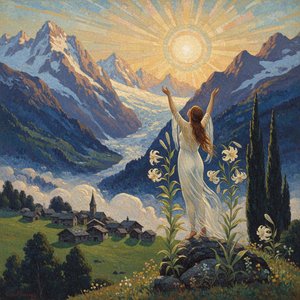
Giovanni Segantini: Capturing Alpine Light & Symbolist Visions
Explore the captivating world of Giovanni Segantini, master of Alpine landscapes & Symbolist art. Discover his innovative techniques, allegorical masterpieces like 'La Vita,' and enduring legacy. Learn about this pivotal 19th-century Italian painter.

Impresionism vs. Post-Impresionism: Revoluția Luminii și a Emoției în Arta de Clasă
Descoperiți distincția dintre Impresionism și Post-Impresionism. Explorați revoluția luminii și a emoției prin ochii maestrilor și transformați spațiile de lux cu reproducții de ulei pictate manual, autentice, oferite de experții OriginalUniqueArt.com.

Dincolo de Lumină și Culoare: Impresionismul vs. Postimpresionismul pentru Colecționarul Exigent
Descoperiți diferențele subtile dintre impresionism și postimpresionism. Ghid expert pentru colecționari exigenți, cu sfaturi despre investiții, valoare și proveniență.

