Previzualizare
 Trimite prin felicitare
 Distribuie
 Detalii despre lucrare
 Ghid
Ghid

 Descarcă imaginea
 Produse similare
 Radiografie
 Galerie foto
 Statistici
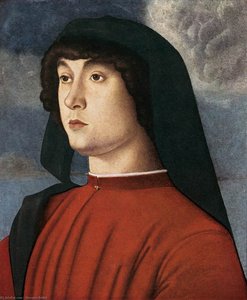
Christ Blessing
 Oil On Canvas
- WallArt
- Renaissance Italian
 1500
1500 59.0 x 47.0 cm
 Muzeul de Artă Kimbell
 Vezi mai mult
Giclée / Imprimare artistică
Printuri giclée sau pe canvas de calitate muzeală, cu proces de producție rapid și opțiuni flexibile de finisare. ( Comandă pictură realizată manual Comută pe Imagine Digitală)




P118B lei10

P118H lei10

P118W lei10

P438Z lei10

P508JH lei12

P508YH lei12

P805H lei10

P805Z lei10

P919BZ lei10

P919G lei10

P919XJ lei10

P959ZH lei10

P968JZ lei12

W106C lei8

W218G lei10

W218JH lei8

W218Y lei10

W307PJ lei10

W316G lei10

W316PJ lei8

W316Y lei10

W398PJ lei8

W4111J lei10

W500HY lei15

W500JH lei15

W692G lei12

W849H lei8

W940BG lei15

W953PJ lei8




Alegeți dintre dimensiunile noastre prestabilite, care respectă proporțiile originale ale operei de artă.

Introduceți lățimea și înălțimea necesare pentru a se potrivi ramei sau peretelui dumneavoastră. O printare poate fi doar tăiată, niciodată extinsă dincolo de dimensiunea imaginii originale, astfel încât o dimensiune cu o formă diferită va pierde o parte din imagine. Vă trimitem o simulare digitală pentru aprobare înainte de a imprima orice. Imaginea afișată pe această pagină nu prezintă tăierea reală — doar simularea arată acest lucru.
Livrare în întreaga lume () în 2 săptămâni, în loc de cele 4/5 săptămâni standard. (26 Octombrie)

Livrare expres gratuită la nivel mondial

Pânză de in de înaltă calitate

Asigurare completă pentru transport

Garanție de rambursare a taxelor vamale

Garanția fidelității culorilor

Politica de retur în 100 de zile (doar pentru defecte de fabricație)

Garanție de rambursare 100%

Ofertă pentru comenzi multiple
 Opțiunea cu sticlă este disponibilă doar pentru dimensiuni de sub 110 cm

Christ Blessing
Giclée / Imprimare artistică
Dimensiune reproducere
-


Preț total calculat
lei 370
A Moment of Grace: Giovanni Bellini’s “Christ Blessing”
Giovanni Bellini's "Christ Blessing," painted around 1500 in Venice, isn’t merely a depiction of the resurrected Christ; it’s an immersive meditation on faith, redemption, and the profound mystery at the heart of Christian belief. This intimate devotional panel, now housed within the hallowed halls of the Kimbell Art Museum in Fort Worth, Texas, transcends simple portraiture to become a powerful visual sermon, inviting contemplation long after the initial viewing. Bellini masterfully blends Byzantine tradition with the burgeoning humanism of the Renaissance, creating an image that is both deeply spiritual and remarkably accessible.
The scene unfolds with arresting immediacy. Christ, rendered in a strikingly realistic manner for his time – yet retaining a distinctly serene and almost youthful quality – faces the viewer directly. His level gaze establishes a palpable connection, drawing us into this sacred moment. He raises his right hand in blessing, a gesture of profound grace and offering, while his left grips the vibrant red staff of the Resurrection banner, a potent symbol of triumph over death. The subtle yet unmistakable wounds on his hand and chest – barely visible, yet undeniably present – serve as poignant reminders of his sacrifice, grounding the divine with an undeniable human reality.
Symbolism Woven into the Landscape
Bellini’s genius lies not just in the central figure but also in the richly layered symbolism embedded within the background landscape. This isn't a distant, ethereal vista; it’s a carefully constructed allegory designed to illuminate the narrative of salvation. The withered tree with a solitary bird on the left side of the panel represents the Old Covenant, gradually giving way to the promise of the New. The pair of rabbits – a recurring motif in Bellini’s work – symbolize regeneration and new life, echoing the transformative power of Christ's resurrection. Even the shepherd tending his flock is imbued with meaning: he embodies Christ as the Good Shepherd (drawing directly from John 10:14), guiding and protecting his people.
The distant bell tower, a prominent feature in the background, speaks to the Church’s role in facilitating salvation. And subtly, yet powerfully, the three robed figures hurrying towards the tomb – undoubtedly the Three Marys – convey the urgency of the news: the empty tomb and the promise of resurrection. The entire landscape becomes a visual roadmap of redemption, guiding the viewer through the complex journey from earthly suffering to eternal glory.
Technique and Light: A Masterclass in Venetian Painting
Bellini’s mastery is evident in his exquisite use of color and light. The painting is suffused with a warm, golden radiance emanating from Christ's head – a technique borrowed from the Byzantine tradition – signifying his divinity. This luminosity contrasts beautifully with the cooler tones used for the landscape, creating a dynamic interplay between earthly and heavenly realms. The artist’s brushwork is remarkably smooth and controlled, particularly in the rendering of Christ’s flesh, demonstrating a deep understanding of anatomy and form.
Bellini's skill in layering glazes – applying thin, translucent layers of paint to build up color and depth – contributes significantly to the painting’s luminous quality. This technique, perfected over decades of practice, allows light to penetrate through the pigments, creating a sense of atmosphere and realism that was revolutionary for its time. The subtle shadows cast by Christ's arm further emphasize the reality of his resurrection, grounding the divine in tangible form.
A Timeless Testament to Faith
"Christ Blessing" is more than just a beautiful painting; it’s a profound meditation on faith and humanity. Bellini’s ability to seamlessly blend religious symbolism with artistic skill creates an image that continues to resonate with viewers centuries after its creation. It's a testament to the enduring power of art to communicate complex ideas and evoke deep emotions, inviting us to contemplate our own relationship with faith, hope, and redemption. A reproduction captures this essence beautifully, bringing this masterpiece into any home or space as a constant reminder of its timeless message.
Întrebări și răspunsuri
În ce etapă a carierei lui Giovanni Bellini se încadrează "Christ Blessing", având în vedere data sa de execuție?
Data din 1500 plasează „Christ Blessing” în Mature Venetian dezvoltării lui Giovanni Bellini.
Care este motivul statutului drepturilor de autor pentru "Christ Blessing"?
"Christ Blessing" de Giovanni Bellini este în domeniul public – drepturile de autor au expirat. Durata protecției drepturilor de autor se calculează de la data decesului artistului, survenit în anul 1516.
Ce atmosferă ar aduce "Christ Blessing" într-un spațiu?
Cu atmosfera sa Calm, „Christ Blessing” este recomandată pentru o Living Room.
Biografie artist
A Venetian Master: The Life and Legacy of Giovanni Bellini
Giovanni Bellini, un nume sinonim cu Renașterea în Veneția, se află la bazați ca o figură centrală care leagă tradițiile artei bizantine de spiritul inovator care a definit secolul al XVI-lea. Născut aproximativ în 1430 – deși unele surse sugerează 1433 – într-o familie profund înrădăcinată în lumea artistică, călătoria lui Bellini a fost una de evoluție continuă, marcată de o sensibilitate profundă la culoare, lumină și umanismul înfloritor al vremii sale. Natura exactă a relațiilor sale familiale a fost dezbătută timp de ani de zile; pentru mulți ani, Jacopo Bellini a fost considerat tatăl său, dar cercetările moderne indică tot mai mult faptul că Jacopo era fratele mai în vârstă al lui Giovanni, cu Gentile Bellini ca nepot, nu frate. Orice ar fi fost cazul, tânărul Giovanni a crescut înconjurat de un atelier plin de creativitate și expertiză tehnică, absorbind fundațiile picturii din copilărie. Antrenamentul său inițial probabil că a implicat tehnici tradiționale de tempera favorizate la acea vreme, dar talentul său innăscut pentru observație și expresie emoțională l-ar fi diferențiat pe el.Influențe Timpurii și Dezvoltare Artistică
Peisajul artistic al secolului al XV-lea din Veneția a fost un amestec unic de influențe. Poziția orașului ca centru comercial major i-a expus artiștilor săi la stiluri și idei diverse, în timp ce moștenirea bizantină a continuat să exercite o puternică atracție. Primele lucrări ale lui Bellini reflectă această dualitate. Inițial, stilul său purta amprenta tatălui și a fratelui său, Gentile, compozițiile fiind adesea caracterizate de detaliu minuțios și o paletă emoțională mai restrânsă. Cu toate acestea, chiar și în aceste lucrări timpurii, au apărut indicii ale strălucirii sale viitoare – o manevrare delicată a luminii, un interes crescut pentru scenele naturaliste și o capacitate de a da figurilor religioase un pathos uman palpabil. Influența lui Andrea Mantegna, socrul său, este, de asemenea, evidentă în aceste lucrări. Mantegna, un pictor influent din secolul al XV-lea, a influențat Bellini cu abordarea sa dramatică și cu utilizarea sa a liniilor puternice. În special, Bellini a fost inspirat de modul în care Mantegna a folosit umbrele și lumina pentru a crea o senzație de volum și profunzime în picturile sale.Revoluționând Pictura Venețiană: Culoare, Lumină și Ulei
Revoluția lui Bellini a stat în îmbrățișarea culorilor ulei. Deși nu a fost inventatorul tehnicii, el a fost unul dintre primii artiști venețieni care a exploatat pe deplin potențialul său. Spre deosebire de tempera, care se usca rapid și necesita o abordare liniară precisă, pictura în ulei a permis o amestecare mai mare, nuanțe mai bogate și gradații subtile de ton. Această libertate nouă i-a permis lui Bellini să creeze picturi cu o profunzime și o luminozitate fără precedent. Utilizarea sa a culorilor a devenit din ce în ce mai sofisticată, îndepărtându-se de nuanțele strălucitoare și adesea aspre ale picturii venețiene timpurii către o paletă mai nuanțată și armonioasă. A capturat cu măiestrie efectele luminii și ale atmosferei, dând scenei sale un sentiment de seninătate și realism care a fost revoluționar pentru vremea sa. Această măiestrie în pictura în ulei nu numai că a transformat propria sa lucrare, ci și a pus bazele stilului distinctiv care ar defini școala venețiană – un stil celebrat pentru sensualitatea sa, bogăția cromatică și perspectiva atmosferică. Picturile sale au emanat o strălucire interioară, reflectând o profunzime spirituală care a rezonat cu contemporanii săi.Lucrări Mature și Influență Durabilă
Pe măsură ce Bellini matura, viziunea sa artistică a continuat să evolueze. Altarele sale, cum ar fi cele create pentru bisericile San Zaccaria și Santa Corona, demonstrează capacitatea sa de a crea compoziții complexe pline de semnificație simbolică și rezonanță emoțională. *Transfigurarea*, acum găzduită în Muzeul Capodimonte din Napoli, exemplifică stilul său matur – o spirit senină combinată cu puteri artistice mature. De asemenea, a servit ca conservator al picturilor din Palatul Dogilor, consolidând și mai mult reputația sa de cel mai bun artist din Veneția. Influența sa s-a extins dincolo de propria sa viață. A devenit mentor pentru o generație de tineri artiști, inclusiv Giorgione și Titian, care au continuat moștenirea sa și au împins limitele artei venețiene. Acești ucenici au absorbit tehnicile și principiile estetice ale lui Bellini, adaptându-le stilurilor lor individuale și contribuind la epoca de aur a picturii venețiene. Bellini's impact can be seen in the works of countless artists who followed, solidifying his place as a true master of the Renaissance. He died in Venice in 1516, leaving behind a body of work that continues to inspire awe and admiration centuries later.Un Legacy Durând în Timp
Moștenirea lui Giovanni Bellini se extinde dincolo de inovațiile sale tehnice și realizările artistice. El a capturat spiritul unei lumi în schimbare – o lume care se confrunta cu idei noi despre umanitate, spiritualitate și relația dintre artă și natură. Picturile sale nu sunt doar reprezentări ale scenelor religioase; ele sunt meditații profunde asupra credinței, frumuseții și condiției umane. **Capacitatea sa de a da figurilor sale demnitate și grație, combinată cu măiestria sa în utilizarea culorilor și a luminii**, a creat un limbaj vizual care a rezonat profund cu contemporanii săi și continuă să captiveze publicul astăzi. *Moștenirea lui Bellini nu este doar una de strălucire artistică; este o mărturie a puterii artei de a transcende timpul și de a ne conecta la valorile durabile ale experienței umane.* De la seninătatea picturilor sale Madone până la intensitatea dramatică a scenelor religioase, opera lui Bellini rămâne un pilon al istoriei artei occidentale.
Giovanni Bellini
1433 - 1516 , Italia
Detalii rapide
- Artistic Movement Or Style: Renaștere, Școala Venețiană
- Artists Or Movements Influenced By This Artist:
- Giorgione
- Titian
- Artists Who Influenced This Artist:
- Jacopo Bellini
- Gentile Bellini
- Andrea Mantegna
- Date Of Birth: c. 1430
- Date Of Death: 1516
- Full Name: Giovanni Bellini
- Nationality: Italian
- Notable Artworks:
- Transfigurarea
- Intâmpinarea la Templu
- Place Of Birth: Venetia, Italia
Articole similare

The Golden Light of Innovation: Exploring the Venetian Renaissance Art Movement (1430–1580)
Explore the Golden Age of Venetian art (1430–1580). Discover Giorgione, Titian & Tintoretto's techniques, the 'colorito' revolution, and lasting influence. Expert insights for collectors & enthusiasts.
Jacopo Tintoretto: Cele Mai Remarcabile 25 de Capodopere – Artă Clasică pentru Decorul Tău
Descoperă cele mai frumoase 25 de picturi ale lui Jacopo Tintoretto! Explorează capodopere renascentiste venețiene, scene biblice dramatice și stilul unic al artistului. Reproduceri artă de calitate muzeală pentru decorul tău pe OriginalUniqueArt.com.
Vittore Carpaccio: Venetian Renaissance Narrative & the Poetics of Detail
Explore the captivating world of Vittore Carpaccio, a master storyteller of the Venetian Renaissance. Discover his intricate details, narrative cycles like 'The Legend of St. Ursula,' and unique artistic style.

Venetian Renaissance: The Mastery of Color, Light, and the Art of Colorito
Explore the luminous mastery of the Venetian Renaissance. Discover how masters like Titian and Giorgione revolutionized art through colorito, light, and atmosphere. An expert guide to the golden age of Italian painting for collectors and enthusiasts.
Venetian Renaissance: The Golden Age of Color, Light, and Luminous Artistry
Embark on a journey through the Venetian Renaissance. Discover how masters like Giorgione and Titian revolutionized art through luminous color and light. Explore the profound legacy of the Venetian School and its enduring influence on the world of fine art.