

 Trimite
 Distribuie
 Detalii
 Ghidul

 Descarcă
 Produse similare
 Diaporama
 Statistici
Camera obscura


 Citește mai mult
Giclée / Imprimare artistică
Printuri giclée sau pe canvas de calitate muzeală, cu proces de producție rapid și opțiuni flexibile de finisare. ( Comandă pictură realizată manual Treci la imagine digitală)




































Alegeți dintre dimensiunile noastre prestabilite, care respectă proporțiile originale ale operei de artă.

Introduceți lățimea și înălțimea de care aveți nevoie, pentru a se potrivi ramei sau peretelui dumneavoastră. O printare poate fi doar tăiată, niciodată extinsă dincolo de dimensiunea imaginii originale, astfel încât o dimensiune cu o formă diferită va pierde o parte din imagine. Vă trimitem o simulare digitală pentru aprobare înainte de a imprima orice. Imaginea afișată pe această pagină nu prezintă tăierea reală — doar simularea arată acest lucru.
Livrare în întreaga lume () în 2 săptămâni, în loc de cele 4/5 săptămâni standard. (25 Octombrie)

Livrare expres gratuită la nivel mondial

Pânză de in premium

Asigurare completă pentru transport

Garanție de rambursare a taxelor vamale

Garanția fidelității culorilor

Politica de retur în 100 de zile (doar pentru defecte)

Garanție de rambursare 100%

Reducere pentru comenzi multiple
 Opțiunea cu sticlă este disponibilă doar pentru dimensiuni de sub 110 cm

Camera obscura
Giclée / Imprimare artistică
Dimensiune reproducere
-


Preț total
lei 370
Canaletto's Intimate Glimpse: The Camera Obscura
Giovanni Antonio Canal, better known as Canaletto, was a master of observation, a chronicler of Venice and its surrounding landscapes with an unparalleled eye for detail. This remarkable painting, depicting a camera obscura – a device he himself possessed and meticulously documented – offers a rare and intimate window into the artist’s creative process and the burgeoning science of optics in the early 18th century. The image, currently housed within the Museo Correr in Venice, isn't merely a representation of a scientific instrument; it’s a testament to Canaletto’s intellectual curiosity and his pioneering approach to landscape painting.
- The Mechanics of Vision: The camera obscura, essentially a darkened room with a pinhole lens, projected an inverted image of the outside world onto its walls. Canaletto's depiction captures this phenomenon precisely – a wooden box constructed with a glass front, meticulously arranged to capture and display this ethereal projection.
- A Tool for Observation: Canaletto utilized the camera obscura not just as a scientific curiosity but as an invaluable tool for his artistic practice. It allowed him to study light, shadow, perspective, and composition before committing them to canvas, resulting in the remarkably accurate and detailed renderings that define his style.
- Historical Context: Created around 1700, this painting reflects a period of intense scientific inquiry into optics and visual perception. The camera obscura was gaining popularity among artists and scientists alike, offering a new method for understanding and replicating the natural world.
Canaletto’s Topographical Style & Artistic Technique
Canaletto's artistic style is immediately recognizable – characterized by its meticulous detail, precise perspective, and atmospheric clarity. This particular depiction of the camera obscura exemplifies his mastery of topographical painting, a genre he essentially invented. The artist employed a technique of layering thin glazes of oil paint, building up color gradually to achieve remarkable luminosity and depth. Note the subtle gradations in tone, particularly within the wooden construction of the device itself, demonstrating Canaletto’s painstaking attention to texture and form. The inverted projection is rendered with astonishing accuracy, showcasing his keen observational skills and his ability to translate three-dimensional reality onto a two-dimensional surface.
- Oil on Panel: The artwork is executed in oil paint on a wooden panel, a common medium for Canaletto’s work during this period.
- Layered Glazes: The use of numerous thin layers of translucent paint creates a rich and luminous effect, characteristic of Canaletto's style.
- Precise Perspective: The meticulous rendering of perspective demonstrates Canaletto’s mastery of linear perspective, a key element in creating the illusion of depth and realism.
Symbolism & Emotional Resonance
Beyond its technical brilliance, the painting carries symbolic weight. It represents not just a scientific instrument but also the artist's relentless pursuit of knowledge and his desire to capture the beauty and complexity of the world around him. The camera obscura itself can be interpreted as a metaphor for artistic creation – a device that transforms an external reality into an internal representation. The image evokes a sense of quiet contemplation, inviting viewers to consider the fundamental principles of vision and the creative process. Canaletto’s work consistently conveys a feeling of serene order and intellectual curiosity, reflecting his deep connection to Venice and its rich cultural heritage.
A Legacy of Observation
This reproduction offers an exceptional opportunity to own a piece of art history – a tangible link to one of the most celebrated topographical painters of all time. Whether you are an art collector seeking to expand your collection, an interior designer looking for a unique and historically significant artwork to adorn your space, or simply someone captivated by Canaletto’s genius, this painting provides a profound connection to the artist's world and his remarkable ability to capture the essence of Venice.
Întrebări și răspunsuri
Unde pot vedea o previzualizare a „Camera obscura”?
Pagina Previzualizare pentru „Camera obscura” vă permite să vizualizați opera de artă înainte de a comanda.
„Camera obscura” prezintă contraste puternice între lumină și întuneric?
Contrastul lumină-umbră din "Camera obscura" este înregistrat ca Statement. Contrastul descrie cât de puternic diferă zonele luminoase de cele întunecate.
Culorile din "Camera obscura" de Canaletto sunt saturate sau tenue?
Culorile din "Camera obscura" de Canaletto au o saturație de Muted. Saturația descrie cât de vii sau de tenue sunt culorile.
Biografie artist
Early Life and Artistic Foundations
Giovanni Antonio Canal, more commonly known as Canaletto, was born on October 18, 1697, in the heart of Venice – a city that would indelibly shape his artistic vision and become the enduring subject of countless paintings. His origins were humble; he was the son of Bernardo Canal, a skilled painter specializing in theatrical scene settings, and Artemisia Barbieri. From an early age, young Giovanni was immersed in the world of art, learning the fundamentals directly from his father’s workshop. This foundational training instilled within him a meticulous attention to detail and a deep understanding of composition – qualities that would later define his distinctive style. The bustling atmosphere of Venice, with its intricate canals, vibrant markets, and grand palaces, provided an endless source of inspiration for a young artist eager to capture the essence of his surroundings.The Roman Years: Seeds of Innovation
In 1718, Canaletto embarked on a transformative journey to Rome. This period proved pivotal in shaping his artistic development. He immersed himself in the vibrant art scene of the Eternal City, studying the works of masters like Caravaggio and learning new techniques. Crucially, he encountered Giovanni Paolo Pannini, a renowned vedutista – a painter specializing in cityscapes – whose meticulous observation and precise rendering profoundly influenced Canaletto’s own approach to topographical painting. Pannini's emphasis on capturing the details of urban life, combined with his innovative use of perspective, ignited within Canaletto a desire to document Venice with unprecedented accuracy and beauty.The Rise of the Veduta: A Venetian Master Emerges
Upon returning to Venice in 1720, Canaletto quickly established himself as a respected artist. He began by producing scenic backdrops for theatrical productions, honing his skills in composition and color. However, it was his growing fascination with capturing the city’s visual reality that truly set him apart. He developed a signature style known as “veduta,” meaning “view” or “vista.” This involved painstaking preparatory drawings – often dozens of them – meticulously documenting every angle, perspective, and detail of the cityscape. These detailed studies served as the basis for his finished paintings, allowing him to create remarkably realistic and immersive depictions of Venice. Notable early works like "The Stonemason's Yard" (circa 1725) showcased his burgeoning talent and established a reputation for capturing the everyday life of Venetian citizens.Collaborations and International Recognition
Canaletto’s success attracted commissions from prominent patrons, including the Palazzo Ducale, the French embassy, and even the British royal family. He collaborated extensively with his nephew, Bernardo Bellotto, who became an accomplished artist in his own right, often adopting “Canaletto” as a professional name to enhance his career, particularly in countries where his uncle was not actively working. His work gained international recognition, notably when he produced a series of paintings for the English nobleman, Prince George of Great Britain. These works, depicting scenes from London’s social and political life, cemented Canaletto's reputation as a skilled observer of human behavior and a master of capturing the atmosphere of different cities.Artistic Techniques and Legacy
Canaletto’s artistic prowess was not simply about replicating reality; it was about transforming observation into art. While some scholars have speculated that he may have employed a camera obscura – a device used to project an image of the outside world onto a surface – for enhanced accuracy, his primary focus remained on masterful composition and skillful use of light and shadow. His paintings are characterized by their remarkable clarity, precision, and a subtle sense of atmosphere. Canaletto’s legacy extends far beyond his own lifetime. He profoundly influenced generations of artists, particularly in the development of the “veduta” genre, and his works continue to be admired for their beauty, detail, and enduring appeal. His paintings are now housed in prestigious museums around the world, including the National Gallery in London, a testament to his lasting contribution to the history of art.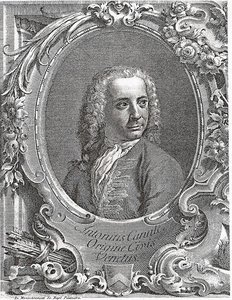
Canaletto
1697 - 1768 , Italia
Informații rapide
- Artistic Movement Or Style: Vedute Veneția
- Artists Or Movements Influenced By This Artist: ['Bernardo Bellotto']
- Artists Who Influenced This Artist: ['Giovanni Paolo Pannini']
- Date Of Birth: 18 oct. 1697
- Date Of Death: 19 apr. 1768
- Full Name: Giovanni Antonio Canal
- Nationality: Italian
- Notable Artworks:
- Stonemar. Yard
- Regatta Canal Grande
- Eton College
- Place Of Birth: Veneția, Italia
Articole conexe

Giovanni Antonio Canal (Canaletto): A Venetian Master of Light, Space & Societal Observation
Explore the life & art of Giovanni Antonio Canal (Canaletto), a Venetian master renowned for his breathtaking cityscapes. Discover his techniques, legacy, and captivating depictions of 18th-century Venice & London.

The Dramatic Flourish: Exploring the Baroque Movement's Enduring Legacy in Art History
Explore the dramatic world of Baroque art! Discover iconic artists like Caravaggio & Rubens, defining techniques, and its lasting impact on art history. Expert insights for collectors & enthusiasts at OriginalUniqueArt.

Drama Barocă: Cum să Aduceți Splendoare și Emoție în Interioarele Contemporane
Descoperiți cum să integrați splendoarea stilului baroc în locuința dumneavoastră! Ghid complet cu elemente de design, culori și inspirație pentru interioare luxoase și pline de emoție.

Pietro Longhi's Venetian Scenes: A Study of Rococo Society & Domestic Life
Explore the captivating world of Pietro Longhi's Venetian scenes! Discover insightful analysis of his Rococo masterpieces & social commentary on 18th-century life. Learn about this 'Venetian Hogarth' and his lasting artistic legacy.
Jacopo Tintoretto: Cele Mai Remarcabile 25 de Capodopere – Artă Clasică pentru Decorul Tău
Descoperă cele mai frumoase 25 de picturi ale lui Jacopo Tintoretto! Explorează capodopere renascentiste venețiene, scene biblice dramatice și stilul unic al artistului. Reproduceri artă de calitate muzeală pentru decorul tău pe OriginalUniqueArt.com.


