

 Vezi în context
 Trimite
 Distribuie
 Detalii
 Guide
Guide

 Descarcă
 Produse similare
 Radiografie
 Diaporama
 Statistici
Camera obscura


 Citește mai mult
Reproducere pictată manual în ulei
Pictură în ulei pe pânză, realizată manual de artiștii noștri la dimensiunea și ramele dorite de dumneavoastră, pe comandă. ( Comută pe versiunea Print Treci la imagine digitală)




P118B $10

P118H $10

P118W $10

P438Z $10

P508JH $12

P508YH $12

P805H $10

P805Z $10

P919BZ $10

P919G $10

P919XJ $10

P959ZH $10

P968JZ $12

W106C $8

W218G $10

W218JH $8

W218Y $10

W307PJ $10

W316G $10

W316PJ $8

W316Y $10

W398PJ $8

W4111J $10

W500HY $15

W500JH $15

W692G $12

W849H $8

W940BG $15

W953PJ $8




Alegeți dintre dimensiunile noastre prestabilite, care respectă proporțiile originale ale operei de artă.

Puteți introduce propriile dimensiuni pentru a se potrivi unui anumit cadru sau spațiu. Dacă dimensiunea selectată nu corespunde proporțiilor imaginii originale, vom decupa opera de artă sau vom extinde pictura cu elemente suplimentare pictate manual. O simulare digitală vă va fi trimisă pentru aprobare înainte de începerea producției.
Vă rugăm să rețineți că previzualizarea de pe ecran nu reflectă decuparea sau extinderea reală. Doar macheta va arăta cu exactitate compoziția finală.
Deși sunt disponibile dimensiuni personalizate, vă recomandăm să selectați o dimensiune din lista predefinită pentru a păstra proporțiile originale.
După plasarea comenzii, echipa OriginalUniqueArt.com va contacta clientul prin e-mail pentru instrucțiuni și îi va furniza o previzualizare a machetei
Livrare în întreaga lume () în 3-4 săptămâni, în loc de cele 5 săptămâni standard. (20 Septembrie). Fără compromisuri în ceea ce privește calitatea.

Livrare expres gratuită la nivel mondial

Pânză de in premium

Asigurare completă pentru transport

Garanție de rambursare a taxelor vamale

Garanția fidelității culorilor

Politica de retur în 100 de zile (doar pentru defecte)

Garanție de rambursare 100%

Reducere pentru comenzi multiple
 Opțiunea cu sticlă este disponibilă doar pentru dimensiuni de sub 110 cm

Camera obscura
Tip de reproducere
Dimensiune reproducere
-


Preț total
$ 300
A Sculptural Echo of Light and Vision
Canaletto’s “Camera Obscura,” a meticulously crafted wooden device dating back to around 1700, isn't merely a reproduction; it’s a tangible embodiment of the revolutionary vision that shaped his artistic practice. This intimate sculpture, presented against a stark black backdrop, immediately draws the eye, inviting us into a world where light and shadow dance in harmonious collaboration. The piece speaks volumes about Canaletto’s innovative approach to capturing reality – an approach deeply rooted in observation and a fascination with the mechanics of vision itself. The geometric precision of the boxy structure, constructed from carefully joined wooden panels, suggests both the artist's meticulousness and a profound understanding of spatial relationships. It’s not simply a representation of a camera obscura; it *is* the camera obscura, distilled into its essential form.
- Material & Construction: The use of wood – likely stained or varnished to preserve its beauty – speaks to Canaletto's appreciation for tactile quality and enduring craftsmanship. The intricate joinery hints at a deliberate process, reflecting the artist’s careful attention to detail.
- Form & Composition: The vertical orientation emphasizes the height and solidity of the device, creating a sense of direct engagement with the viewer. Lines dominate – sharp, clean lines defining the boxy structure, contrasting with the subtle texture of the wood grain.
- Symbolic Weight: The camera obscura itself represents a pivotal moment in art history—a precursor to photography and a testament to Canaletto’s pioneering spirit. It embodies the pursuit of accurate representation, challenging traditional methods and opening new avenues for artistic expression.
Unlocking the Secrets of Early Photography
Canaletto's fascination with the camera obscura wasn't simply an aesthetic curiosity; it was a deeply practical investigation into how light and shadow create images. The inscription on the device – “A Camera Obscura” – provides a crucial clue, revealing that this object belonged to the Venetian master himself. This discovery dramatically shifts our understanding of Canaletto’s process: he didn't just paint what he saw; he actively *observed* how light transformed his surroundings into visual forms. Research suggests that Canaletto utilized the camera obscura as a tool for sketching, meticulously documenting architectural details and urban landscapes with unprecedented accuracy. The device allowed him to capture perspective and spatial relationships with remarkable precision – a skill that profoundly influenced his later paintings.
Historical Context:The invention of the camera obscura in the 16th century marked a watershed moment in art history. Initially used as a scientific instrument for astronomical observation, it quickly gained popularity among artists seeking to improve their draftsmanship and understand perspective. Canaletto’s embrace of this technology demonstrates his commitment to innovation and his desire to push the boundaries of artistic representation.
A Window into Venice: The Artist's Process
The “Camera Obscura” offers a rare glimpse into Canaletto’s working methods. It’s believed that he used this device not just for sketching, but also as a means of studying light and shadow—analyzing how they interacted with buildings and streets to create the illusion of depth and volume. The resulting drawings were then translated into his celebrated paintings, imbuing them with an extraordinary sense of realism and atmospheric detail. The meticulousness evident in the camera obscura’s construction mirrors the painstaking care Canaletto invested in every brushstroke of his finished works. It's a testament to his dedication to capturing not just appearances, but also the very essence of Venice.
Recreating a Masterpiece: A Reproduction for Today
Reproducing Canaletto’s “Camera Obscura” is more than simply creating a copy; it’s about preserving a vital piece of art history and celebrating the ingenuity of one of Venice's greatest artists. The resulting reproduction captures not only the physical form of the device but also its symbolic significance—a reminder of the enduring power of observation, innovation, and the pursuit of accurate representation. This meticulously crafted replica serves as a tangible link to the 18th century, inviting viewers to contemplate the origins of photography and appreciate Canaletto’s pioneering legacy.
Biografie artist
Early Life and Artistic Foundations
Giovanni Antonio Canal, more commonly known as Canaletto, was born on October 18, 1697, in the heart of Venice – a city that would indelibly shape his artistic vision and become the enduring subject of countless paintings. His origins were humble; he was the son of Bernardo Canal, a skilled painter specializing in theatrical scene settings, and Artemisia Barbieri. From an early age, young Giovanni was immersed in the world of art, learning the fundamentals directly from his father’s workshop. This foundational training instilled within him a meticulous attention to detail and a deep understanding of composition – qualities that would later define his distinctive style. The bustling atmosphere of Venice, with its intricate canals, vibrant markets, and grand palaces, provided an endless source of inspiration for a young artist eager to capture the essence of his surroundings.The Roman Years: Seeds of Innovation
In 1718, Canaletto embarked on a transformative journey to Rome. This period proved pivotal in shaping his artistic development. He immersed himself in the vibrant art scene of the Eternal City, studying the works of masters like Caravaggio and learning new techniques. Crucially, he encountered Giovanni Paolo Pannini, a renowned vedutista – a painter specializing in cityscapes – whose meticulous observation and precise rendering profoundly influenced Canaletto’s own approach to topographical painting. Pannini's emphasis on capturing the details of urban life, combined with his innovative use of perspective, ignited within Canaletto a desire to document Venice with unprecedented accuracy and beauty.The Rise of the Veduta: A Venetian Master Emerges
Upon returning to Venice in 1720, Canaletto quickly established himself as a respected artist. He began by producing scenic backdrops for theatrical productions, honing his skills in composition and color. However, it was his growing fascination with capturing the city’s visual reality that truly set him apart. He developed a signature style known as “veduta,” meaning “view” or “vista.” This involved painstaking preparatory drawings – often dozens of them – meticulously documenting every angle, perspective, and detail of the cityscape. These detailed studies served as the basis for his finished paintings, allowing him to create remarkably realistic and immersive depictions of Venice. Notable early works like "The Stonemason's Yard" (circa 1725) showcased his burgeoning talent and established a reputation for capturing the everyday life of Venetian citizens.Collaborations and International Recognition
Canaletto’s success attracted commissions from prominent patrons, including the Palazzo Ducale, the French embassy, and even the British royal family. He collaborated extensively with his nephew, Bernardo Bellotto, who became an accomplished artist in his own right, often adopting “Canaletto” as a professional name to enhance his career, particularly in countries where his uncle was not actively working. His work gained international recognition, notably when he produced a series of paintings for the English nobleman, Prince George of Great Britain. These works, depicting scenes from London’s social and political life, cemented Canaletto's reputation as a skilled observer of human behavior and a master of capturing the atmosphere of different cities.Artistic Techniques and Legacy
Canaletto’s artistic prowess was not simply about replicating reality; it was about transforming observation into art. While some scholars have speculated that he may have employed a camera obscura – a device used to project an image of the outside world onto a surface – for enhanced accuracy, his primary focus remained on masterful composition and skillful use of light and shadow. His paintings are characterized by their remarkable clarity, precision, and a subtle sense of atmosphere. Canaletto’s legacy extends far beyond his own lifetime. He profoundly influenced generations of artists, particularly in the development of the “veduta” genre, and his works continue to be admired for their beauty, detail, and enduring appeal. His paintings are now housed in prestigious museums around the world, including the National Gallery in London, a testament to his lasting contribution to the history of art.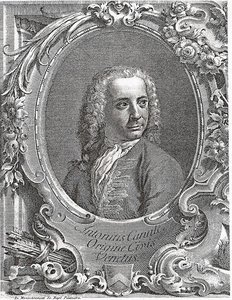
Canaletto
1697 - 1768 , Italia
Informații rapide
- Artistic Movement Or Style: Vedute Veneția
- Artists Or Movements Influenced By This Artist: ['Bernardo Bellotto']
- Artists Who Influenced This Artist: ['Giovanni Paolo Pannini']
- Date Of Birth: 18 oct. 1697
- Date Of Death: 19 apr. 1768
- Full Name: Giovanni Antonio Canal
- Nationality: Italian
- Notable Artworks:
- Stonemar. Yard
- Regatta Canal Grande
- Eton College
- Place Of Birth: Veneția, Italia
Articole conexe

John Constable: Cele Mai Frumoase 25 de Capodopere – Artă Clasică pentru Decorul Casei Tale
Descoperă cele mai frumoase 25 de picturi ale lui John Constable, maestru al peisajului englezesc! Explorează stilul romantic, Dedham Vale și capodopere precum The Hay Wain. Reproduceri artă clasică pentru decorul casei tale – OriginalUniqueArt.com.

Evocations of Place: A Historical Journey Through Landscape Art
Explore the rich history of landscape art with OriginalUniqueArt. Discover renowned artists, movements like Impressionism & Romanticism, and expert guidance for collecting timeless pieces. Find your perfect serene escape today!

Giovanni Antonio Canal (Canaletto): A Venetian Master of Light, Space & Societal Observation
Explore the life & art of Giovanni Antonio Canal (Canaletto), a Venetian master renowned for his breathtaking cityscapes. Discover his techniques, legacy, and captivating depictions of 18th-century Venice & London.

Michelangelo Morlaiter: Venetian Landscapes & the Pursuit of Atmospheric Realism
Explore the captivating landscapes of Michelangelo Morlaiter, a key figure in 18th-century Venetian painting. Discover his mastery of atmospheric perspective and lasting influence on Italian art history. Learn more at OriginalUniqueArt.

Peisaje Romantice Iconice: 10 Capodopere Artistice pentru Decorul de Lux
Descoperă 10 capodopere romantice iconice de Caspar David Friedrich, Turner și alți maeștri. Explorează istoria artei, emoțiile din peisaje și găsește tablouri canvas perfecte pentru decorul tău pe OriginalUniqueArt.com!


